Combat Profile
Thousand-Armed Salvation
Grants healing to all allies and removes afflictions across the battlefield with divine compassion.
Merciful Presence
All nearby allies gain increased healing received and protection from fatal damage.
Kannon's limitless compassion means infinite suffering -- taking on the pain of all sentient beings is an unbearable burden even for a bodhisattva. Cannot act against free will
“Should there be beings who are undergoing suffering, if they hear the name of Bodhisattva Avalokiteshvara and single-mindedly call upon his name, Bodhisattva Avalokiteshvara will immediately hear their voices and deliver them from suffering.” — Lotus Sutra, Chapter 25
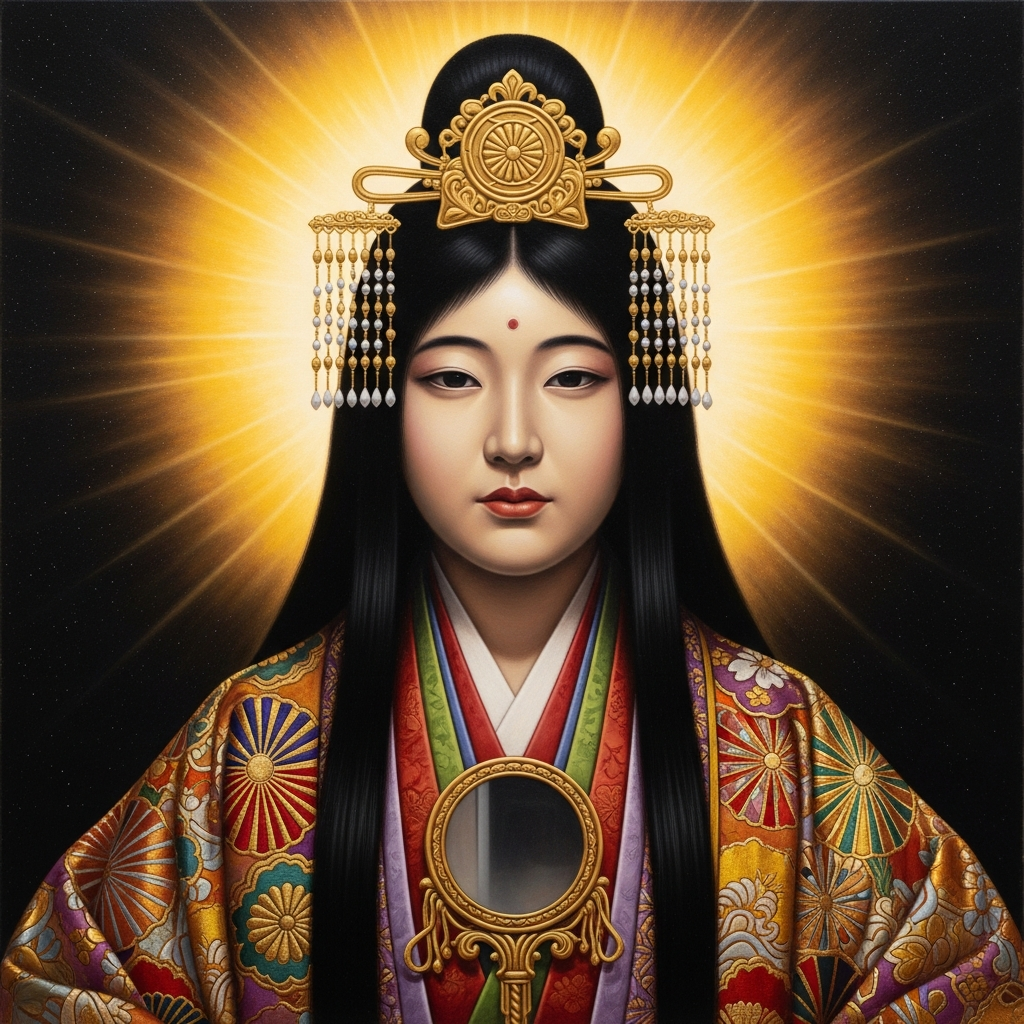
Lore: Kannon (Chinese: Guanyin; Sanskrit: Avalokiteshvara) is the Japanese form of the Bodhisattva of Compassion — the being who has earned the right to enter Nirvana but refuses, choosing instead to remain in the cycle of suffering until every last sentient being is saved. In India, Avalokiteshvara was originally male; in China, the figure gradually transformed into the female Guanyin; in Japan, Kannon is depicted as both male and female, or beyond gender entirely, depending on the tradition and the specific manifestation.
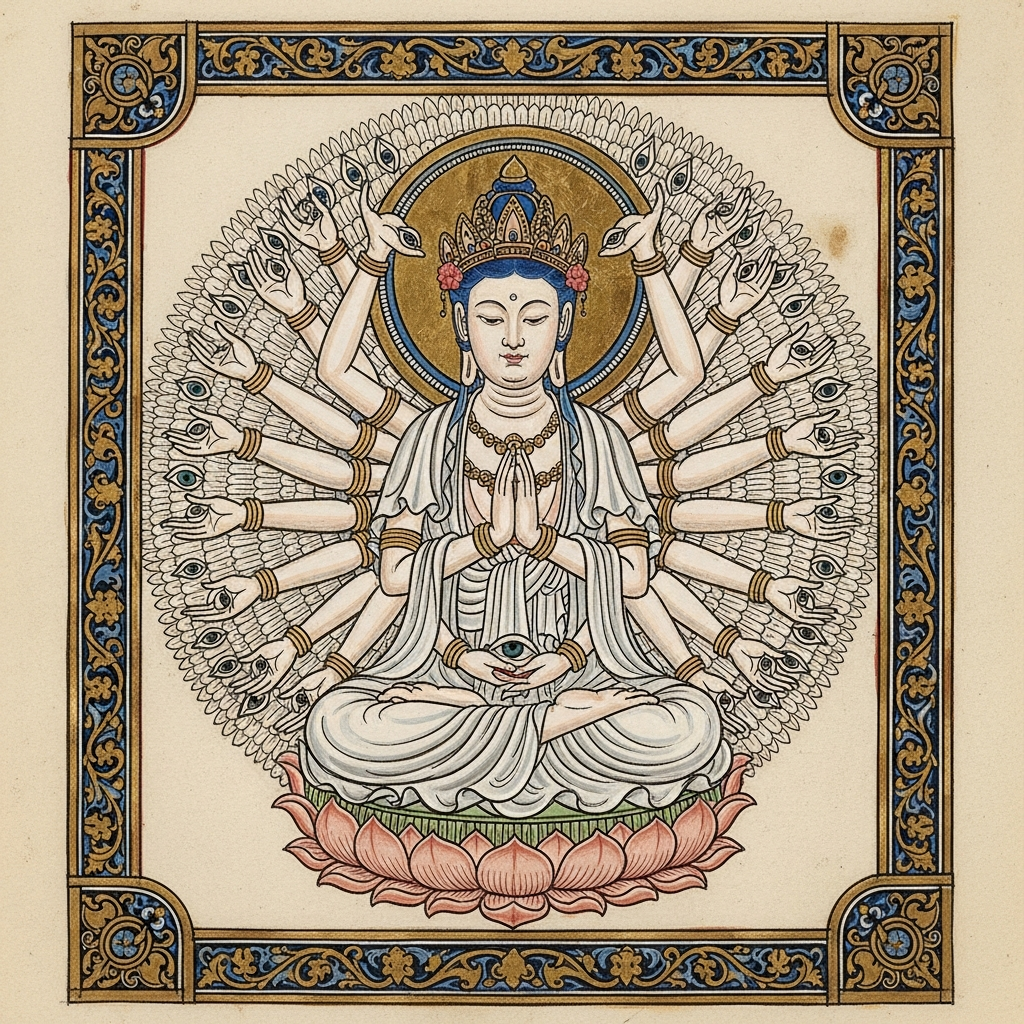
The most spectacular iconographic form is the Senju Kannon (Thousand-Armed Kannon) — a figure with 1,000 arms radiating outward, each hand bearing an eye, symbolizing the ability to simultaneously see all suffering in the world and reach out to help. The Sanjusangendo temple in Kyoto houses 1,001 statues of Senju Kannon — one of the most overwhelming sights in all of world religious art. In Japanese folk religion, Kannon absorbed the functions of various local female kami associated with childbirth, children’s protection, and safe passage for the dying. The Six Kannon (Roku Kannon) correspond to the six realms of Buddhist rebirth, offering salvation to beings trapped in each realm. The Saikoku Kannon pilgrimage (33 temples in the Kansai region) is one of Japan’s oldest pilgrimage routes.
Parallel: Kannon is the functional equivalent of the Virgin Mary in Catholic practice — a compassionate intercessor who is not the supreme deity but is often the figure to whom ordinary people direct their most personal prayers. Both are associated with mercy, maternal care, and protection of the vulnerable. Both transformed gender in their transmission across cultures (Mary from a Jewish girl to a cosmic queen; Avalokiteshvara from a male Indian bodhisattva to a female/gender-fluid East Asian figure). The 33 forms of Kannon parallel the concept of Christ appearing in different guises to different cultures. The theological mechanism differs (Kannon acts through bodhisattva vow; Mary intercedes with God), but the lived experience of praying to each is remarkably similar.
2 min read
None -- Kannon is the being who has no enemies, only beings not yet saved
*Lotus Sutra* (Chapter 25, "The Universal Gateway of Bodhisattva Avalokiteshvara"); *Heart Sutra*; Sanjusangendo temple traditions; the Saikoku 33-temple pilgrimage