Hitchhiker's Guide to Religion
Sufi

The Wine — *Al-Khamr*

Sufi Eternal metaphor — "poured before the vine was created" (Ibn al-Farid, *Khamriyya*, c. 1230 CE); the wine-mysticism tradition active from ~9th century CE through present Persian and Arabic Sufi poetry worlds — most intensely expressed in Hafiz (Shiraz), Rumi (Konya), Ibn al-Farid (Cairo), and Omar Khayyam (Nishapur)
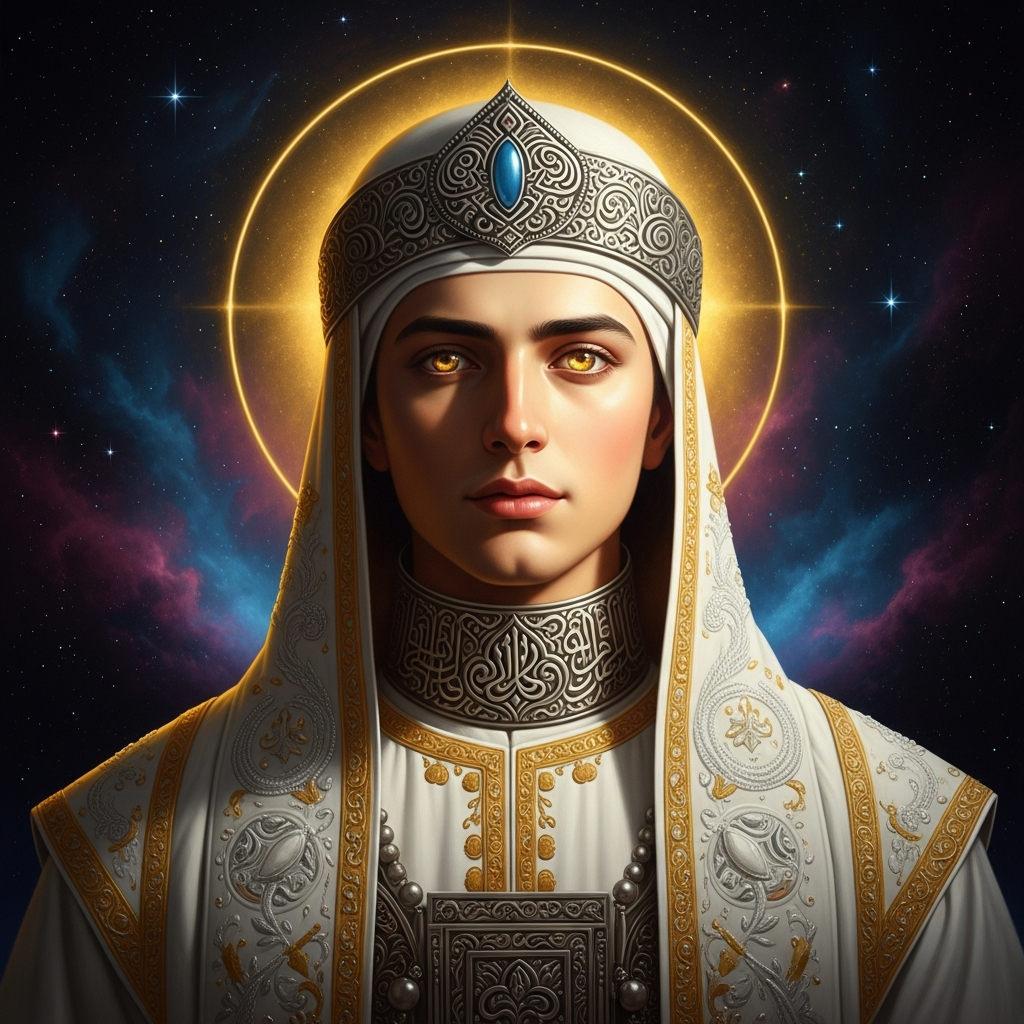
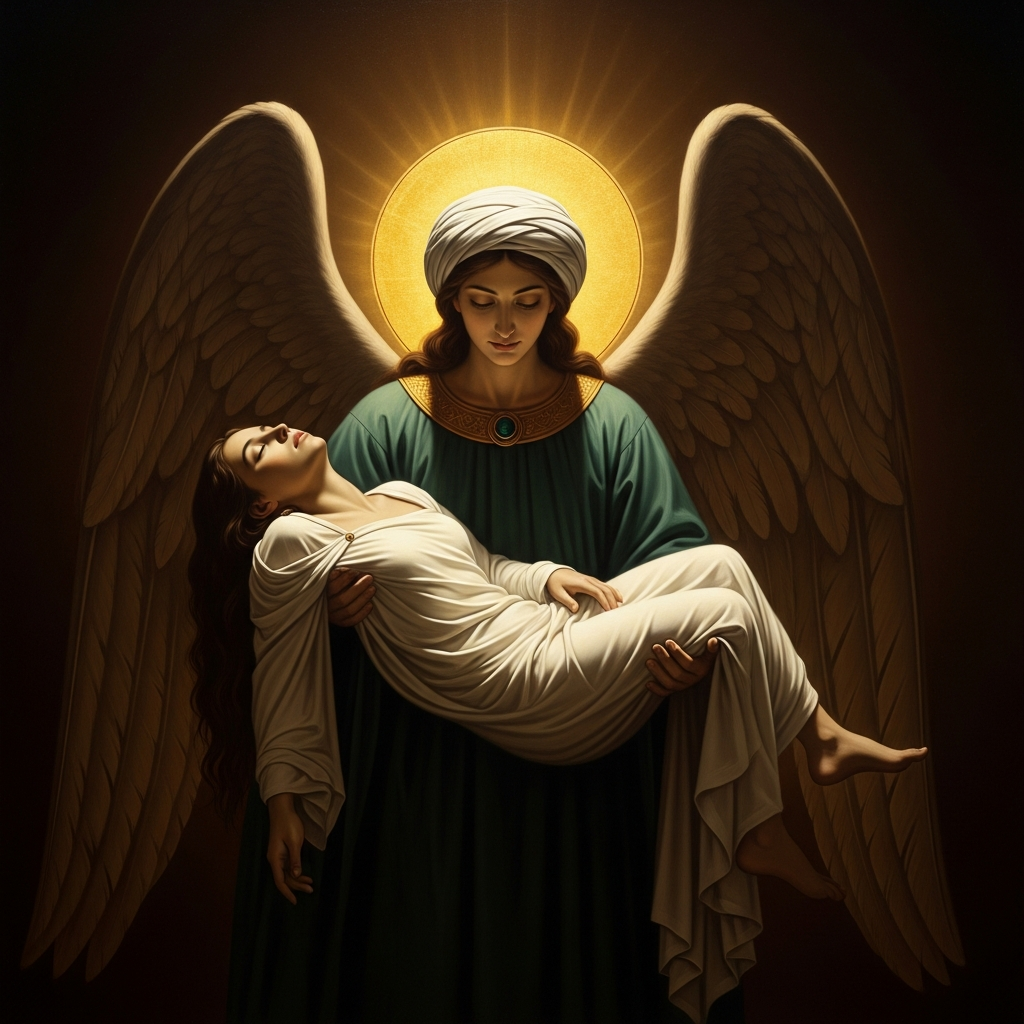
Portrait of The Wine — *Al-Khamr*
Combat
ATK 6
DEF 3
SPR 10
SPD 7
INT 8
Element Fire
Role Mystic
Rarity Legendary
Threat High
LCK 10
ARC 10
Epithets "Al-Khamr" (the Wine — Arabic); "the Pre-Eternal Vintage"; "the Cup of *Azal*" (pre-eternity); "the Drink of the Tavern of Ruin" (*kharabat*)
Sacred Animals None — the Wine transcends all physical associations; but the nightingale (*bulbul*) is said to be drunk on the Rose, parallel to the soul drunk on the Beloved
Sacred Objects The cup (*jām*, *qadah*); the wine-jug (*subu*); the tavern (*kharabat*, *mey-khaneh*) — the sacred place outside the law where it is poured
Sacred Colors Red (the color of the wine, the color of the rose, the color of the Beloved's cheek — all three are the same in Sufi poetry)
Sacred Number None — the wine predates all number; poured before the creation of the vine
Tariqa The wine-metaphor is used by all tariqas but most extensively by the Mevleviyya (Rumi's order) and the Ni'matullahi (Iranian order); the *sukr* (intoxicated) school of Sufism is defined by this metaphor
Key Teaching Divine intoxication (*sukr*) as a stage of annihilation — the drinker forgets himself and remembers only God; true sobriety (*sahw*) is the state of the one drunk in God; the Wine predates the vine
Dargah / Sacred Sites The Tavern (*kharabat*) — a symbolic rather than physical location; the "ruined place" outside the city of law where the ego is dismantled; the famous tavern of Hafiz's ghazals
Festivals No specific festival — the wine appears in the *sema* ceremony (Mevlevi) as the metaphor for divine intoxication that whirling induces; Nowruz poetry is saturated with wine imagery
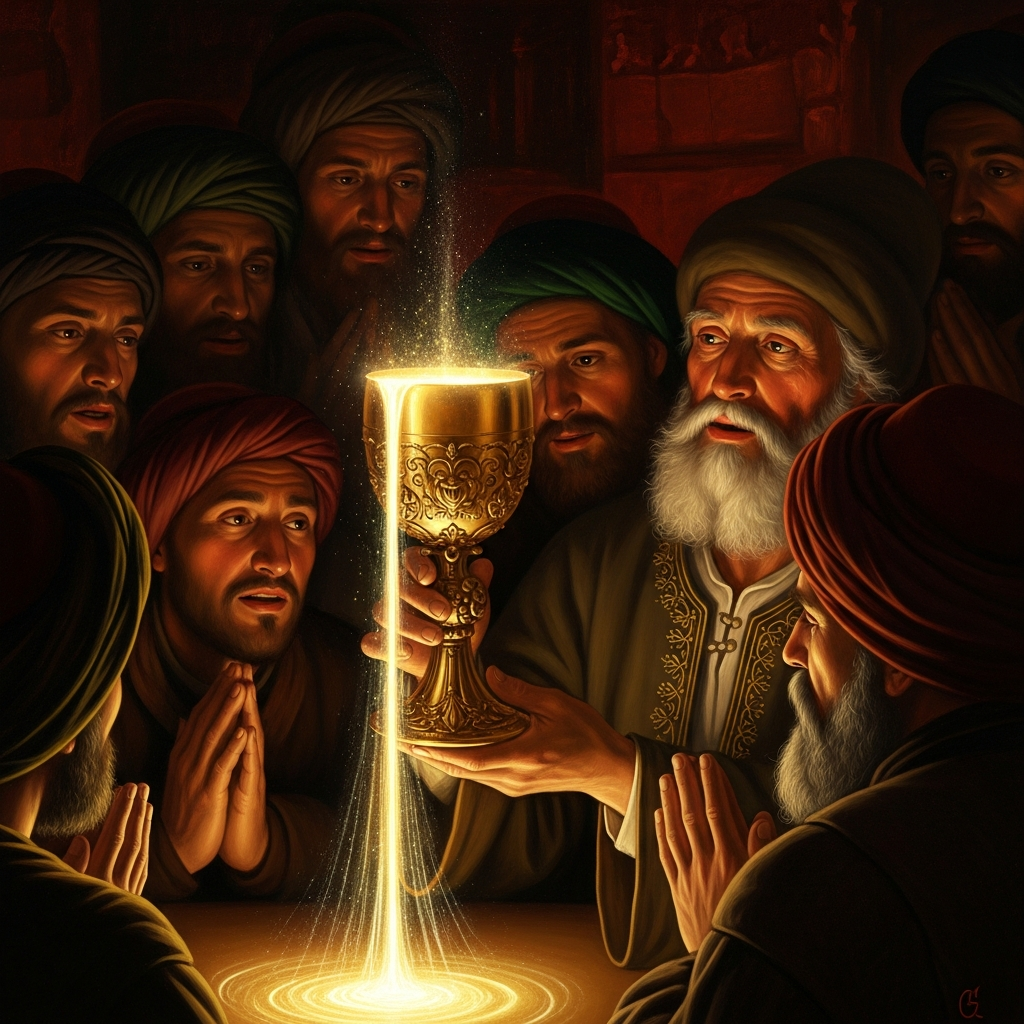
Iconography The cup overflowing; a wine-bearer (*saqi*) pouring for the lover; depicted in Hafiz manuscript illustrations as a beautiful youth in a garden; the cup of the Magi (*jām-e jam*) as cosmic mirror
Period Eternal metaphor — "poured before the vine was created" (Ibn al-Farid, *Khamriyya*, c. 1230 CE); the wine-mysticism tradition active from ~9th century CE through present
Region Persian and Arabic Sufi poetry worlds — most intensely expressed in Hafiz (Shiraz), Rumi (Konya), Ibn al-Farid (Cairo), and Omar Khayyam (Nishapur)
Special The Cup of Pre-Eternity — One drop dissolves the boundary between the lover and the Beloved; the drinker forgets his own name and remembers a Name beyond all names.
Passive Vintage Before the Vine — This wine was poured before creation; it cannot be brewed, only received, and it makes its drinker drunk in a sobriety the unsober cannot mistake for drunkenness.

In Sufi poetry, the Wine is not the wine forbidden by Islamic law — or rather, it is, but transposed to the spiritual register. The Wine is the divine intoxication that flows from the Beloved’s cup, served by the Saqi (the cup-bearer), drunk in the Tavern (kharabat, the ruined place) outside the law-abiding city. The drinker becomes a rind — a libertine — who has drunk what the orthodox cannot touch and now staggers through the world unable to perform the prayers and unwilling to perform the explanations.

The greatest Wine poem is Ibn al-Farid’s Khamriyya (Wine Ode), c. 1230, whose first line is: “We drank, in remembrance of the Beloved, a wine by which we were drunk before the vine was created.” The Wine pre-exists creation. Its grape is the divine name. Its vintage is azal — pre-eternity. To drink it is to remember what the soul knew before it descended into the body. The drunkenness it produces is not loss of control but acquisition of a deeper sobriety — the sobriety of the One who is always Himself even as the lover loses himself in Him.

Biblical Parallels: The Wine corresponds to the Eucharistic chalice — “this is my blood of the new covenant” (Matthew 26:27-28) — and to the new wine of the Kingdom (Matthew 26:29). It is the wine of the wedding at Cana, the better wine kept until last (John 2:10). In the Hebrew Bible it is the wine that “gladdens the heart” (Psalm 104:15) and the wine of God’s anger (Isaiah 51:17). Christian mystics speak of “spiritual inebriation” (ebrietas spiritualis) — Bernard of Clairvaux uses the phrase, and Gregory of Nyssa speaks of “sober drunkenness” (nepsalia methe), structurally identical to the Sufi paradox.

Cross-Tradition: The Wine parallels the Vedic Soma — the sacred plant whose juice was both ritual offering and the substance that opened the mind of the rishis to the gods. It parallels the Greek Dionysian wine — the maddening drink that broke down the polis and made gods of revelers. In Chinese poetry, Li Bai’s wine is similarly mystical. In modern visionary studies, the entheogenic substances (peyote, ayahuasca, the Eleusinian kykeon) all play the same archetypal role: the drink that loosens the seal on ordinary reality.


2 min read
Combat Radar

ATK DEF SPR SPD INT
← Back to Sufi