Cosmology & Structure
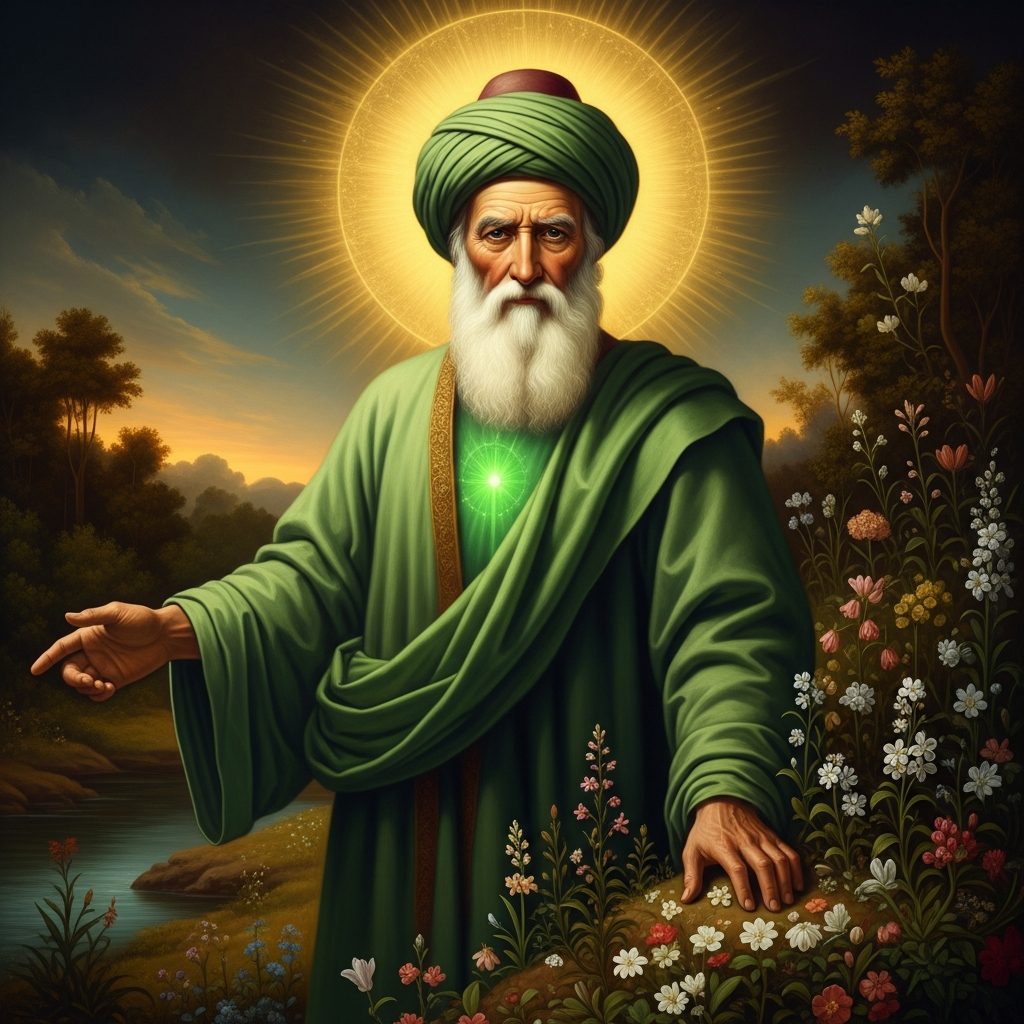
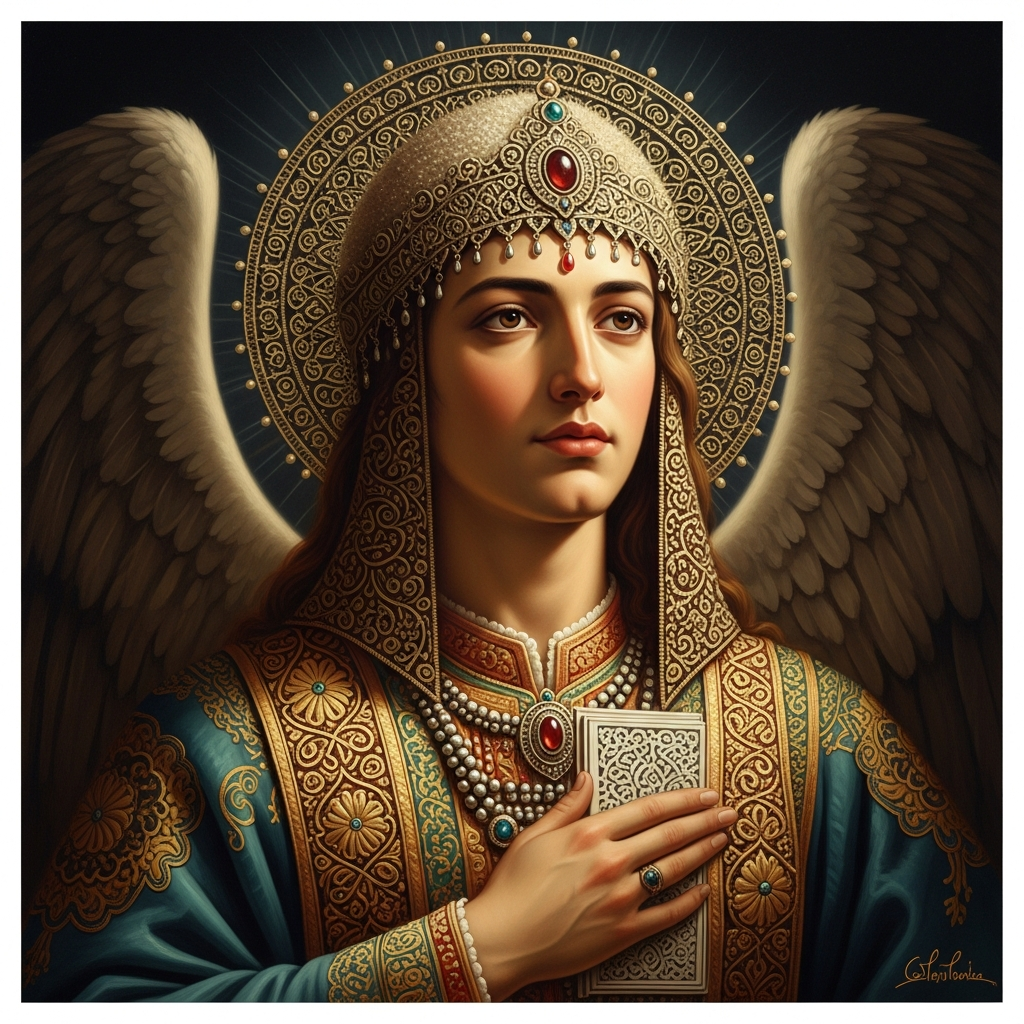
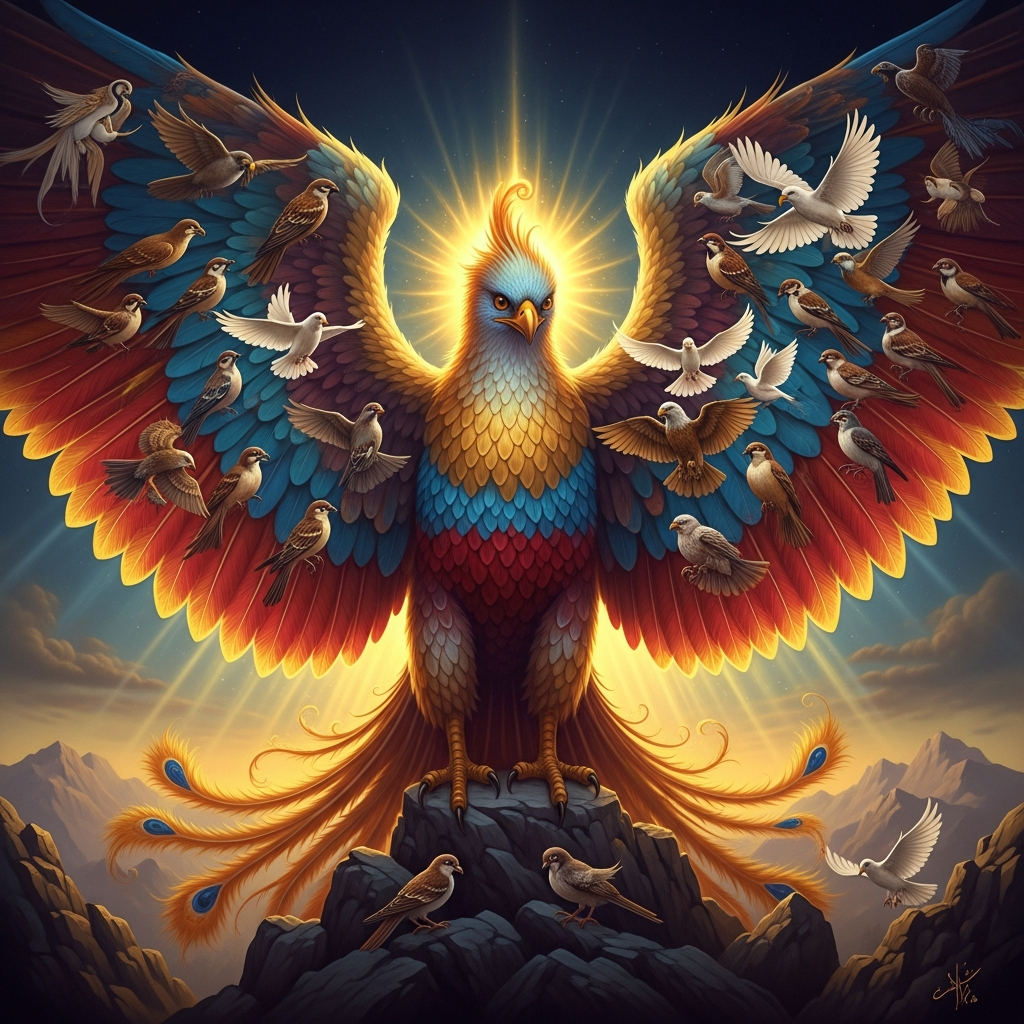
The Sufi cosmos is layered. At the deepest level is the Dhat — the absolute Essence of God, beyond name or attribute. From the Essence emanate the Sifat (divine attributes) and the Asma (divine names), which structure all reality. The cosmos itself is divided into worlds: Alam al-Mulk (the world of dominion, the physical), Alam al-Malakut (the world of the angelic and imaginal), Alam al-Jabarut (the world of divine power), and Alam al-Lahut (the world of pure divinity). Between these worlds runs the barzakh — the isthmus where forms cross. The imaginal realm (Alam al-Mithal), made famous by Henry Corbin’s reading of Suhrawardi and Ibn Arabi, is the realm where mystics meet Khidr, where prophets receive vision, where the soul actually travels in dream.
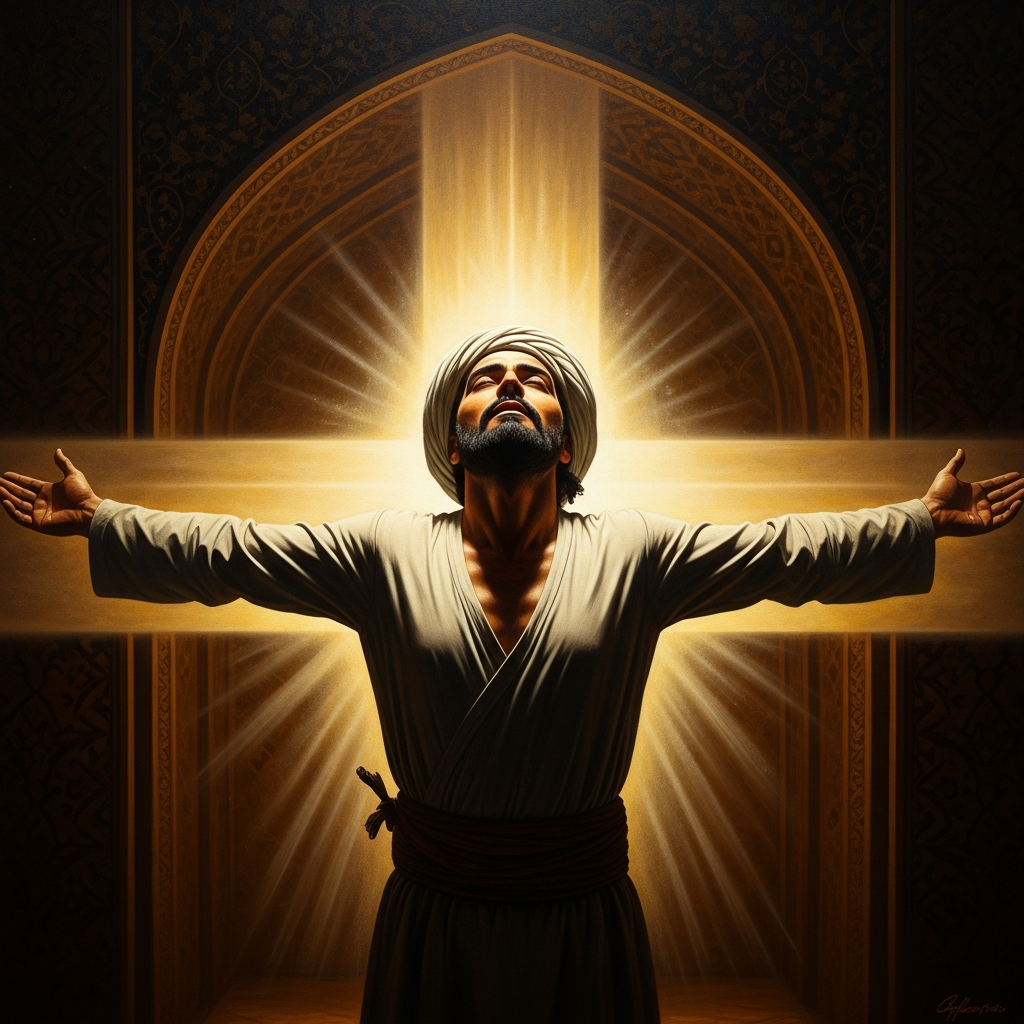
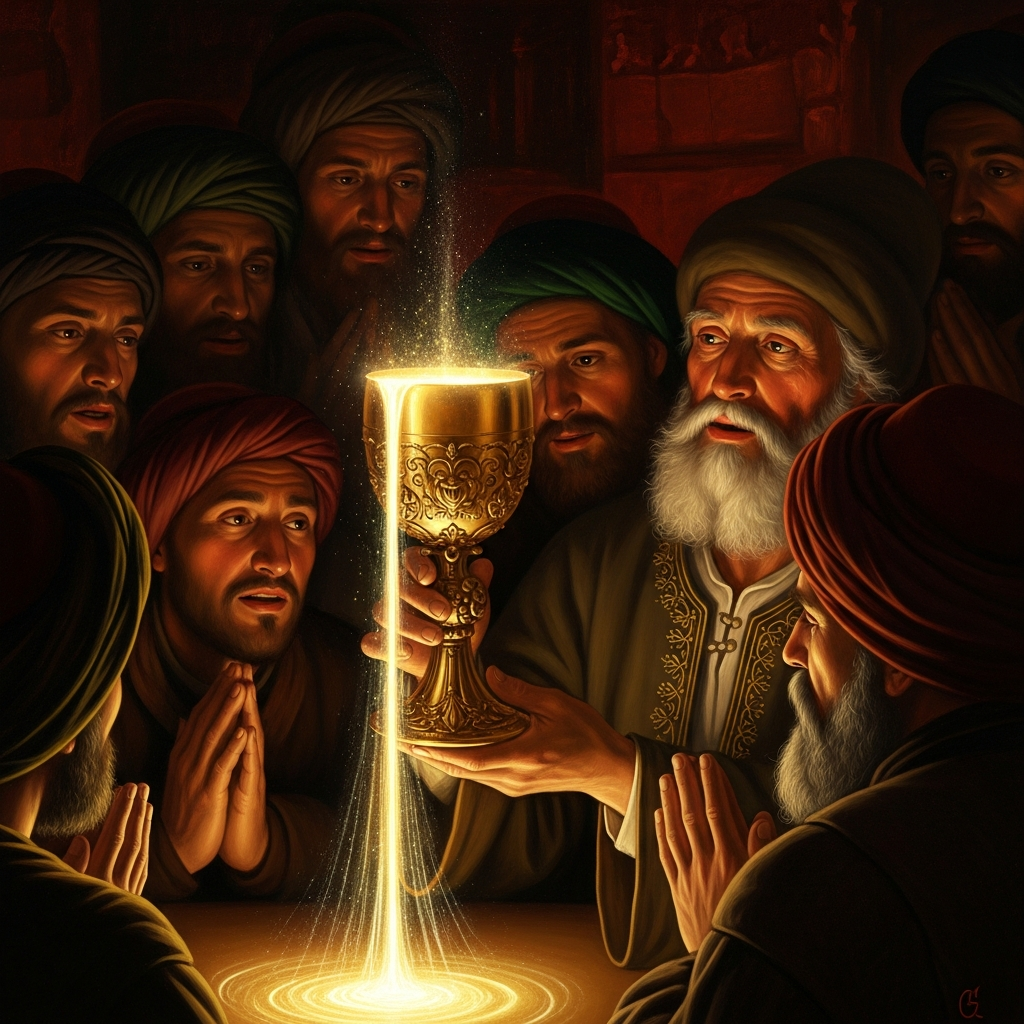
The human being is structured in parallel: jism (body), nafs (ego-soul, in seven stages), qalb (heart), ruh (spirit), sirr (the secret), khafi (the hidden), and akhfa (the most hidden). The latif al-ilahi — the divine subtlety — sits at the core. The Sufi path is the gradual polishing of these inner organs of perception until the heart becomes a mirror in which God sees Himself.
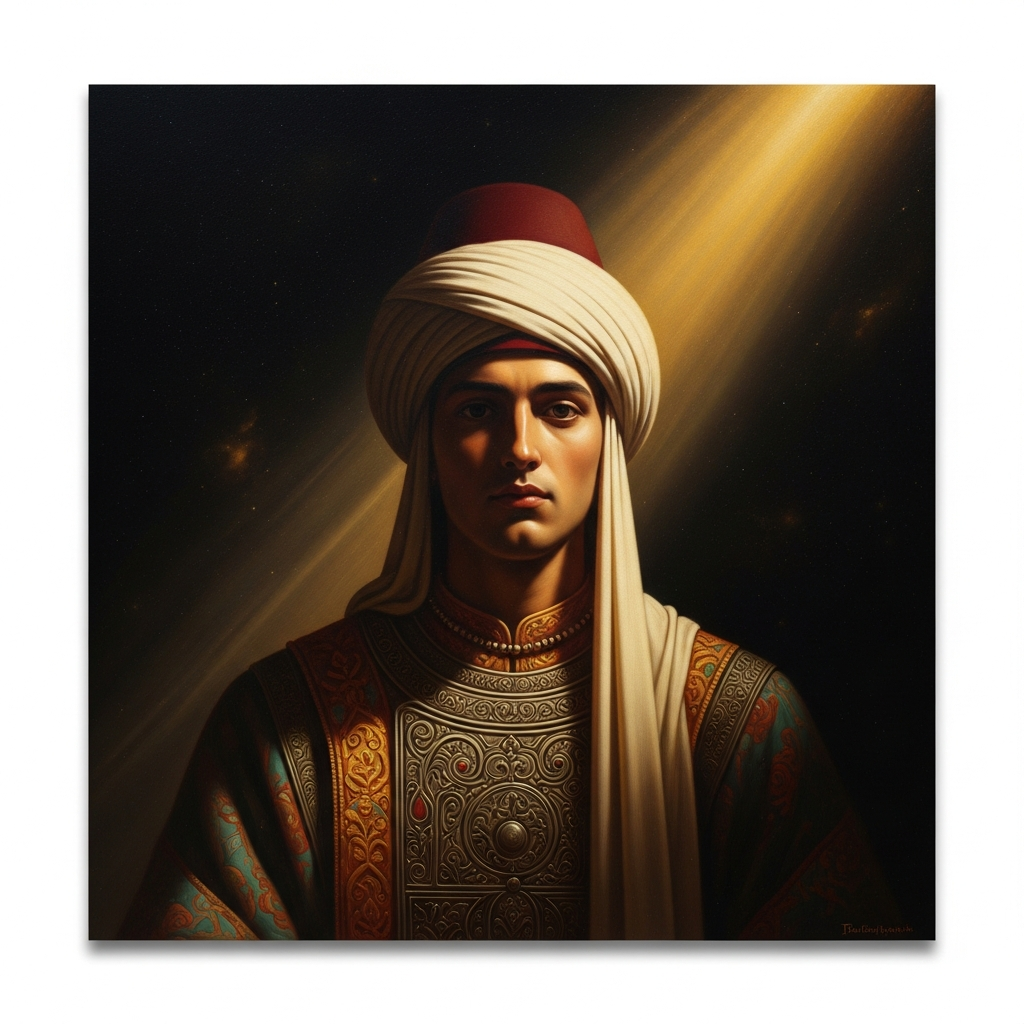
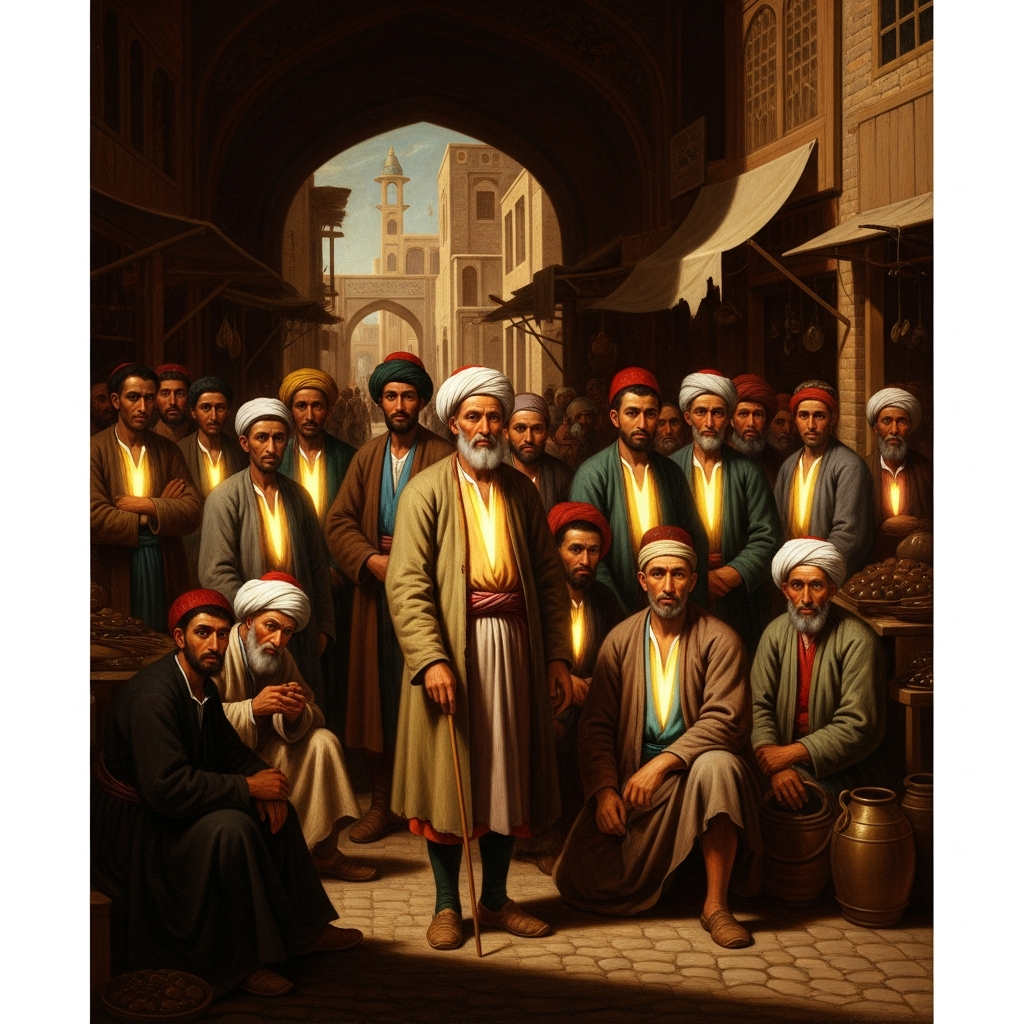
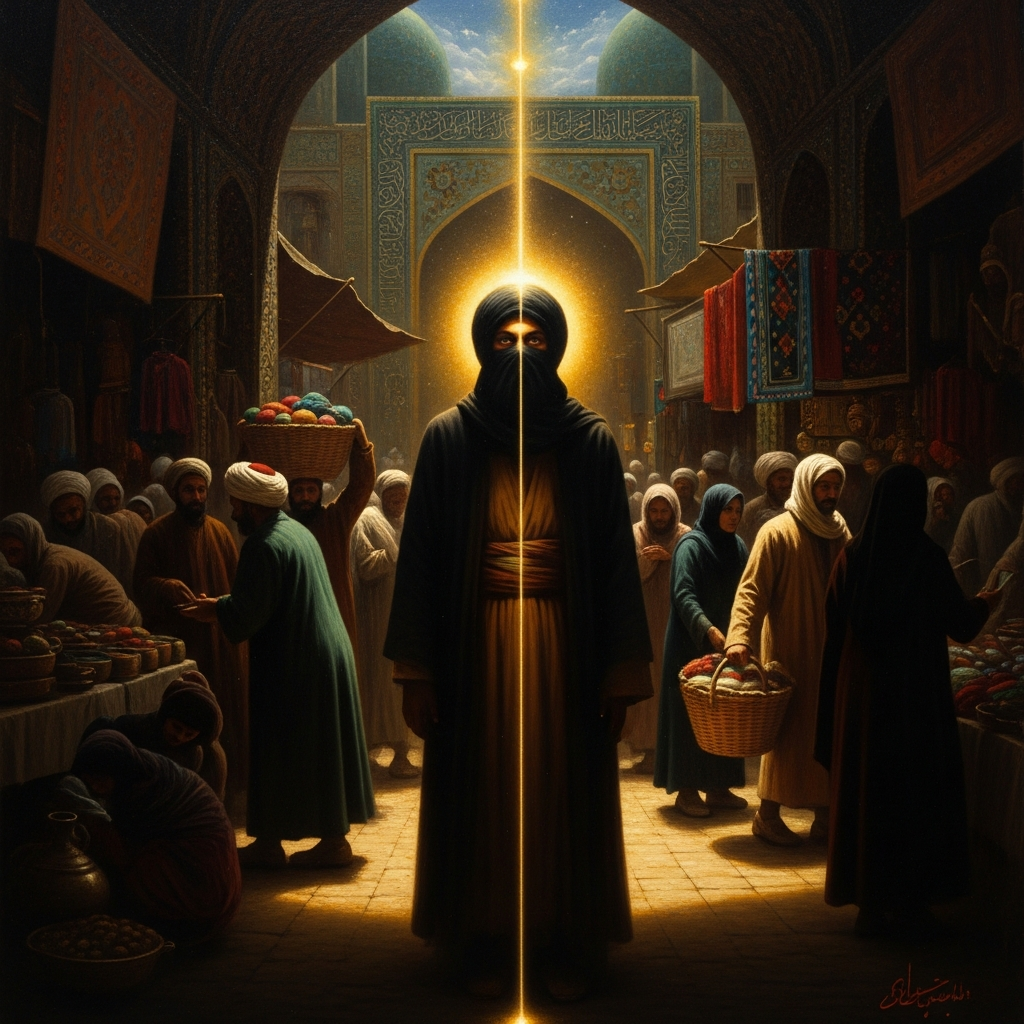
Above the cosmos sits the Qutb — the spiritual Pole — beneath whom are arranged a hierarchy of hidden saints: the Awtad (four pegs at the cardinal directions), the Abdal (forty substitutes), the Nujaba (the noble ones), and the Nuqaba (chiefs). The world is held together by these unseen saints, most of whom do not even know their own rank.