Combat Profile
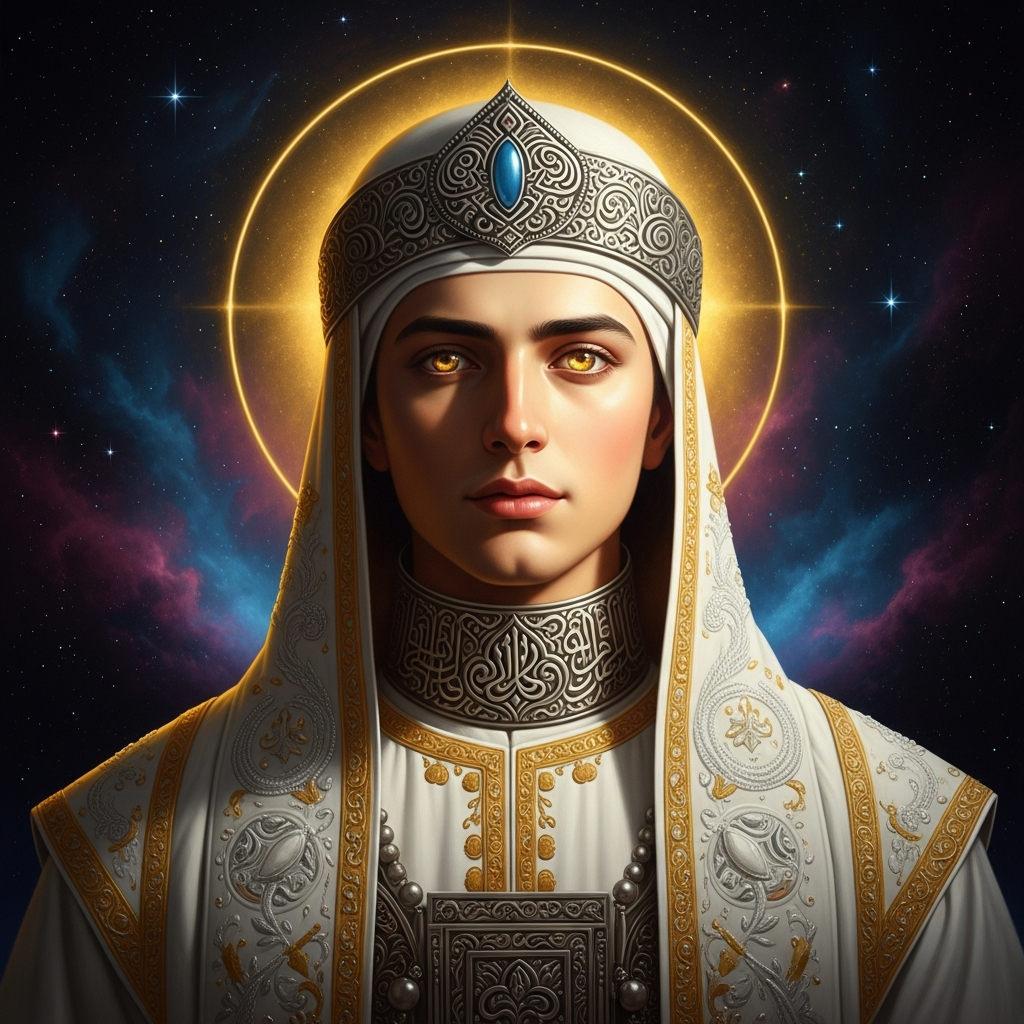
Mirror of the Thirty
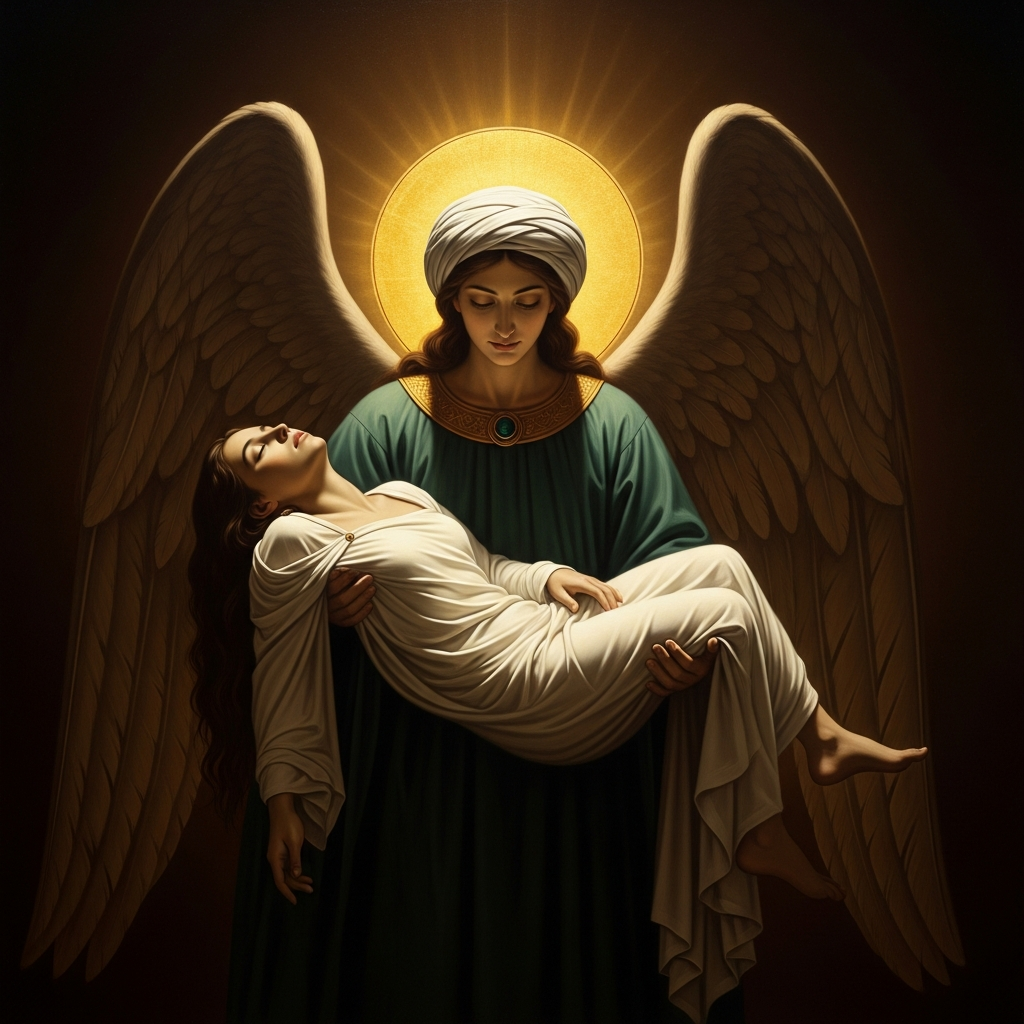
Those who reach the Simurgh discover that the journey was the destination and that the King they sought is the polished face of the seeker who survived the seeking.
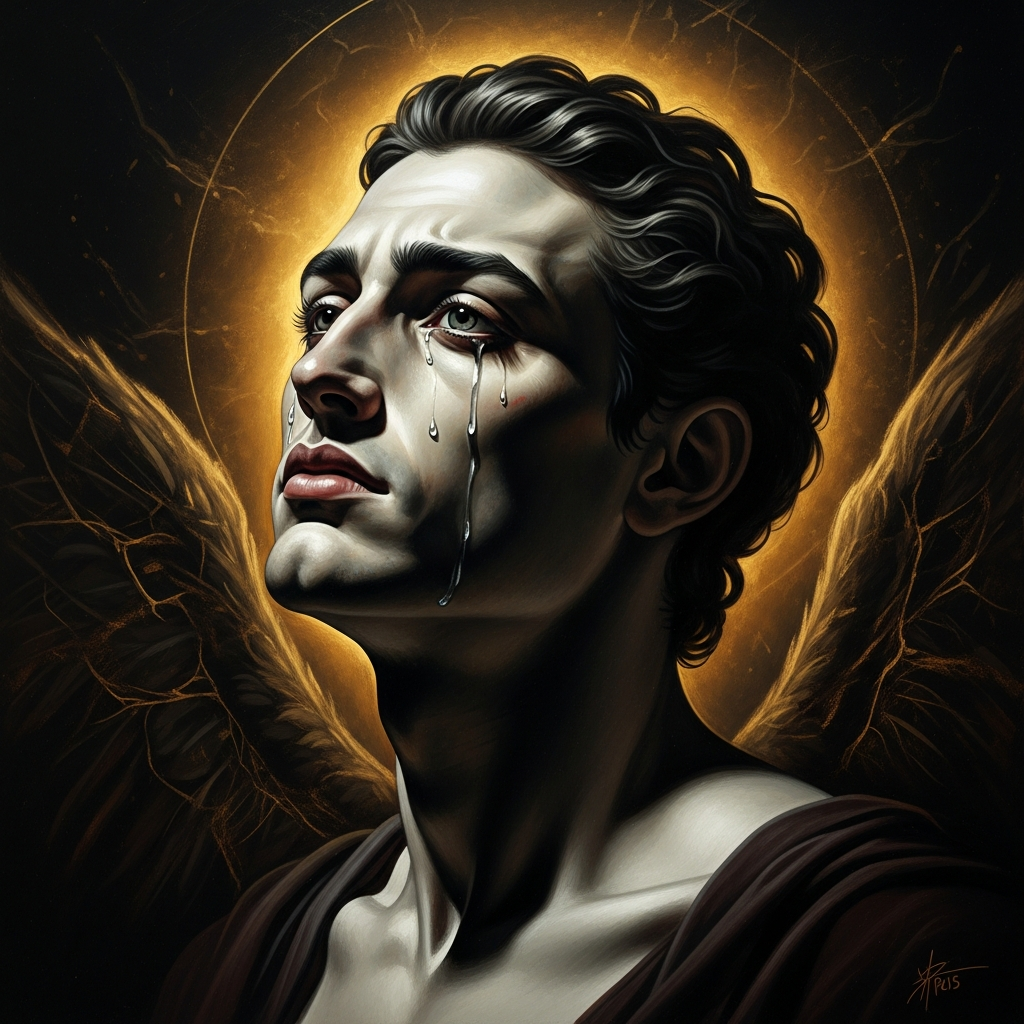
Mount Qaf
The Simurgh dwells beyond the seven valleys; she cannot be sought directly, only approached by being unmade, and her presence reveals every other goal as a mistranslation.
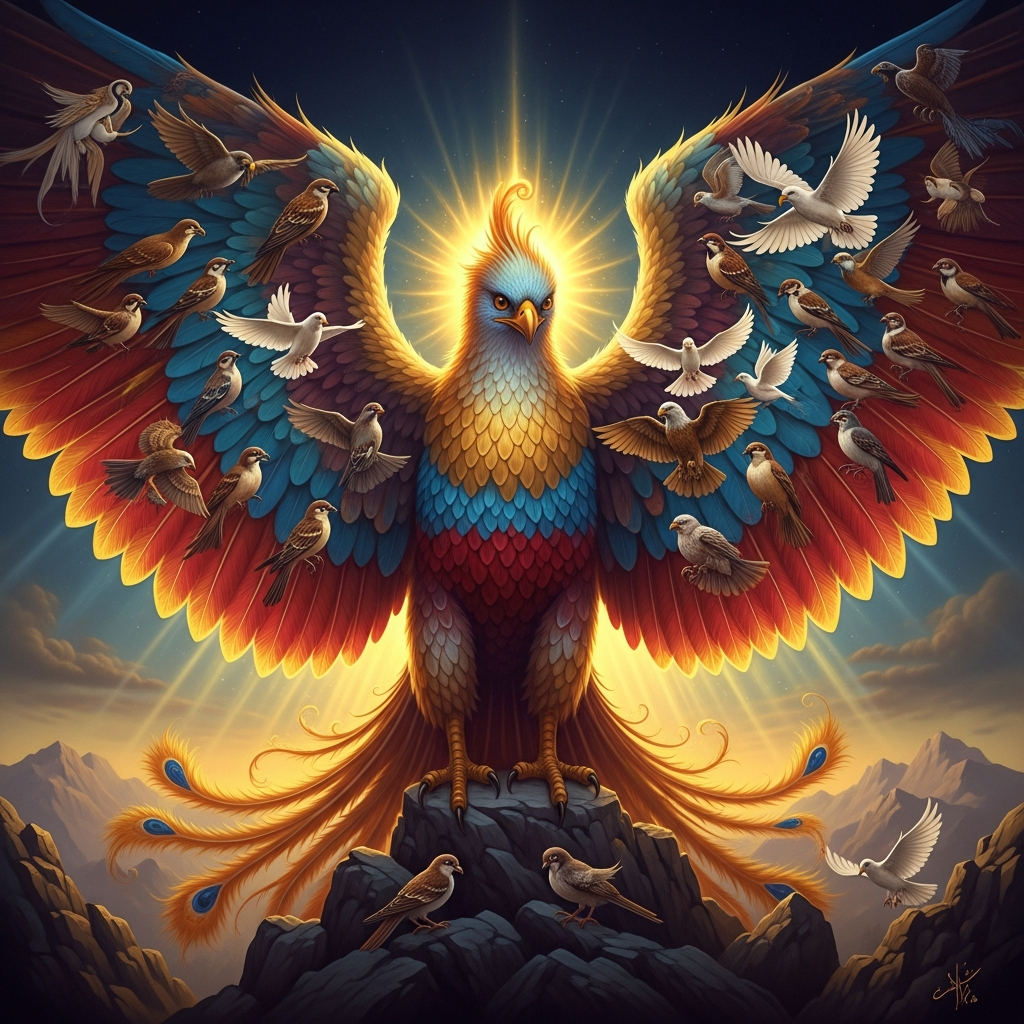
In Farid al-Din Attar’s Mantiq al-Tayr (The Conference of the Birds, c. 1177), the birds of the world gather to seek their king. The hoopoe — herald of Solomon, knower of secrets — tells them their king is the Simurgh, who dwells beyond the seven valleys: the Valleys of Quest, Love, Knowledge, Detachment, Unity, Wonder, and Annihilation. The journey is brutal. Most birds die or turn back. Thirty (si murgh in Persian) survive the final valley. They look for the king, and there, in a mirror, they see themselves: si murgh — thirty birds — are the Simurgh. The goal of the quest was the quester, polished by the journey into the divine.
This is one of the great mystical allegories of world literature, and the Simurgh is one of its great figures. Older than Attar, the bird appears in Persian myth (the Shahnameh) as a vast, benevolent creature who dwells on Mount Qaf at the world’s edge, who raised the hero Zal in her nest, who is part lion, part dog, part peacock, with the face of a man. In Sufi cosmology she is the divine itself glimpsed as the soul’s deepest self — the Self, the Anima Mundi, the One who is reached only when the seeker has been so emptied that what remains is what was sought.
Biblical Parallels: The Simurgh corresponds to the Wisdom (Sophia) of Proverbs 8 — the divine feminine who plays before God in creation — and to the Holy Spirit descending as a dove (Matthew 3:16). Christian mystics like Meister Eckhart and Jakob Böhme spoke of the Imago Dei — the image of God in the soul — that is uncovered, not constructed, by the spiritual journey. Augustine’s “Thou wert within me, and I outside” (Confessions 10.27) captures the structural insight of Mantiq al-Tayr. The seven valleys parallel John of the Cross’s stages of the spiritual ascent of Mount Carmel.
Cross-Tradition: The Simurgh parallels the Hindu Garuda (mount of Vishnu, divine eagle) and the Vedic Hamsa (the cosmic swan who symbolizes the Atman). In Chinese myth she is the Fenghuang (phoenix), in Egyptian myth the Bennu (the heron whose self-immolation prefigures rebirth), and in Greek myth the Phoenix who rises from her own ashes. Jung saw the type as the Self — the integrating archetype that the ego mistakes for an other and finally recognizes as its own deepest ground.
2 min read