The Story
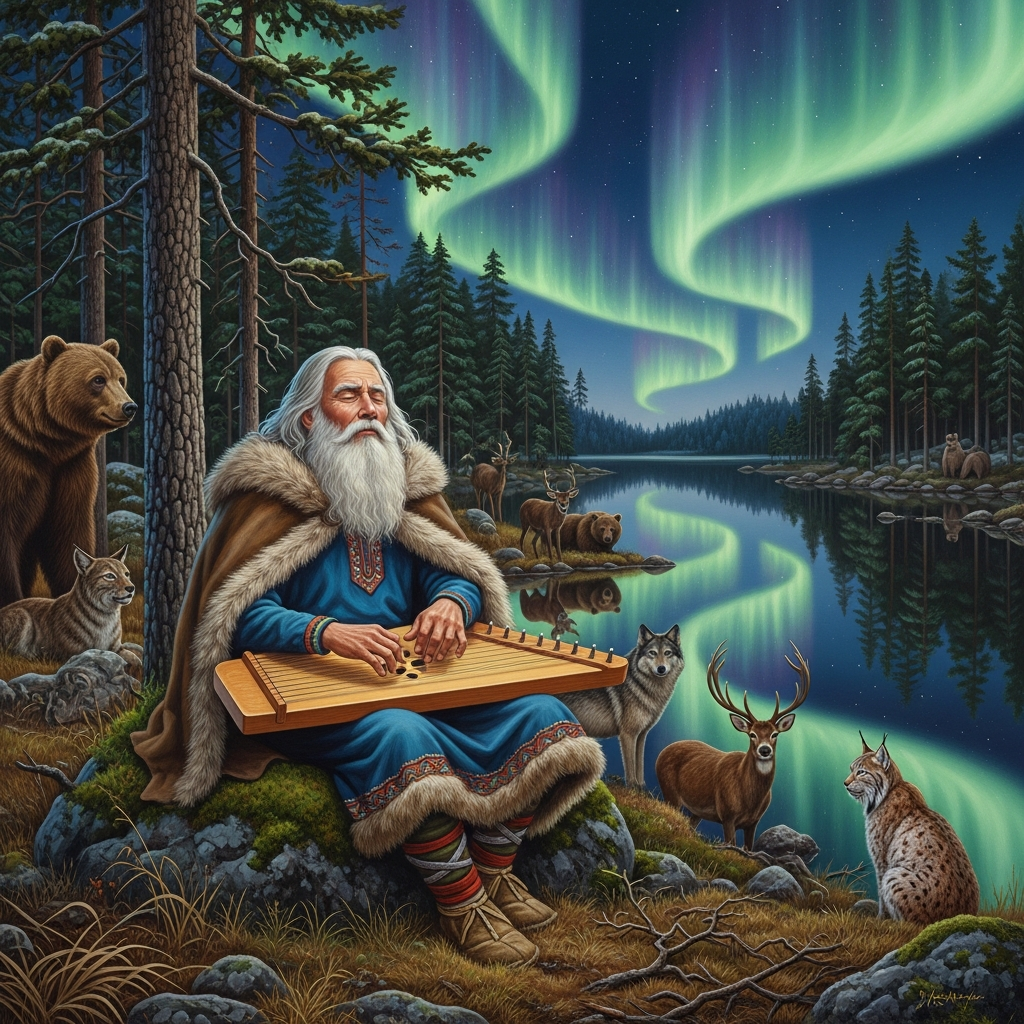
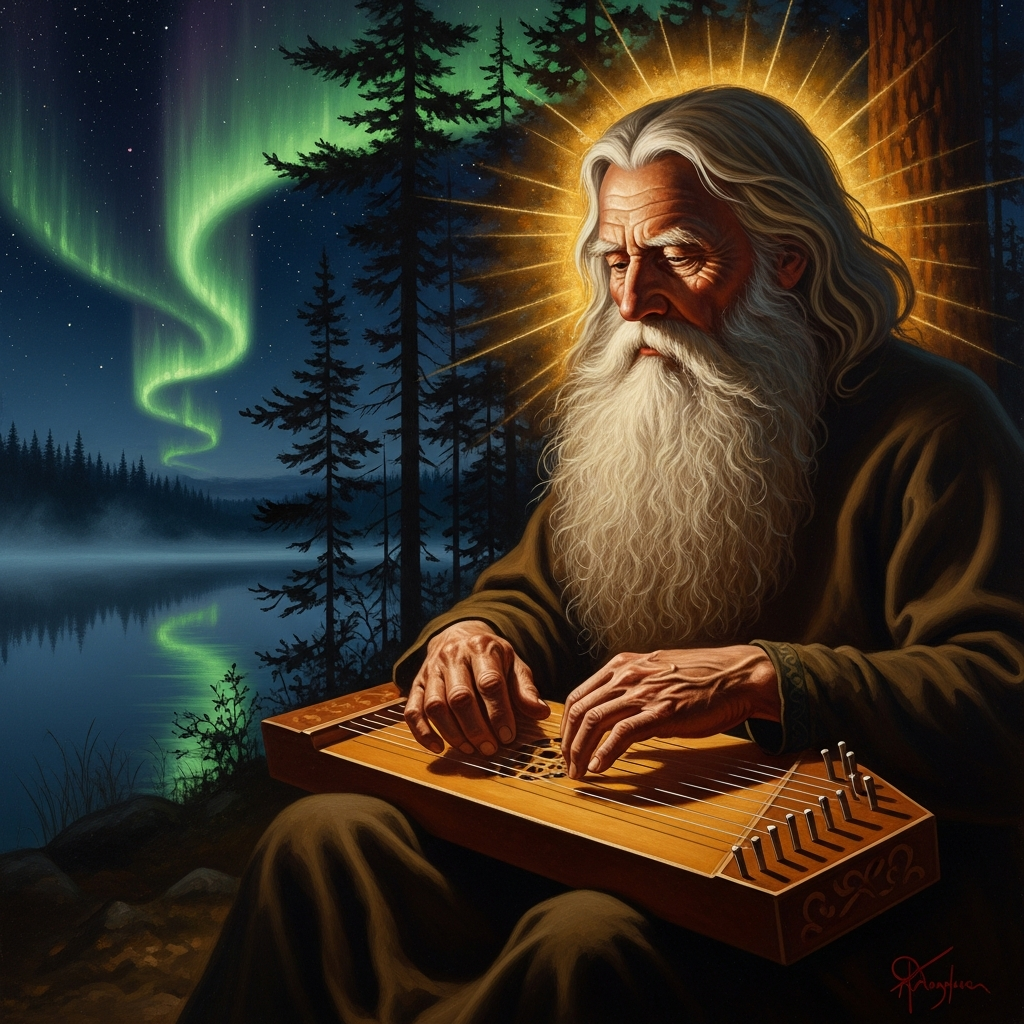
Finnish mythology is, in a precise sense, a recovered mythology — an Iron Age oral tradition that survived a thousand years of Christian rule by hiding in folk songs sung at weddings, harvest festivals, and bear-funerals deep in the eastern forests, then was rescued in the early nineteenth century by a country doctor who walked from village to village with a notebook. Elias Lönnrot’s Kalevala (first edition 1835, expanded 1849) stitches together more than 22,000 verses of trochaic tetrameter — most of them collected from Karelian runolaulajat (rune-singers) on Finland’s eastern frontier — into a national epic that became the foundation of modern Finnish identity, inspired Sibelius and Tolkien, and rescued from oblivion an entire pantheon and cosmology that no other source preserves.
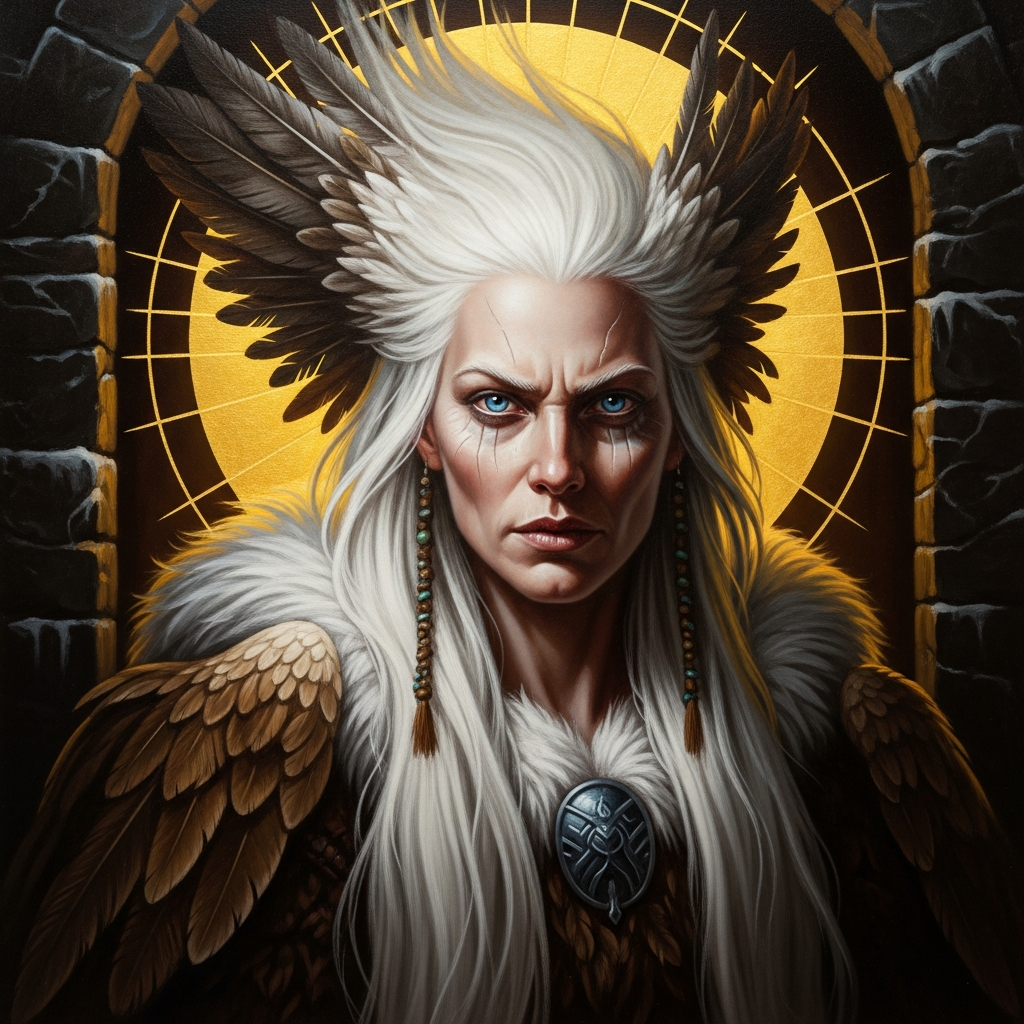
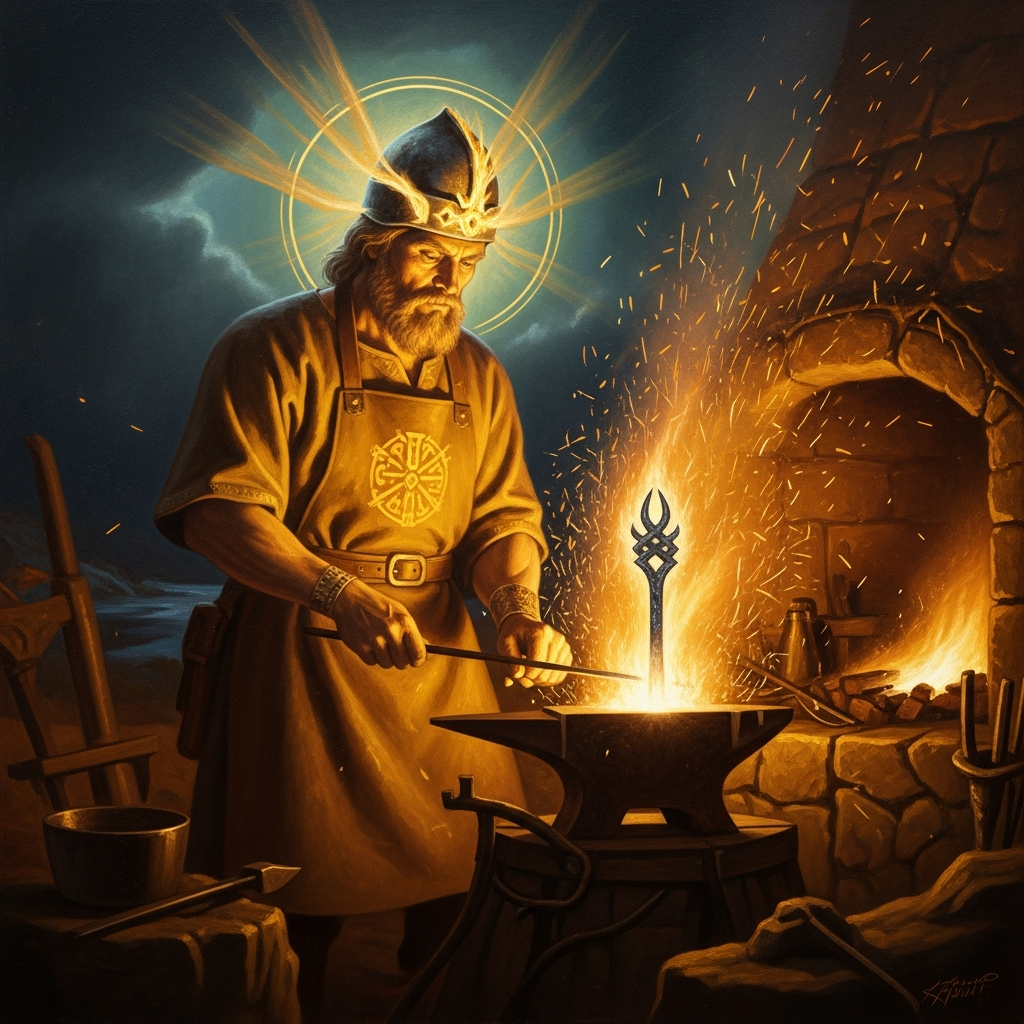
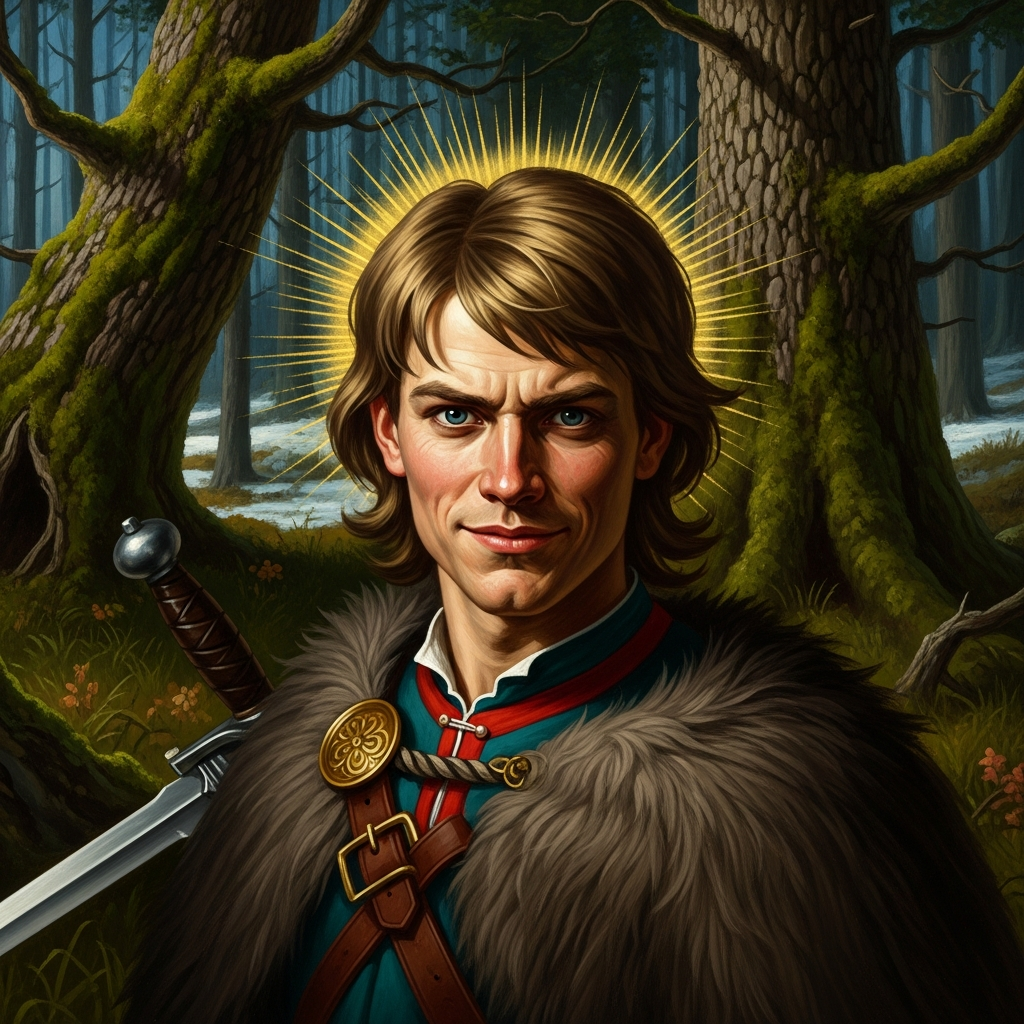
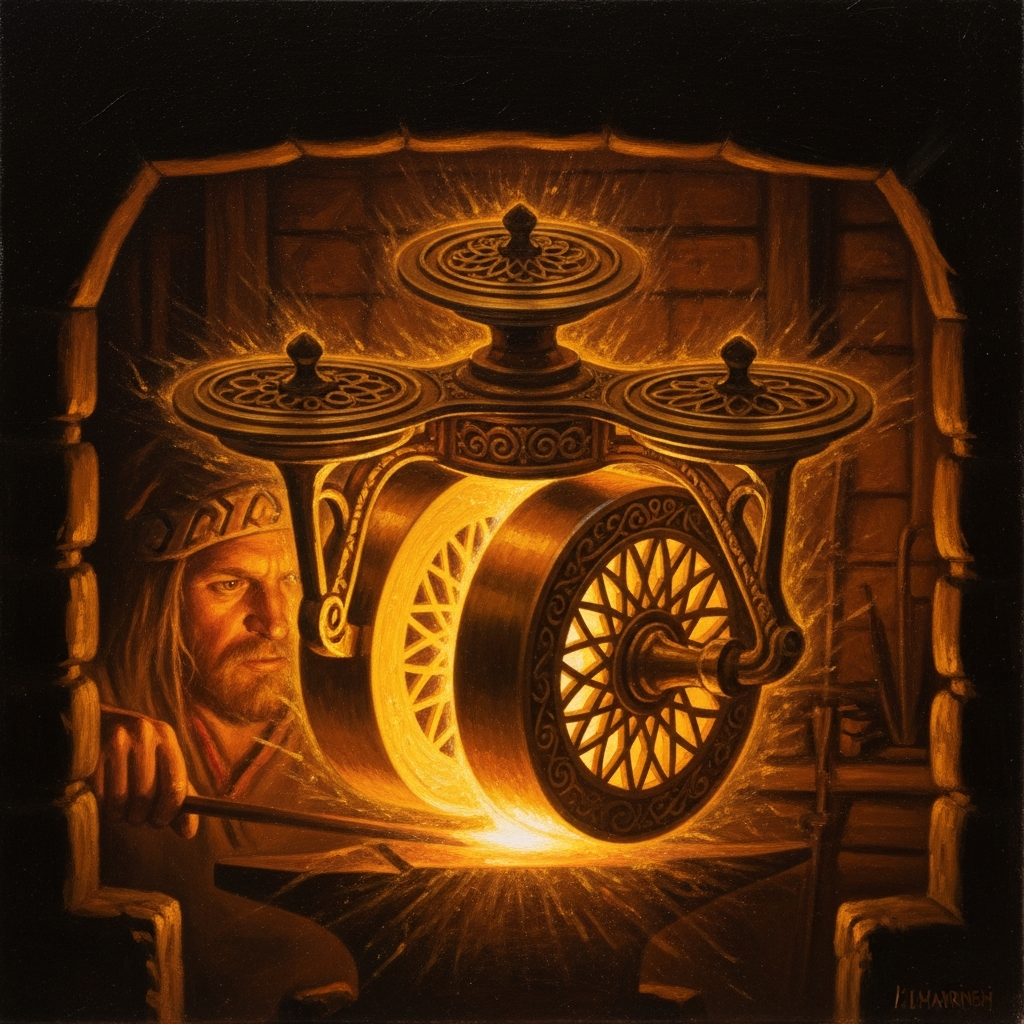
The world of the Kalevala is a forested, wintry north populated by shaman-heroes, taciturn smiths, magical Sami, lake-spirits, talking trees, and a powerful witch-queen who rules the dark land of Pohjola at the top of the world. The cosmos is shamanic: heroes do not so much fight as sing, weaving incantations (loitsut) that bind their enemies, summon iron from the marsh, or open the gates of Tuonela, the underworld. The greatest deeds of the Kalevala are the forging of the Sampo — a magical mill that grinds grain, salt, and gold without stopping — and the long, doomed struggle to wrest it back from the witch Louhi who steals it. There are no temples, no priesthoods, and almost no organized worship in the surviving record. Religion is the song-spell muttered into the ear of an arrow before it flies, the bear-skull placed in the pine, the rune-staff carved with marks that work.
Christianity arrived late and held lightly. The Swedes Christianized the Finnish coast in the twelfth century (the Northern Crusades, ~1150-1300 CE), but the inland forests and the Karelian east kept singing the old songs long after Catholicism, then Lutheranism, took the cities. As late as the seventeenth century, Finnish bishops were still issuing edicts against the worship of Ukko and the offering of bear-skulls in the woods. By the time Lönnrot did his fieldwork in the 1820s and 1830s, the singers were old, the songs were fragmentary, and the tradition was within a generation of vanishing entirely. He arrived just in time. The result is one of the most extraordinary acts of cultural rescue in modern history.
Cosmology & Structure
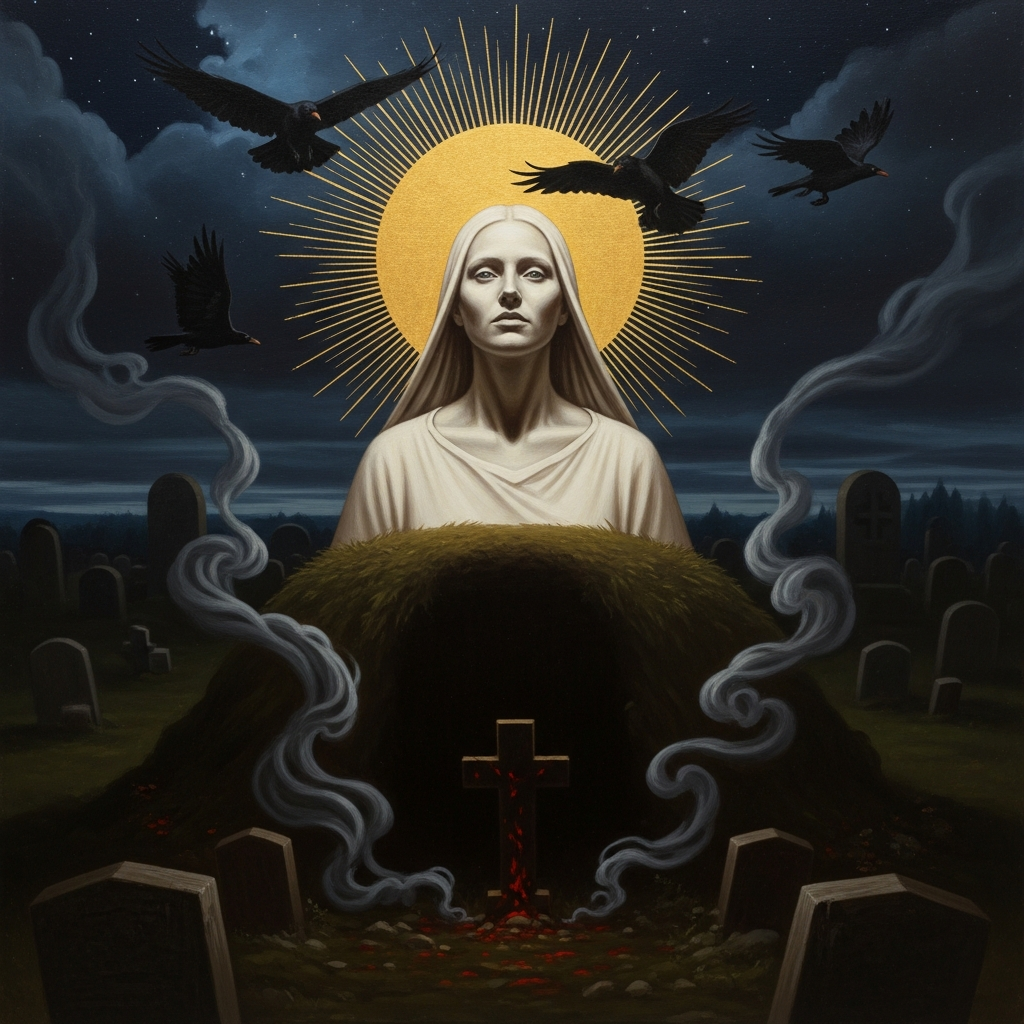
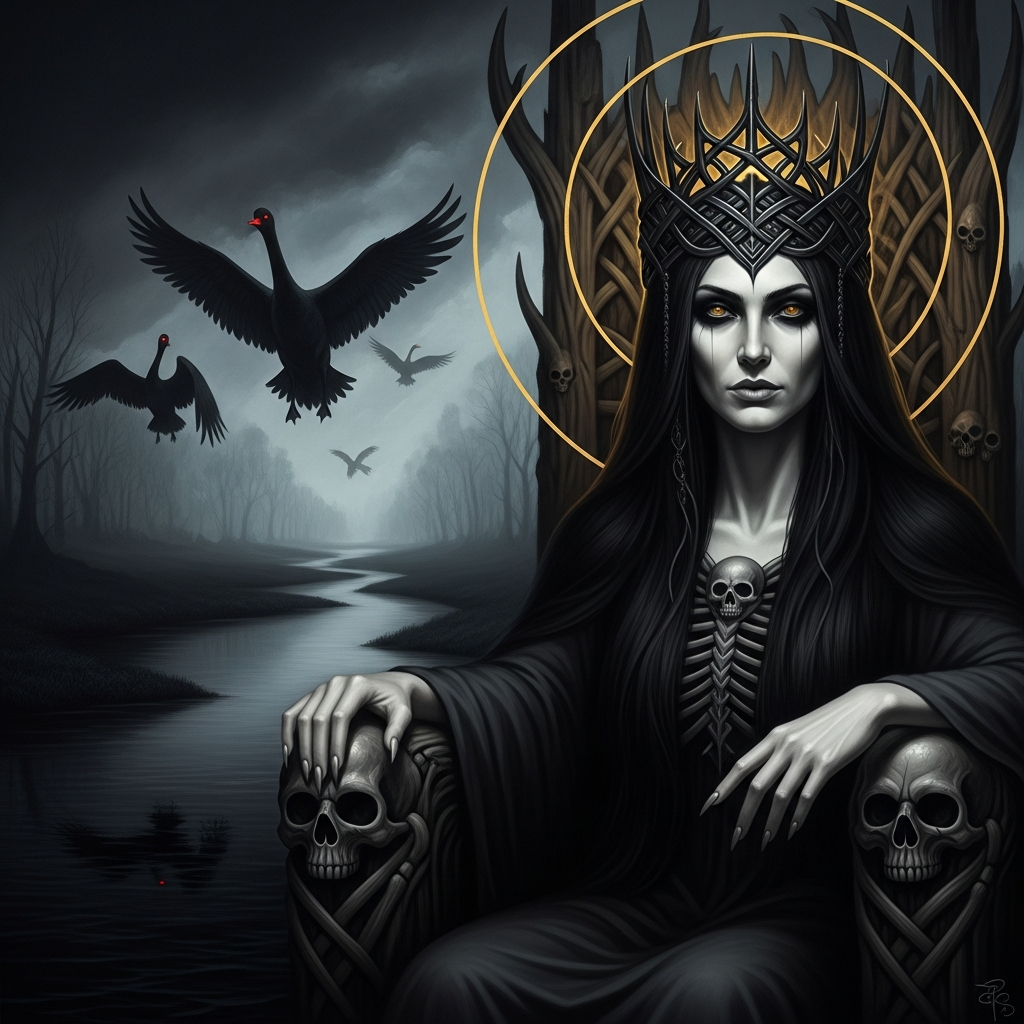
The Finnish cosmos is layered like the world-tree but oriented north-south rather than up-down. The sky-dome (Taivas) arches above, supported in some accounts by a cosmic pillar or the world-tree (Ilmapuu); below it lies Kaleva — the world of mortal heroes — and to the north, beyond the cold forests, is Pohjola, the gloomy land of frost, witches, and disease, where the sun is sometimes captured and the sky is darker. Beneath the earth flows the black river of Tuonela, the underworld, whose silent kingdom is ruled by Tuoni and his queen Tuonetar.
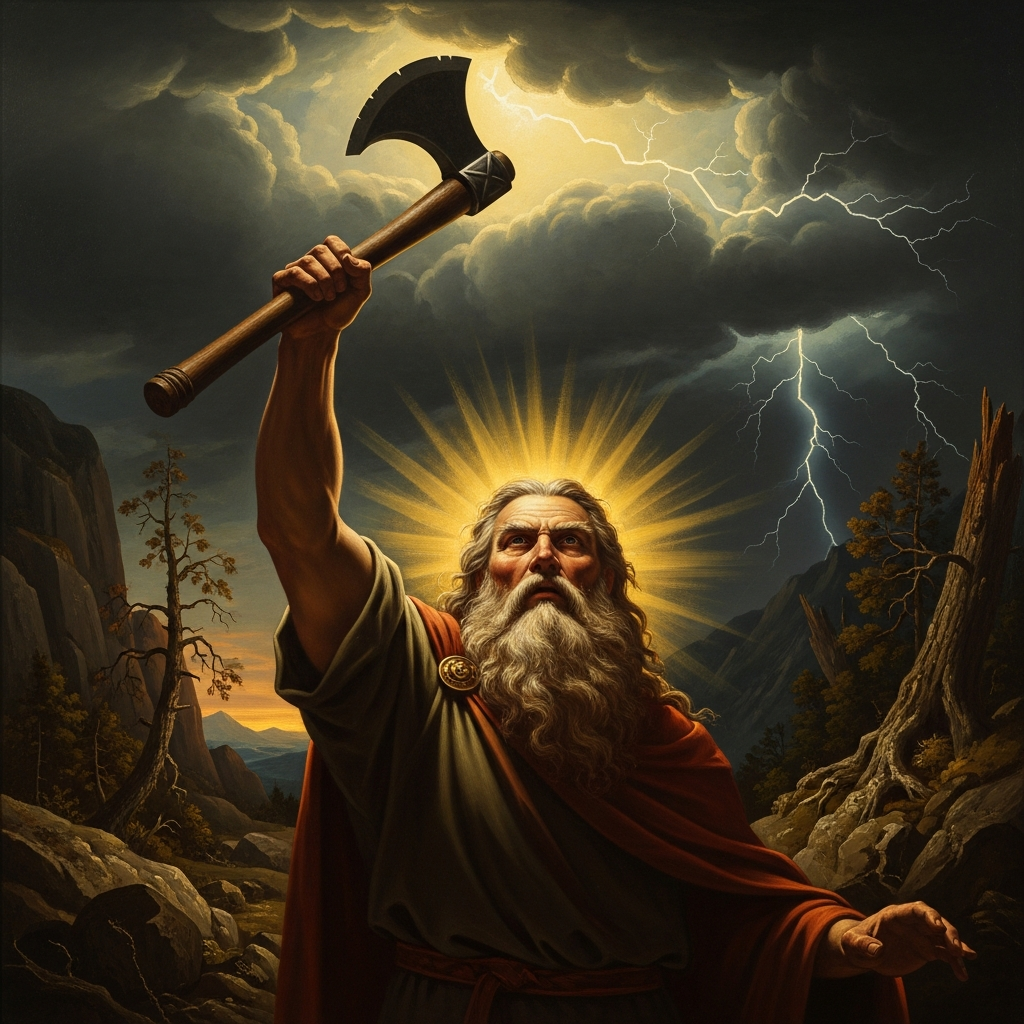
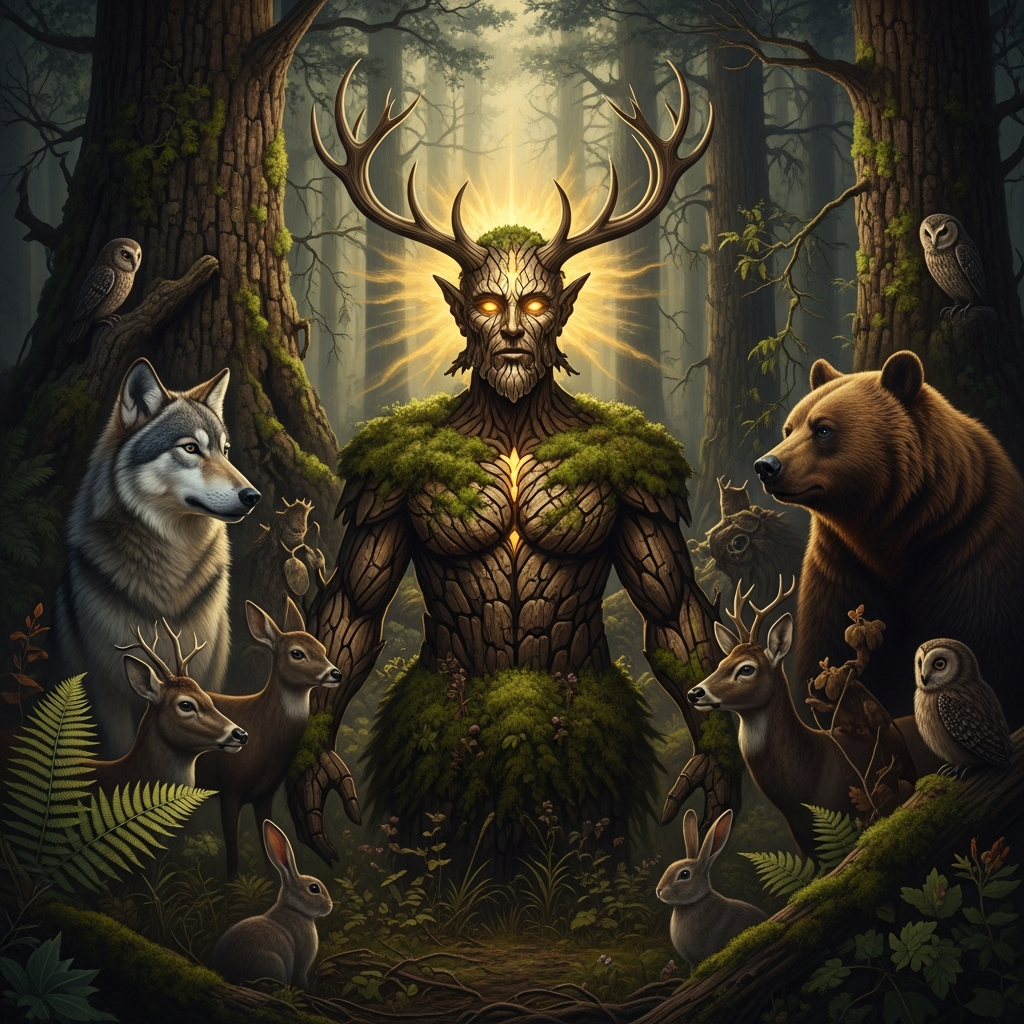
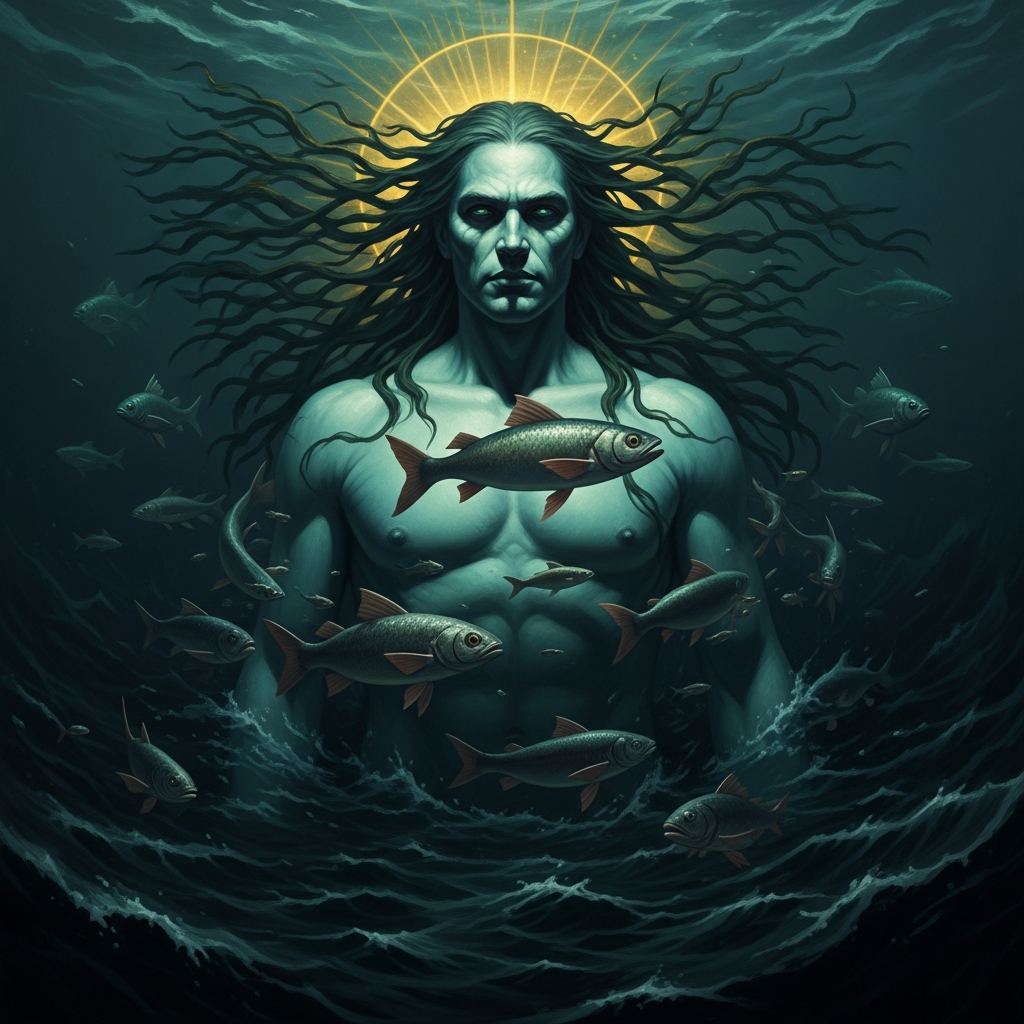
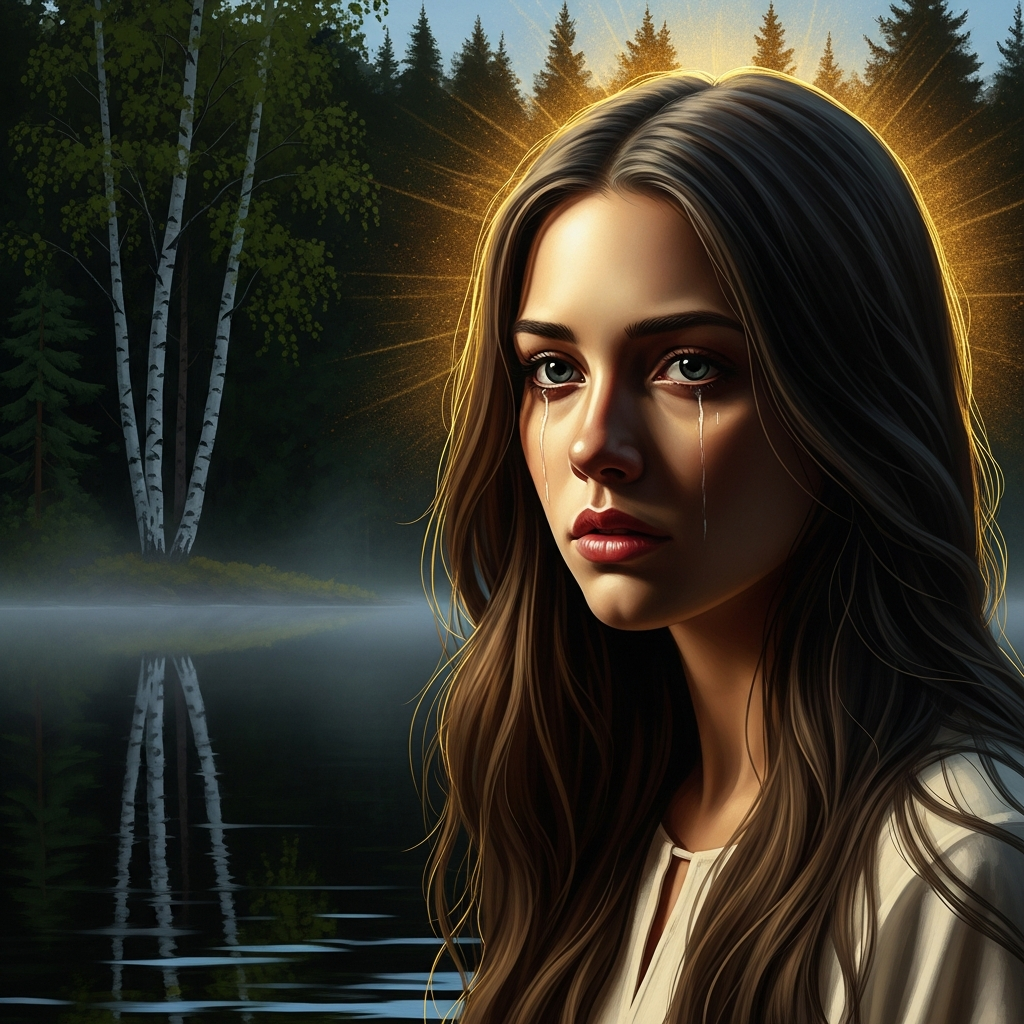
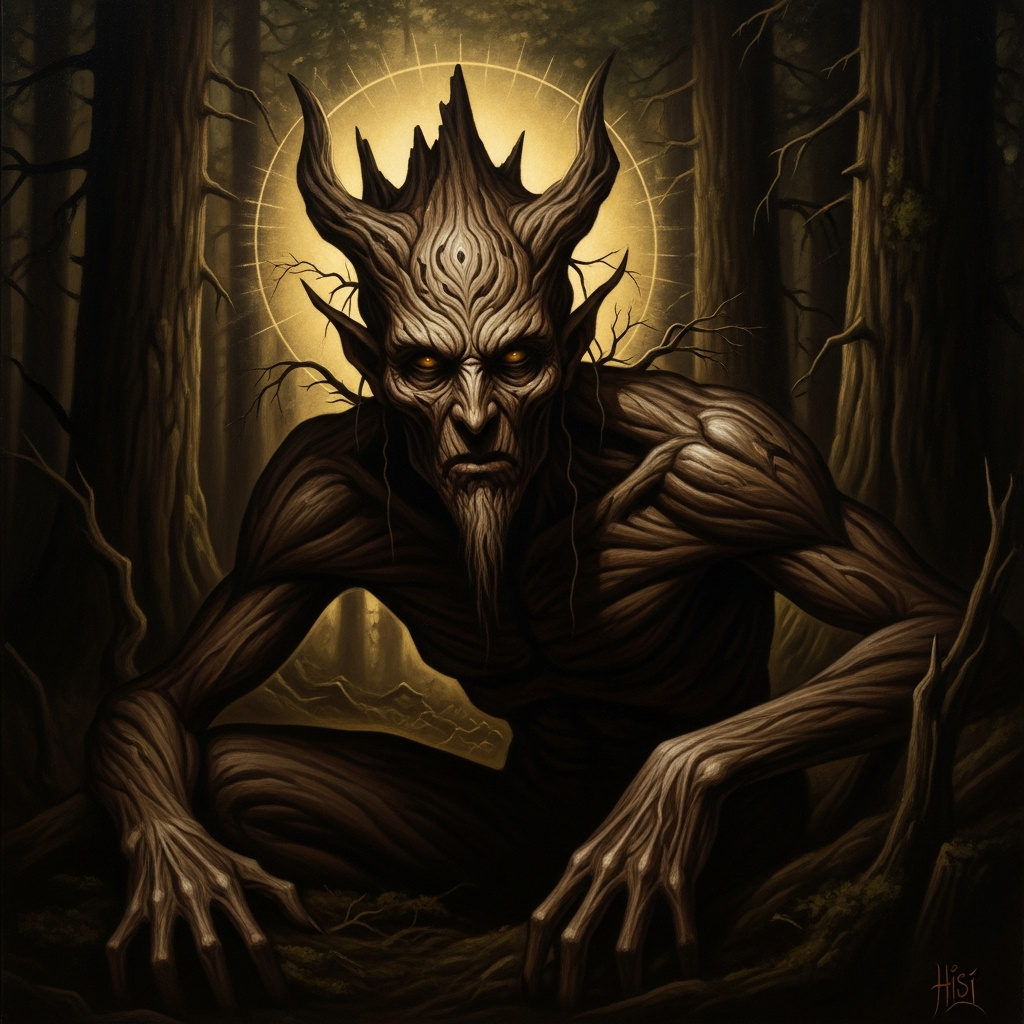
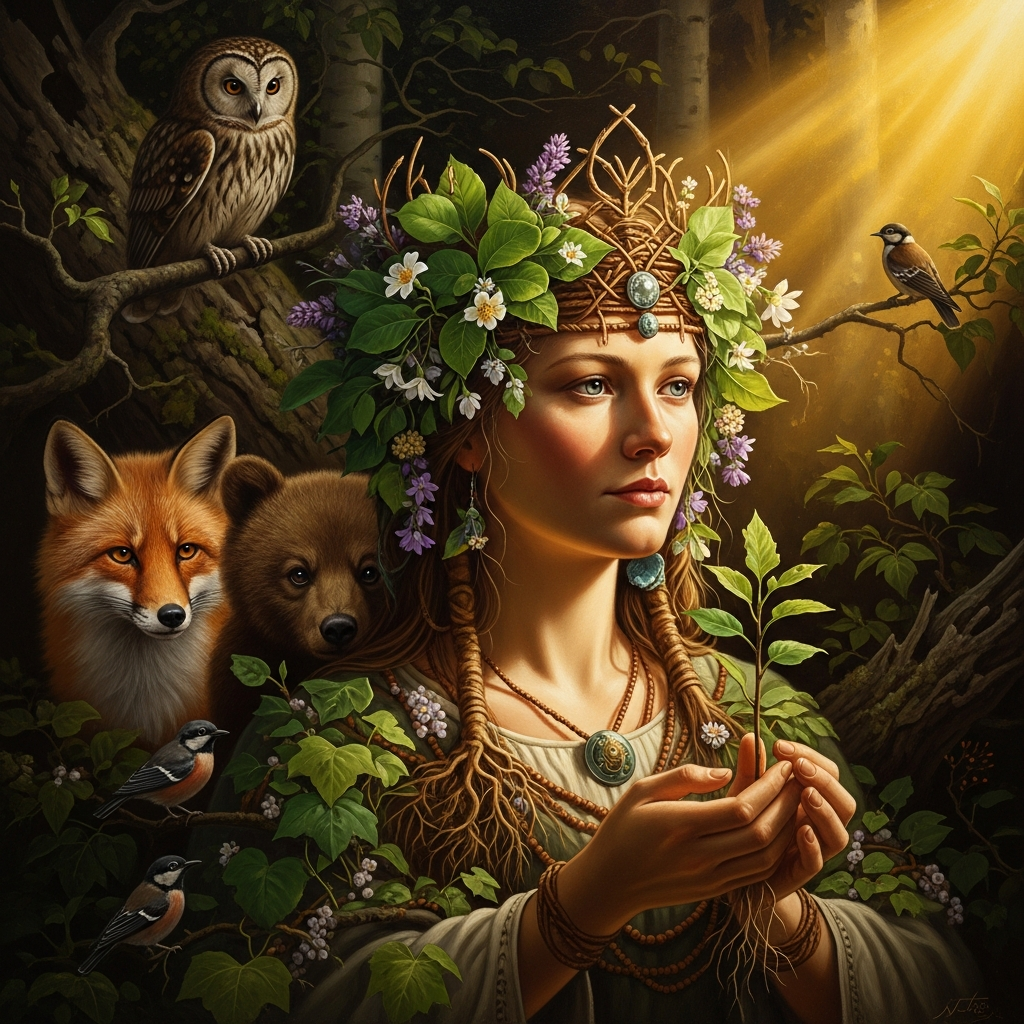
Above presides Ukko, the thunderer and sky-father, but his rule is loose and distant. There is no organized pantheon; the spirits and deities are scattered across the landscape — Tapio in the woods, Ahti in the lakes, Mielikki in the berry-bushes, Hiisi in the dangerous rocky places. Religion is local, transactional, and shamanic. Knowledge — tieto — is the central religious value, accessed through trance, dream, and especially through singing the right words in the right order. The shaman-hero who has learned the originating words (synty, “the origin”) of iron, of fire, of pain, of the bear, can command those forces.