Combat Profile
The Open Book
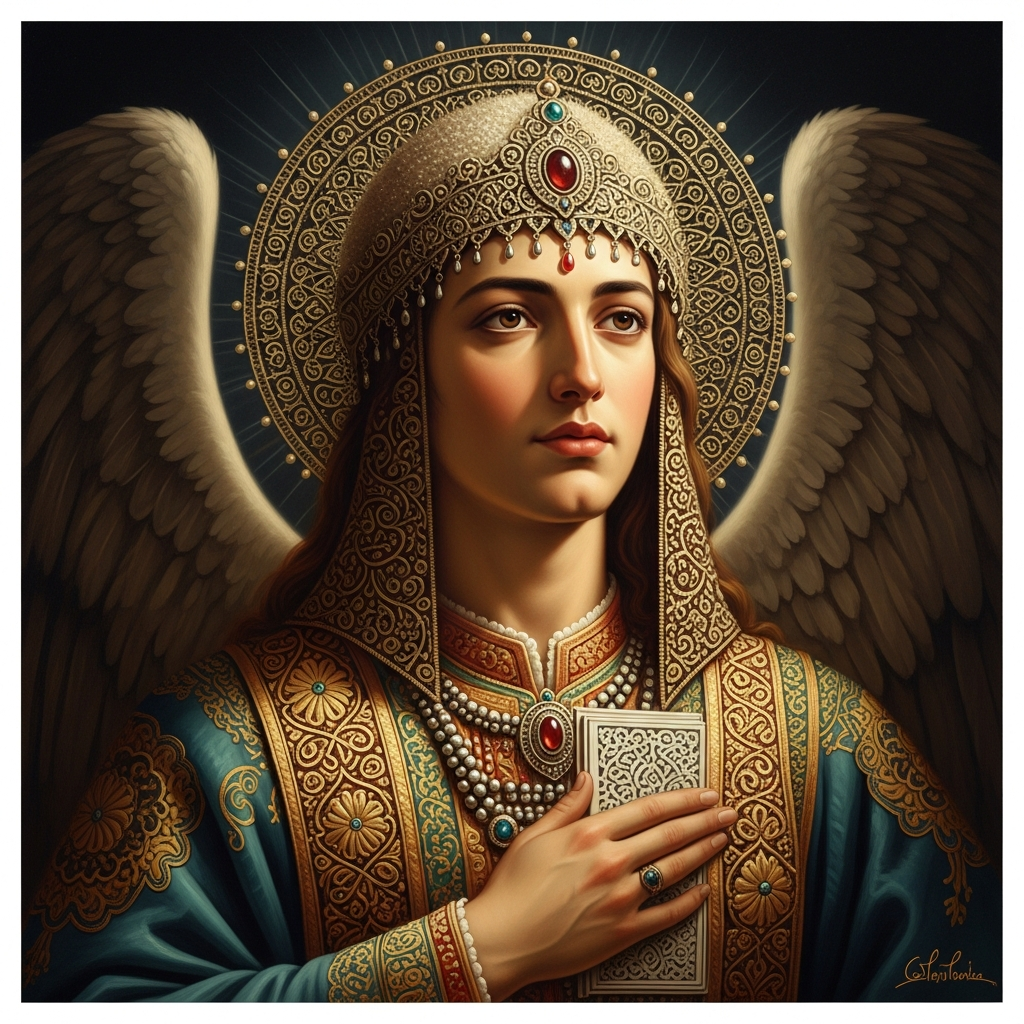
At death, the angels present the soul with its own life, every deed transcribed in the soul's own hand; nothing can be denied because nothing was unobserved.
Twin Witnesses
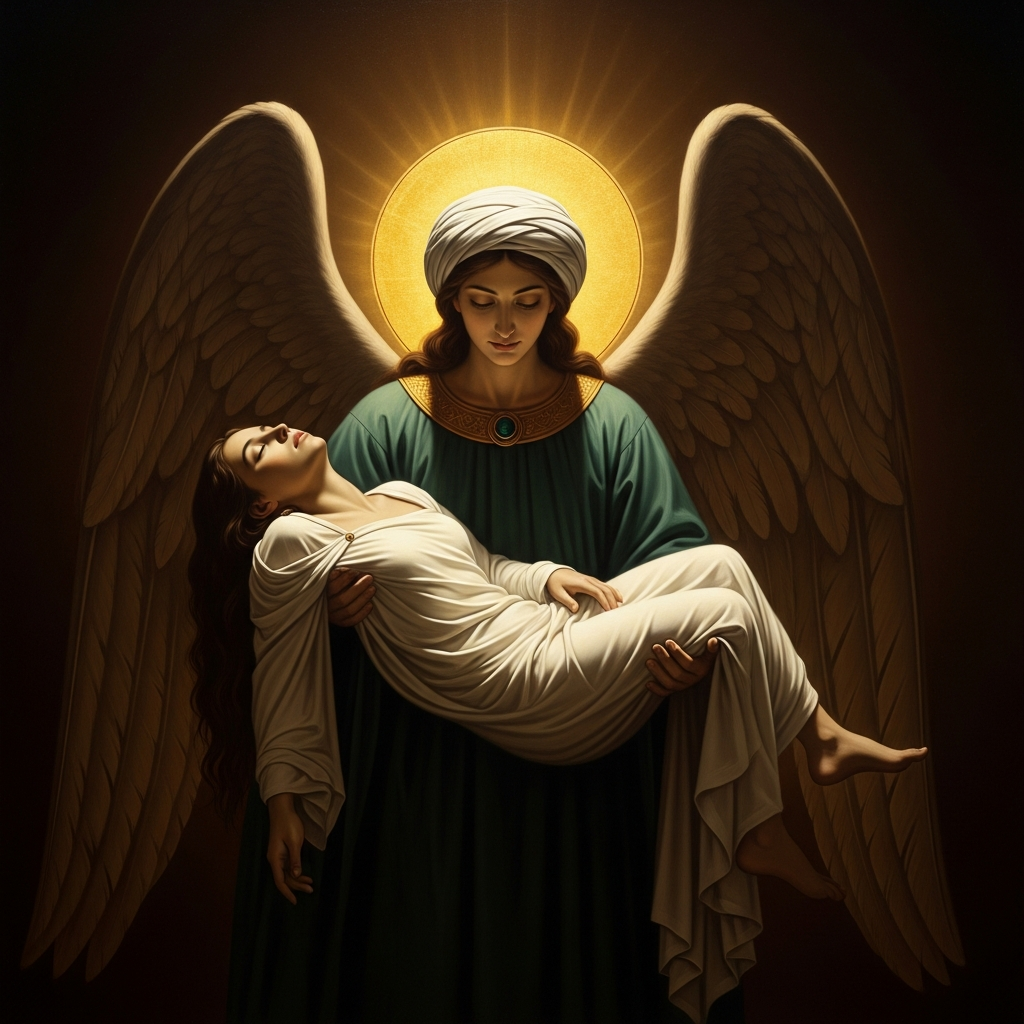
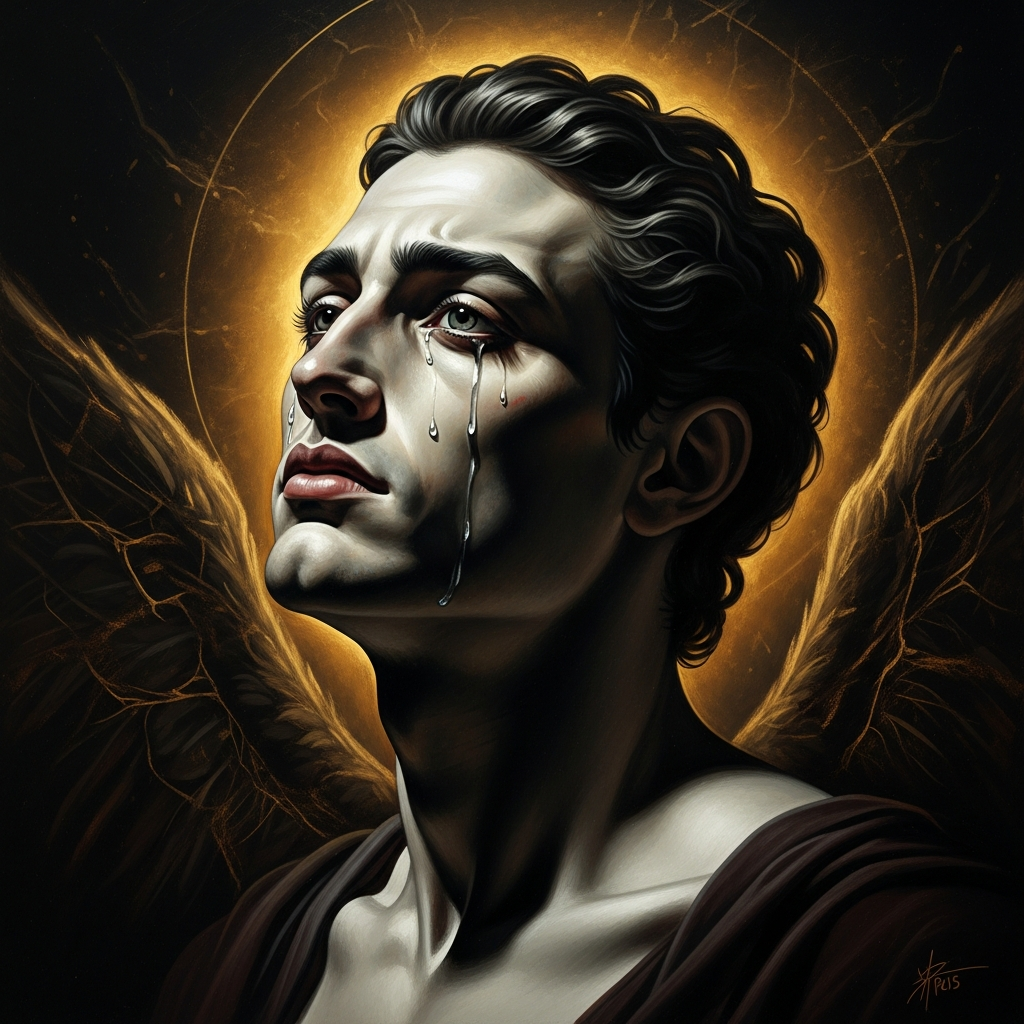
Two angels accompany every human; their gaze raises the moral weight of every action, their record persists beyond death, and their presence makes every hidden deed already public to heaven.
The Malaika al-Hafaza (Guarding/Recording Angels) are the unseen attendants assigned to every human being. By Quranic tradition (Surah Qaf 50:17-18, Surah al-Infitar 82:10-12) two angels — the Kiraman Katibin, “Noble Recorders” — sit one on each shoulder of every human, recording every deed: the angel on the right transcribes good deeds, the angel on the left records ill, with various traditions specifying delays for repentance. Other angels guard the body from harm, accompany the soul through sleep, witness prayers, and bear the soul’s deeds upward at death.
In Sufi cosmology these angels are not bureaucratic clerks. They are participants in the moral universe — beings whose existence ratifies every act, whose witness raises the stakes of every gesture, whose presence renders solitude impossible. To know they are watching is to be drawn into a more careful posture; to know they are also praying for you is to be lifted by a love you did not ask for. They are the cosmic memory of every human life.
Biblical Parallels: The Malaika al-Hafaza correspond to the recording in the “books” of Revelation 20:12 (“The dead were judged according to what they had done as recorded in the books”) and to the heavenly book of life (Philippians 4:3, Revelation 3:5). They parallel the Christian guardian angel tradition — Matthew 18:10’s “their angels in heaven always behold the face of my Father” — and the Jewish Shomrim (guardian spirits). The notion of cosmic witness echoes Hebrews 12:1’s “great cloud of witnesses.”
Cross-Tradition: The recording angels parallel the Egyptian Maat tradition where the heart is weighed against the feather and Thoth records the verdict. In Tibetan Buddhism, Yama and his attendants likewise hold a mirror that reveals all deeds at the moment of death. In Hindu tradition, Chitragupta — Yama’s scribe — keeps the Karma Bahi, the ledger of every soul’s deeds.
1 min read