Combat Profile
Divine Sculptor
Obatala reshapes mortal forms and destinies, healing deformities and infirmities while granting profound moral clarity to those who seek judgment.
Sanctity of Purity
All around Obatala are shielded from corruption and falsehood; truth cannot be hidden in their presence, and the disabled receive strength of spirit equal to any whole-bodied soul.
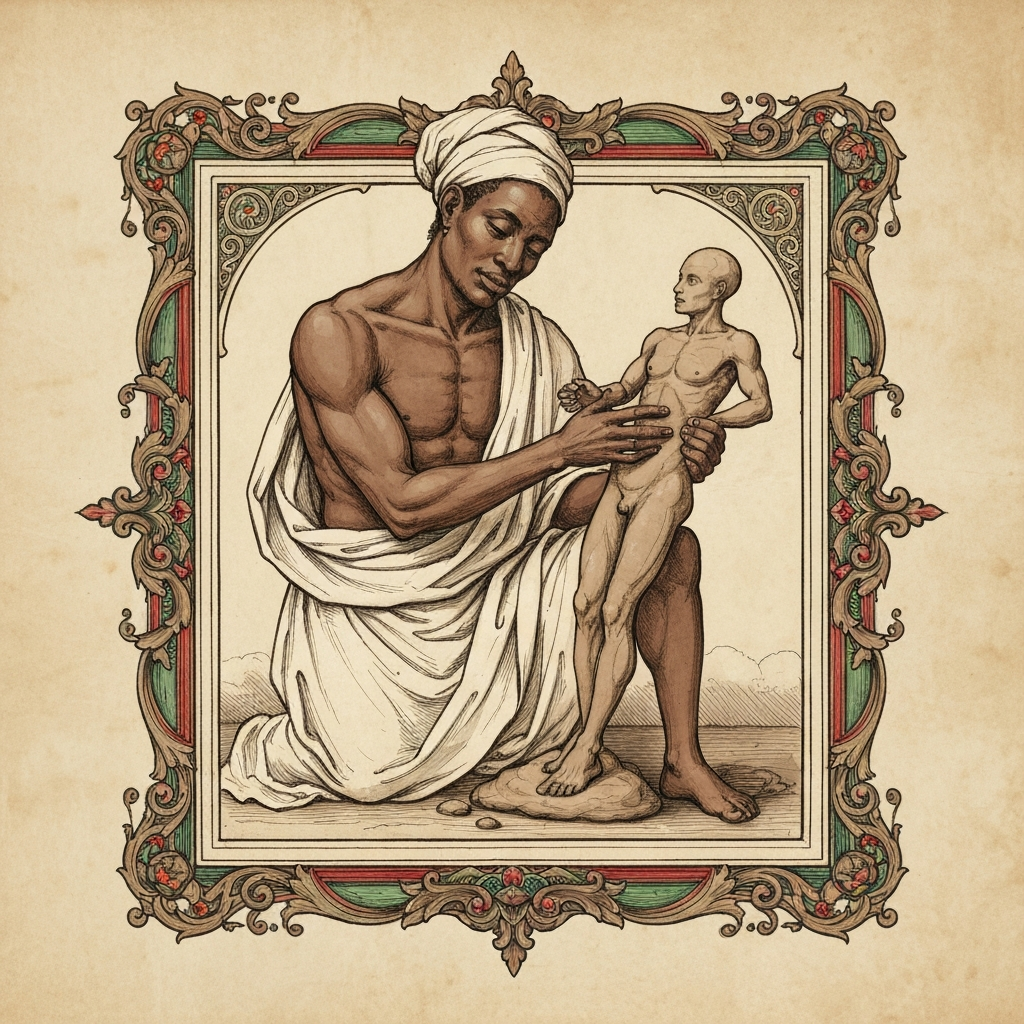
Palm wine. In the central creation myth, Obatala got drunk on palm wine while shaping human bodies from clay, and the bodies he formed while intoxicated were misshapen -- this is the Yoruba explanation for physical disability. The theological implication is remarkable: disabled people are not cursed but are Obatala's special children, formed by his own hands, sacred to him
“Obatala shapes the child in the womb. Every human being is his handiwork.” — Yoruba proverb
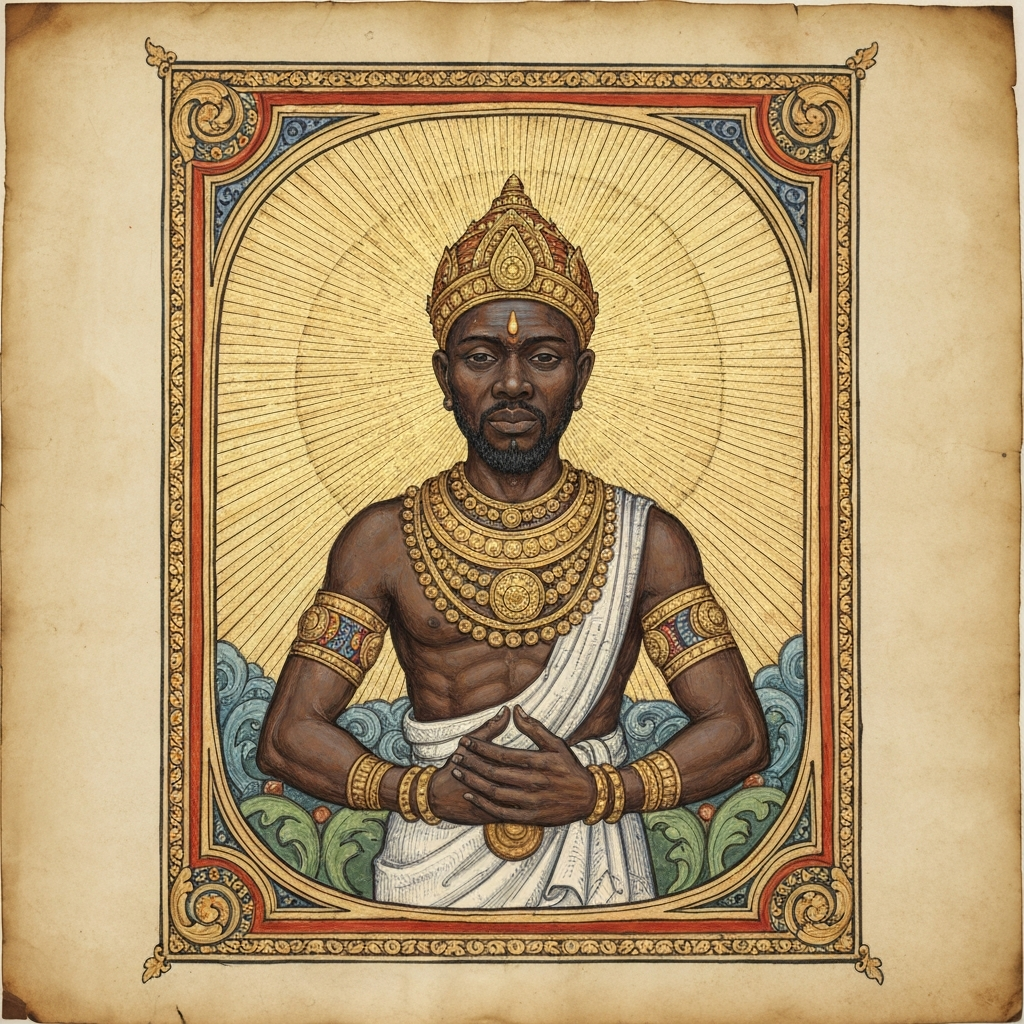
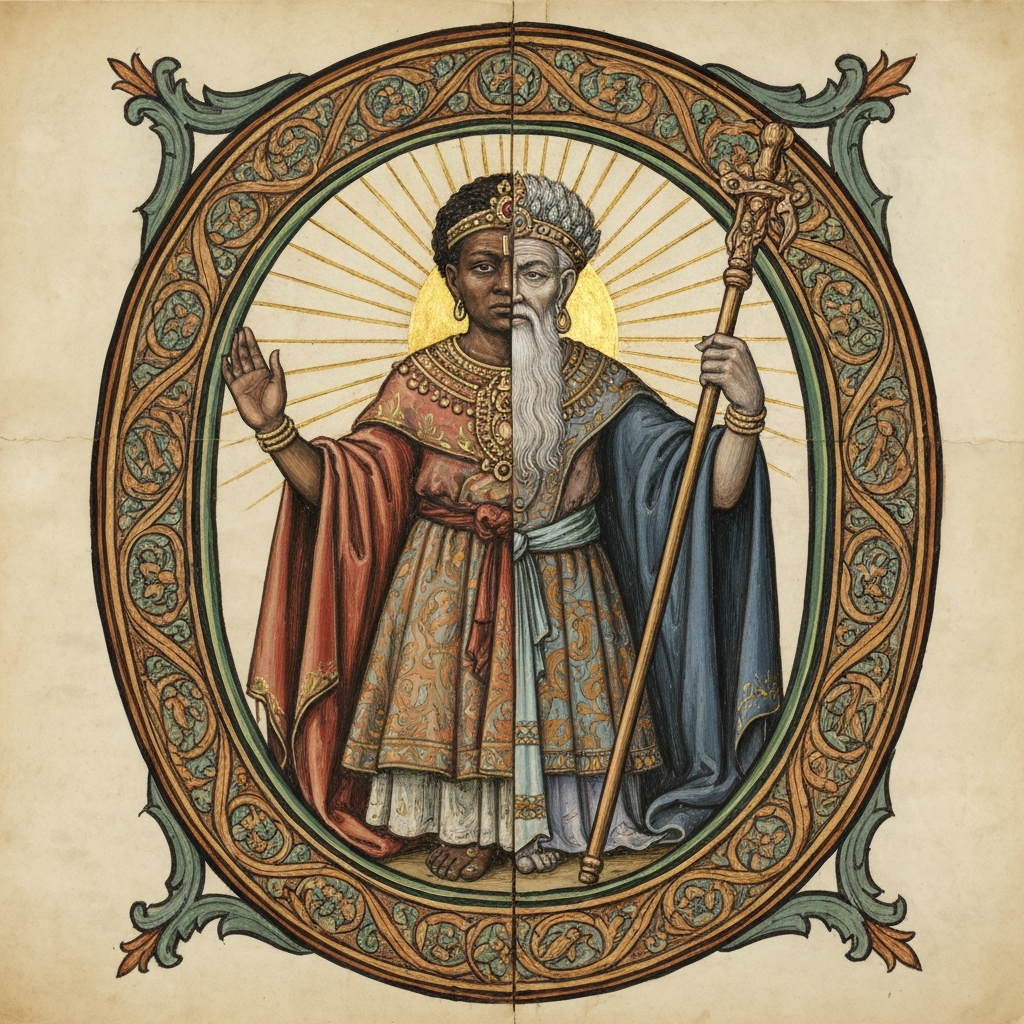
Lore: Obatala (Oxala in Brazil, Obatala in Cuba) is the eldest of the Orishas, the father figure of the pantheon, the one whom Olodumare entrusted with the most intimate task in all of creation: shaping human bodies from clay. He is associated with purity, whiteness, wisdom, old age, and the kind of moral authority that comes from having been first. His great myth — that he got drunk on palm wine during creation and shaped some bodies imperfectly — is one of the most theologically sophisticated disability narratives in world religion. Rather than treating disability as punishment (as many traditions do), Yoruba theology makes disabled people sacred to Obatala, specially formed by the divine creator’s own hands, deserving of extra care and respect. This is radical moral theology dressed as origin myth. Obatala’s temperament is the opposite of Shango’s fire: he is cool, measured, patient, and demands that his followers cultivate iwa pele — gentle, good character. His color is white, his metal is tin or silver (not iron — that belongs to Ogun), and his ceremonies are quiet, dignified, and pure.
Parallel: Obatala is the divine potter — God forming Adam from the clay of the ground (Genesis 2:7), Enki/Ea creating humanity from clay in Mesopotamian myth, Prometheus shaping humans from earth in Greek tradition. The drunkenness narrative parallels Noah’s drunkenness after the Flood (Genesis 9:20-21) — the righteous figure whose one lapse has lasting consequences. In Cuba and Brazil, Obatala was syncretized with Our Lady of Mercy and with the resurrected Christ — both associated with white, purity, and the transcendence of suffering.
1 min read
His own perfectionism. Obatala demands such purity that he can become paralyzed by the imperfection of the world. His coolness (iwa pele) can become passivity
Odu Ifa; Bolaji Idowu, *Olodumare: God in Yoruba Belief* (1962); Robert Farris Thompson, *Flash of the Spirit* (1983)