Combat Profile
Ashe Primordial
Olodumare manifests absolute divine energy that reshapes reality itself, granting cosmic authority over all existence and lesser deities.
Source of All
All creation flows from Olodumare's infinite will; all other entities derive their power and purpose from acknowledgment of this supreme source.
None. Olodumare is beyond weakness -- but is also beyond direct approach. This is not a limitation but a theological principle: the infinite God works through intermediaries
“No one can know the full nature of Olodumare. The sky is not high enough to tell His story. The ocean is not deep enough to contain His wisdom.” — Yoruba proverb
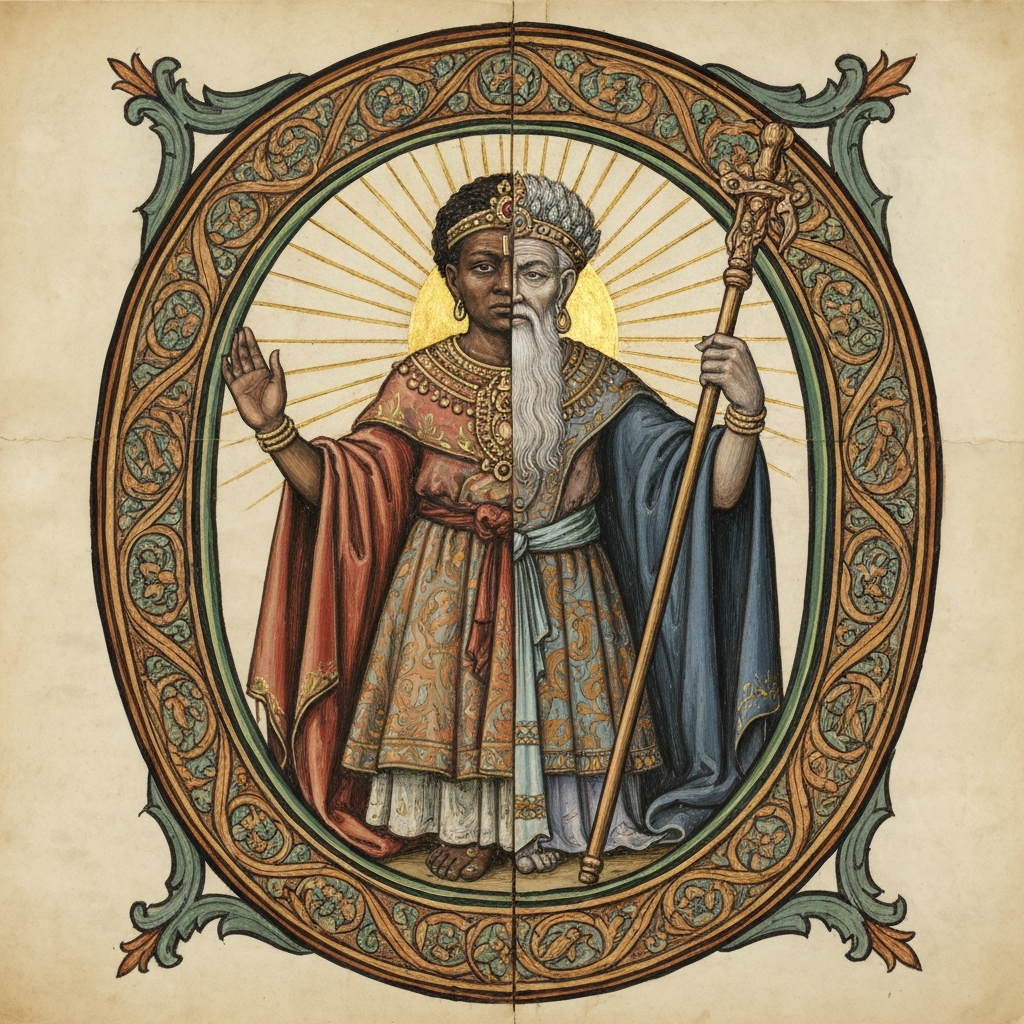
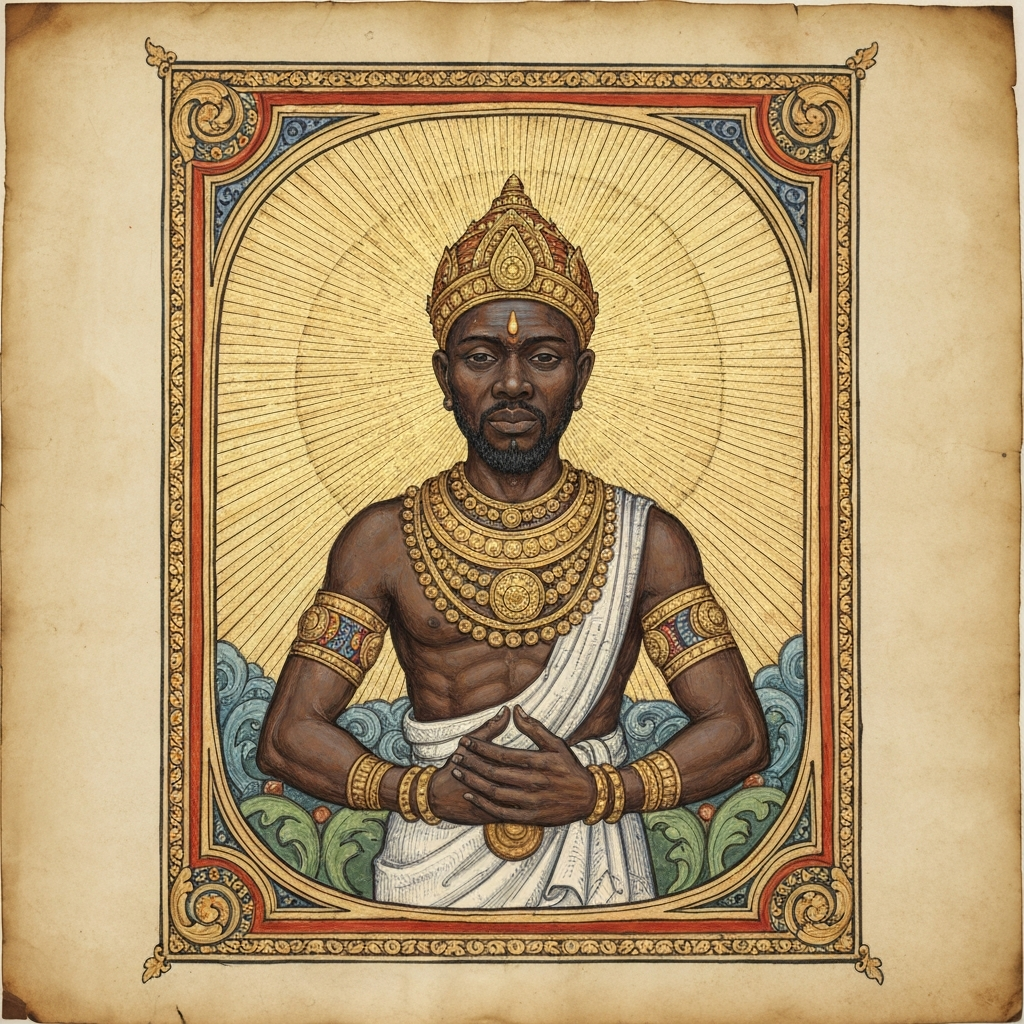
Lore: Olodumare (also called Olorun, “Owner of Heaven,” or Olofi in Cuban Lukumi) is the supreme God of Yoruba theology — the uncreated creator, the source of all Ashe (the divine energy that permeates everything that exists). Olodumare is not worshipped through direct sacrifice or possession the way the Orishas are. There are no shrines to Olodumare, no specific rituals addressed solely to the supreme God. This is not neglect but profound theology: Olodumare is so vast, so beyond human comprehension, that approaching the divine directly would be like staring into the sun. The Orishas exist as intermediaries — fragments of Olodumare’s power delegated to govern specific aspects of creation, approachable by humans, capable of riding (possessing) devotees in ceremony.
Parallel: The theological structure is strikingly close to multiple traditions in this compendium. The Ein Sof in Kabbalah is the infinite, unknowable God who works through the Sefirot. The Christian Trinity positions God the Father as approached through Christ and the Holy Spirit. Islam’s 99 Names of Allah describe attributes of a God whose essence remains beyond human grasp. Brahman in Hinduism is the formless ultimate reality who manifests through the devas. The pattern is universal: the supreme God is too vast for direct human contact, so intermediaries carry the divine energy to the human world.
1 min read
None. There is no force that opposes Olodumare. Even death and chaos operate within the divine will
Yoruba oral tradition; Ifa literary corpus (Odu Ifa); Bolaji Idowu, *Olodumare: God in Yoruba Belief* (1962)