Enheduanna, the First Author
c. 2285-2250 BCE · Akkadian Empire, Third Dynasty of Ur · The Giparu — high priestess's residence in the temple complex of Ur
Contents
Forty-three centuries before Homer, the high priestess of Ur signed her name to a hymn — and became the first individual voice in the recorded literature of humankind.
- When
- c. 2285-2250 BCE · Akkadian Empire, Third Dynasty of Ur
- Where
- The Giparu — high priestess's residence in the temple complex of Ur
She is forty years old, and she is being driven from the temple.
Lugal-Ane has taken Ur. He is one of those generals who rises in the cracks between dynasties — Sargon, her father, is dead or dying somewhere in Akkad, and her nephew Naram-Sin has not yet consolidated, and into the gap a man with soldiers has stepped. He has decided that the high priestess of Nanna, the moon god, the woman who sits at the seam between the Sumerian south and the Akkadian north, is no longer welcome in the city she has administered for thirty years. She is to leave the Giparu — the priestess’s residence — by sundown. He does not say where she is to go.
She has time to gather one thing.
She gathers her stylus.
The road south is dust and heat. She walks with a few attendants, perhaps a donkey, perhaps her tablets in a sealed jar — the Temple Hymns, the Inanna and Ebih, the In-nin Šà-gur-ra, work she has been composing for three decades in two languages, addressed to the goddess she serves and the city-states her father conquered.
She arrives at a place — the texts are unclear, the edin, the steppe — and she sits. The sun moves. The light goes thin. She unrolls a fresh tablet of damp clay across her knees, and she begins to write a poem that has never been written before.
It is not a hymn for a temple. It is a complaint to a goddess.
The form does not exist yet. There is no precedent. Hymns praise. Epics narrate. Lamentations grieve in the third person — the city is ruined, the wall is broken, the priestess weeps. Enheduanna does something none of those forms allow: she writes I. She names herself in the text. I, Enheduanna, will recite a prayer to you. She speaks directly. She brings her case.
Nin-me-šara — Lady of all the me, of all the divine powers — is what scholars now call the poem. One hundred and fifty-three lines. It opens in the third person, building Inanna’s terror — the goddess of love and war, who flattens mountains, whose voice scatters the universe — and then, midway through, the voice changes.
Me, Enheduanna, she writes. Yes, me.
She tells Inanna what has happened. She names Lugal-Ane. She describes her exile in clinical detail: the leprosy-feel of being driven from the holy place, the dust of the road, the way her father Sargon’s name no longer protects her, the way her prayers to Nanna — her own moon-god, her ostensible patron — have gone unanswered. Nanna has not helped. So she turns to Inanna instead. She is changing patron deities mid-poem. She is, in effect, switching her allegiance from the moon to the morning star, and she is doing it in writing, on clay, with her name attached, while the man who exiled her is still alive and capable of killing her.
She is asking Inanna to take vengeance for her. She is asking the goddess to humiliate Lugal-Ane the way Lugal-Ane humiliated her.
It is the first political poem in human history. It is also the first lyric.
The clay dries.
She seals the tablet. She sends it — by what route, by what messenger, the texts do not say — back to Ur. Or she carries it herself, when the political winds shift. Naram-Sin consolidates the empire. Lugal-Ane is removed. Enheduanna returns to the Giparu, restored to her office, and she lives — the texts suggest — for another decade, perhaps two, dying in the temple where she had been installed at age sixteen as her father’s instrument and dying as the most influential literary voice in the Sumero-Akkadian world.
The poem survives because the schoolboys copy it.
This is the part that astonishes the scholars who will, four thousand years later, pull her tablets from the sand. Nin-me-šara becomes a curriculum text. For the next six hundred years, in the scribal schools of Mesopotamia, students learn to write by copying Enheduanna. Generation after generation, boys nine and ten years old press their styluses into clay and reproduce her lines. Me, Enheduanna. Yes, me. The first-person literary voice enters the bloodstream of the culture by being the alphabet primer of every literate child.
She did not just invent the form. She invented the canon.
The texts are buried when the schools fall.
For 3,750 years, no human reads Enheduanna. The cuneiform script is forgotten. Babylon falls. Persia rises and falls. Alexander burns Persepolis. Rome rises and falls. The crusades come and go. The Renaissance happens without her. The Enlightenment happens without her. Sappho is named the first woman poet by every European literary historian; Homer is named the first author. Both claims are wrong by 1,500 years and 800 years respectively, but no one knows it, because the tablets are still under the sand.
In 1849, an Englishman named Henry Layard digs at Nineveh and pulls up a library — Ashurbanipal’s, copied largely from Sumerian and Akkadian originals. Among the tablets, in the 1920s, scholars begin to identify a recurrent name: En-hé-du-an-na. High priestess, ornament of An. The same author keeps appearing across hymns from cities a hundred miles apart. By the 1950s the picture is clear. By 1968, William Hallo and Johannes van Dijk publish The Exaltation of Inanna — Nin-me-šara — with her name on the cover.
She is, suddenly, after 4,200 years, a person again.
The first author was a woman. The first lyric voice was a woman’s. The first political poem was a woman’s. The first poem composed in exile was a woman’s. The first text used as a curriculum was a woman’s. None of this is symbolic. It is what the tablets say.
The literary world spent millennia building a canon that began with Homer because it had no access to the older record. When the older record came up out of the sand, it had a different name on it. Western literature did not begin in Greece. It began in Sumer, in a temple complex, with a princess pressing wet clay against her knee and writing the first sentence anyone had ever signed.
She wrote: I, Enheduanna. Yes, me.
Four thousand years later, every poet who has written I has been quoting her without knowing it.
Scenes
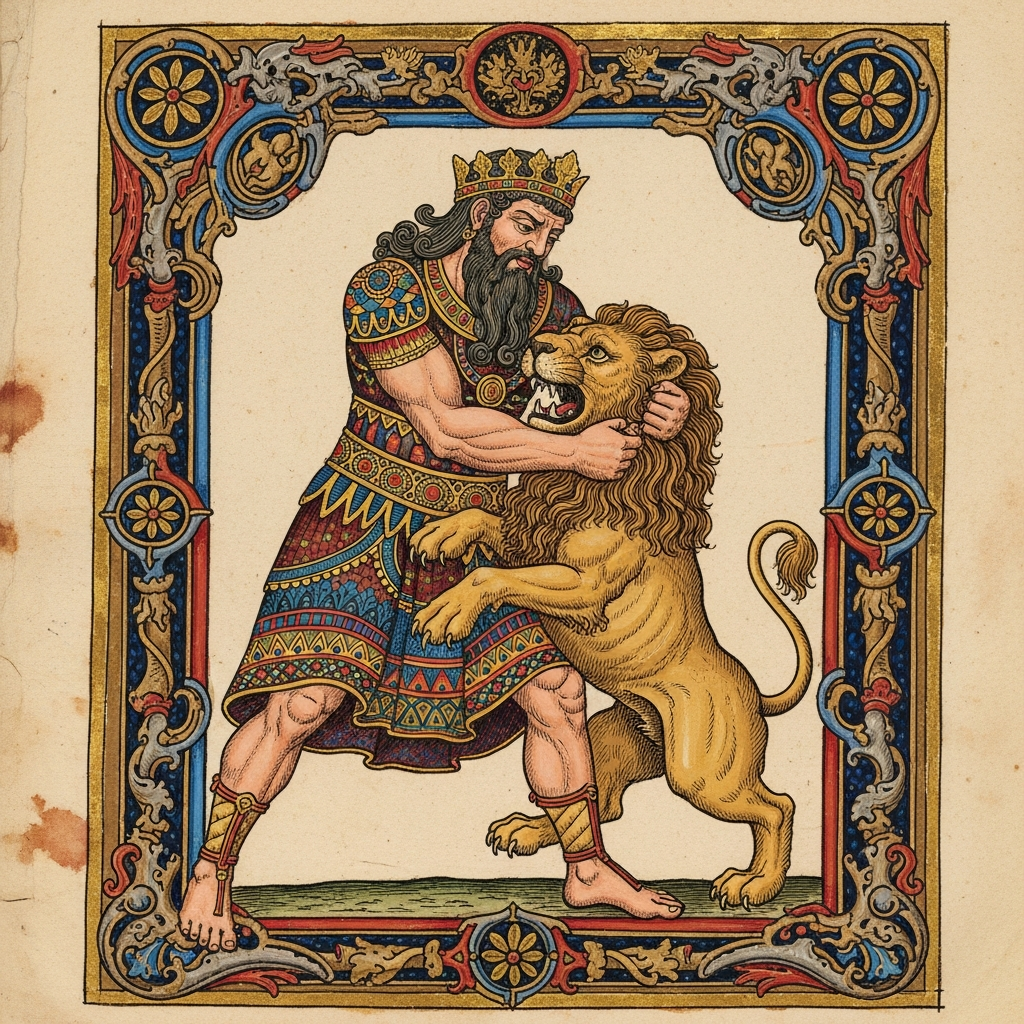
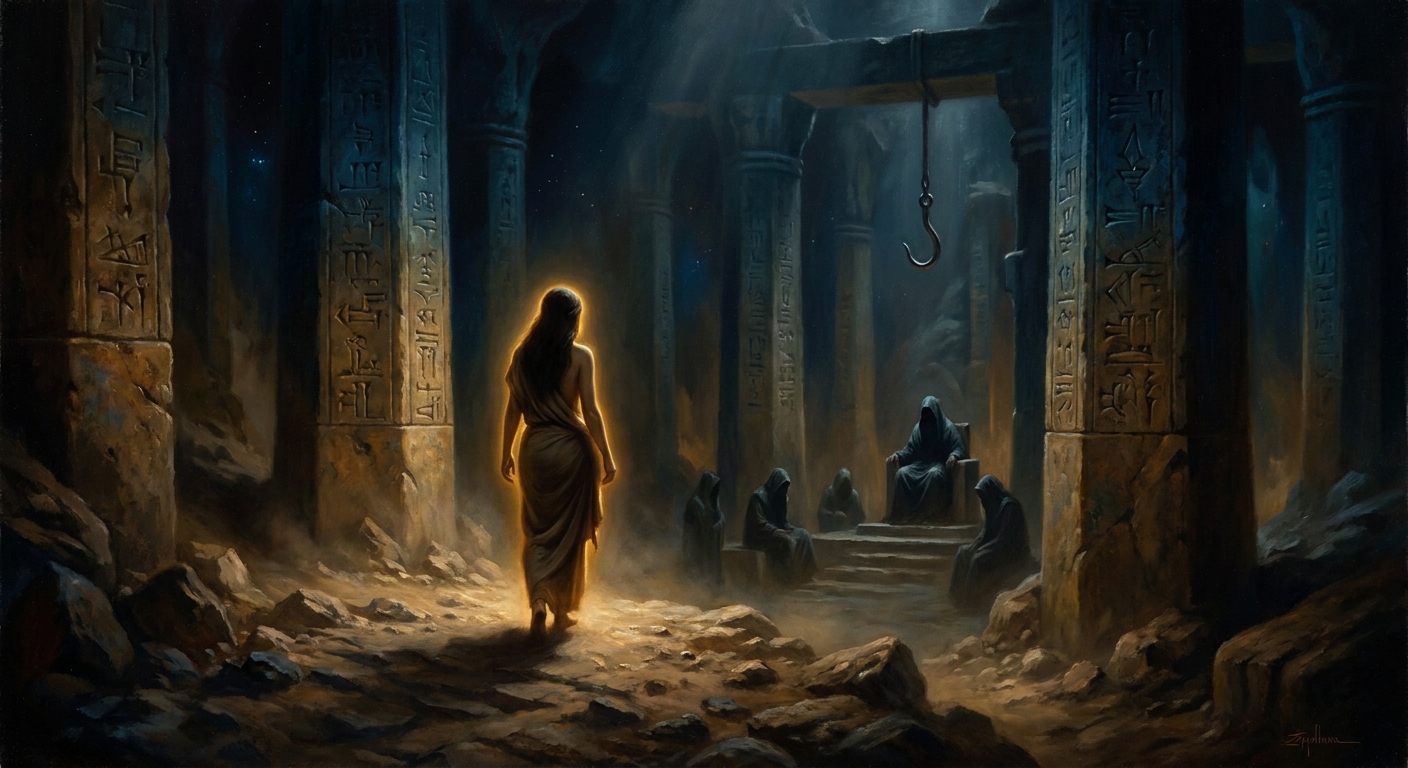
The Giparu at Ur, where Enheduanna pressed her stylus into damp clay and signed her name into the literature of the human species
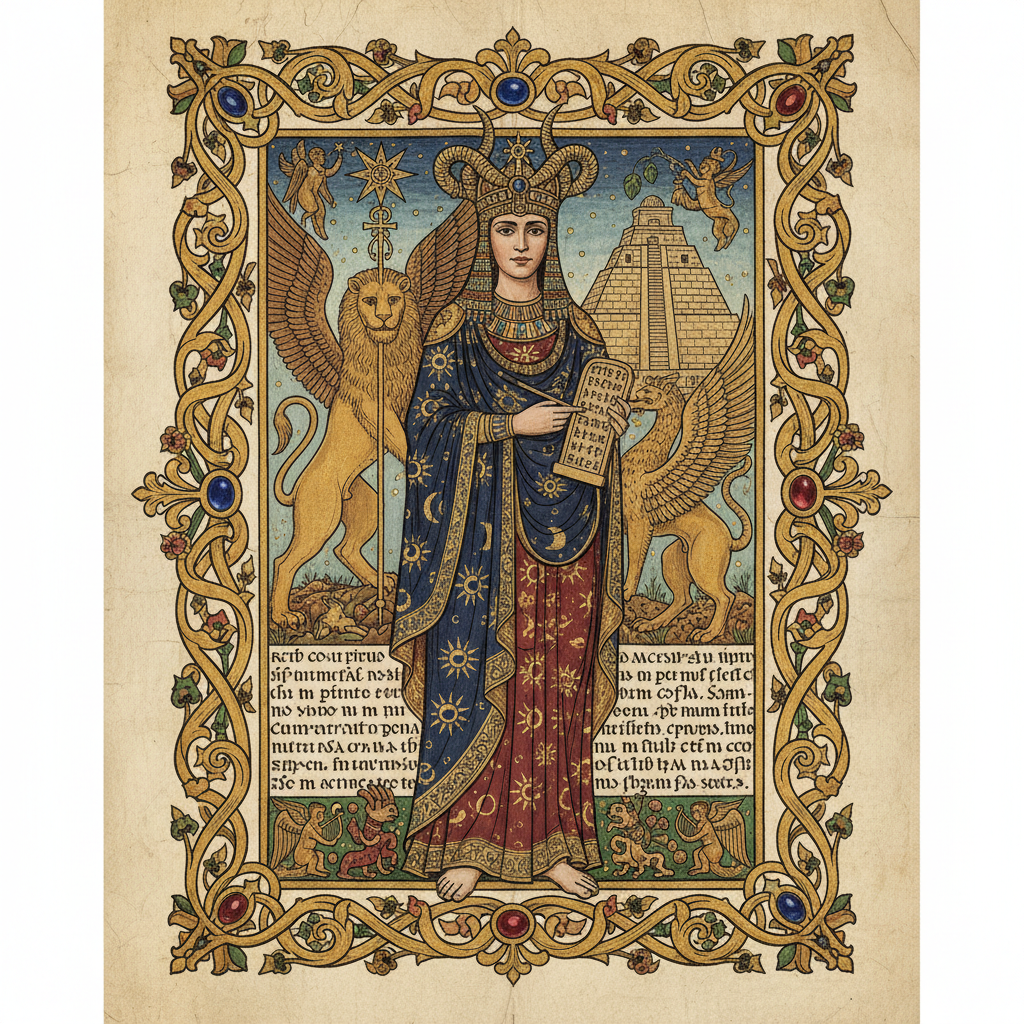
Generating art… She speaks to Inanna directly — not about the goddess, but to her — inventing a form of address that 4,000 years of poetry will copy
 Generating art…
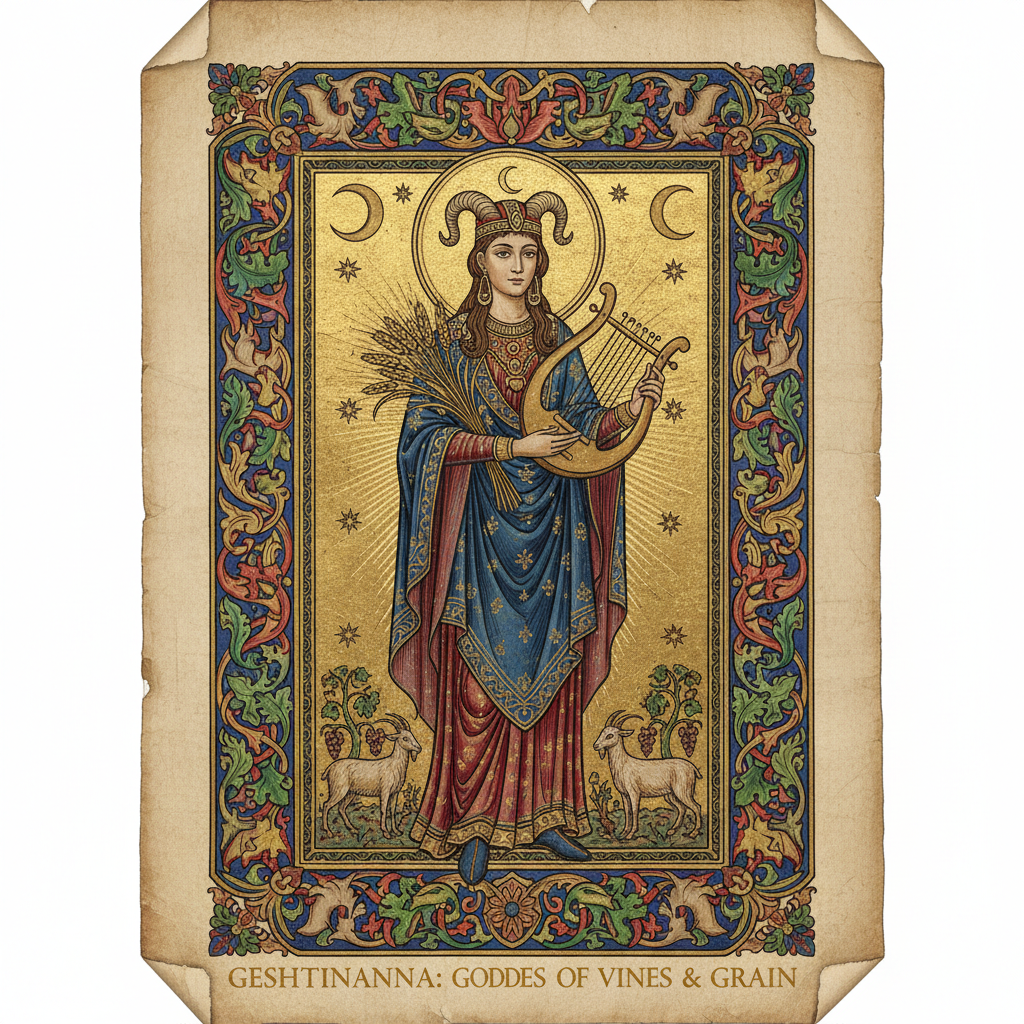
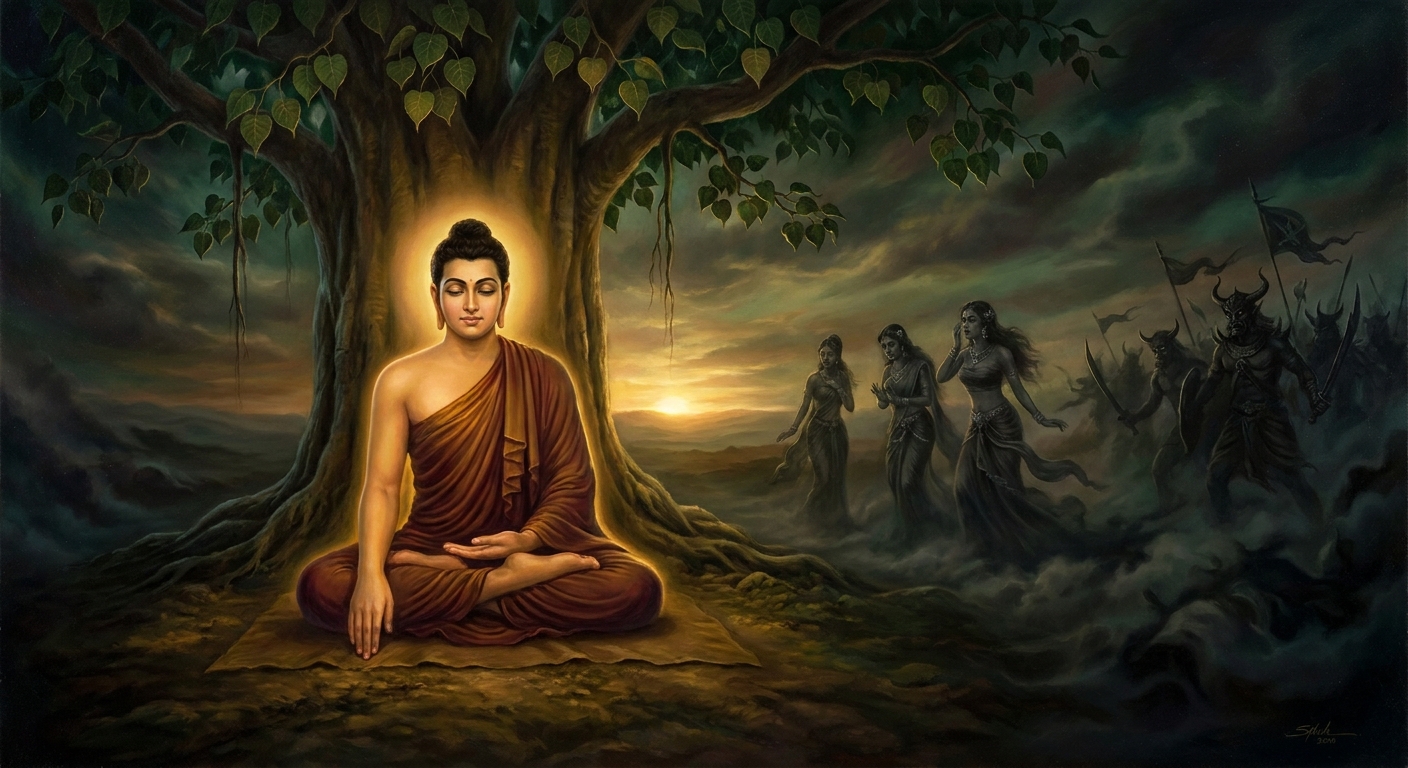
 Exiled from her temple by the rebel Lugal-Ane, she composes in the desert and sends the words back as her petition
 Generating art…
 Echoes Across Traditions
Entities
- Enheduanna
- Inanna
- Sargon of Akkad
- Nanna
- Lugal-Ane

Sources
- Betty De Shong Meador, *Princess, Priestess, Poet: The Sumerian Temple Hymns of Enheduanna* (University of Texas Press, 2009)
- Betty De Shong Meador, *Inanna, Lady of Largest Heart* (University of Texas Press, 2000)
- William W. Hallo & J.J.A. van Dijk, *The Exaltation of Inanna* (Yale, 1968) — the foundational translation of *Nin-me-šara*
- William W. Hallo, *The World's Oldest Literature: Studies in Sumerian Belles-Lettres* (Brill, 2010)
- Sidney Babcock & Erhan Tamur (eds.), *She Who Wrote: Enheduanna and Women of Mesopotamia* (Morgan Library, 2022)