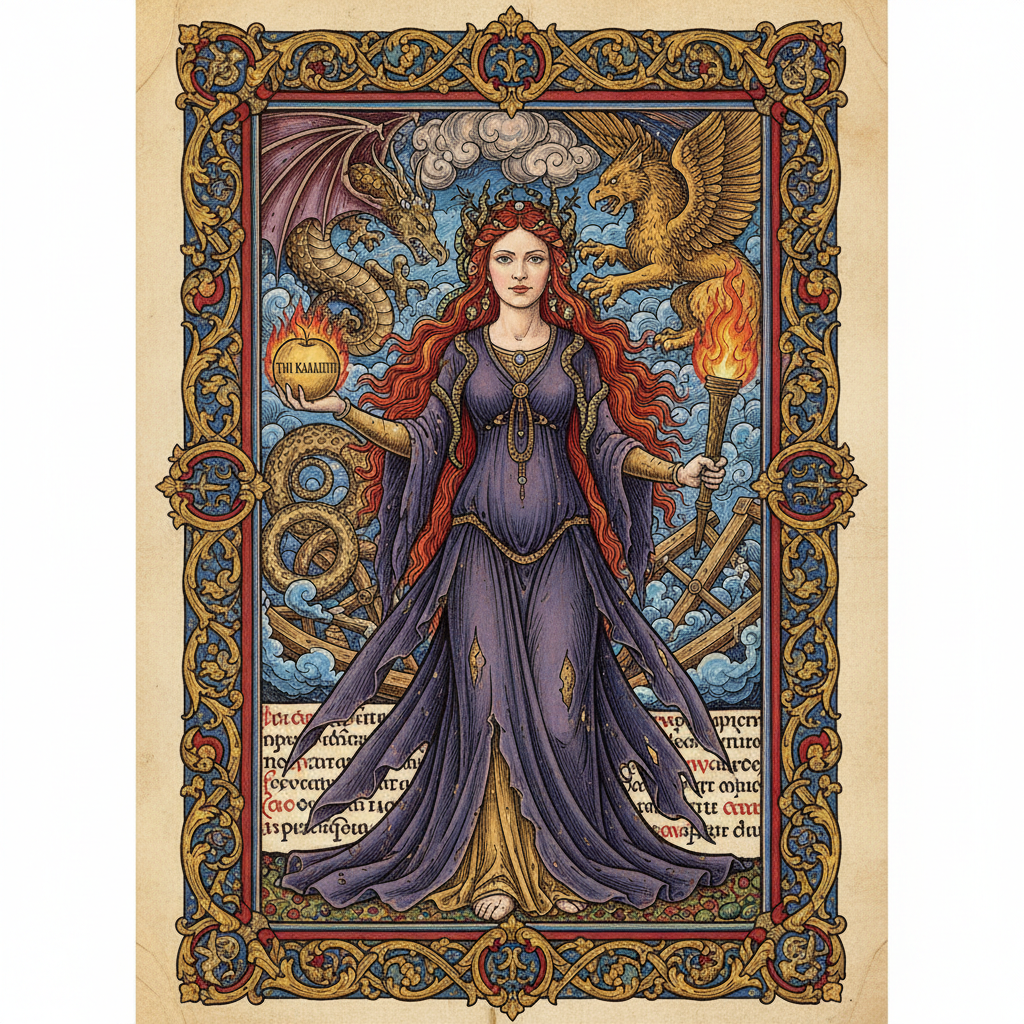
Combat Profile
Joyful Cascade
Erês overwhelms targets with infectious laughter and childlike wonder, rendering them unable to act with malice or seriousness for a brief moment.
Divine Innocence
Erês cannot be harmed by those acting with pure hearts, and all around them experience heightened joy and playfulness.
Their innocence. Erês do not understand adult complexity -- they speak literally, laugh at everything, cry when they are unhappy, and demand sweets. When they possess a medium, the medium forgets adult social behavior entirely. This is a feature, not a bug: the Erê can say things that no adult spirit would say, and that directness can be revelatory. But it can also be overwhelming
“Give me candy. Give me candy. Give me candy. Also — your marriage problem — the Orixá says to stop fighting about the dishes. Pay attention to the bigger thing.” — Erê in ceremony (typical exchange)
Lore: The Erês are the spiritual category that has no close parallel anywhere in world religion, which is what makes them so remarkable. Every major spiritual tradition acknowledges the sacred significance of childhood — Jesus placing a child in the midst of his disciples (“unless you become like little children,” Matthew 18:3), the bodhisattvas’ compassion for children, the Hindu tradition of child deities like Krishna whose divine nature is expressed through play. But no other major tradition has a category of possessing spirits who are specifically children — adult human beings who are fully possessed by a child’s consciousness, who behave like small children in a sacred ceremony, and whose childlike behavior is itself the spiritual offering.
The theology here is quietly profound. The Erês interrupt the solemnity of adult spiritual life with a reminder that the divine includes play. When a gravely serious ritual is suddenly taken over by a medium skipping around the terreiro asking for candy and telling silly jokes, it is not a disruption of the sacred. It is the sacred manifesting in its playful mode. The Erês teach by making adults laugh at themselves. They puncture pretension. They require the community to take care of them — to produce candy, to speak gently, to be patient with childlike behavior — and in doing so they practice the very care and gentleness that adult religion often talks about but doesn’t enact.
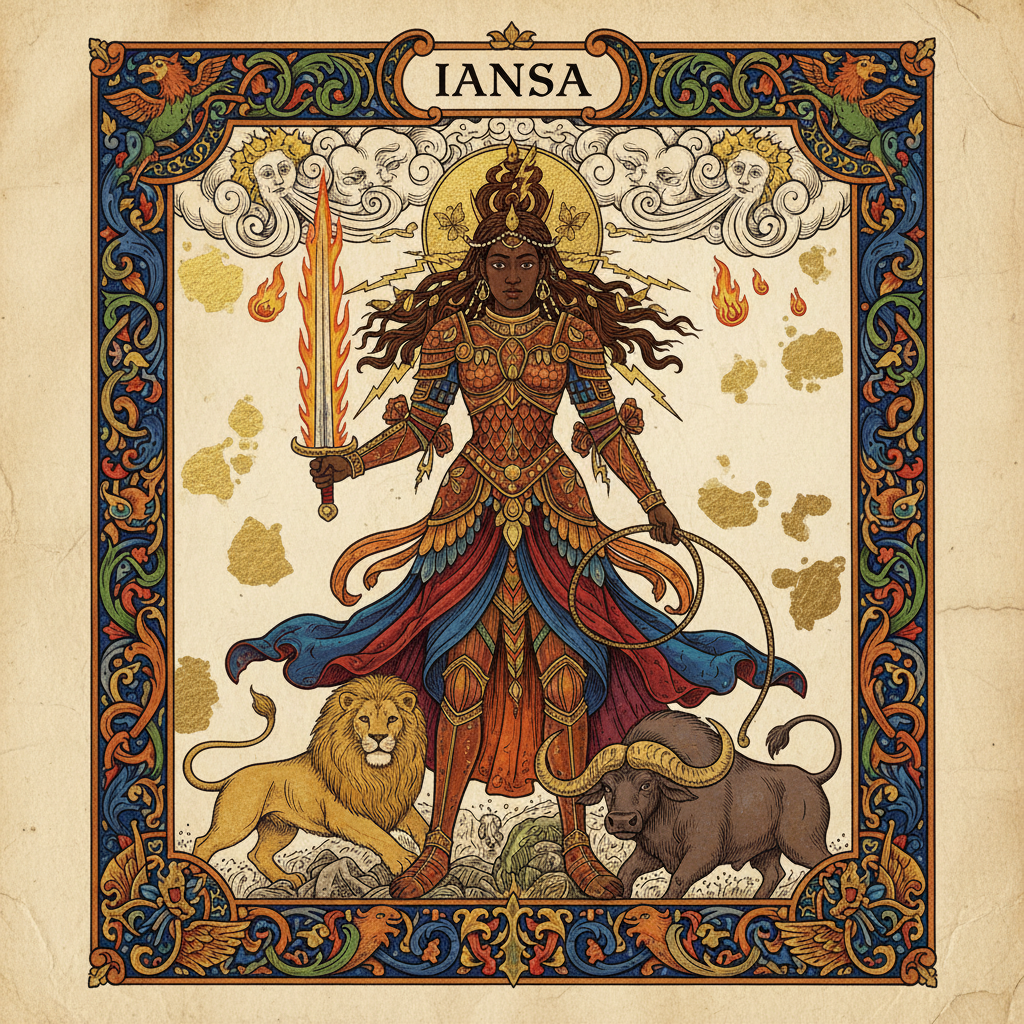
There is also a theological history here: many Candomblé practitioners believe that the Erês are the children of the Orixás, or the child aspects of the Orixás’ energy. Oxalá’s Erê carries Oxalá’s wisdom in a child’s package. The fierce Iansã’s Erê is mischievous but not destructive — it is Iansã’s storm energy expressed through a child who wants to run and play rather than destroy. This theology suggests that the divine energy of each Orixá exists on a spectrum, from the most fierce and powerful adult manifestation to the most innocent and playful child manifestation, and that both are authentic expressions of the same spiritual reality.
Parallel: Nothing in the compendium is a precise parallel, which is itself the point. The closest structural parallels are: the Holy Fool tradition of Eastern Orthodox Christianity (yurodiviy), in which individuals deliberately performed childlike and transgressive behavior as a spiritual discipline — their social rule-breaking was understood as a higher obedience to God. The Hasidic tradition of the Purim story, in which carnival behavior and costume were understood as theologically significant reversals of normal order. And perhaps closest: the Zen tradition of the koan, the deliberate logical disruption that breaks the student out of rigid thinking. The Erê is a living koan: a child who possesses an adult and asks for candy while delivering spiritual truth.
2 min read
Nothing counters an Erê. They are children. They are immune to the gravitas that other spirits bring. They defuse tension with a joke, disarm anxiety with a request for lollipops, and remind a room full of people taking their spiritual practice very seriously that the divine is also playful
Roger Bastide, *The African Religions of Brazil* (1978); Stefania Capone, *Searching for Africa in Brazil* (2010)