The Story
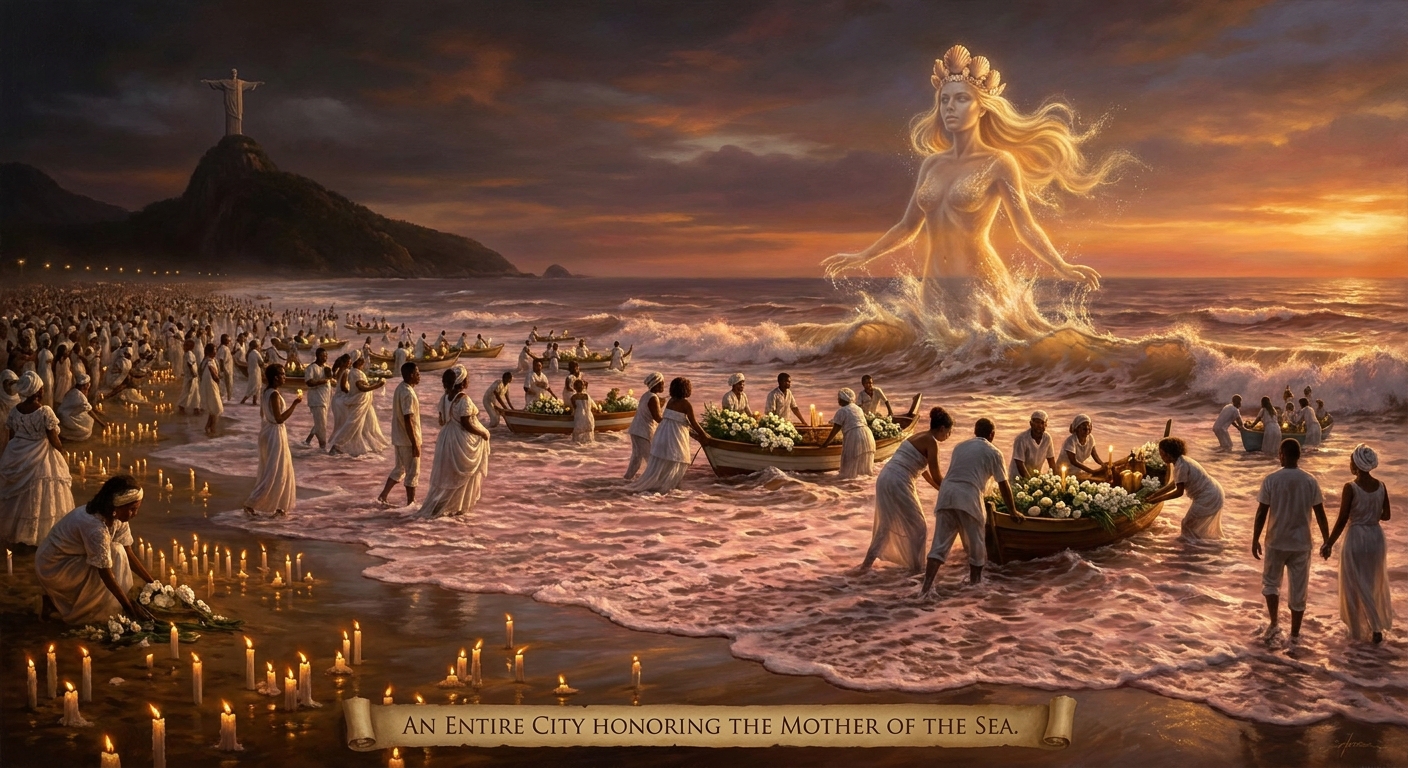
Afro-Brazilian religions are what happens when four million enslaved Africans collide with syncretic Catholicism and refuse to disappear. They represent the spiritual defiance of a people who lost almost everything but kept their gods.
The Atlantic Crucible (1530s-1888): Portuguese colonists began shipping enslaved Africans to Brazil in the 1530s. Over 350 years, Brazil imported roughly 4 million Africans (Bastide, The African Religions of Brazil) — ten times the U.S. total. They came chiefly from three zones: the Yoruba kingdoms (Nigeria and Benin), the Fon-Ewe (Dahomey), and Bantu Central Africa (Angola, Congo). They carried three of Africa’s great theological systems in memory and flesh.
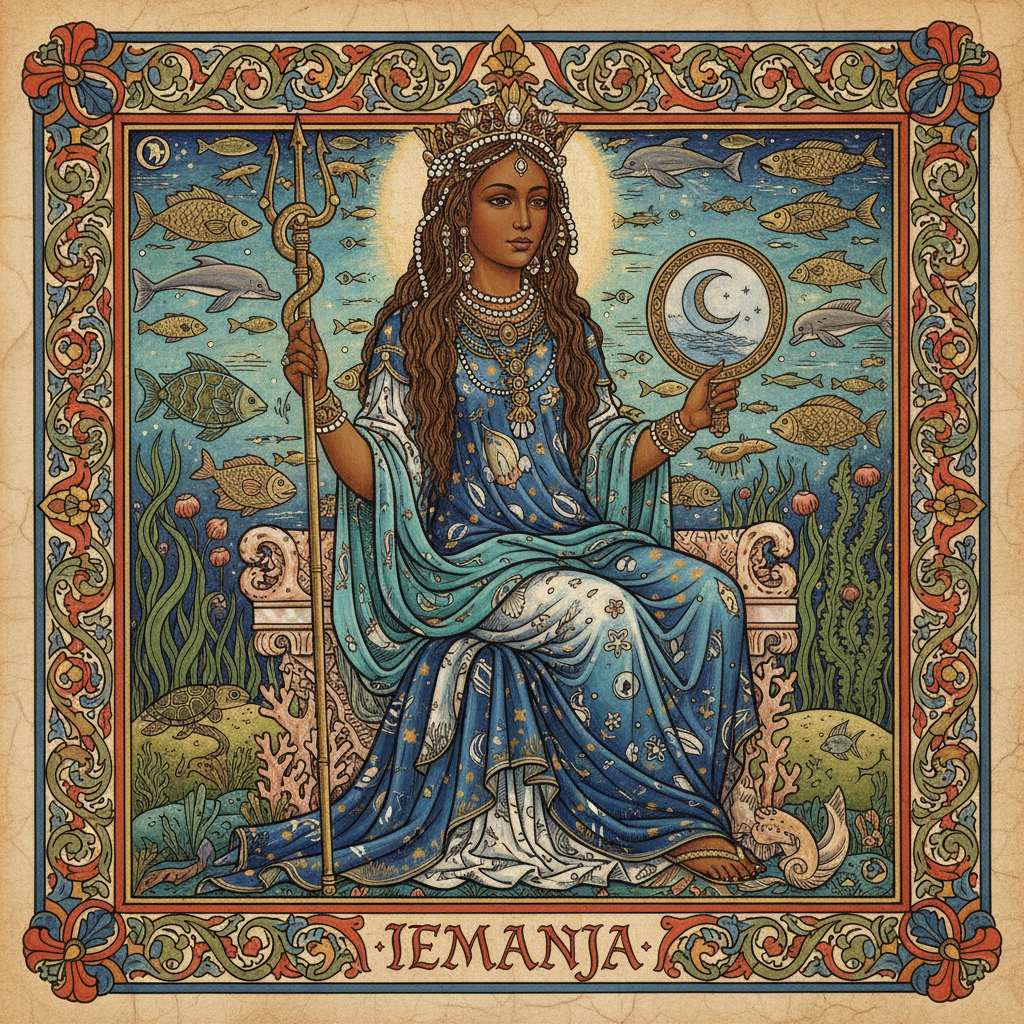
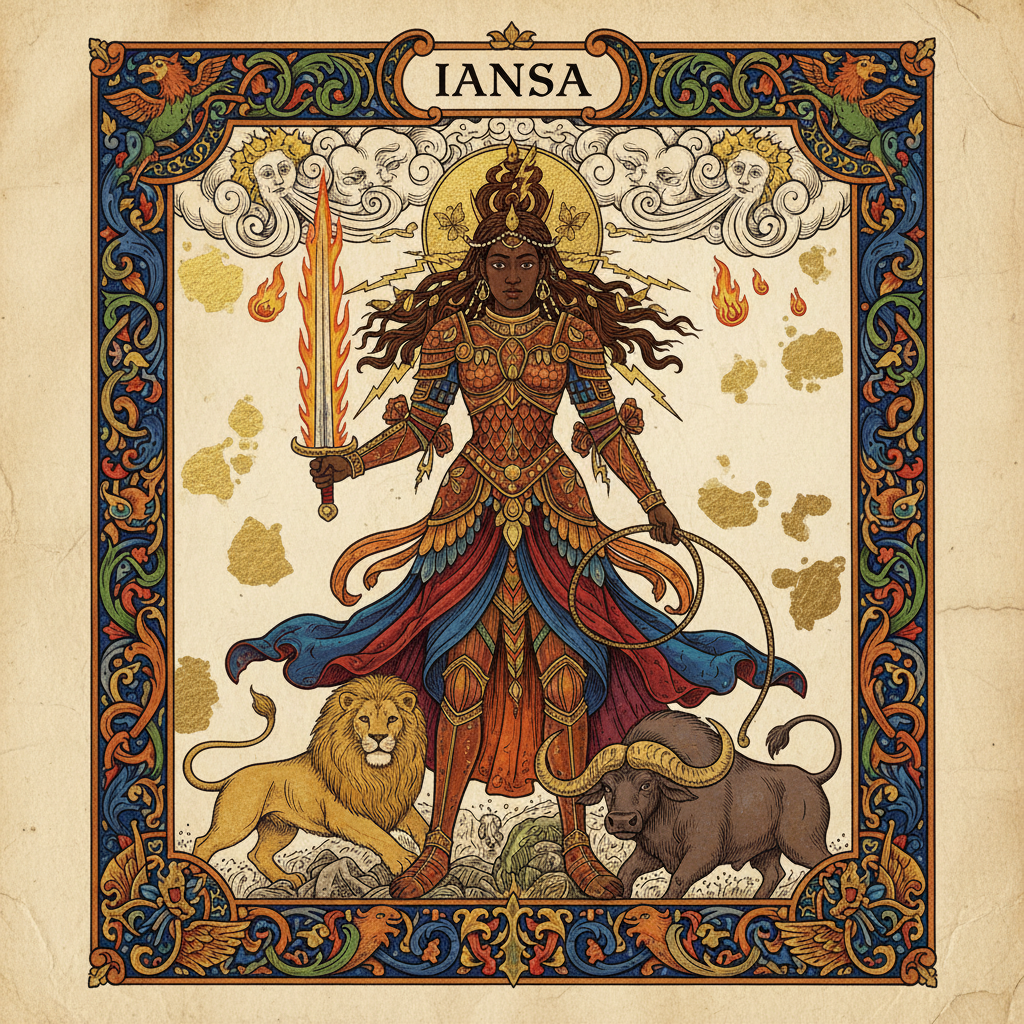
Forced Conversion and Clandestine Practice: Colonial law mandated baptism. Enslaved Africans received Catholic saints and Catholic masses. What colonizers missed: Africans accepted the saints and layered their own gods underneath. Saint Barbara’s sword and thunder became Iansã’s face. Our Lady’s blue robes and ocean became Iemanjá. Saint George became Ogum. The Catholic saints’ calendar became a coded Orixá calendar. Slaveholders saw piety; practitioners saw survival.
The Birth of the Terreiros (1700s-1830): African religions reorganized into institutions: the terreiro, a sacred compound with temple, initiation chamber, and orixá shrines. Around 1830, three formerly enslaved Yoruba women founded Casa Branca in Salvador’s Engenho Velho — the first formal Candomblé temple and mother house of the Ketu lineage. Most major Candomblé houses trace descent to Casa Branca.
Codification and Crisis (1888-1976): Slavery ended in 1888 — last in the West. But emancipation meant nothing: 1890s-1970s saw criminalization as “witchcraft.” Police raided terreiros, smashed objects, arrested priestesses, confiscated drums. Yet the tradition grew: Mãe Aninha de Oxalá codified Candomblé liturgy in the early 20th century. On November 15, 1908, young medium Zélio Fernandino de Moraes received the Caboclo das Sete Encruzilhadas and founded Umbanda — a fusion of Candomblé, Spiritism, indigenous spirits, and Catholic folk religion.
Recognition and Renaissance (1976-2003): Mãe Stella de Oxóssi (1925-2018) led priestesses and scholars to constitutional victory. The 1988 Constitution (Constituição Federal Brasileira) guaranteed religious freedom. In 2003, federal law (Lei 10.639/2003) established the Day of the Orixás (January 21), recognizing Candomblé and Umbanda as patrimony.
Today: About 30 million Brazilians (15% of the population) practice Afro-Brazilian religion (Brazilian Census, IBGE 2010/2019). Neo-Pentecostal churches now persecute terreiros, calling Orixás demons and vandalizing temples. The struggle begun in slave ships persists. The drums still beat. The mothers of saints hold the line, four centuries on.
Pivotal Events
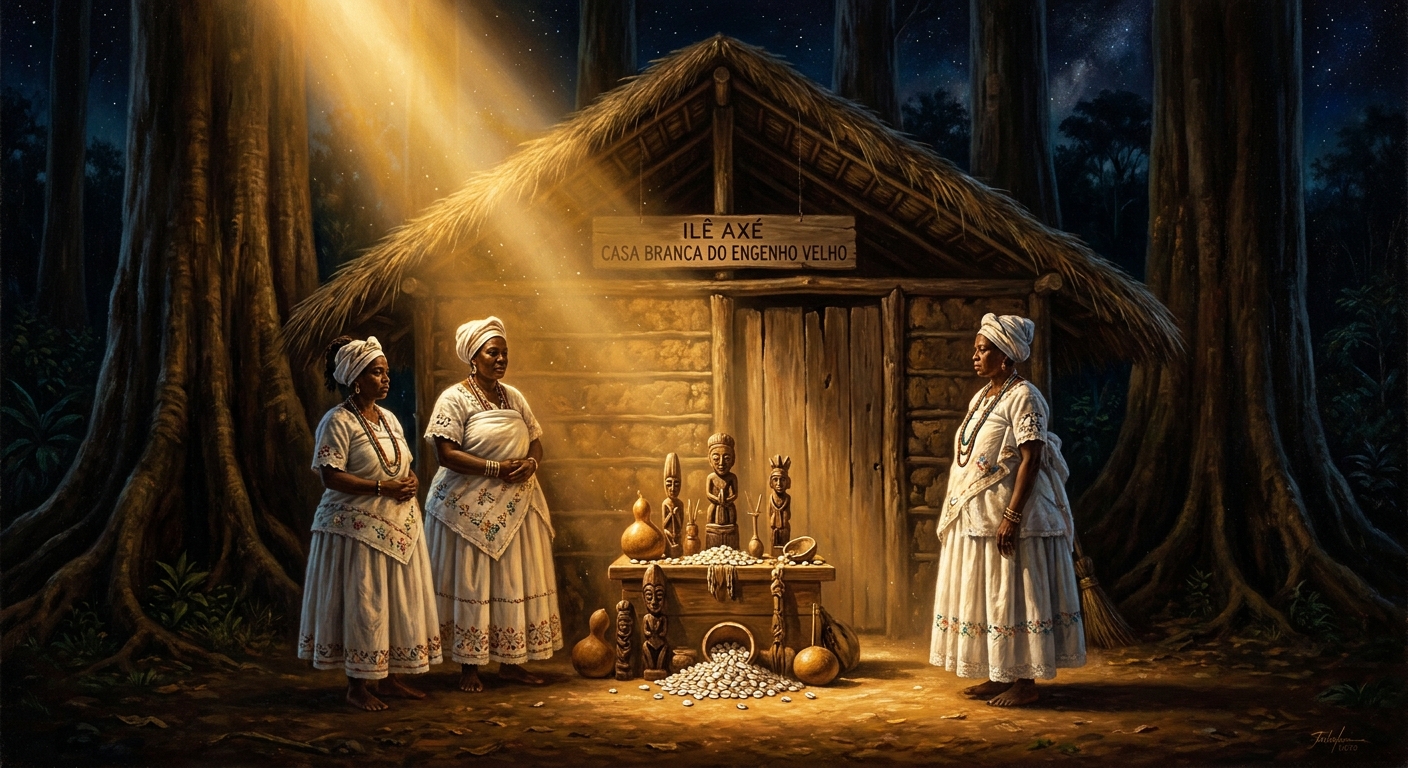
Around 1830 (Bastide, The African Religions of Brazil), three formerly enslaved Yoruba women consecrated a house in Salvador’s Engenho Velho and installed the sacred assentamentos of the Orixás. They called it Ilê Axé Iyá Nassô Oká, but history knows it as Casa Branca do Engenho Velho — the first formal Candomblé temple and mother of the Ketu lineage. The Gantois, Opô Afonjá, and scores of terreiros descend from Casa Branca. Only in 1984 did Brazil officially landmark it (IPHAN registry, Brazilian Cultural Heritage Registry) — a 154-year delay that speaks volumes.
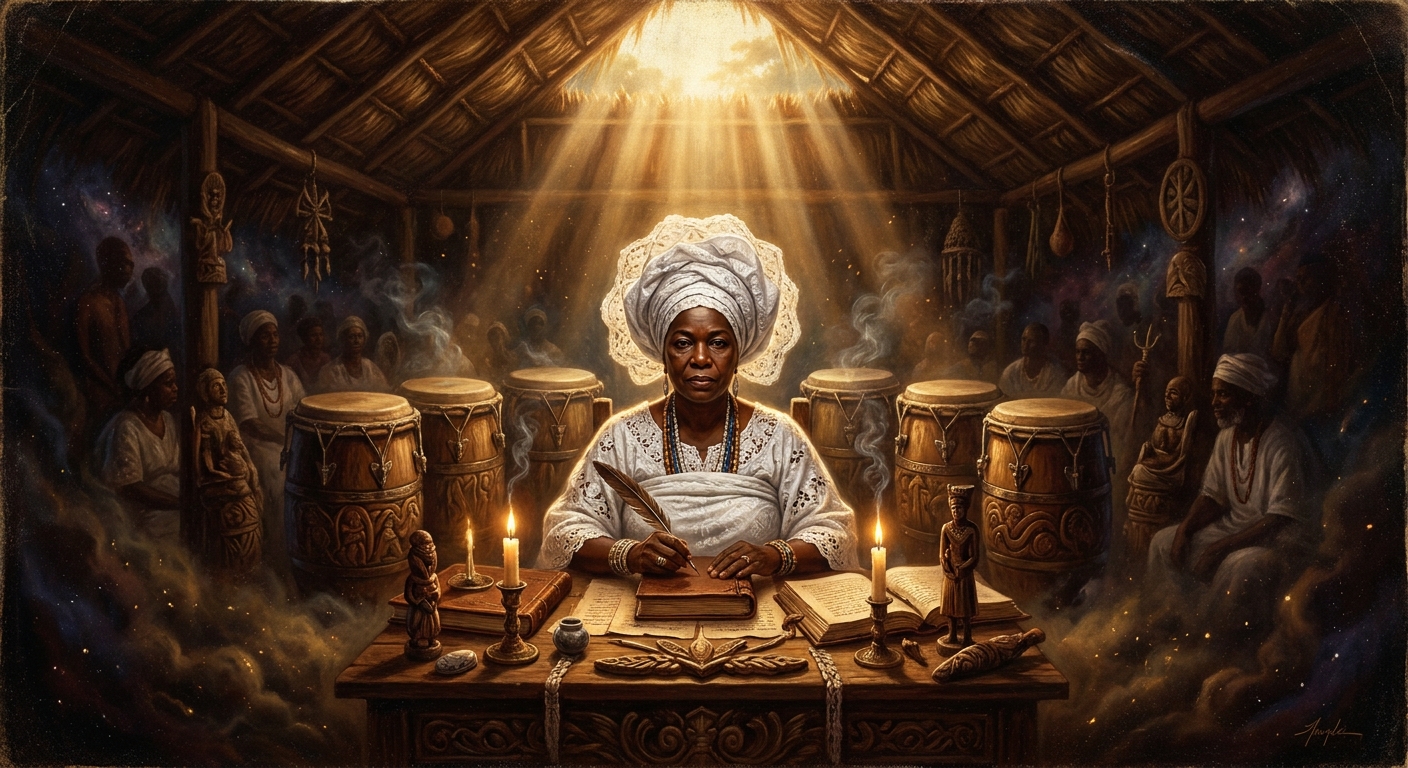
Eugênia Anna dos Santos, known as Mãe Aninha de Oxalá (1869-1938), initiated at Casa Branca in the 1880s, founded Ilê Axé Opô Afonjá in 1910 (Bastide, The African Religions of Brazil). She systematized Ketu Candomblé’s entire liturgy, theology, and music. She trained priestesses, established the council of twelve obás, and petitioned President Vargas in 1937 (Bastide, The African Religions of Brazil) for legal protection. Her codification transformed Candomblé from folk practice to institutionalized religion.
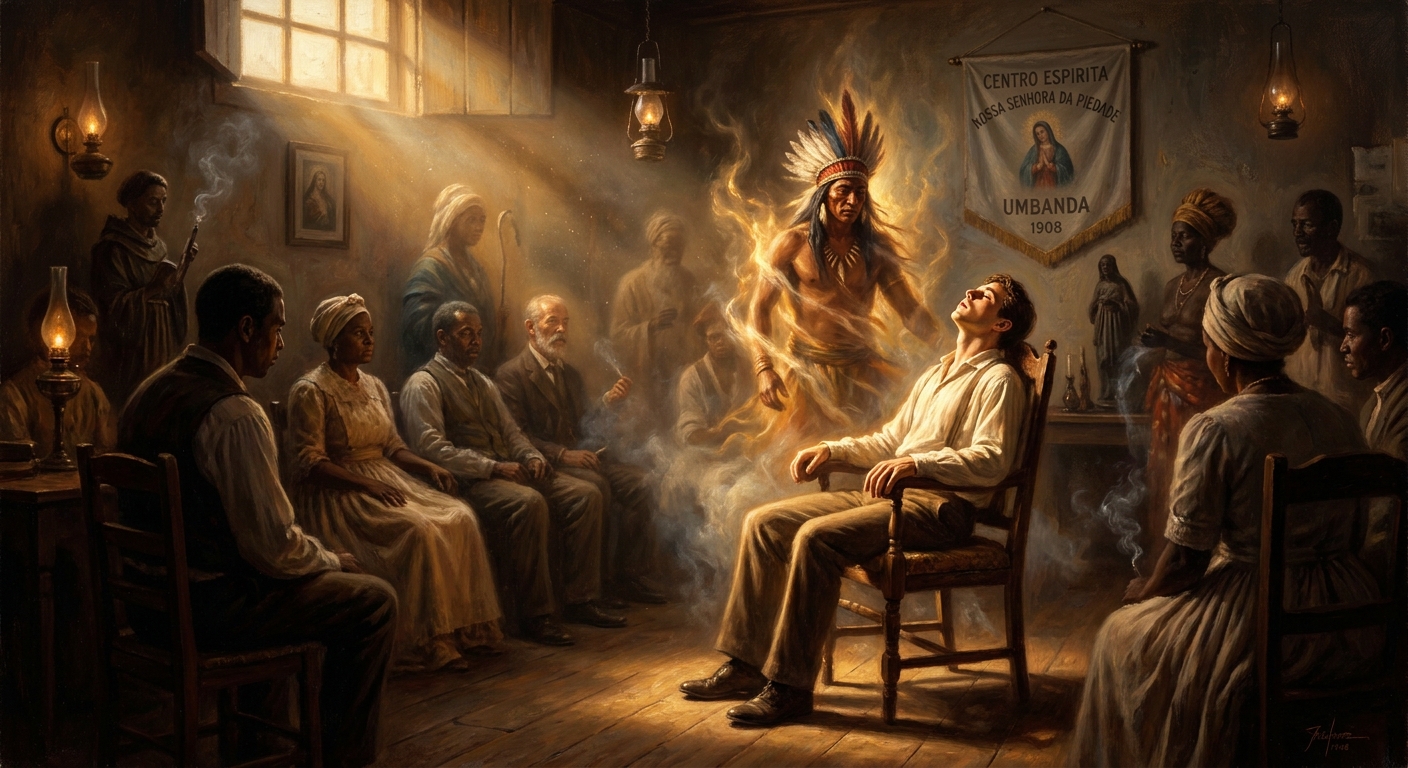
November 15, 1908 (Capone, Searching for Africa in Brazil), Niterói: 17-year-old medium Zélio Fernandino de Moraes channeled the Caboclo das Sete Encruzilhadas at a Kardecist séance. The presiding mediums dismissed him as “uncivilized” — coded racism against non-white spirits. The Caboclo declared a new religion founding that night: one honoring African ancestors (Preto Velhos), indigenous spirits (Caboclos), and children (Erês) — what white Spiritism refused. Zélio founded Tenda Espírita Nossa Senhora da Piedade the next day. Within a generation, Umbanda became Brazil’s most racially integrated religion.
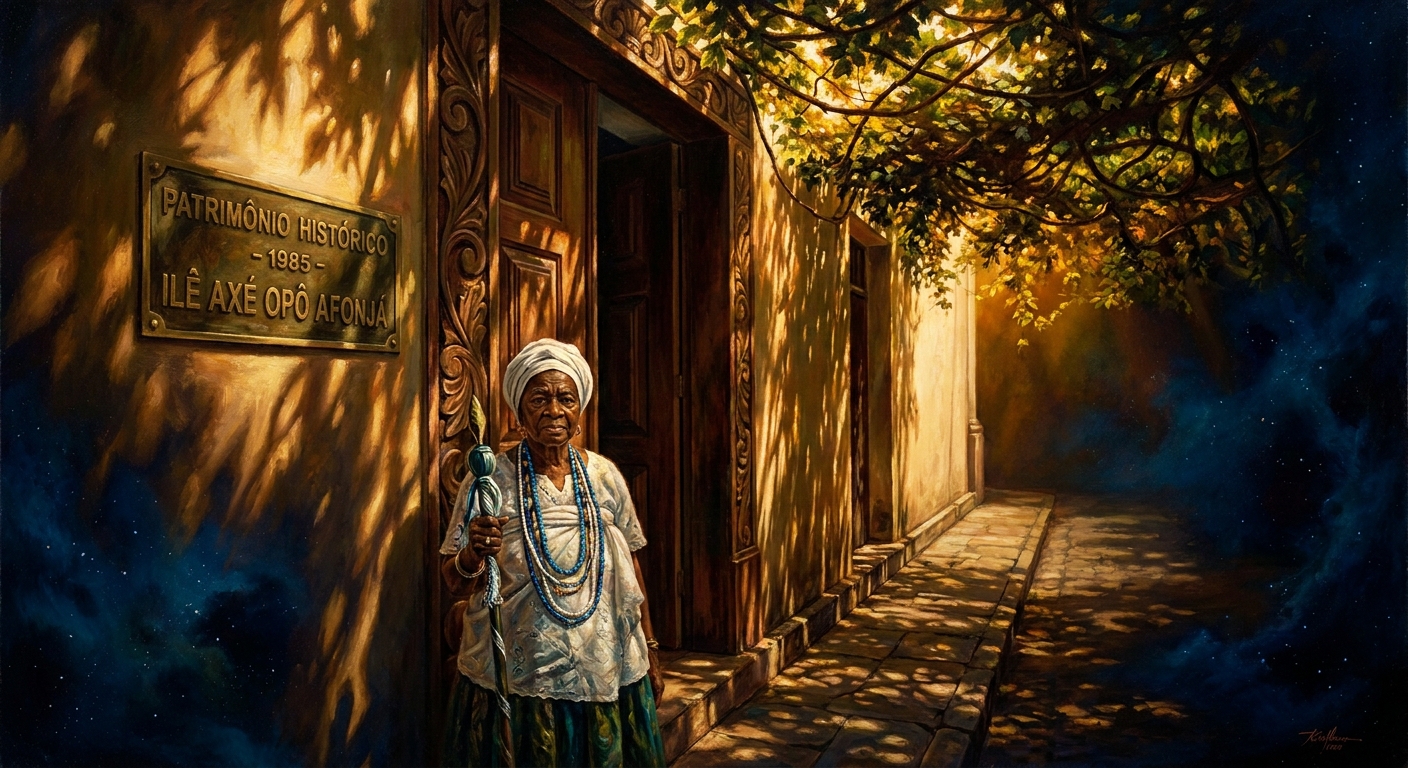
Maria Stella de Azevedo Santos, known as Mãe Stella de Oxóssi (1925-2018) (Harding, A Refuge in Thunder), became mother-of-saint of Opô Afonjá in 1976, holding the throne for 42 years. A nurse, Yoruba speaker, and author, she was Candomblé’s public face. In 1983 (Capone, Searching for Africa in Brazil), she renounced syncretism — declaring Orixás sovereign, not Catholic saints in disguise. She won cultural patrimony status, passed the 2003 Day of the Orixás law, and joined the Bahian Academy in 2013 — first Iyalorixá ever. Educated Brazil could no longer dismiss the tradition.
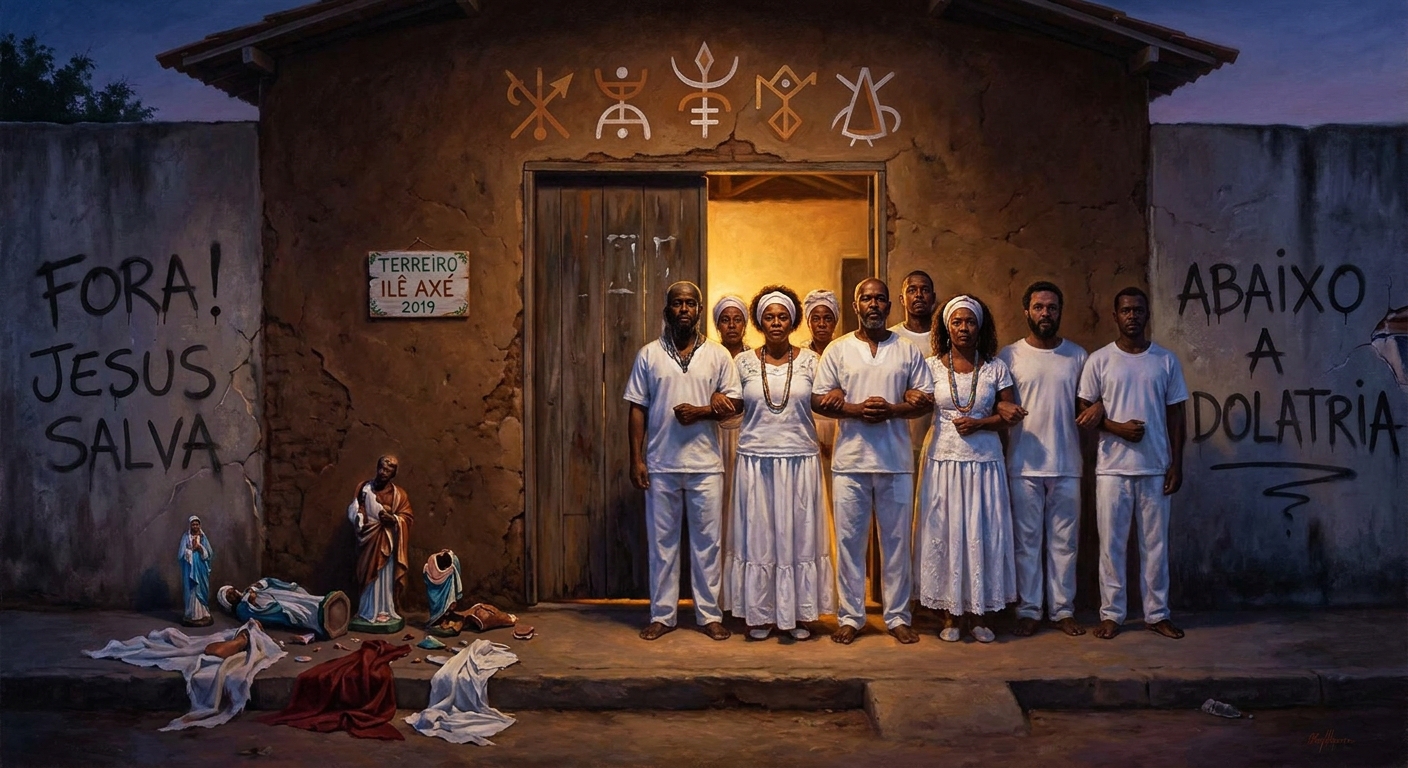
Early 2010s: neo-Pentecostal churches launched systematic persecution. Pastors called Orixás demons on TV. Members vandalized terreiros, smashed objects, set fires. In Rio, evangelical traffickers expelled practitioners from favelas. By 2019, religious-intolerance complaints rose 100%+ in five years (Brazilian Ministry of Human Rights), mostly targeting Afro-Brazilian religions. The terreiros responded: interfaith coalitions, litigation, federal laws criminalizing intolerance, and defiant Iemanjá festivals on Salvador and Rio’s beaches. The 490-year struggle persists. The tradition endures.
Timeline
| Era | Date | Event | Source |
|---|
| Slave Trade Begins | 1530s | First Portuguese ships bring enslaved Africans to Brazilian sugar plantations | Colonial records |
| Yoruba Wars | 1700s-1800s | Collapse of Oyo Empire sends mass enslaved Yoruba to Bahia | Yoruba oral history |
| Quilombo dos Palmares | 1605-1694 | Maroon republic preserves African religious practice | Brazilian colonial archives |
| Candomblé Coalesces | Late 1700s | Yoruba, Fon, and Bantu traditions reorganize as terreiros in Bahia | Verger; Bastide |
| Casa Branca Founded | ~1830 | First formal Candomblé terreiro established in Salvador | Ilê Axé Iyá Nassô Oká records |
| Abolition of Slavery | May 13, 1888 | Brazil becomes last country in Americas to abolish slavery (Lei Áurea) | Brazilian Imperial Decree |
| Umbanda Founded | November 15, 1908 | Zélio de Moraes receives the Caboclo das Sete Encruzilhadas in Niterói | Tenda Espírita records |
| Ilê Axé Opô Afonjá Founded | 1910 | Mãe Aninha codifies Candomblé liturgy after Casa Branca schism | Ilê Axé Opô Afonjá records |
| Vargas Era Persecution | 1930s | Police raids on terreiros under “public health” pretexts | Brazilian National Archives |
| Vargas Grants Protection | 1937 | After Mãe Aninha’s petition, Candomblé gains limited legal status | Vargas decree |
| Mãe Aninha Dies | 1938 | Founder of Opô Afonjá passes; lineage continues | Bahian historical records |
| Mãe Menininha do Gantois | 1922-1986 | Iconic Iyalorixá of Gantois, beloved national figure | Cultural patrimony files |
| Mãe Stella Becomes Iyalorixá | 1976 | Fifth mother-of-saint of Opô Afonjá; modern era begins | Opô Afonjá lineage |
| Mãe Stella Renounces Syncretism | 1983 | Public declaration that Orixás are not Catholic saints | Conferência da Tradição |
| Casa Branca Landmarked | 1984 | First Afro-Brazilian site officially recognized as cultural patrimony | IPHAN registry |
| Brazilian Constitution | 1988 | Religious freedom constitutionally guaranteed | Constituição Federal |
| Day of the Orixás Law | 2003 | Federal law establishes January 21 as Day of the African Tradition | Lei 10.639/2003 |
| Pentecostal Persecution Wave | 2010s | Systematic neo-Pentecostal attacks on terreiros begin | Comissão de Combate à Intolerância |
| Mãe Stella Joins Academy | 2013 | First Iyalorixá elected to the Bahian Academy of Letters | Academia de Letras da Bahia |
| Mãe Stella Dies | December 2018 | Brazil mourns; Candomblé enters new generation of leadership | National obituaries |
| Iemanjá Festival | February 2 (annual) | Largest Afro-Brazilian public festival, Salvador and Rio | Living tradition |
| Religious-Intolerance Crisis | 2019-2024 | Complaints rise 100%+; terreiros organize legal and political resistance | Federal Ministry of Human Rights |
The African Gods Who Crossed the Atlantic and Became Brazilian
Brazil received more enslaved Africans than any other country in the Western Hemisphere — approximately 5 million human beings (Bastide, The African Religions of Brazil), stolen across the Atlantic between the 16th and 19th centuries. The spiritual traditions they carried survived everything: the Middle Passage, the plantation system, the deliberate destruction of families and languages, the forced conversion to Catholicism, and centuries of persecution. What emerged from that crucible were the largest African-derived religious traditions in the Western Hemisphere.
Candomblé — centered in the state of Bahia, with approximately 2 million formal practitioners (Capone, Searching for Africa in Brazil) — preserved the Yoruba Orishas (here called Orixás) with extraordinary fidelity, maintaining African liturgical languages (Yoruba, Fon, and Bantu), drum rhythms, and ritual protocols that have been continuously practiced for over 400 years. The Terreiros (temples) of Salvador, Bahia are living museums of West African spiritual civilization. Some of the oldest, like the Casa Branca do Engenho Velho (founded c. 1830), are UNESCO heritage sites.
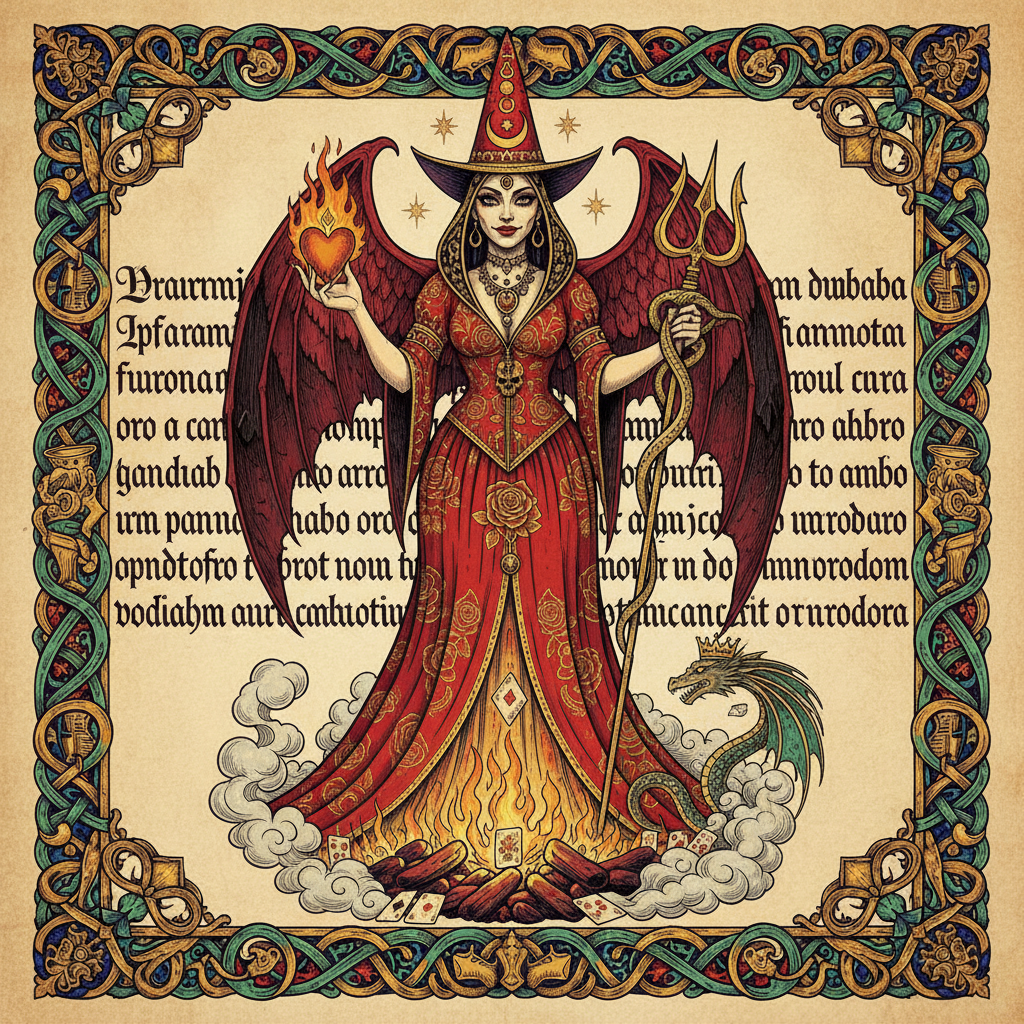
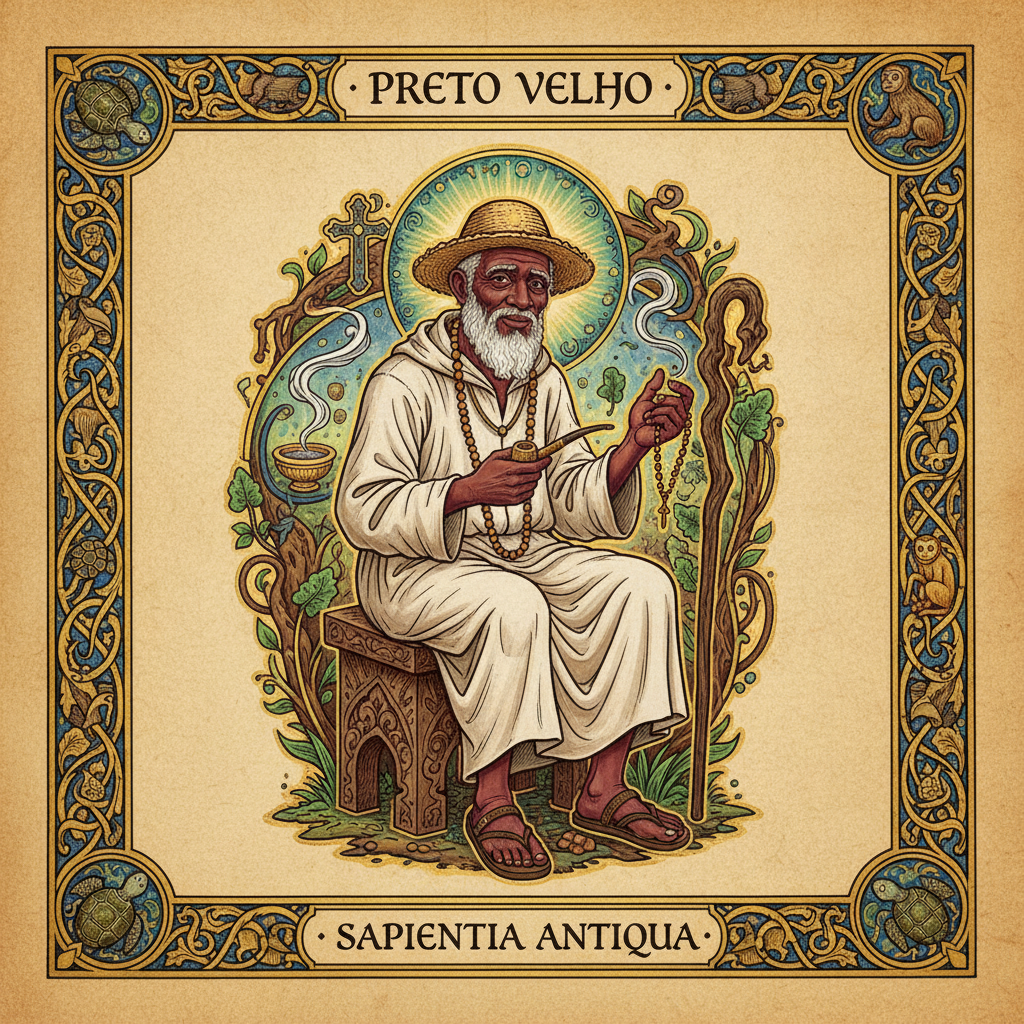
Umbanda — a 20th-century Brazilian synthesis — is something different and remarkable: it fused Candomblé with Spiritism (the philosophy of Allan Kardec), Hindu traditions, and Catholic popular religion to create a genuinely new spiritual system unique to Brazil. Umbanda incorporates the Orixás alongside entirely new categories of spirits — the wise enslaved ancestors (Preto Velhos), the indigenous forest spirits (Caboclos), the child spirits (Erês), and the transgressive feminine spirits (Pomba Giras). It is, in many ways, the most complex spiritual synthesis in the Americas.
What separates the Afro-Brazilian traditions from their Haitian and Cuban cousins is not just geography but the degree of preservation, the scale of practice, and the creation of genuinely new spirits on Brazilian soil. Where Haitian Vodou forged its distinctive identity in revolutionary fire, and Cuban Santeria preserved the Orishas behind Catholic masks with elegant precision, the Brazilian traditions did something even more ambitious: they held the African core while growing entirely new branches.
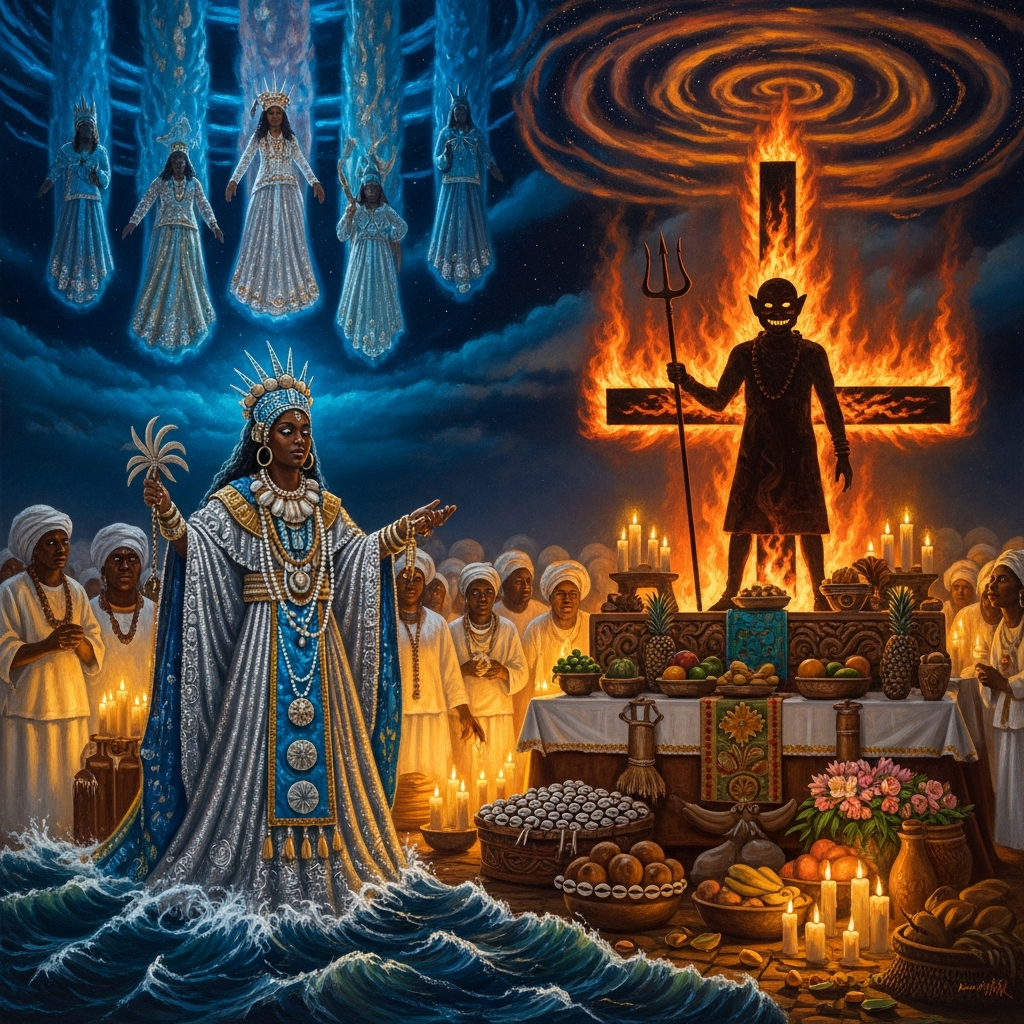
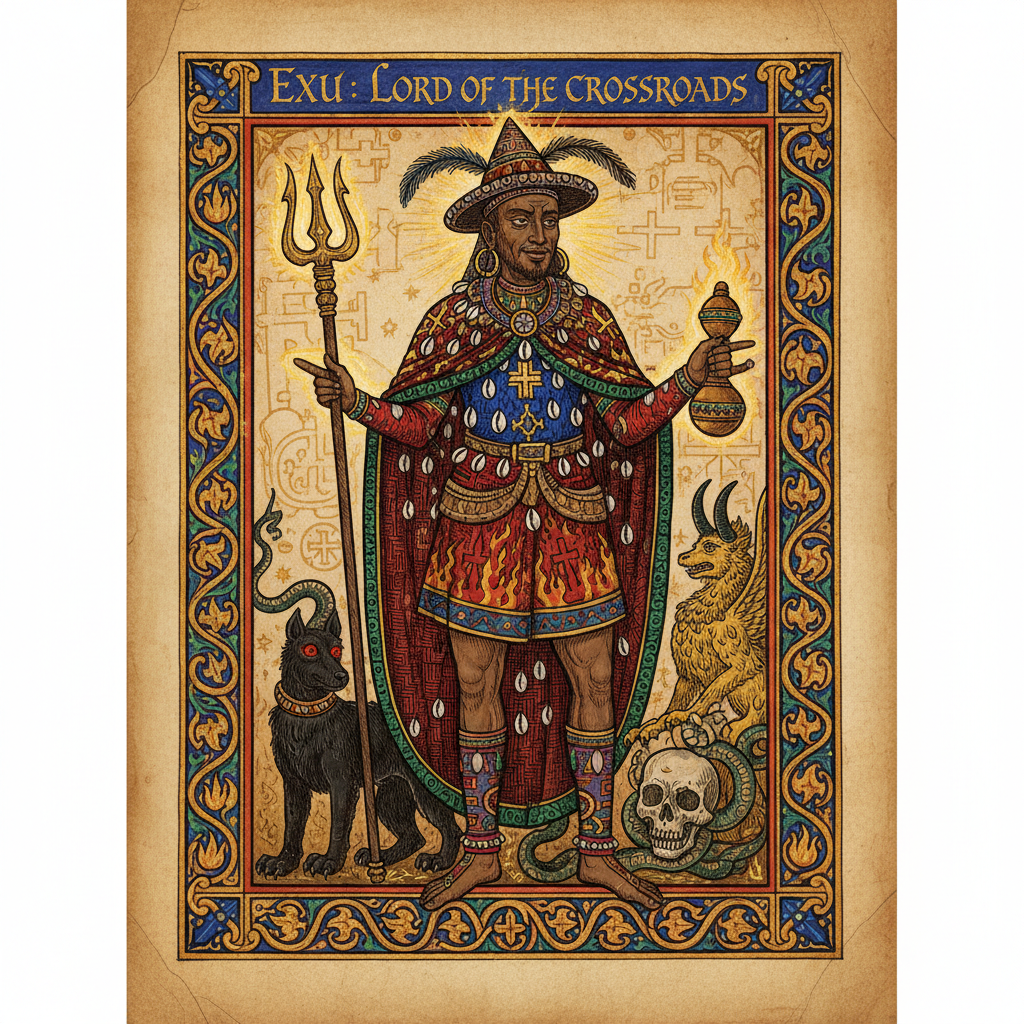
Compare, connect, and be astonished: the same Yoruba deity who is Eshu in Nigeria, Elegguá in Cuba, and Papa Legba in Haiti is Exu in Brazil — and in Umbanda, Exu has been reinterpreted as a figure of darkness and the left-hand path. Same name. Same lineage. Radically different face. This is the miracle and the mystery of diaspora theology: the living tradition responds to its living context.
flowchart TB
    OL["<b>OLODUMARE / OLORUM</b><br/>Supreme Creator<br/>Source of all Axé (divine energy)<br/>Too vast to approach directly"]

    subgraph ORIXAS["The Orixás -- Candomblé (Yoruba-derived)"]
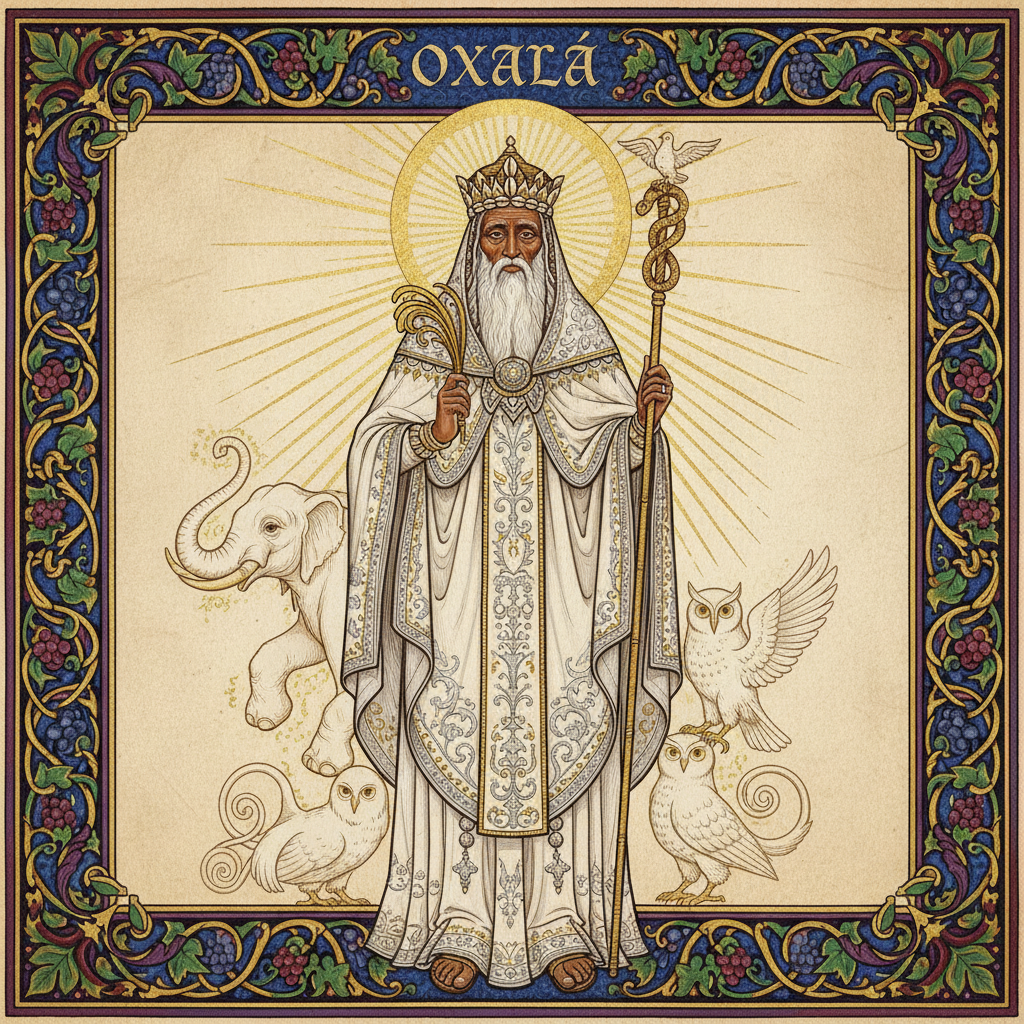
        OX["<b>OXALÁ</b><br/>Creator of Humanity, Supreme Orixá<br/>Wears white / festival of Bonfim"]
        IE["<b>IEMANJÁ</b><br/>Queen of the Sea, Mother of Orixás<br/>New Year's Eve / flowers on the ocean"]
        IA["<b>IANSÃ</b><br/>Wind, Storms, Warrior Goddess<br/>Fiercest female Orixá"]
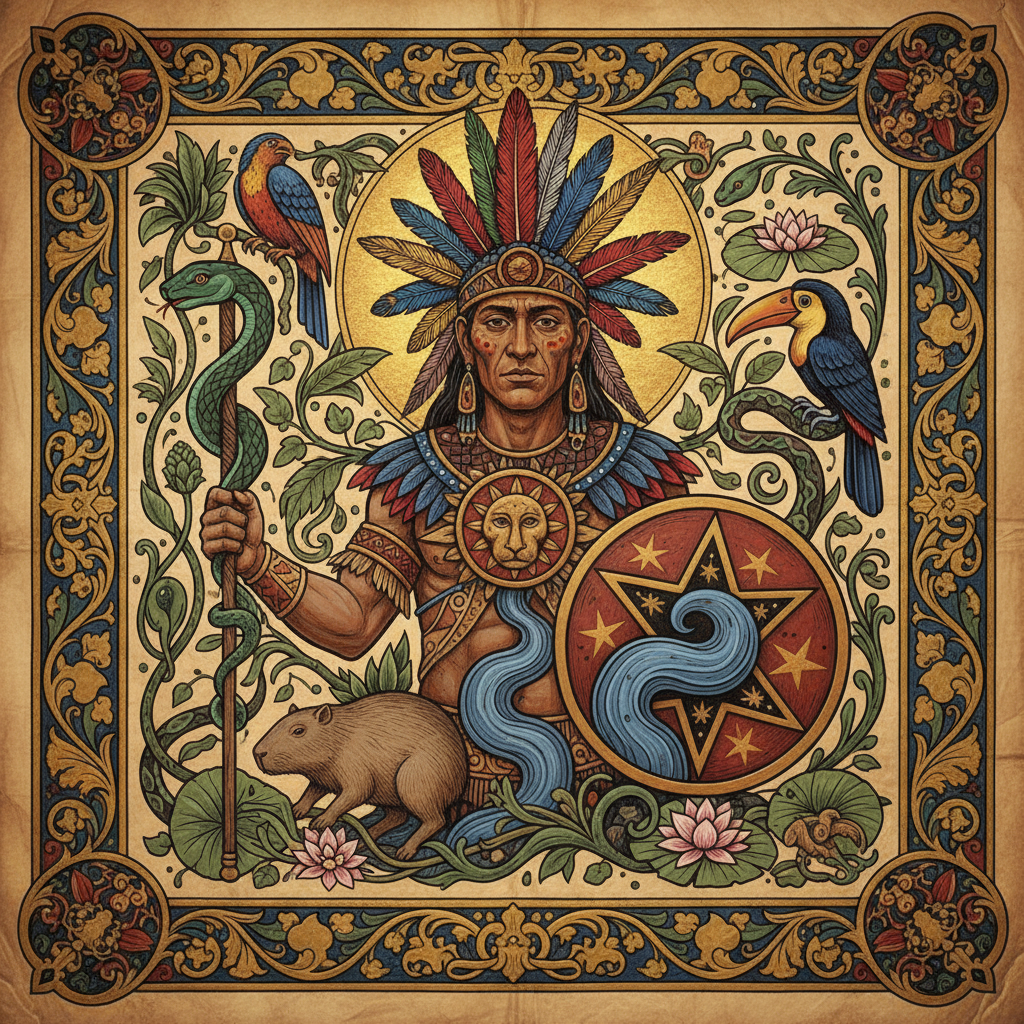
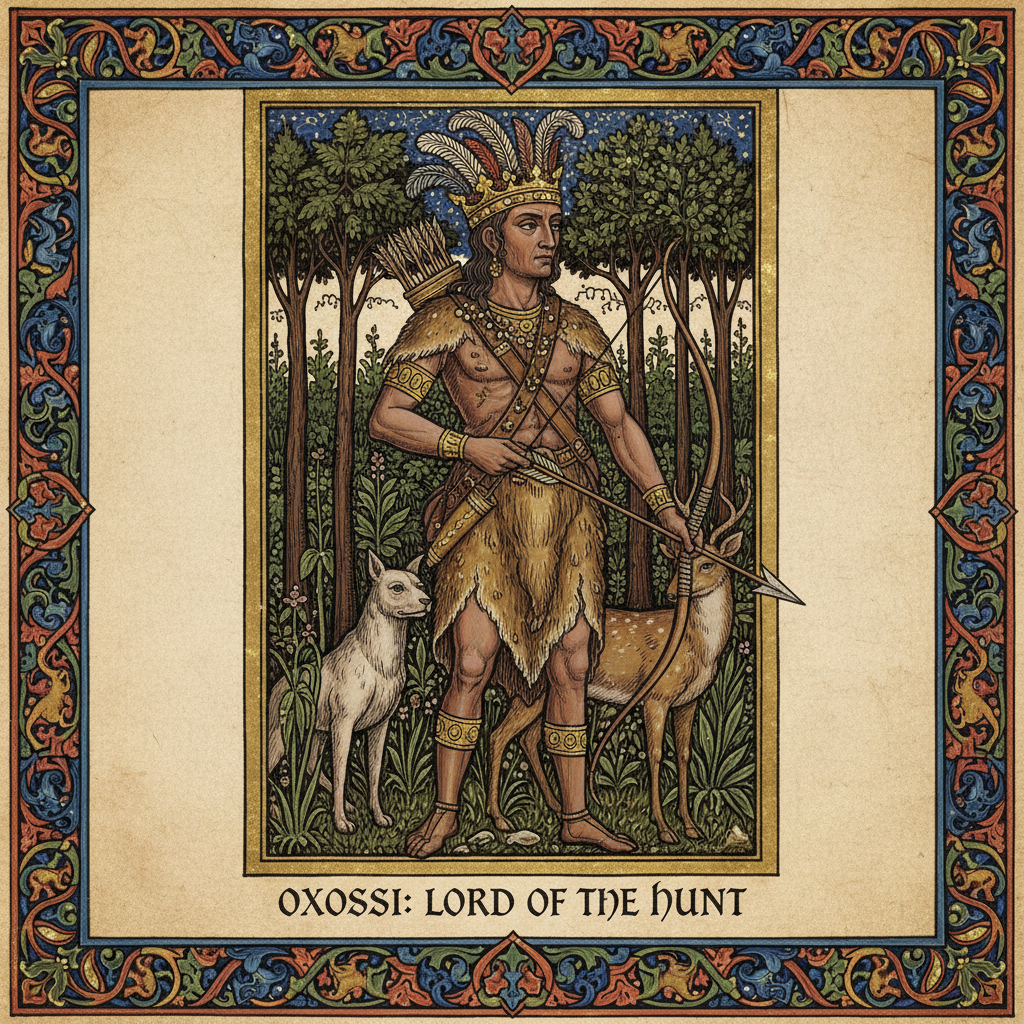
        OX2["<b>OXÓSSI</b><br/>Hunter, King of the Forest<br/>Domain: the Amazon"]
        OG["<b>OGUM</b><br/>Iron, War, Technology<br/>Most widely worshipped in the diaspora"]
        EX["<b>EXU</b><br/>Messenger, Trickster, Opener of Paths<br/>In Umbanda: recast as demonic"]
    end

    subgraph UMBANDA["Umbanda Spirits -- Created in Brazil"]
        PG["<b>POMBA GIRA</b><br/>Female Exu, Crossroads & Feminine Power<br/>No Yoruba prototype -- born in Brazil"]
        PV["<b>PRETO VELHO</b><br/>Spirits of Enslaved Ancestors<br/>Wisdom through suffering"]
        CA["<b>CABOCLO</b><br/>Spirits of Indigenous Brazilians<br/>The land before colonization"]
        ER["<b>ERÊS</b><br/>Child Spirits, Mischievous, Sacred<br/>Adults become children"]
    end

    OL -->|"Axé flows downward"| ORIXAS
    ORIXAS -->|"Govern the cosmos"| UMBANDA
    UMBANDA -->|"Mediate the earthly"| OL
The Centerpiece: One God, Five Countries, Five Names
This is the survival map of a culture that refused to die. The same Yoruba deity, enslaved and carried across the Atlantic, emerged with different names, different faces, and different Catholic disguises in every country where enslaved Africans were taken. The theological core survived. The surface transformed to fit the local religious ecology. The result is a diaspora map of African spiritual survival.
| Orixá (Yoruba) | Nigeria | Cuba (Santeria) | Haiti (Vodou) | Brazil (Candomblé) | Catholic Mask | Why THAT Saint? |
|---|
| Obatala | Creator of human bodies, Father Orixá, white cloth | Obatalá | Damballa (serpent form, not direct equivalent) | Oxalá | Our Lord of Bonfim / Our Lady of Mercy / Jesus | White = purity; creation of the human form; the suffering servant who endures wrongful imprisonment |
| Yemoja | Mother of the ocean, Mother of Orishas | Yemayá | La Sirène | Iemanjá | Our Lady of the Immaculate Conception / Our Lady of Navigators | Mother + ocean + the color blue; New Year’s offerings to the sea |
| Shango | Thunder king, former human king of Oyo | Changó | Ogou (partial overlap) | Xangô | Santa Bárbara | Storms and lightning; red-and-white colors; martyrdom by a king |
| Ogun | Iron, war, path-clearing | Ogún | Ogou Feray | Ogum | São Jorge (St. George) | Iron spear kills the dragon; warrior on horseback; iron as sacred metal |
| Eshu | Messenger, trickster, crossroads | Elegguá | Papa Legba | Exu | Santo Antônio / Child of Atocha (Candomblé); complex in Umbanda | Finder of lost things; wandering child-like figure; crossroads guardian |
| Oya | Wind, storms, death, transformation | Oya | Maman Brigitte (death aspect) | Iansã | Santa Bárbara (shared with Xangô in Brazil) | Storms and lightning; the woman who called down fire on her persecutor |
| Ochosi | Hunter, tracker, justice | Ochosi | — | Oxóssi | São Sebastião | Arrows; the forest; swift and unerring justice |
| Babalu-Aye | Disease and healing | Babalu-Aye | — | Omolu / Obaluaê | São Lázaro / São Roque | Covered in sores; accompanied by dogs; the outcast who heals |
| Oshun | Rivers, love, beauty, diplomacy | Ochún | Erzulie Freda | Oxum | Nossa Senhora da Conceição / Our Lady of Aparecida | Sweetwater; the feminine divine; gold; love and fertility |
What this table proves: The Yoruba diaspora achieved something without parallel in religious history. A single West African spiritual tradition, forcibly dispersed across three major colonial zones (French, Spanish, Portuguese), developed three distinct but recognizably related religious systems — Vodou, Santeria/Lukumi, and Candomblé — each with its own distinctive character while maintaining the recognizable DNA of the original. The Catholic masks are different in each country because the local Catholic traditions were different; the colors and offerings evolve; the mythology expands to incorporate local realities (the Amazon for Oxóssi; the New Year for Iemanjá; the Haitian Revolution for Ezili Dantó). But beneath all of this: the same Orishas, the same theological structure (supreme God who works through intermediaries, spirit possession, animal sacrifice, drums as divine language), the same insistence that the divine is present and immediate and can be called.
The tradition that slaveholders tried to extinguish is practiced today by an estimated 2 million Candomblé practitioners in Brazil alone, with millions more who participate in Umbanda, who throw flowers into the sea at New Year’s, who keep a statue of São Jorge (Ogum) in their homes, and who, whether or not they use this language, carry within them the spiritual technology of the Yoruba diaspora.
The Living Tradition
Candomblé and Umbanda are not historical relics. They are living, growing traditions practiced by millions of Brazilians across every social class, in every major city, in terreiros that range from small rooms in favelas to grand ceremonial spaces in Salvador that receive scholars from around the world. The Terreiro do Gantois, the Axé Ilê Obá, the Casa Branca do Engenho Velho — these are institutions of continuous religious practice founded by formerly enslaved people and their descendants, maintained without interruption for over 150 years.
They are also traditions under active persecution. The rise of evangelical Protestantism in Brazil — which now constitutes approximately 30% of the population — has brought with it a wave of anti-Candomblé and anti-Umbanda religious violence. Terreiros have been attacked and burned. Practitioners have been harassed. The evangelical tradition’s identification of Orixás as demons has produced real-world violence against real communities. This is not ancient history — it is 2024 news.
The Orixás, for their part, have survived worse. They survived the Middle Passage. They survived the plantation system. They survived two centuries of legal prohibition. They will survive Brazilian evangelicalism. The roots are numerous and deep.
- Roger Bastide, The African Religions of Brazil: Toward a Sociology of the Interpenetration of Civilizations (Princeton University Press, 1978) — the foundational academic treatment of Candomblé
- Rachel Elizabeth Harding, A Refuge in Thunder: Candomblé and Alternative Spaces of Blackness (Indiana University Press, 2000) — the history and theology of Candomblé in Bahia
- J. Lorand Matory, Black Atlantic Religion: Tradition, Transnationalism, and Matriarchy in the Afro-Brazilian Candomblé (Princeton University Press, 2005) — the transatlantic connections of Candomblé
- Stefania Capone, Searching for Africa in Brazil: Power and Tradition in Candomblé (Duke University Press, 2010) — critical analysis of African authenticity claims in Candomblé
- Diana DeG. Brown, Umbanda: Religion and Politics in Urban Brazil (University of Michigan Press, 1994) — the definitive English-language study of Umbanda
- Robert Farris Thompson, Flash of the Spirit: African and Afro-American Art and Philosophy (Random House, 1983) — the visual theology of the African diaspora
- Sandra T. Barnes, ed., Africa’s Ogun: Old World and New (Indiana University Press, 1989) — Ogun/Ogum across traditions
- Pierre Verger, Orixás: Deuses Iorubás na África e no Novo Mundo (Editora Corrupio, 1981) — the photographic and ethnographic documentation of Candomblé (essential)
- Reginaldo Prandi, Mitologia dos Orixás (Companhia das Letras, 2001) — the Brazilian mythological corpus of the Orixás
- Paul Christopher Johnson, Secrets, Gossip, and Gods: The Transformation of Brazilian Candomblé (Oxford University Press, 2002) — contemporary ritual theory and practice in Candomblé
- Jualynne E. Dodson, Sacred Spaces and Religious Traditions in Orisha, Vodou, Santeria, and Candomblé: Divinity and the Body (2008) — comparative African diaspora religions

 LEGENDARY
  RARE
RARE 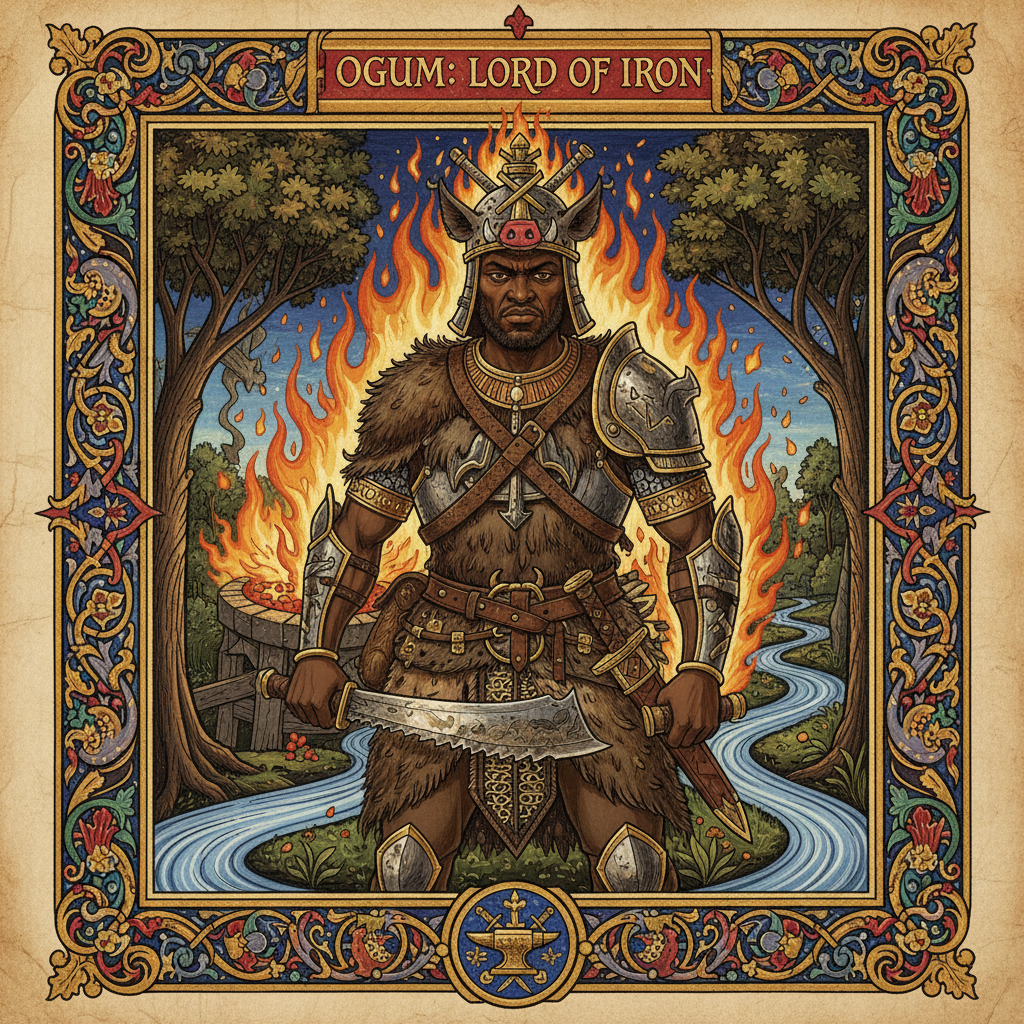 MYTHIC
  LEGENDARY
  LEGENDARY
  MYTHIC
  LEGENDARY