African
African
Tradition narrative — 3 sections
Overview: Three Traditions, One Spiritual Cosmos
Yoruba religion has dominated Western scholarship of African traditions, but other systems are equally ancient, equally alive, and equally rich. This section covers three:
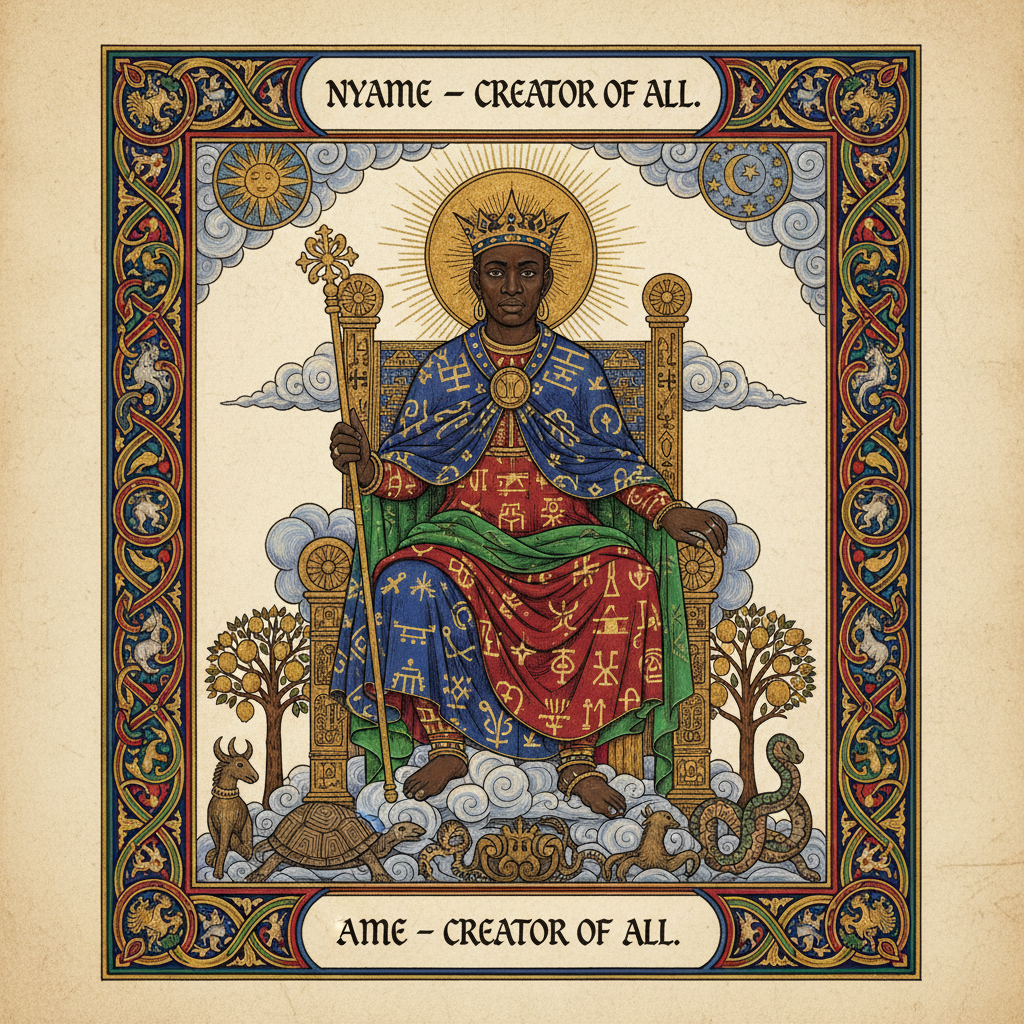
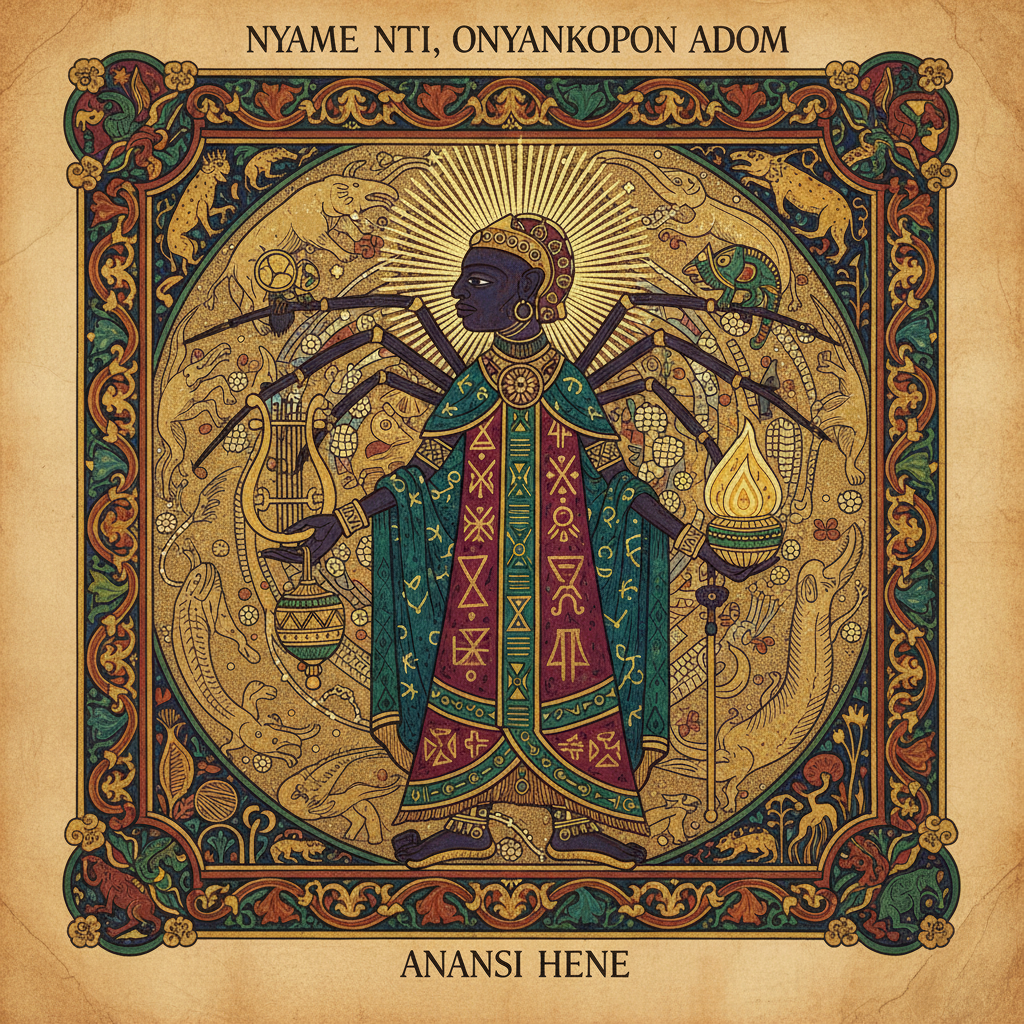
- Akan (Ghana, Ivory Coast) — a cosmology centered on the spider trickster Anansi and the supreme sky god Nyame
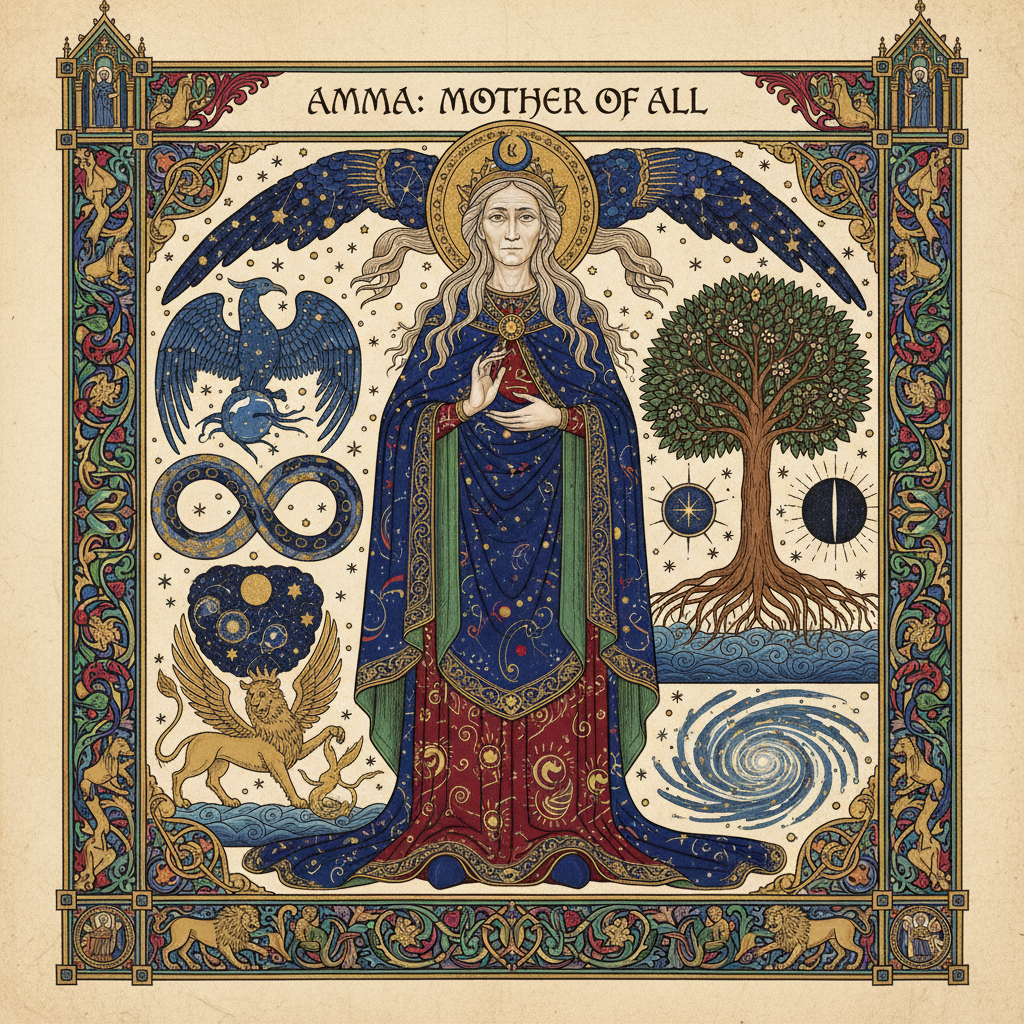
- Dogon (Mali) — famous for sophisticated cosmological science encoded in myth, centered on Amma the creator and the amphibious Nommo
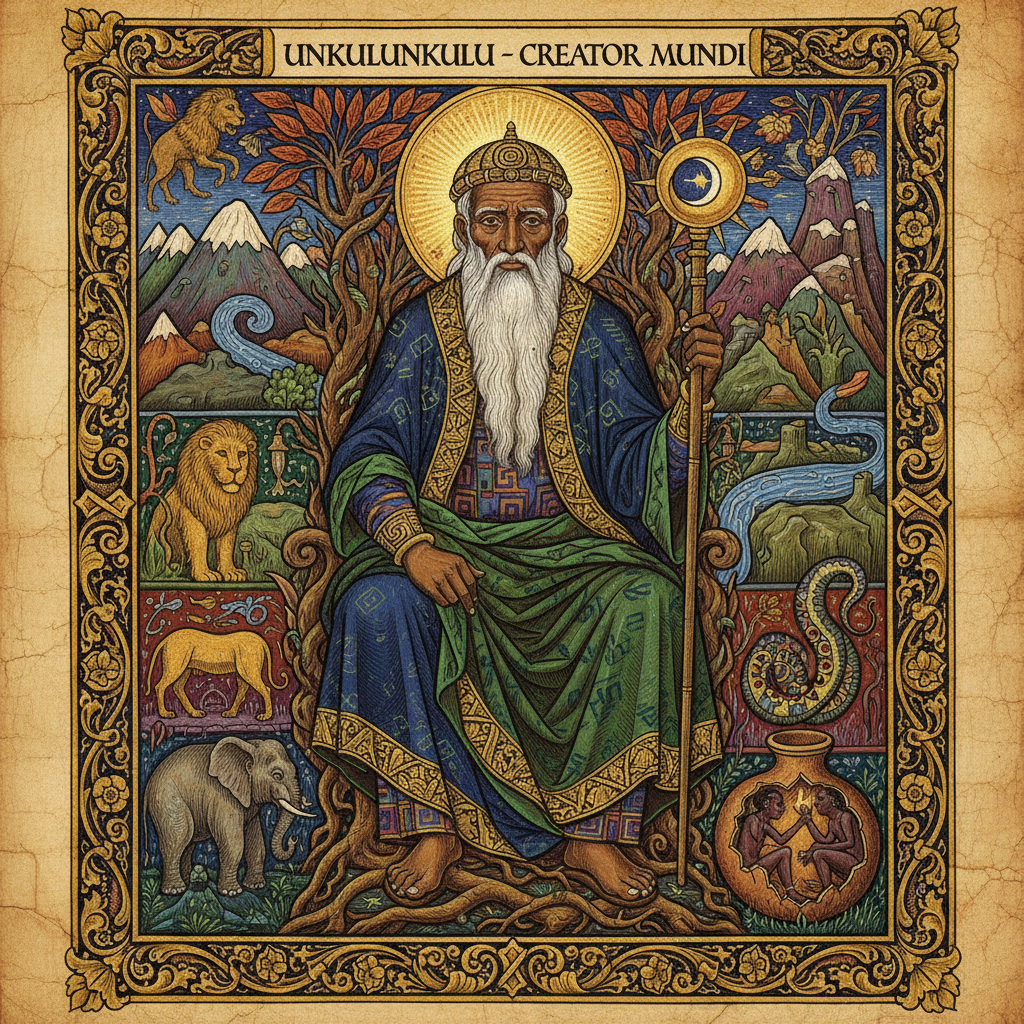
- Zulu (South Africa) — a living tradition with ancestors at the center and water spirits demanding respect
These are not museum pieces. The Akan still consult proverbs encoded in Adinkra symbols (Kwame Asante, Afrologia). The Dogon maintain their astronomical knowledge. The Zulu invoke Unkulunkulu and speak of the tokoloshe as a real spiritual threat. Living theologies.
The centerpiece is Anansi’s Stories — one of mythology’s most remarkable explanations for human culture itself: how a spider, through wit and audacity, came to own all stories, all knowledge, all narrative authority in the world.
Cross-Tradition Analysis: The Trickster Function
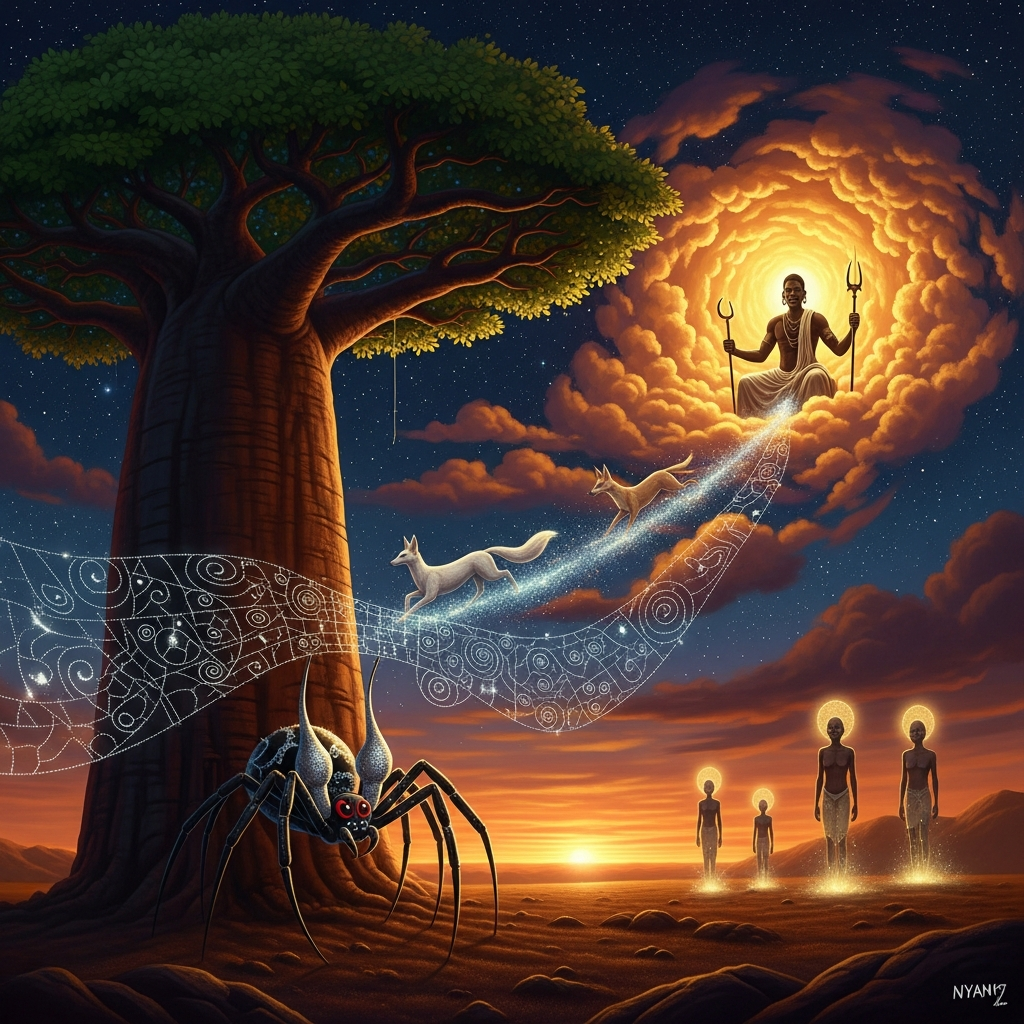
Both Anansi (Akan) and Ogo (Dogon) serve as cosmic tricksters, but they function differently:
| Function | Anansi | Ogo |
|---|---|---|
| Origin | Earthly spider; clever; smaller than other powers | Primordial being; part of the cosmic creation process |
| Method | Speed, wit, social manipulation | Theft; chaotic disruption of order |
| Consequence | Gains narrative authority; elevates himself | Transforms into a pale fox; remains tied to cosmic disorder |
| Relationship to Order | Tricks the powerful but respects the system | Disrupts the system itself |
| Purpose | Survival and story-ownership | Chaos as necessary principle |
Both tricksters are necessary (Peggy Appiah, R.S. Rattray, Marcel Griaule, oral tradition). Anansi teaches that cleverness overcomes power. Ogo teaches that chaos is woven into creation’s fabric.
Sources and Further Reading
- Appiah, Peggy. Ananse the Spider: Tales from an Ashanti Village. Pantheon Books, 1966.
- Rattray, R.S. Akan-Ashanti Folktales. Oxford University Press, 1930.
- Rattray, R.S. Religion and Art in Ashanti. Oxford University Press, 1927.
- Griaule, Marcel. Conversations with Ogotemmêli: An Introduction to Dogon Religious Ideas. Oxford University Press, 1965.
- Griaule, Marcel & Germaine Dieterlen. The Pale Fox. University of Chicago Press, 1986.
- Asante, Kwame. Afrologia: An Introduction to African Epistemology. Temple University Press, 2002.
- Parrinder, Geoffrey. West African Religion: A Study of the Beliefs and Practices of Akan, Ewe, Yoruba, Ibo, and Kindred Peoples. Epworth Press, 1949.
- Mbiti, John S. African Religions and Philosophy. Heinemann, 1969.
- van Beek, Walter E.A. “Dogon Cosmology and Mythology.” Journal of Religion in Africa, various articles, 1991-2015.
- Zulu oral tradition; contemporary South African ethnographic documentation
- Sangoma and traditional healer interviews (contemporary)
Last Updated: April 24, 2026
Apex of African
Adinkra Symbols
The Visual Philosophy System
Wisdom, philosophy, moral instruction, cosmic principlesAmma
The Creator God Who Threw the Clay Ball
Creation, the primordial act, all existence that followsAnansi
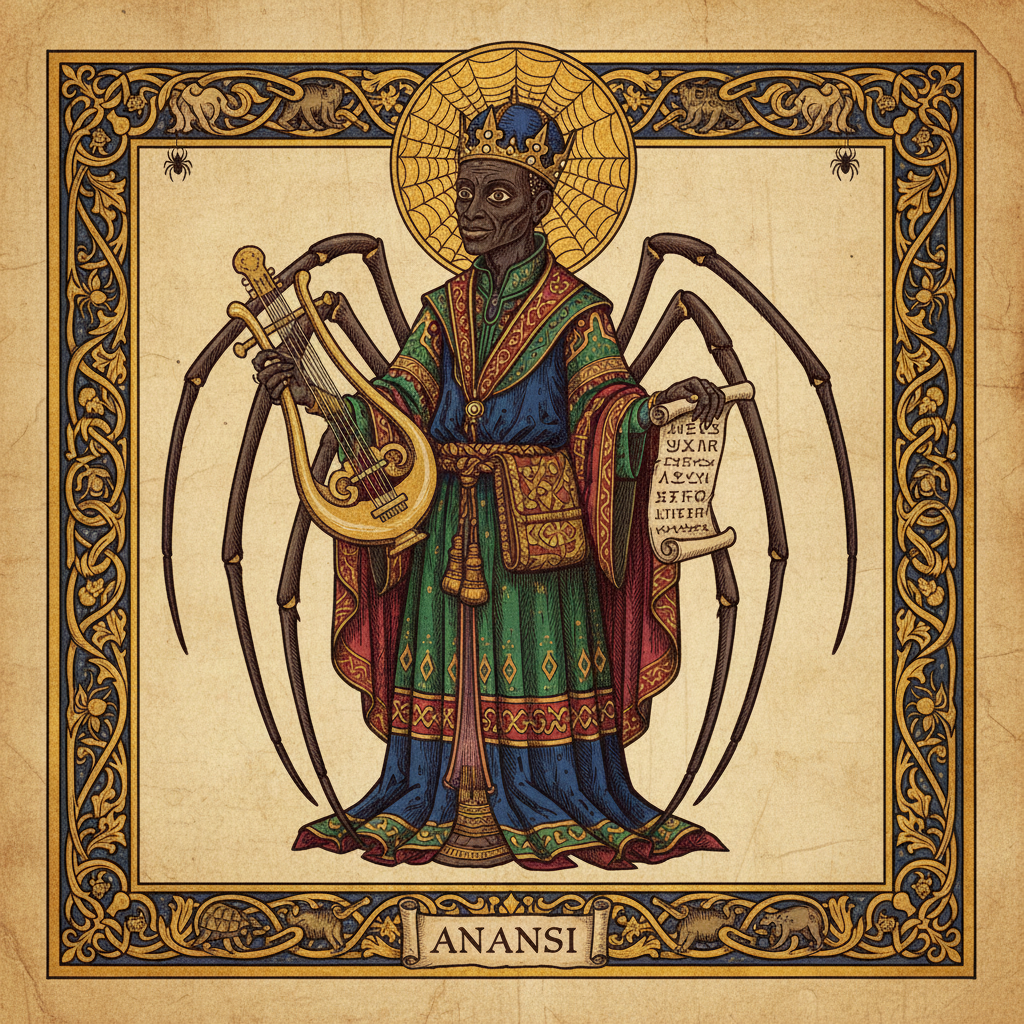
The Spider Who Owns All Stories
Stories, cunning, transformation, survival through witAsase Yaa
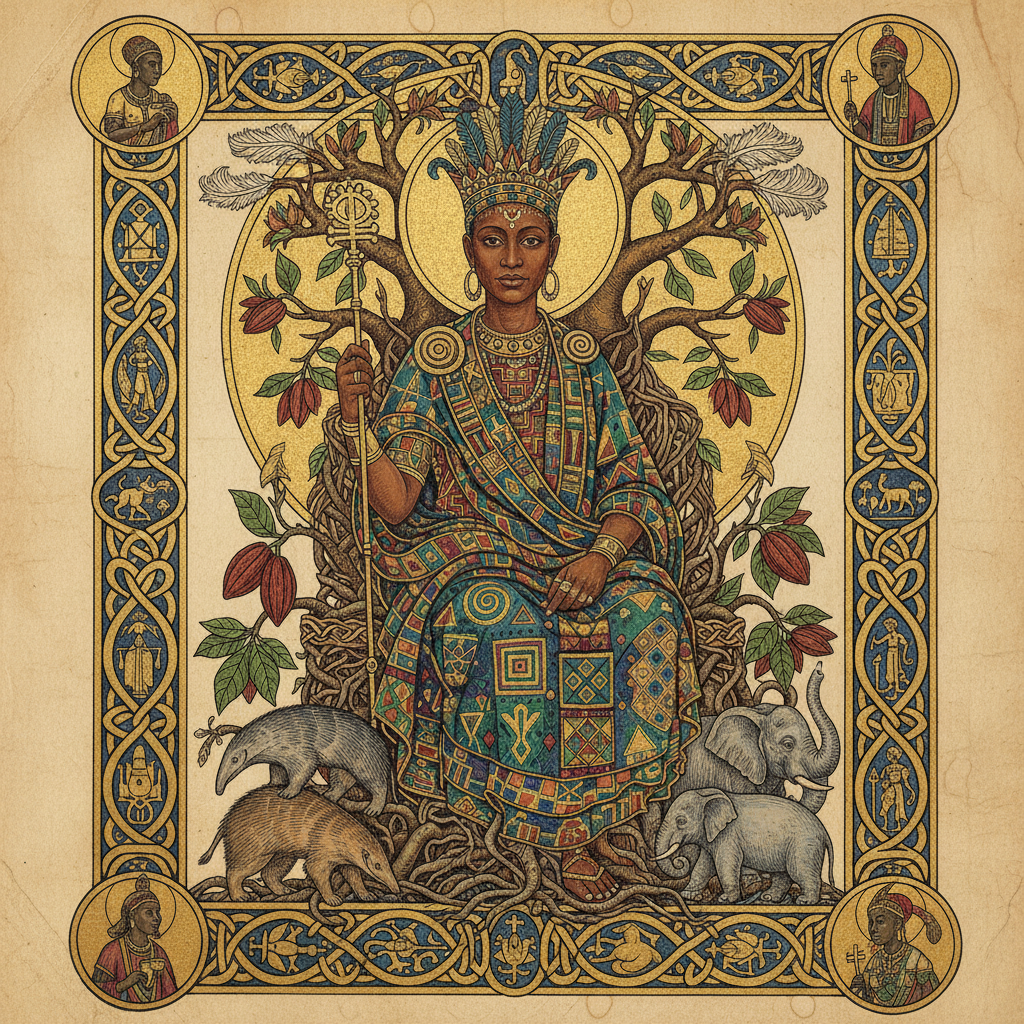
The Earth Goddess, Mother of Thursdays
Earth, fertility, agriculture, women, childbirth, the cycle of lifeMamlambo
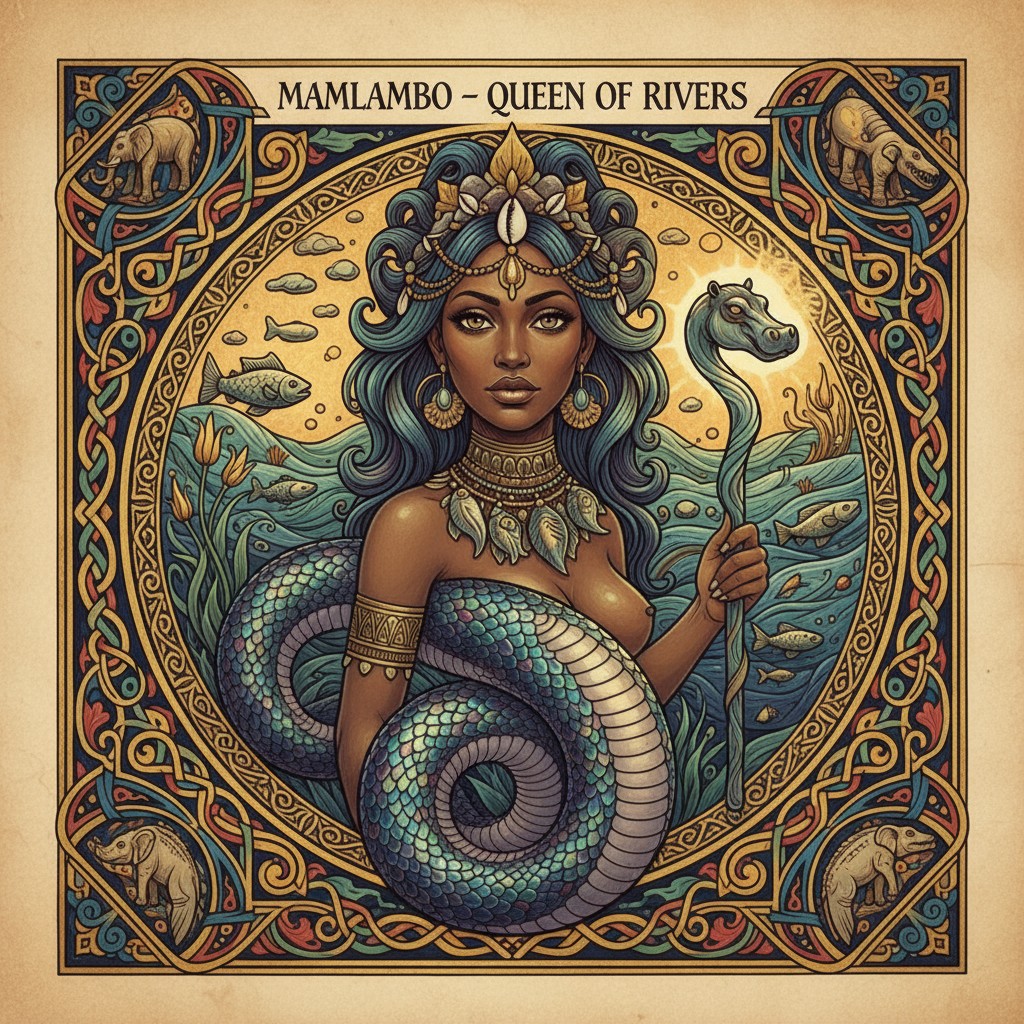
The Brain-Sucking River Monster, Half Horse Half Fish
Rivers, water, danger, mysterious deaths, possessionNommo
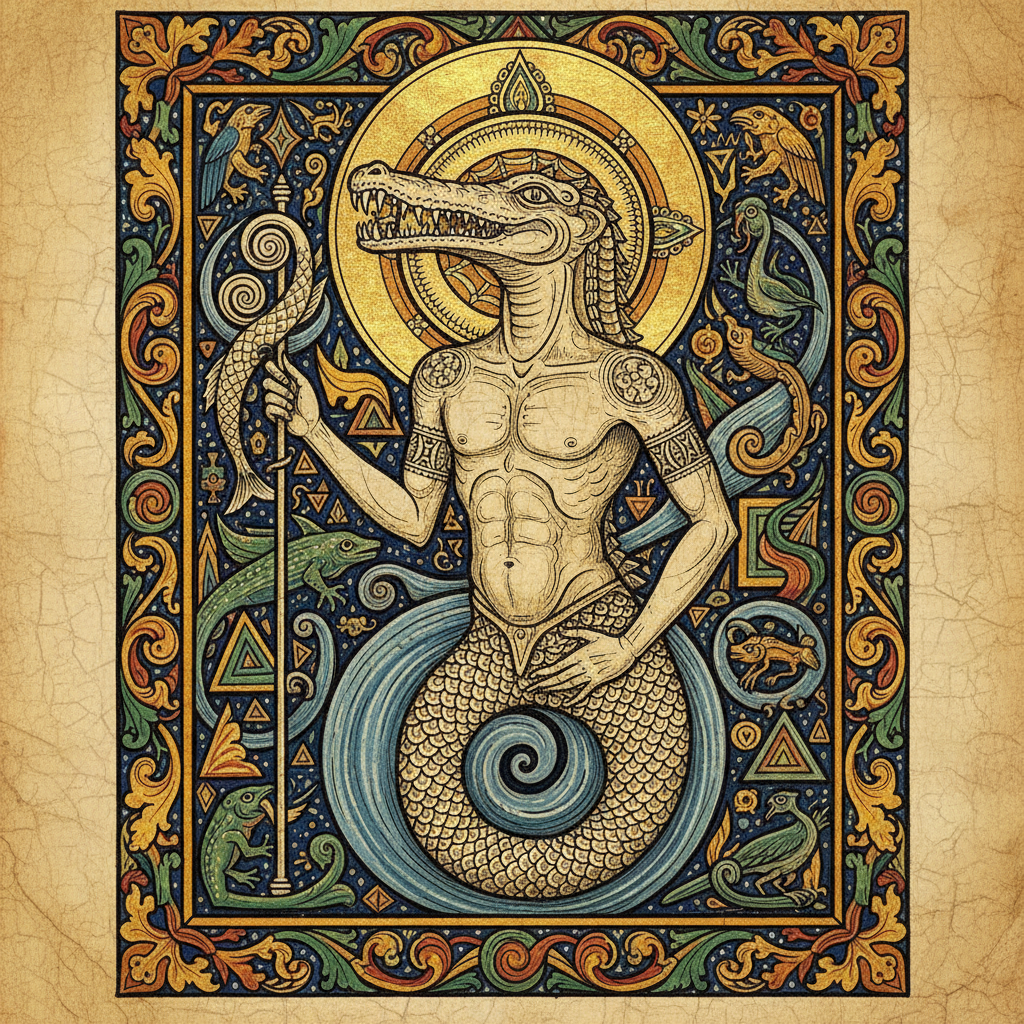
The First Living Beings, Amphibious Teachers
Water, civilization, language, agriculture, sacrificeNyame
The Sky God Who Withdrew
Sky, creation, ultimate authority, all existenceOgo / Pale Fox
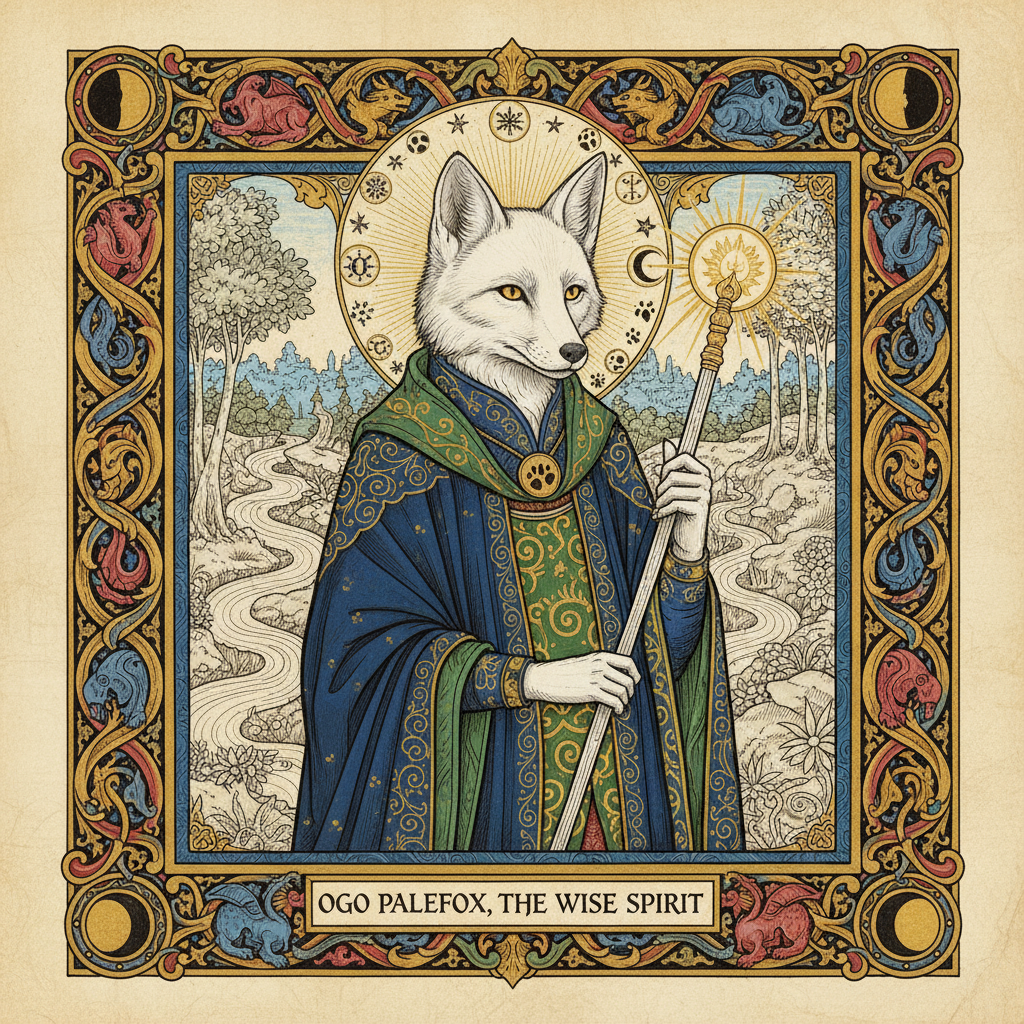
The Trickster Who Stole the Universe's Placenta
Chaos, theft, deception, the disruption necessary for changeTokoloshe
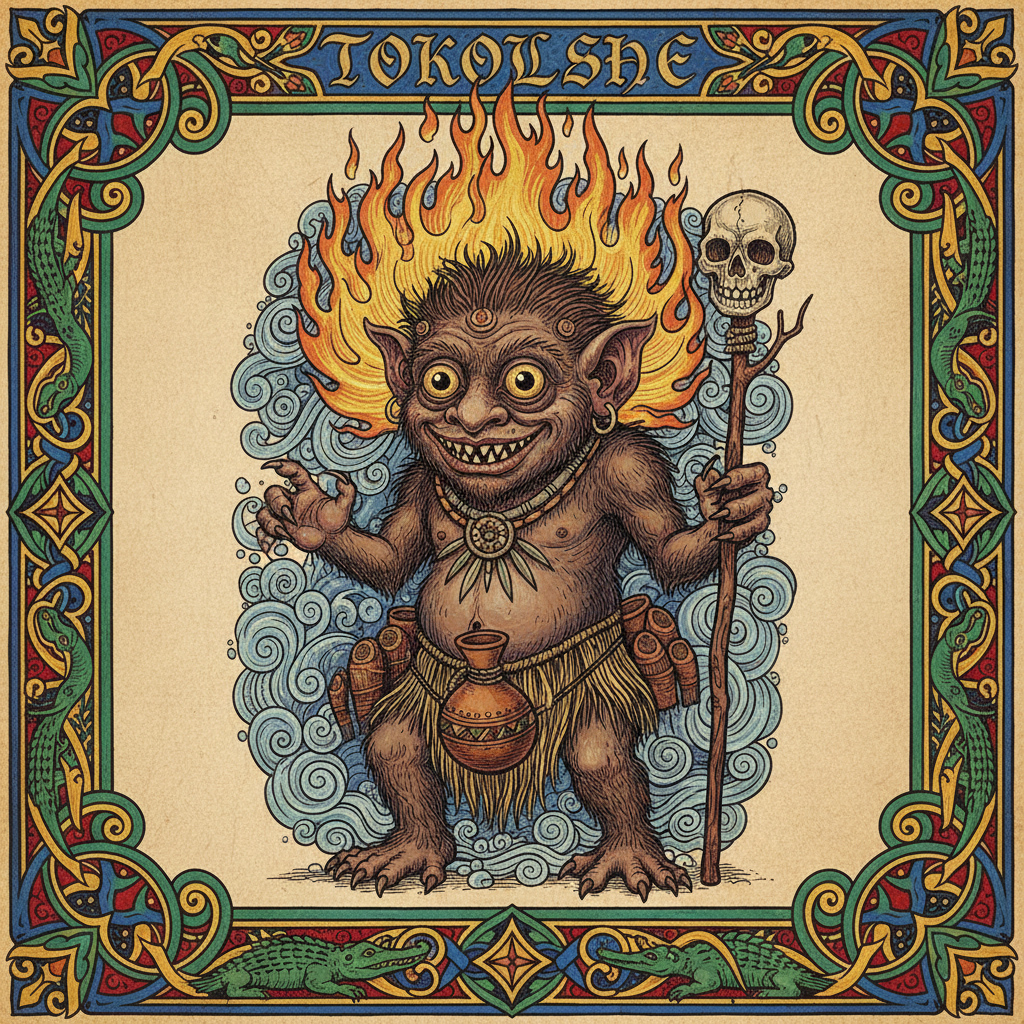
The Dwarf Water Spirit That Lives Under Beds
Water, mischief, malice, nocturnal haunting, small spacesUnkulunkulu
"The Old Old One" Who Emerged from the Reed Bed
Creation, emergence, the principle of beginning, all Zulu life