The Story
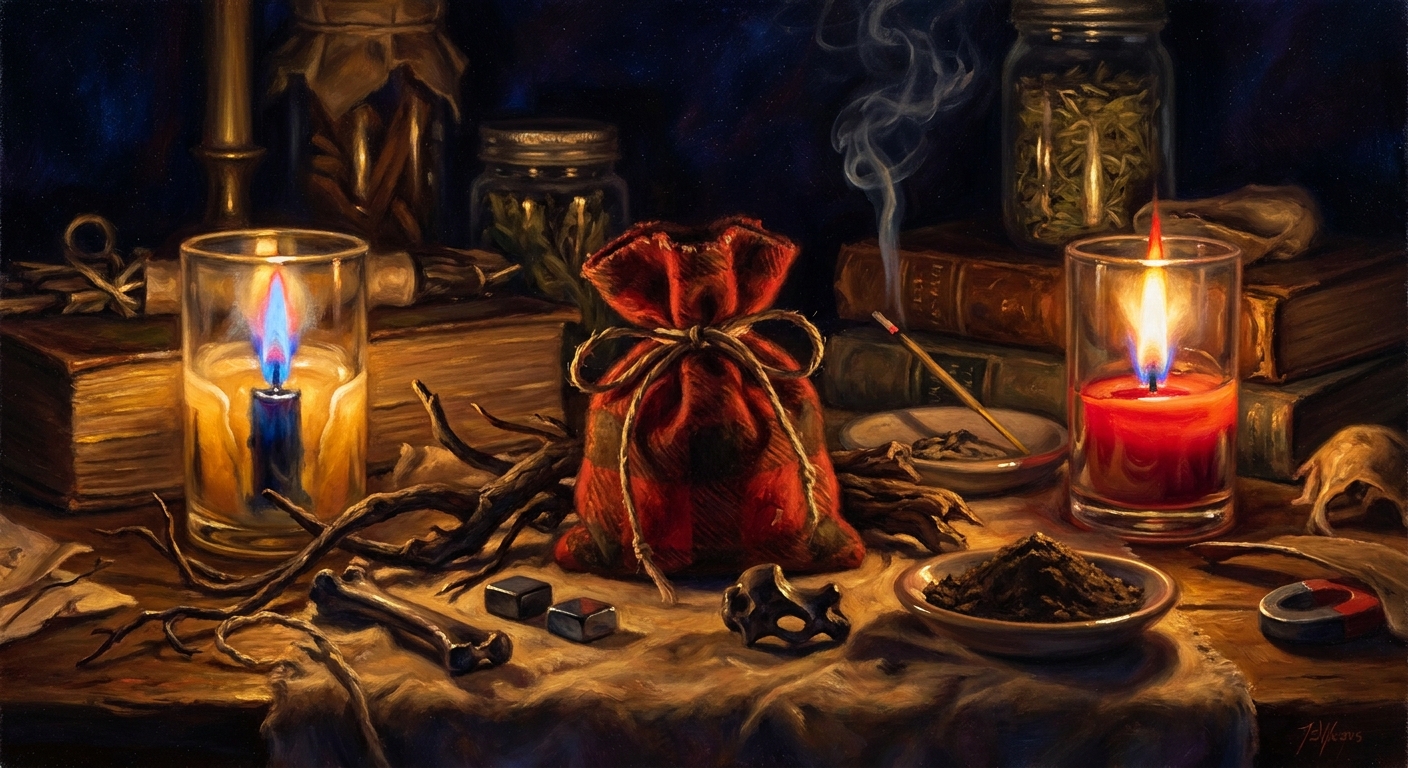
Hoodoo is what a people builds when stripped of everything but memory. Not a religion — no church, creed, or ordained clergy — but a magico-medicinal folk practice that coexists with Black Christianity as comfortably as breathing. A rootworker deacons on Sunday. A conjure woman sings gospel and dresses candles at midnight. No contradiction.
The origins are brutal. When West and Central Africans (Bantu and Kongo peoples especially) were forced into the American South’s cane and cotton fields, the system was engineered to break communal religion (Chireau, Black Magic, 2003). Families shattered at auction. African languages forbidden. Drums outlawed after the Stono Rebellion (1739) for fear they might carry coded messages. Unlike Cuba or Haiti — where African religious communities sometimes held structure — the American South made organized African religion impossible (Chireau). What survived: practice. The knowledge of roots, crossroads, how spirits are approached. Carried in heads. Passed one apprentice at a time.
That knowledge fused with whatever was available. Native American herbalism shared plant lore. European folk magic (Scots-Irish, Pennsylvania Dutch) brought grimoires: the Long Lost Friend, the Sixth and Seventh Books of Moses. The King James Bible — often the only permitted book — became a spellbook (Hurston, Mules and Men, 1935), its Psalms (23, 35, 37, 91) specific tools. African cosmology, Native pharmacology, European grimoires, Christian dress, entirely African American sensibility.
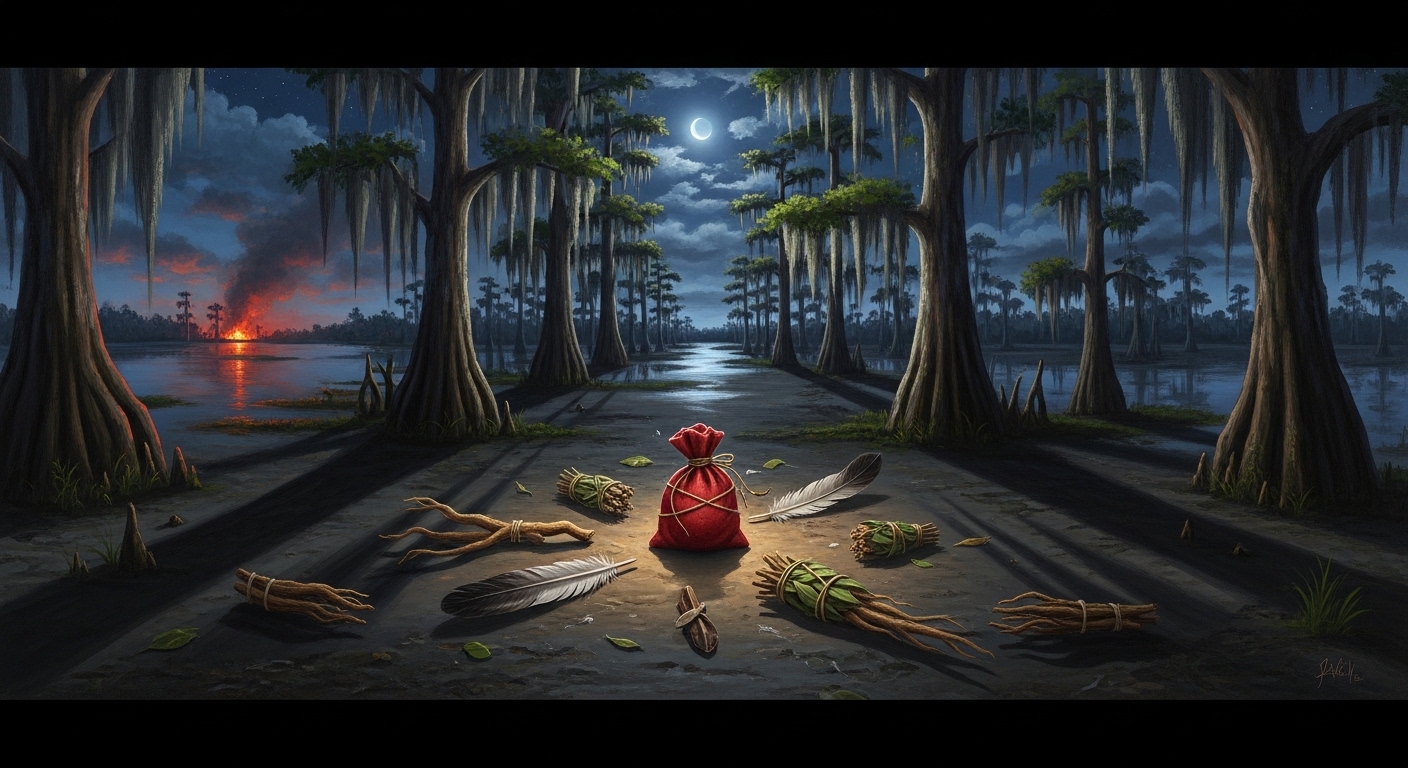
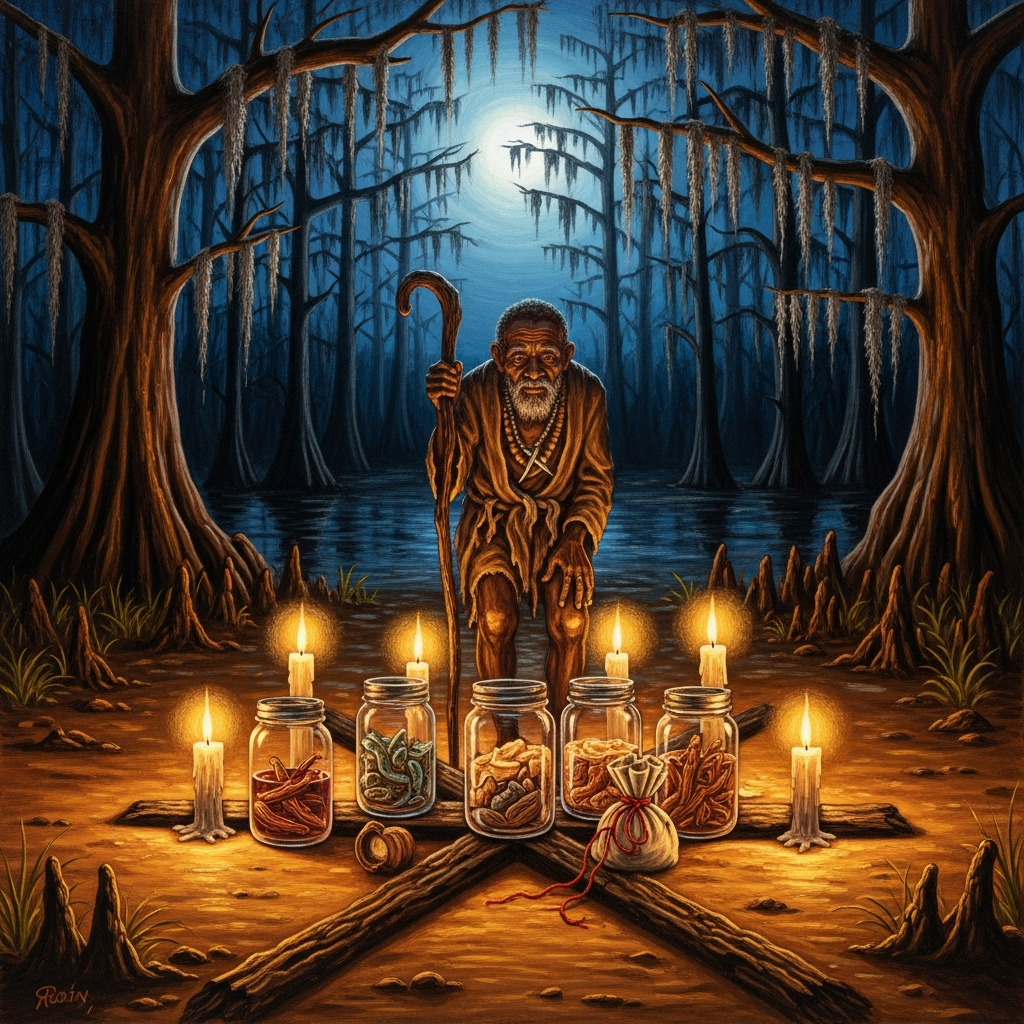
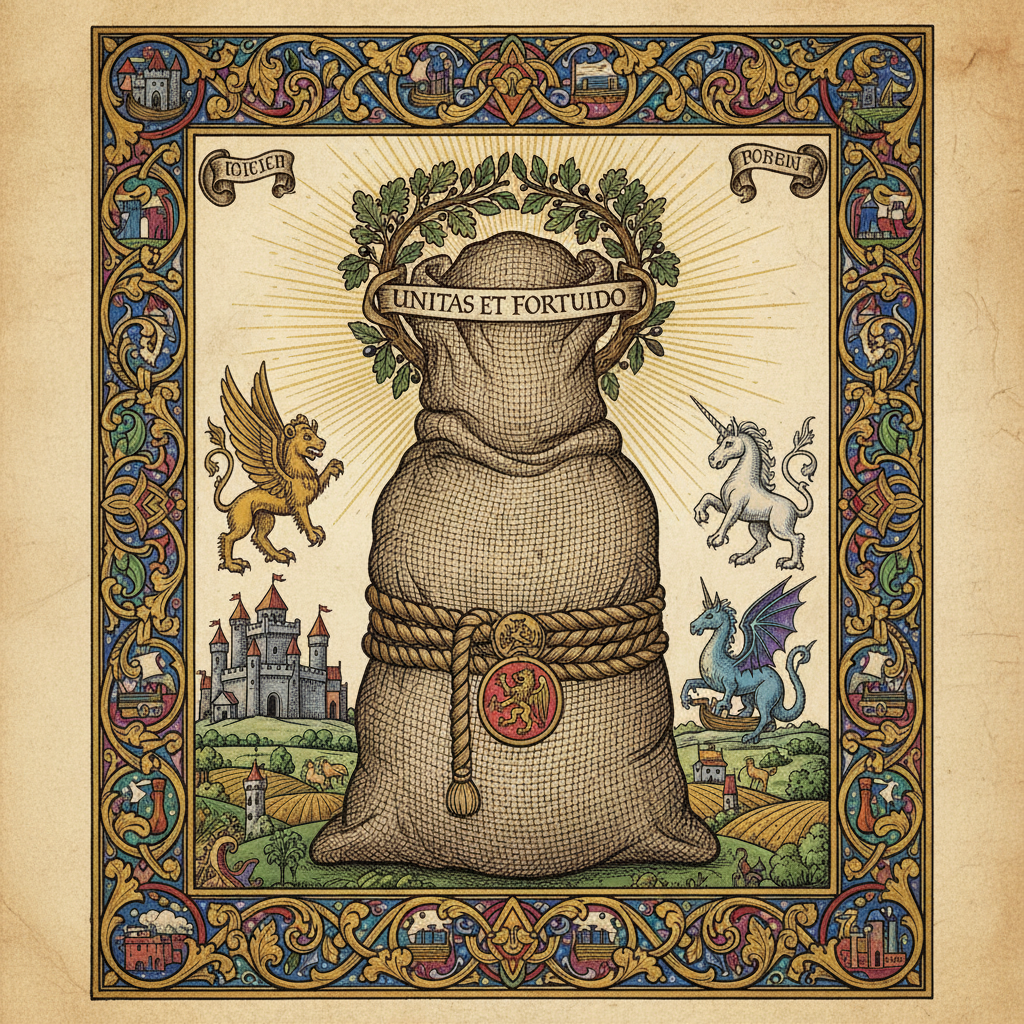
The vocabulary lives in its own realm: mojo bags (mojo hands, toby) — flannel pouches dressed with herbs and curios for a purpose. Doctoring — laying or removing tricks. Goofer dust — graveyard dirt and sulfur, feared. Crossroads work — straight from Kongo: the cross as the world’s meeting point.
Marie Laveau (1801-1881) — New Orleans Voodoo Queen — dominates the popular imagination. Her tomb gets marked with three X’s daily. Technically, Laveau worked in New Orleans Voodoo, a Louisiana Creole tradition closer to Haitian Vodou than mainline Hoodoo. But America made her the face of Black folk magic, and the boundaries blurred from there.
The Great Migration (1916-1970) carried roughly six million Black Americans North and West (Chireau, Black Magic). Hoodoo traveled with them. Chicago, Detroit, Harlem, Oakland — all developed rootworker scenes. The blues followed the same roads: Robert Johnson (1911-1938) allegedly sold his soul at a Mississippi crossroads for guitar mastery — pure Kongo cosmology in Christian dress (Hyatt, Hoodoo-Conjuration-Witchcraft-Rootwork, 1970). Zora Neale Hurston, anthropologist and novelist, apprenticed with rootworkers and published Mules and Men (1935) — the first insider ethnography the tradition trusted.
The contemporary revival: academic recognition (Yvonne Chireau, Stephanie Mitchem) and Catherine Yronwode, whose Lucky Mojo Curio Co. and correspondence course (1990s+) made the practice newly accessible. Hoodoo is not Vodou. Vodou is a Haitian religion with priesthood and pantheon. Hoodoo is American folk magic. Both deserve respect; conflating them disrespects both.
Pivotal Events
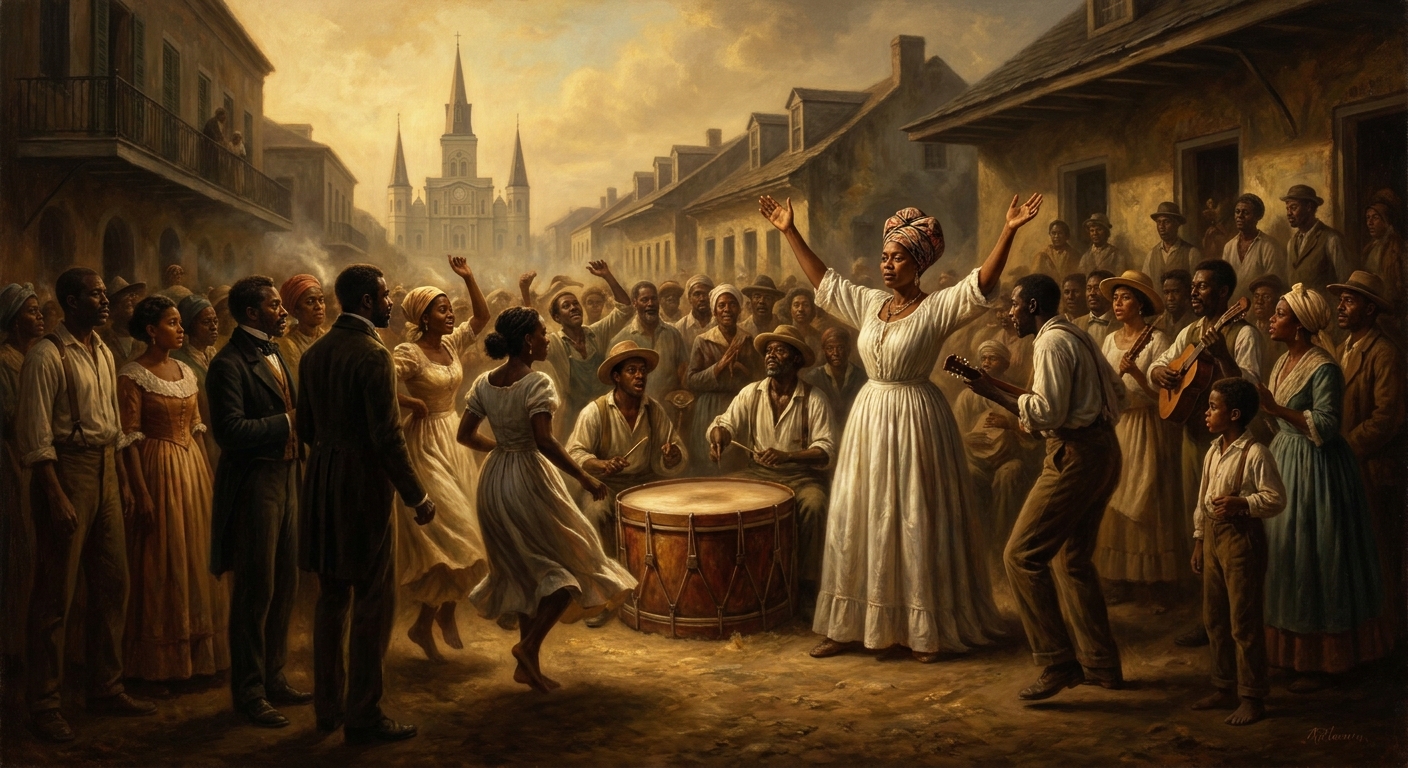
Congo Square (now Louis Armstrong Park) was the sole legal gathering place in the antebellum U.S. where enslaved and free Black people could drum, dance, and trade on Sundays — a Spanish colonial loophole neither French nor American authorities dismantled. Out of those Sundays came jazz and New Orleans Voodoo. Marie Laveau, free woman of color and hairdresser to wealthy white women, presided for decades as the most powerful spiritual figure in 19th-century Louisiana. Clients: field hands to senators’ wives. She listened to both. Legend claims she lived to 100 by transferring her identity to her daughter; the historical record is messier. What’s certain: she became Black American folk magic’s iconic face, and her tomb draws more visitors than Elvis’s (probably).
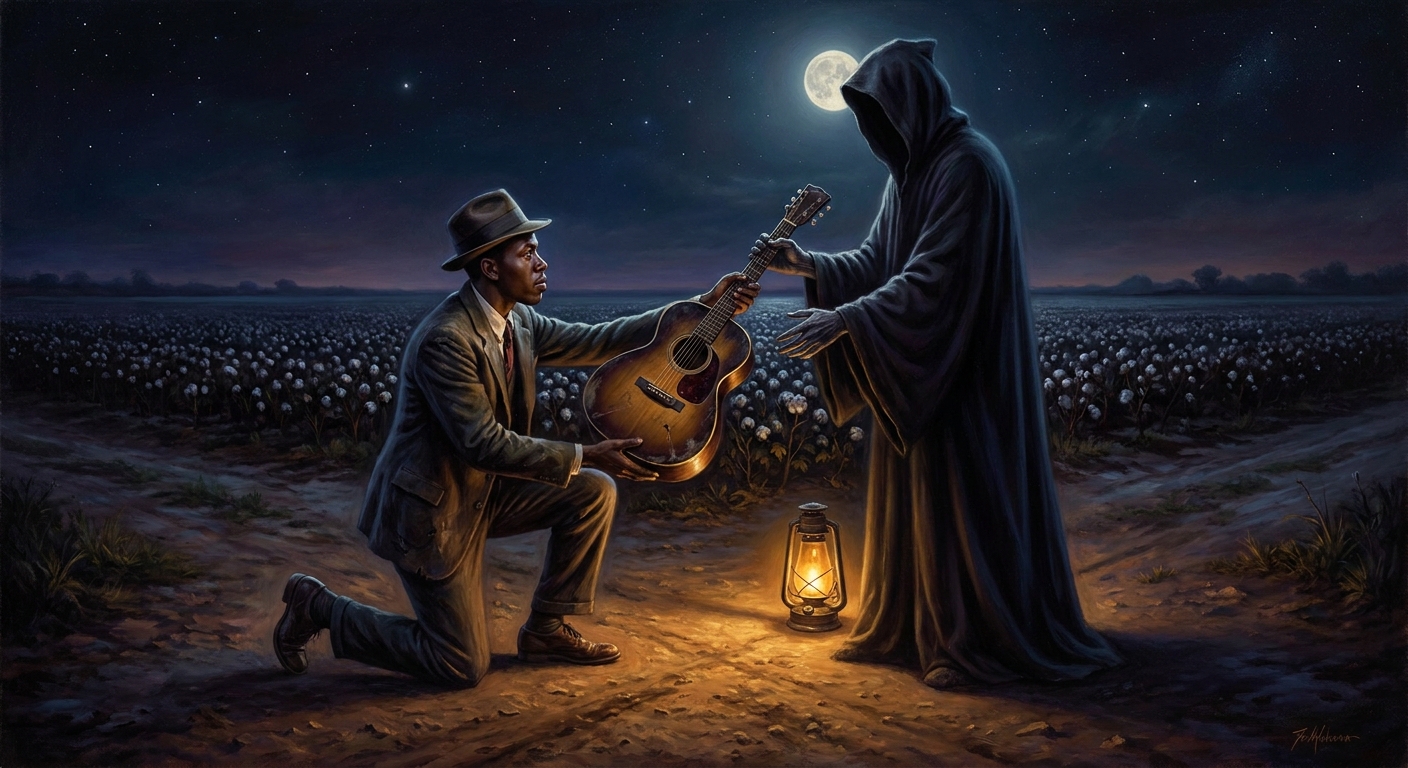
Robert Johnson vanished from Mississippi juke joints for a year and returned able to play in ways nobody could explain. The folk story: midnight crossroads, a tall Black man (Papa Legba/Eshu — the crossroads trickster), an instrument tuned in exchange for a soul. Johnson died at 27 (poisoned, probably). The 29 songs he recorded (1936-37) became Delta blues scripture. The legend is pure Kongo and Yoruba cosmology — the crossroads where worlds meet — intact across three centuries of slavery and Christianity, surfacing as American popular music’s origin myth. Rolling Stones, Eric Clapton, the whole blues-rock lineage: descended from Kongo cosmology.
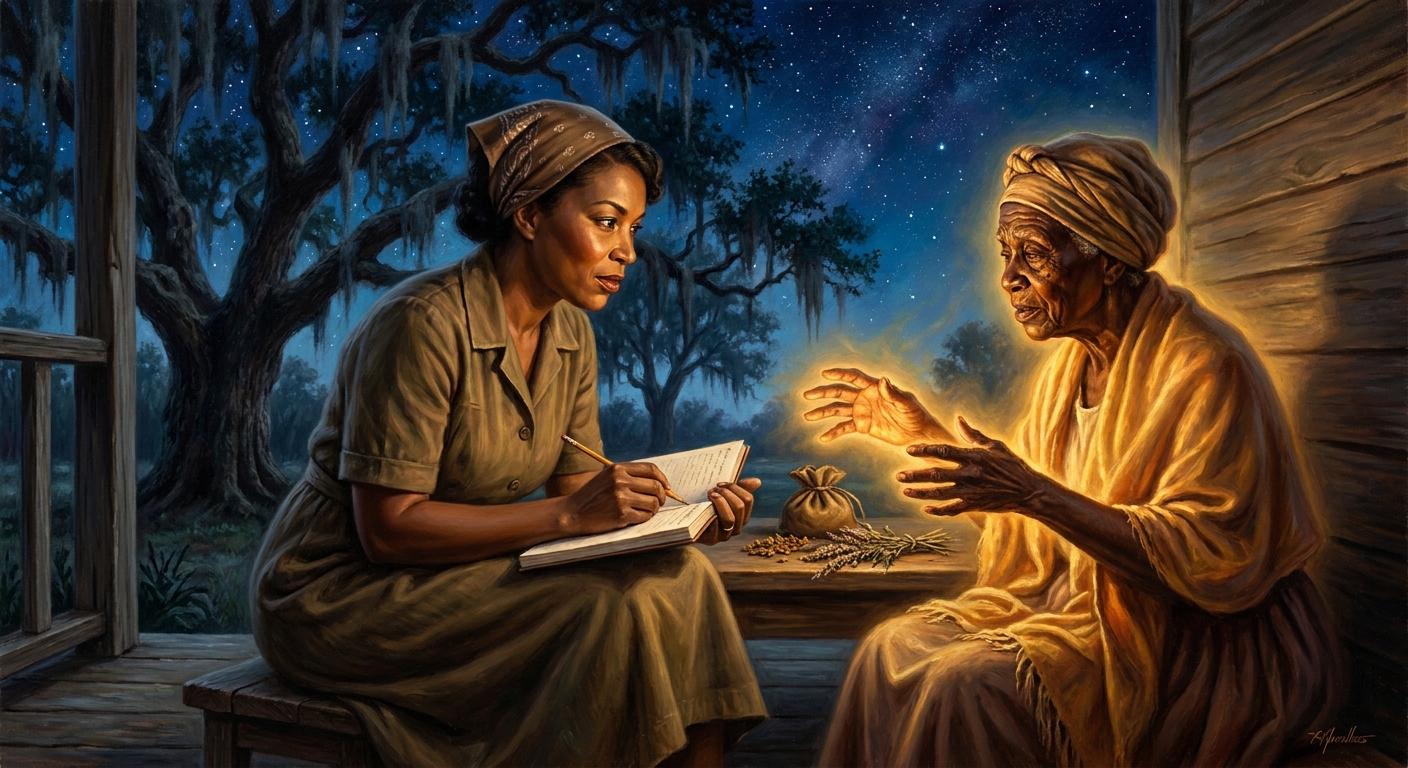
Before Hurston, Hoodoo lived in academic records as a punchline — white scholars treating it as superstition, practitioners as primitives. Hurston, trained at Howard and Barnard under Franz Boas, went home. She apprenticed with rootworkers in New Orleans and Florida, underwent initiations, and recorded from inside. Mules and Men (1935) became Hoodoo’s first serious insider ethnography. Their Eyes Were Watching God (1937) wove the same material into fiction. Forgotten by mid-century, Hurston was rediscovered in the 1970s by Alice Walker. Today: foundational documentarian of Black folk magic.
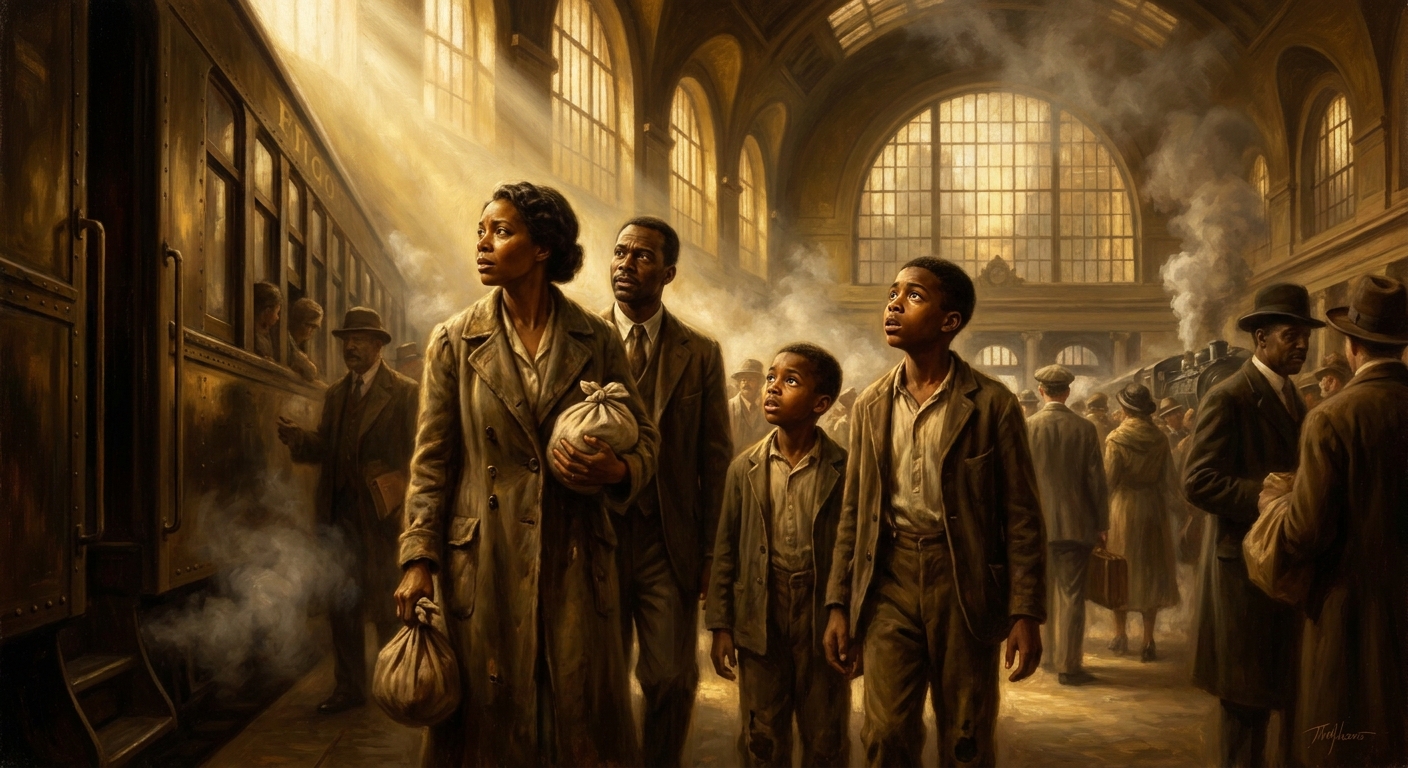
Between 1916 and 1970, six million Black Americans left the rural South for industrial cities North and West — one of America’s largest internal migrations. Hoodoo traveled with them. Chicago’s South Side, Detroit, Harlem, Philadelphia, Oakland: thriving rootworker scenes and spiritual-supply economies. The mid-20th century birthed the spiritual goods catalog — Lucky Heart, King Novelty, Sovereign Products — mail-ordering Van Van Oil, High John root, lodestones, dressed candles nationwide. The music followed the same routes: blues went electric in Chicago; gospel, jazz, R&B traveled Hoodoo’s paths. The tradition shifted from rural Southern practice to urban American one. Today’s supply chains still bear those mid-century catalog fingerprints.
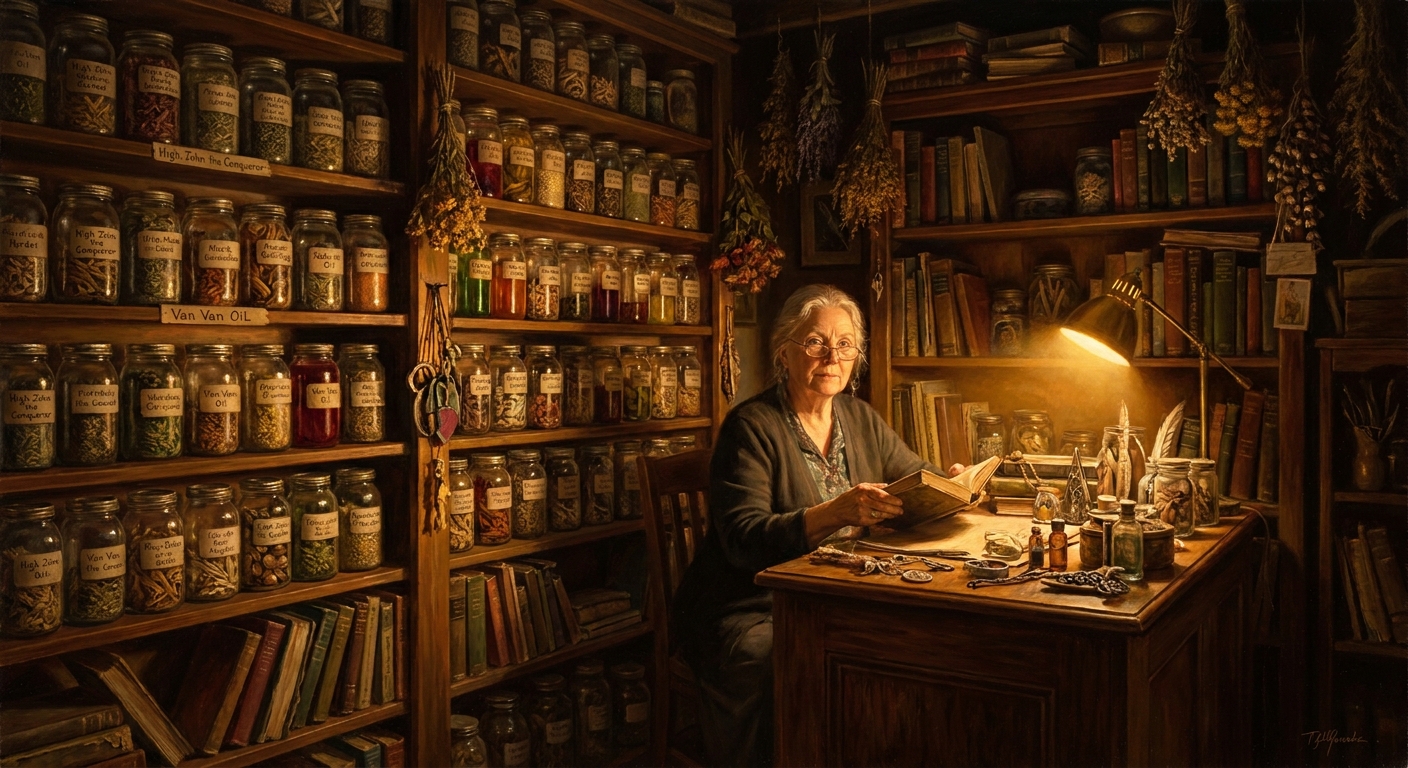
By the late 20th century, Hoodoo faced two crises: commercialization diluted the practice (junk dressed in Hoodoo names), and tradition-bearers were dying without apprentices. Catherine Yronwode, folklorist and second-generation practitioner, founded Lucky Mojo Curio Co. (1995) and the Hoodoo Rootwork Correspondence Course (2002). She documented traditional formulas, published the Hoodoo Herb and Root Magic compendium, built online forums. The tradition became newly accessible to practitioners, especially Black Americans whose families had abandoned conjure for respectability and were rediscovering it. The revival sparked (legitimate) questions about who should teach Hoodoo and who has standing to do so. The practical result: the tradition is more documented, accessible, and vibrant in the 2020s than in the 1970s.
Timeline
| Era | Date | Event | Source |
|---|
| African Roots | pre-1500 | Bantu/Kongo cosmology of crossroads, ancestor veneration, herbal practice | ethnographic record |
| Atlantic Slave Trade | 1619 | First documented enslaved Africans arrive in English North America (Virginia) | colonial records |
| Colonial Period | 1700s | Kongo, Yoruba, and other African spiritual practices fuse with Native American and European folk magic on Southern plantations | Chireau, Black Magic |
| Stono Rebellion | 1739 | Drums outlawed in much of the South after the uprising; African religion driven further underground | South Carolina Slave Code (1740) |
| Congo Square | 1740s-1865 | Sunday gatherings of enslaved and free Black people in New Orleans; foundation of New Orleans Voodoo | colonial New Orleans records |
| Haitian Revolution | 1791-1804 | Refugees from Saint-Domingue bring Vodou into Louisiana; deep influence on New Orleans practice | historical record |
| Marie Laveau | 1801-1881 | New Orleans Voodoo Queen; bridges African folk practice and public spiritual authority | New Orleans archives |
| Pow-Wows; or, Long Lost Friend | 1820 | Pennsylvania German grimoire by Johann Georg Hohman enters African American magical use | Hohman, Long Lost Friend |
| Emancipation | 1865 | End of legal slavery in the United States; Hoodoo continues as folk practice in the rural South | 13th Amendment |
| Sixth and Seventh Books of Moses | 1849-1900s | German grimoire widely circulated; absorbed into Hoodoo Bible-magic tradition | de Laurence editions |
| Great Migration begins | 1916 | Black Southerners begin moving North; Hoodoo travels with them to Chicago, Detroit, Harlem | demographic studies |
| Spiritual Goods Catalogs | 1920s-1960s | King Novelty, Lucky Heart, Sovereign Products mail-order Hoodoo supplies nationwide | catalog archives |
| Hurston Apprenticeships | 1928-1929 | Zora Neale Hurston initiates with rootworkers in New Orleans and Florida | Hurston field notes |
| Mules and Men | 1935 | Hurston’s foundational ethnography of Hoodoo published | Lippincott |
| Robert Johnson recordings | 1936-1937 | Crossroads legend; 29 recorded songs; foundation of Delta blues | ARC sessions |
| Hyatt’s Hoodoo | 1970-1978 | Harry Middleton Hyatt publishes 5-volume oral history of African American conjure | Hyatt Foundation |
| Hurston Rediscovered | 1975 | Alice Walker’s essay revives Hurston’s reputation and brings Mules and Men back into print | Walker, Ms. Magazine |
| Lucky Mojo founded | 1995 | Catherine Yronwode opens shop in Forestville, CA; traditional formula revival | Lucky Mojo records |
| Academic recognition | 2003 | Yvonne Chireau’s Black Magic: Religion and the African American Conjuring Tradition published | UC Press |
| Mitchem’s Folk Healing | 2007 | Stephanie Mitchem’s African American Folk Healing (NYU Press) | Mitchem |
| Contemporary Revival | 2010s-2020s | Online Hoodoo communities, podcasts, BIPOC-led reclamation; tradition more documented and accessible than at any prior point | contemporary practitioner networks |
| Present | 2026 | Active rootwork practice in the South, urban North, and online; ongoing debates over authenticity, ancestry, and authority | contemporary sources |
The Living Tradition
Hoodoo is not dead. It is not a museum piece. It is practiced today in African American communities across the South and far beyond — in spiritual supply shops in Memphis, New Orleans, Atlanta, Chicago, and Harlem; in the work of rootworkers who learned from their grandmothers; in the bottles buried under doorsteps and the candles dressed on kitchen tables. It has survived slavery, Reconstruction, Jim Crow, the Great Migration, and the internet. It has adapted to every era: the roots and oils that were once available only from traveling salesmen are now shipped by spiritual supply companies; the crossroads that were once literal dirt intersections are now, for some practitioners, any place where paths cross; the Bible that was once the only permitted book is now supplemented (though never replaced) by other texts.
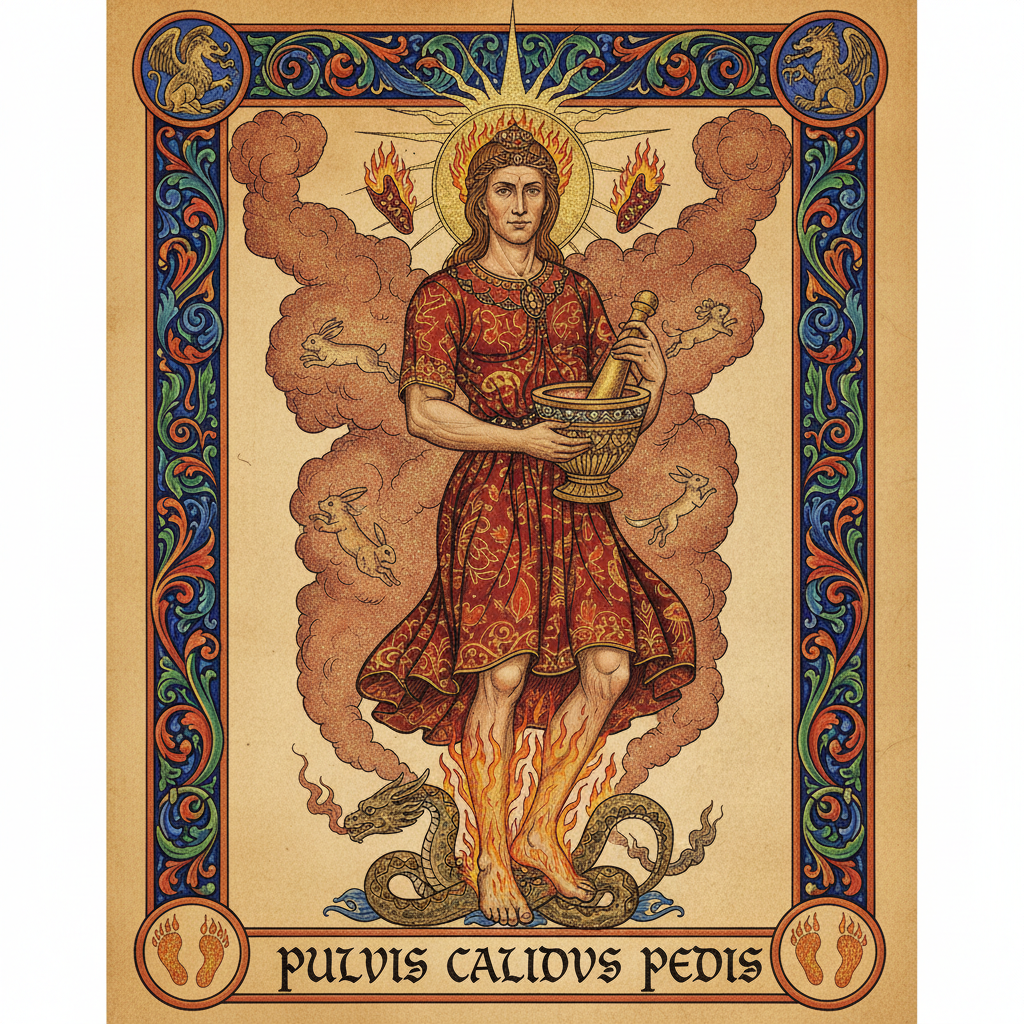
What Hoodoo teaches this compendium is that spiritual traditions are not museum pieces — they are technologies. They are built to solve problems. When the problem is slavery, you build a spiritual technology of resistance. When the problem is an unjust legal system, you build court case work. When the problem is a person who won’t leave, you build Hot Foot Powder. Hoodoo does not theologize about evil. It does not debate the nature of God. It does not require initiation, ordination, or institutional affiliation. It asks one question: does it work? And for four hundred years, in the hardest conditions any American community has faced, the answer has been: yes.
Art Generation Prompts
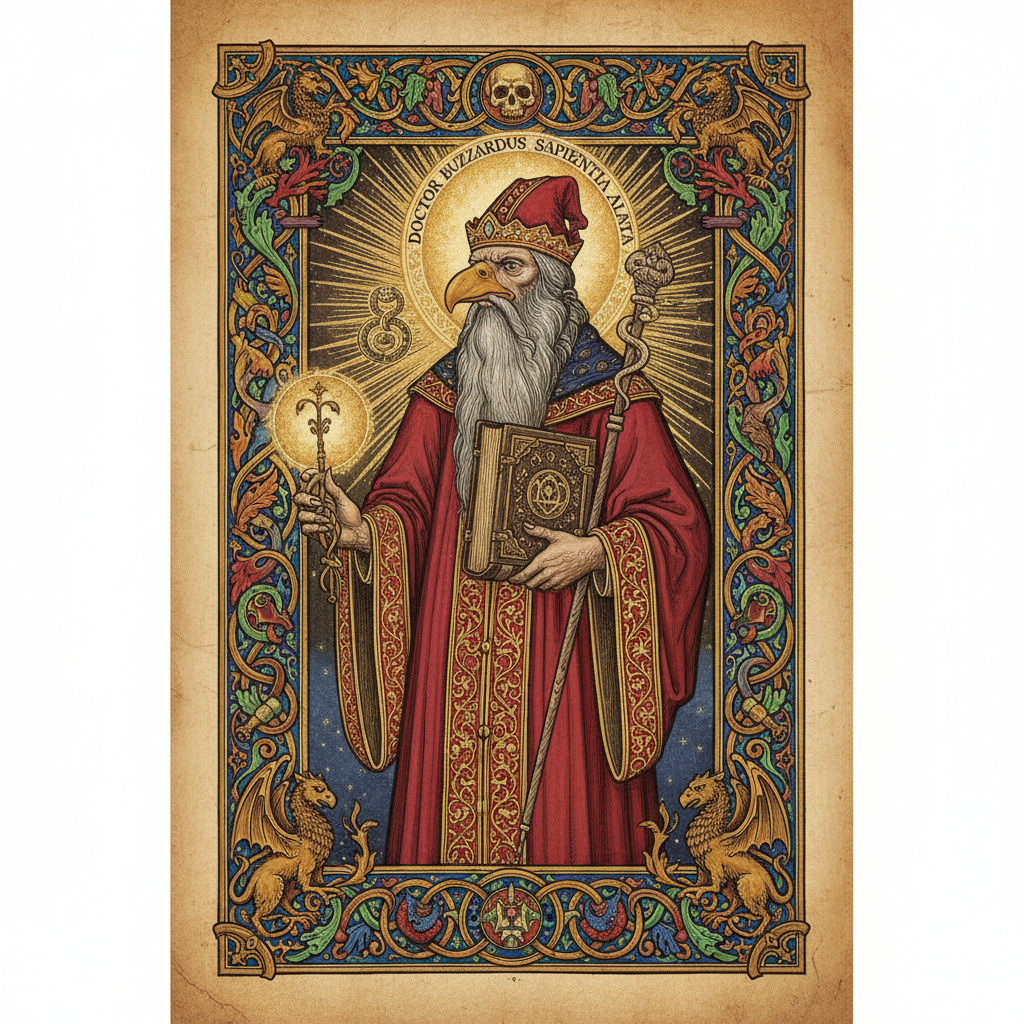
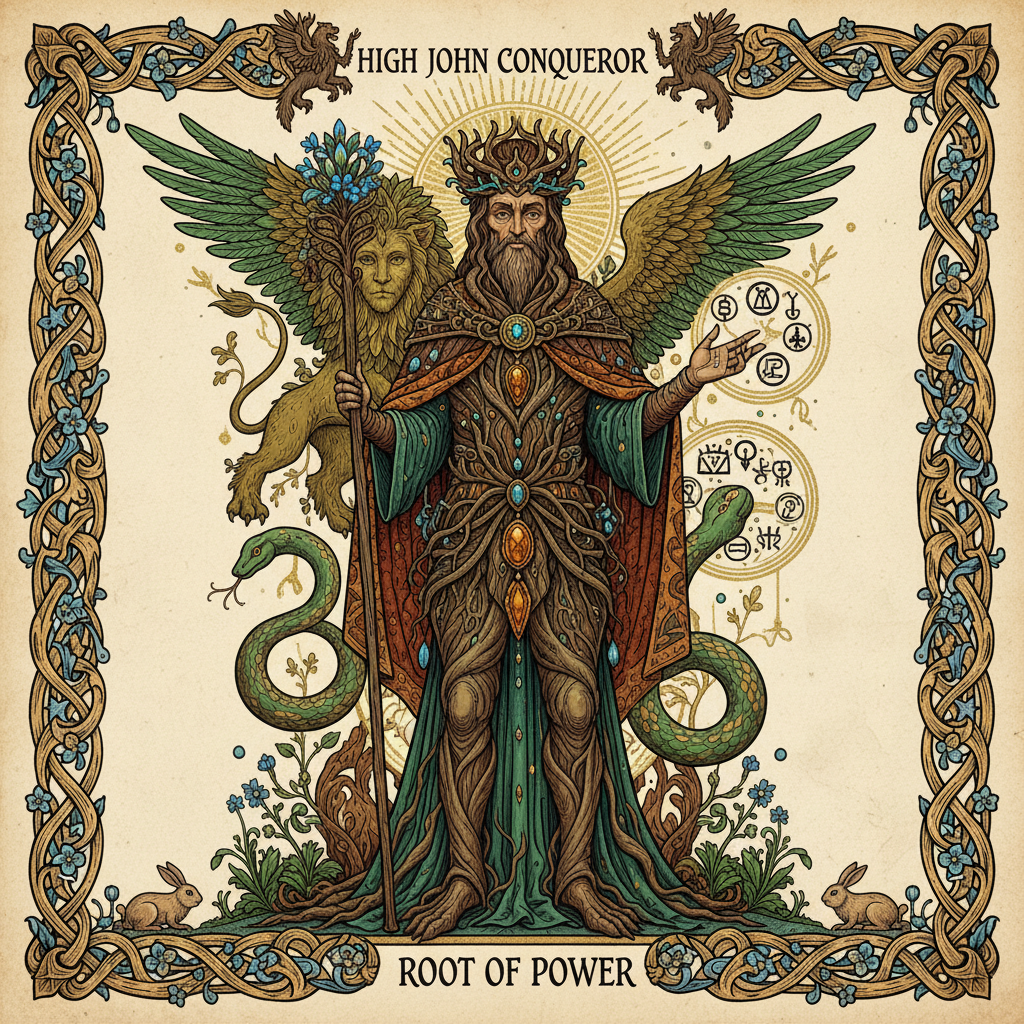
See Bestiary-Midjourney-Prompts.md for the complete prompt sheet including the Hoodoo tradition entries.
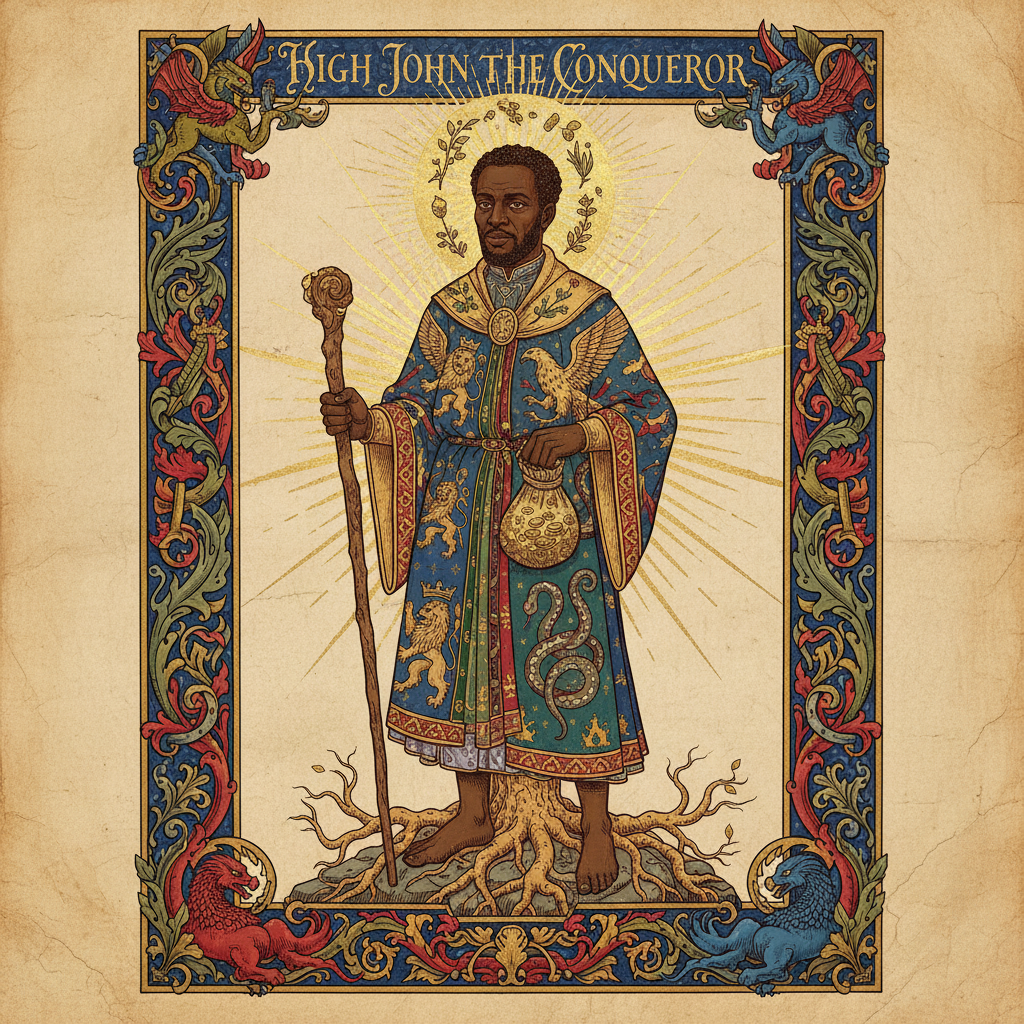
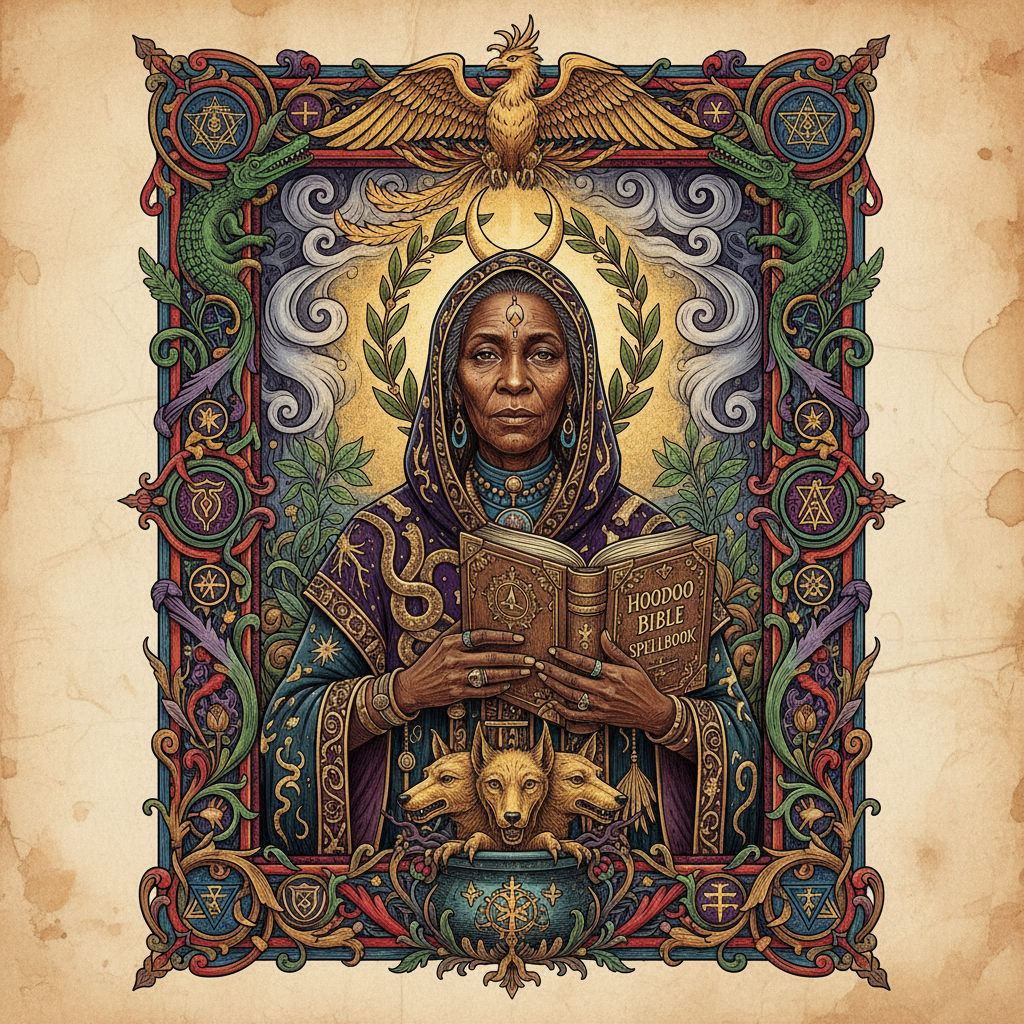
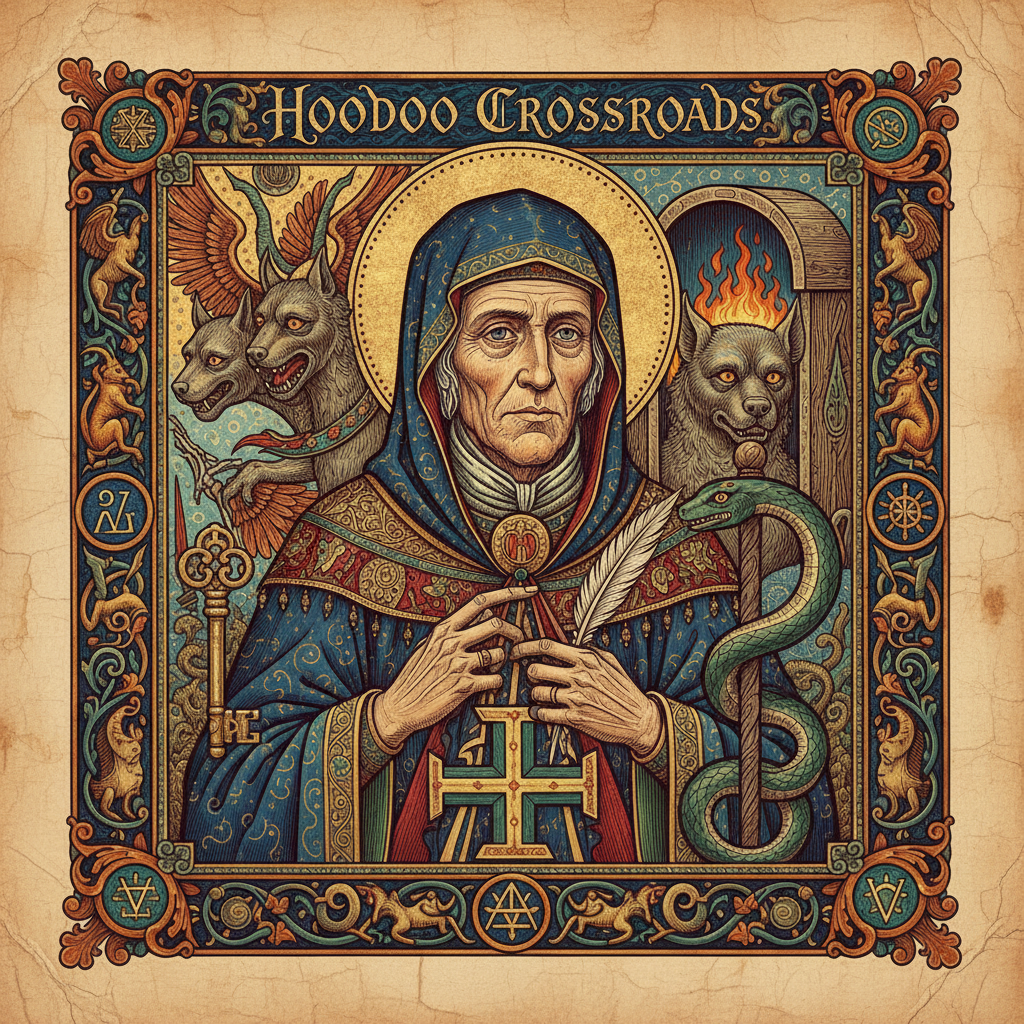
 LEGENDARY
  LEGENDARY
  LEGENDARY
  RARE
RARE 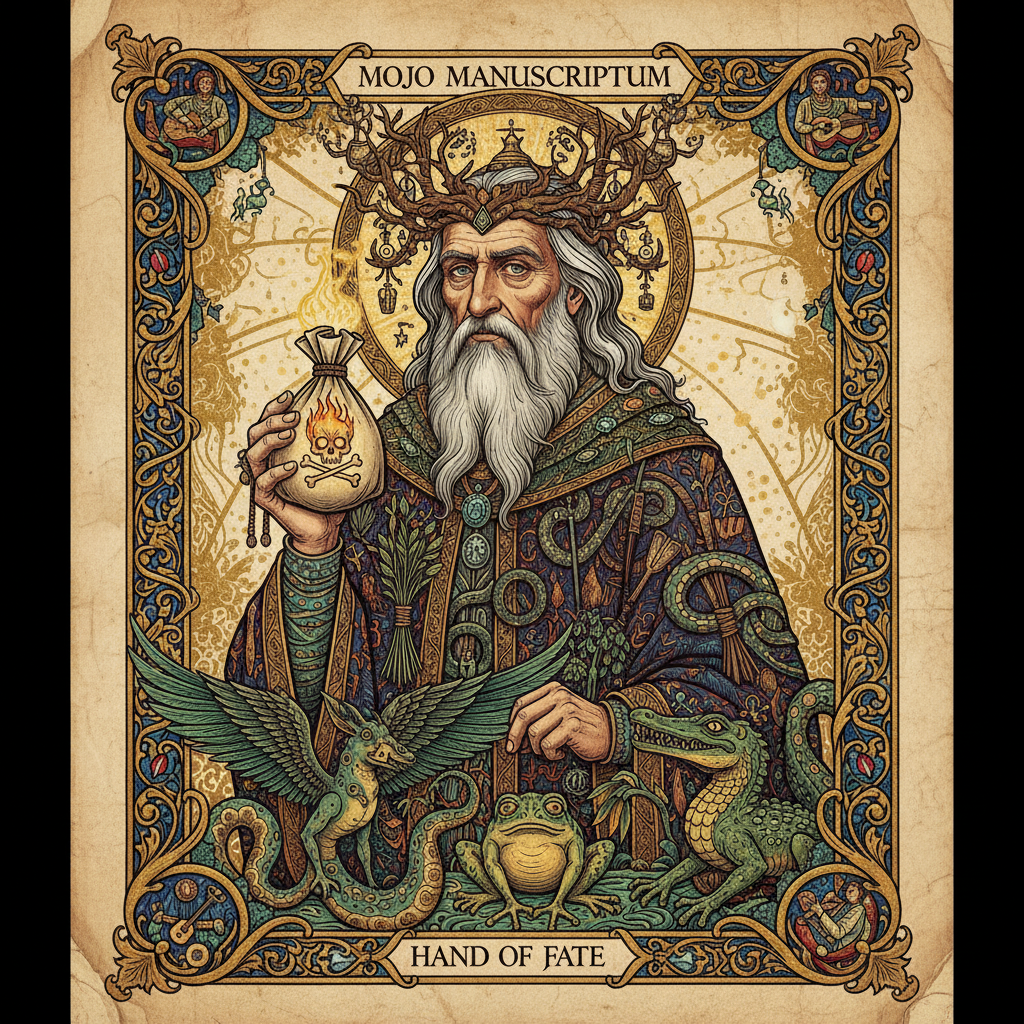 LEGENDARY
  LEGENDARY