Combat Profile
Arondight's Wrath
unleashes a devastating sword technique that grows stronger the more the user has sacrificed for love and honor
Courtly Contradiction
grants increased combat prowess but gradually weakens resolve when facing moral compromise, reflecting the tension between perfect knight and flawed lover
His adultery with Guinevere -- the sin that makes him the greatest knight in the world and simultaneously disqualifies him from the Grail. His love is both his defining virtue and his fatal flaw
“Sir Lancelot wept, as he had been a child that had been beaten.” — Malory, Le Morte d’Arthur (upon failing the Grail)
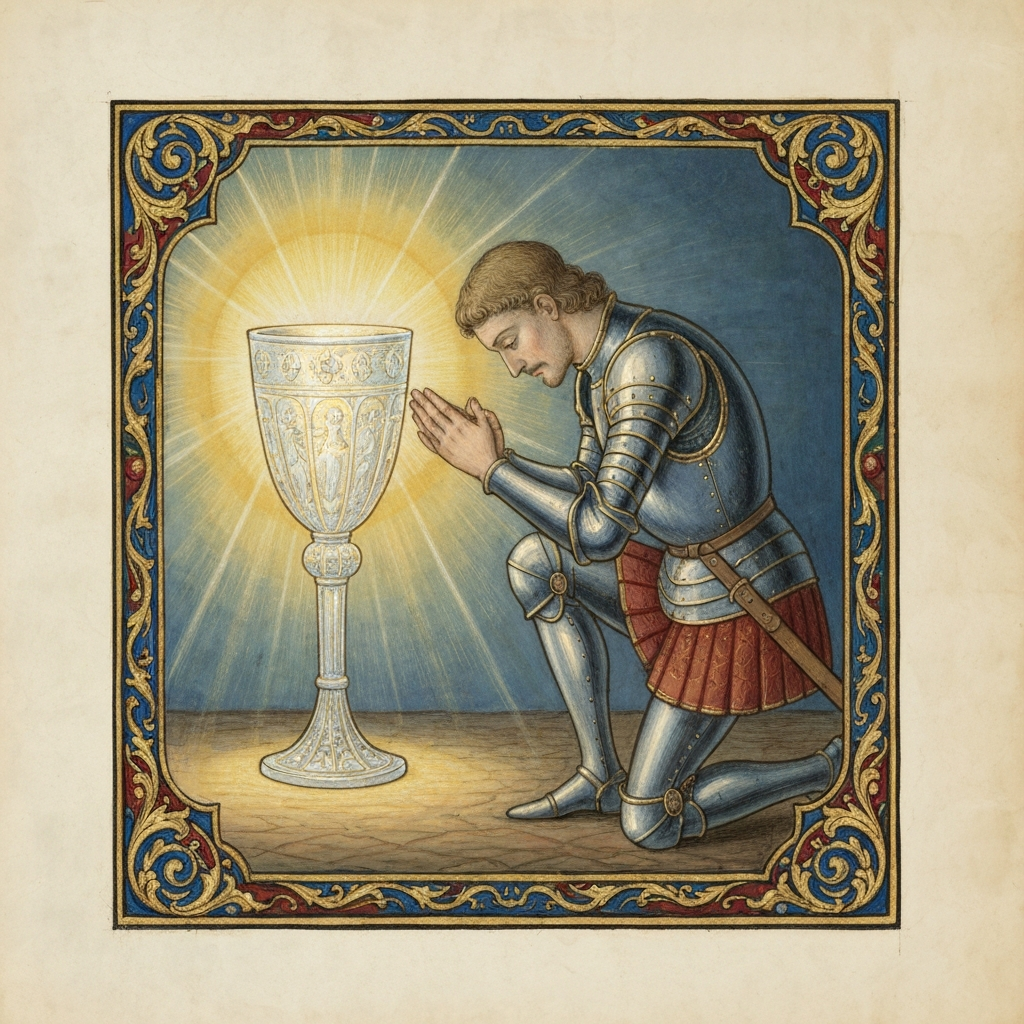
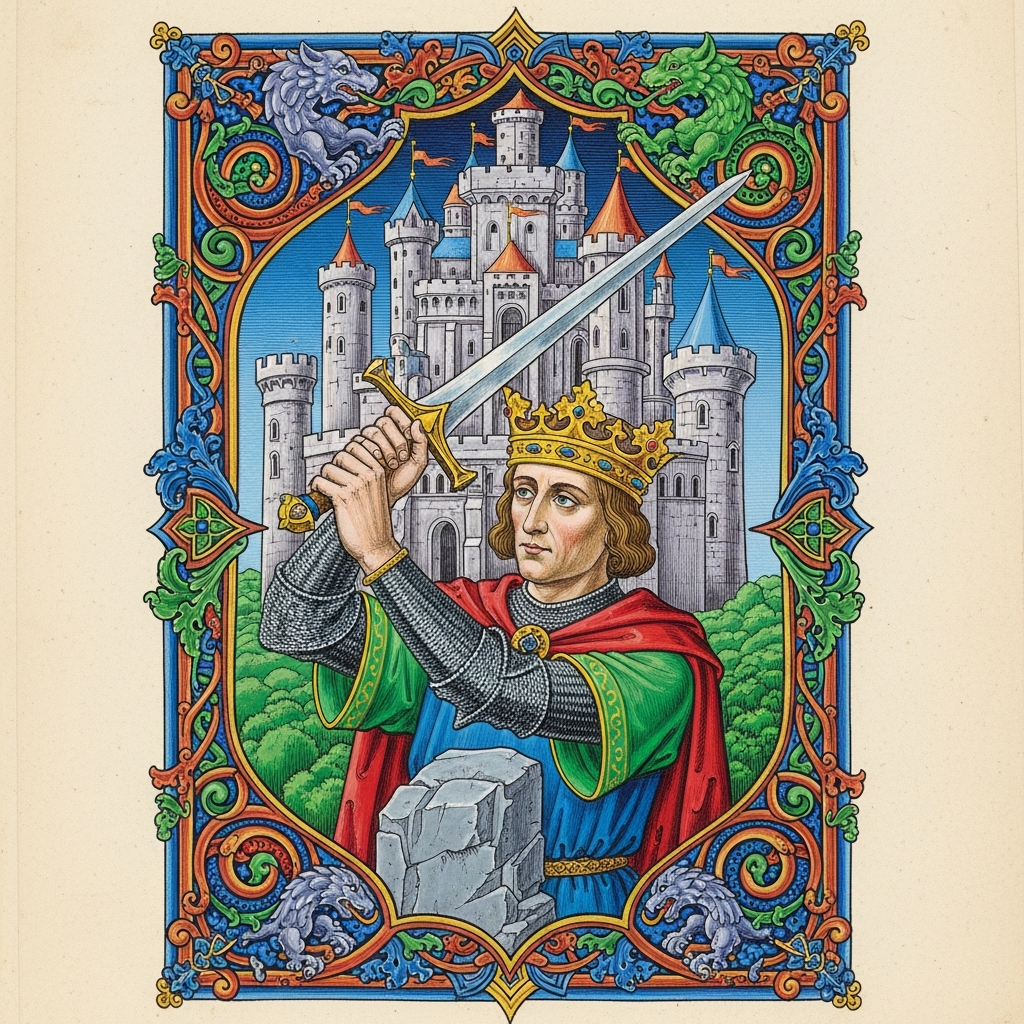
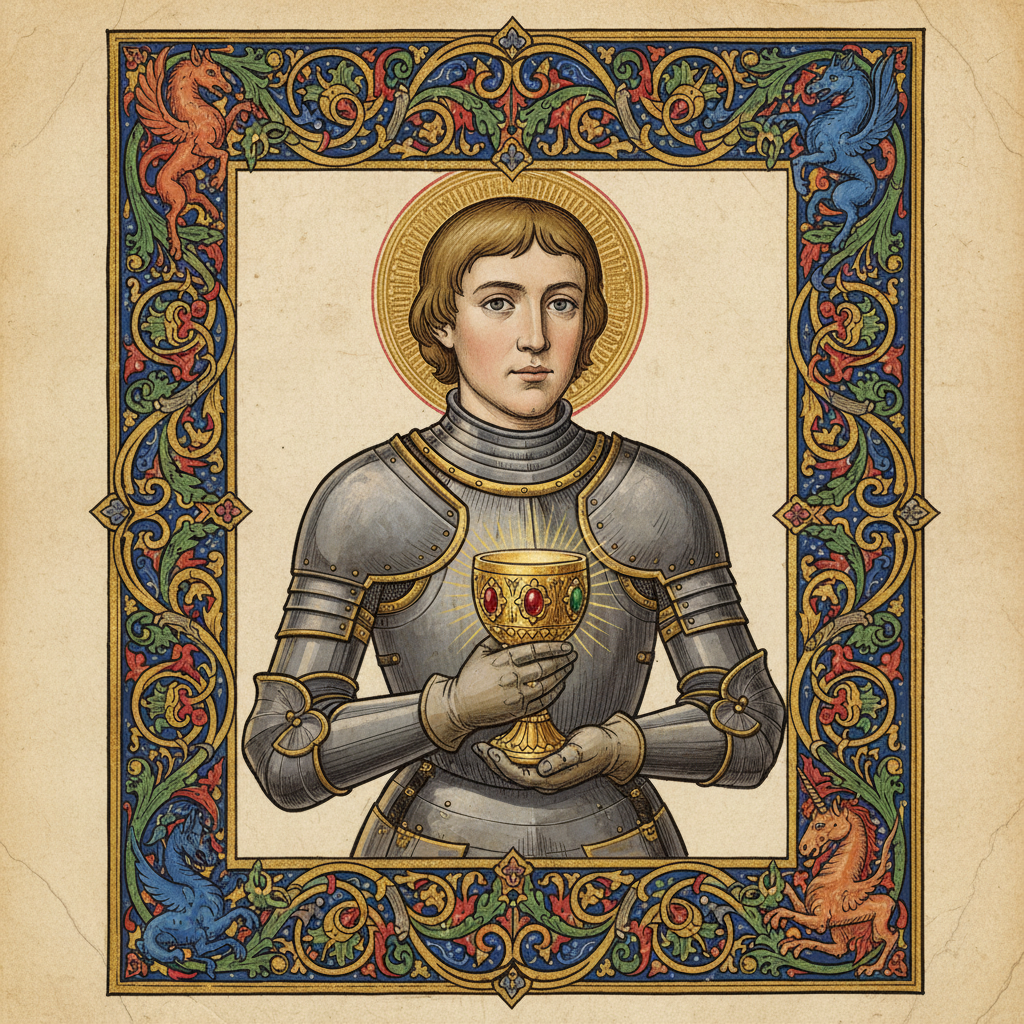
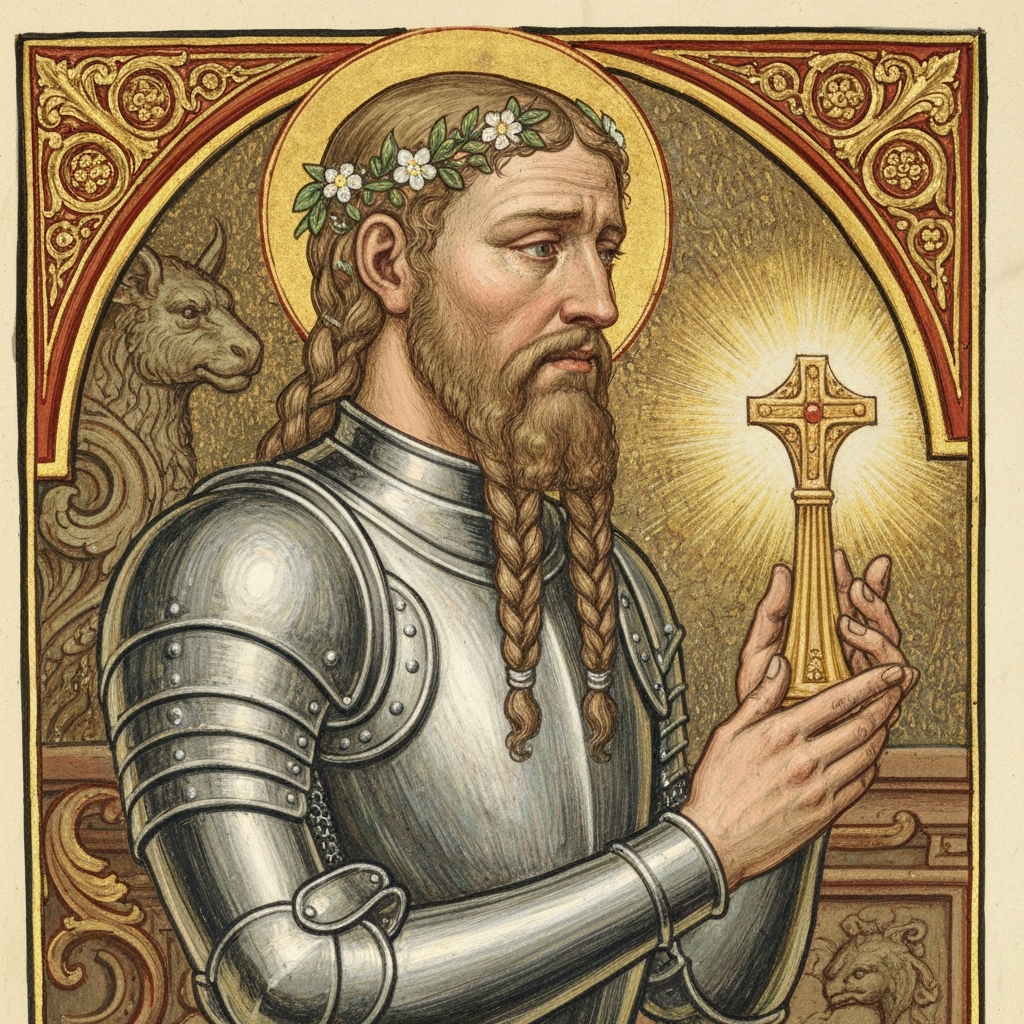
Lore: Lancelot du Lac — Lancelot of the Lake, raised by the Lady of the Lake after his father’s death — is the greatest warrior who ever sat at the Round Table. In single combat he is undefeatable. He is brave, generous, loyal (to Arthur), and devoted (to Guinevere). The problem is that these last two loyalties are irreconcilable. His adulterous love for Guinevere is the original sin of Camelot: it corrupts the fellowship from within, and when it is finally exposed, it forces Arthur to choose between his wife and his best knight, splitting the Round Table and creating the opening for Mordred’s treachery. During the Grail Quest, Lancelot comes closer than almost any knight — he reaches the Grail chamber at Corbenic — but he cannot touch the Grail. He falls into a comatose trance for twenty-four days, a living purgatory. His sin does not make him worthless; it makes him almost-but-not-quite worthy, which is worse. After Arthur’s death, Lancelot repents, becomes a monk, and dies in sanctity.
Parallel: Lancelot is David and Bathsheba (2 Samuel 11) — the greatest king/knight whose lust brings catastrophe upon his kingdom. He embodies Romans 3:23 (“All have sinned and fall short of the glory of God”) with terrible precision. He is the most talented person in the story, and his talent is not enough. The Vulgate Cycle makes this explicit: the Grail requires purity, not prowess. Personal sin has cosmic consequences — one man’s private failure brings down civilization.
1 min read
Galahad (his own son, who succeeds where he fails); the Grail (which he can see but never touch); his own conscience (he goes mad twice from guilt)
Chretien de Troyes, *Lancelot, the Knight of the Cart* (~1180); Vulgate Cycle (~1215-1235); Malory, *Le Morte d'Arthur*