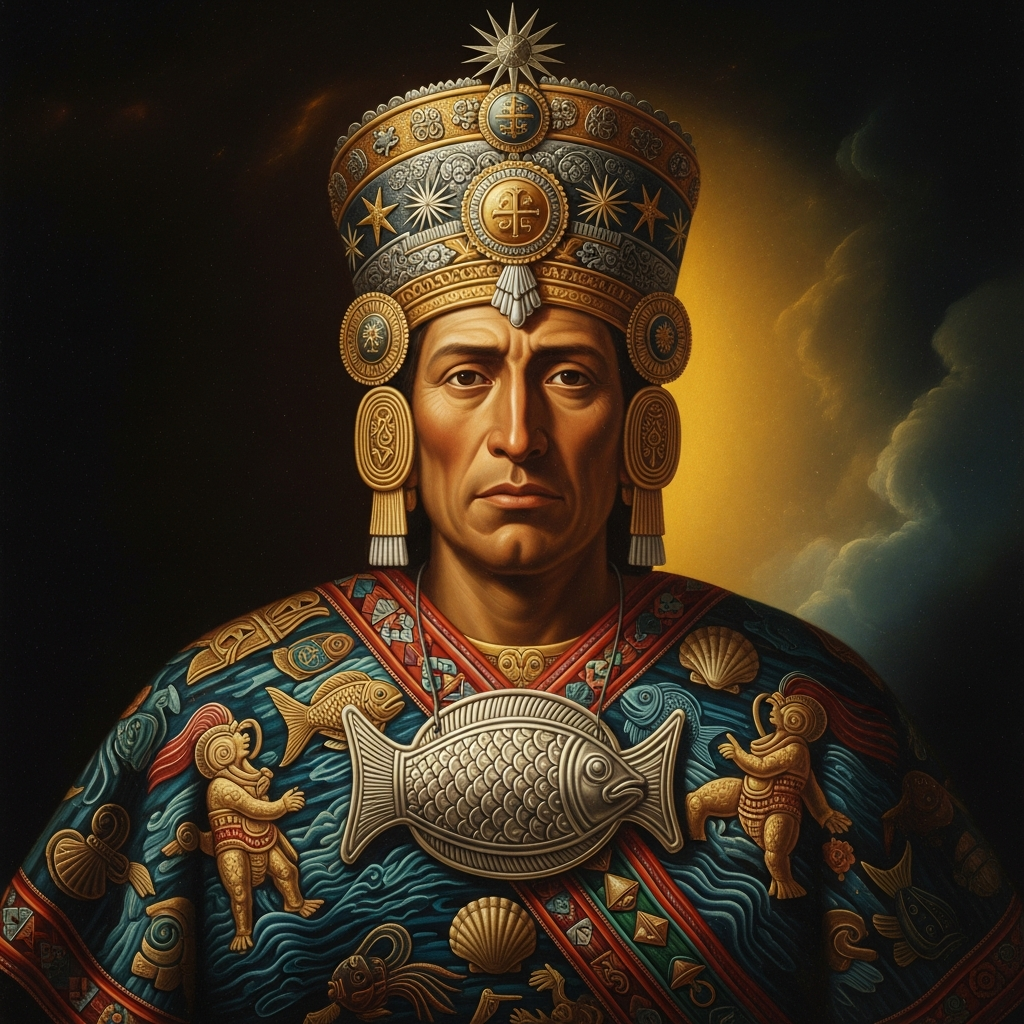
Combat Profile
World-Shaker -
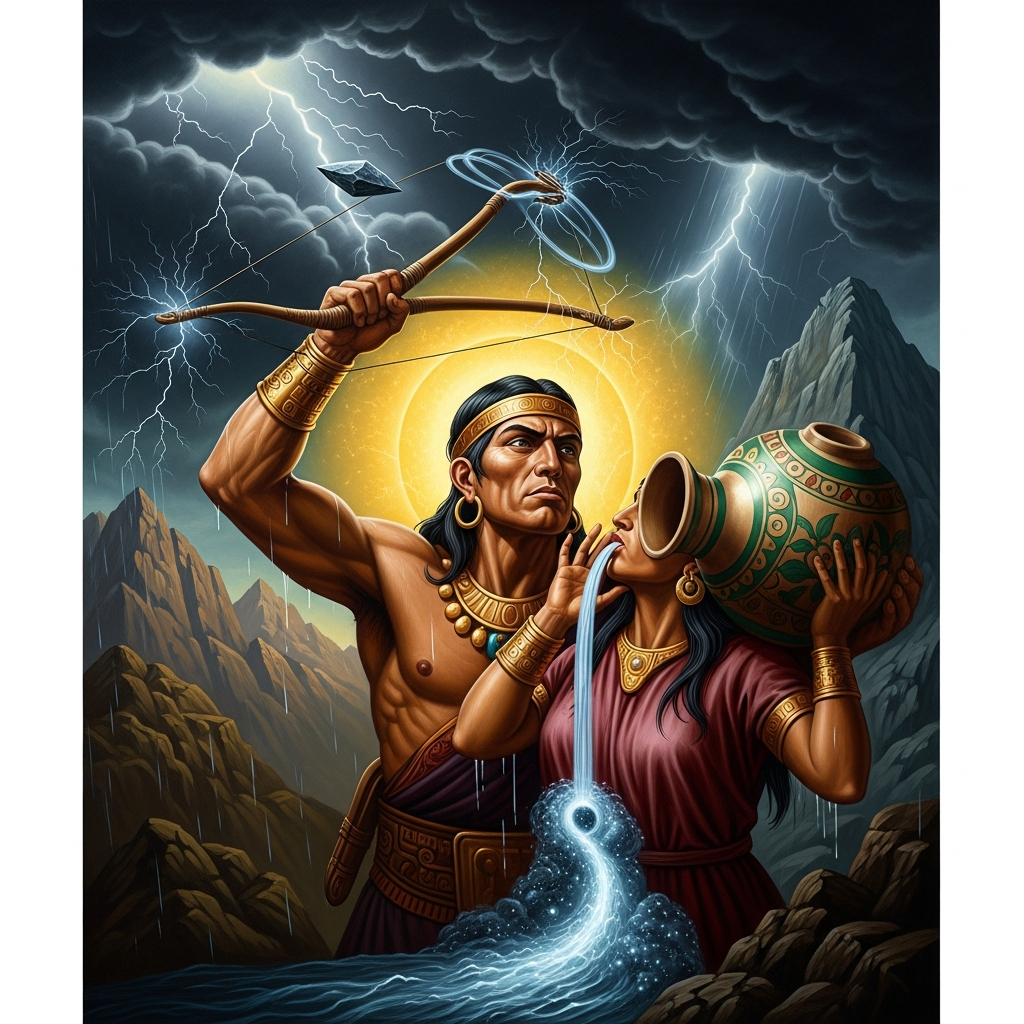
Pachacamac sends earthquakes that collapse structures and reshape coastlines; his displeasure is measured in tectonic force
Oracle's Veil -
those who approach his shrine receive visions of future events, but the cost is always proportional to the knowledge granted
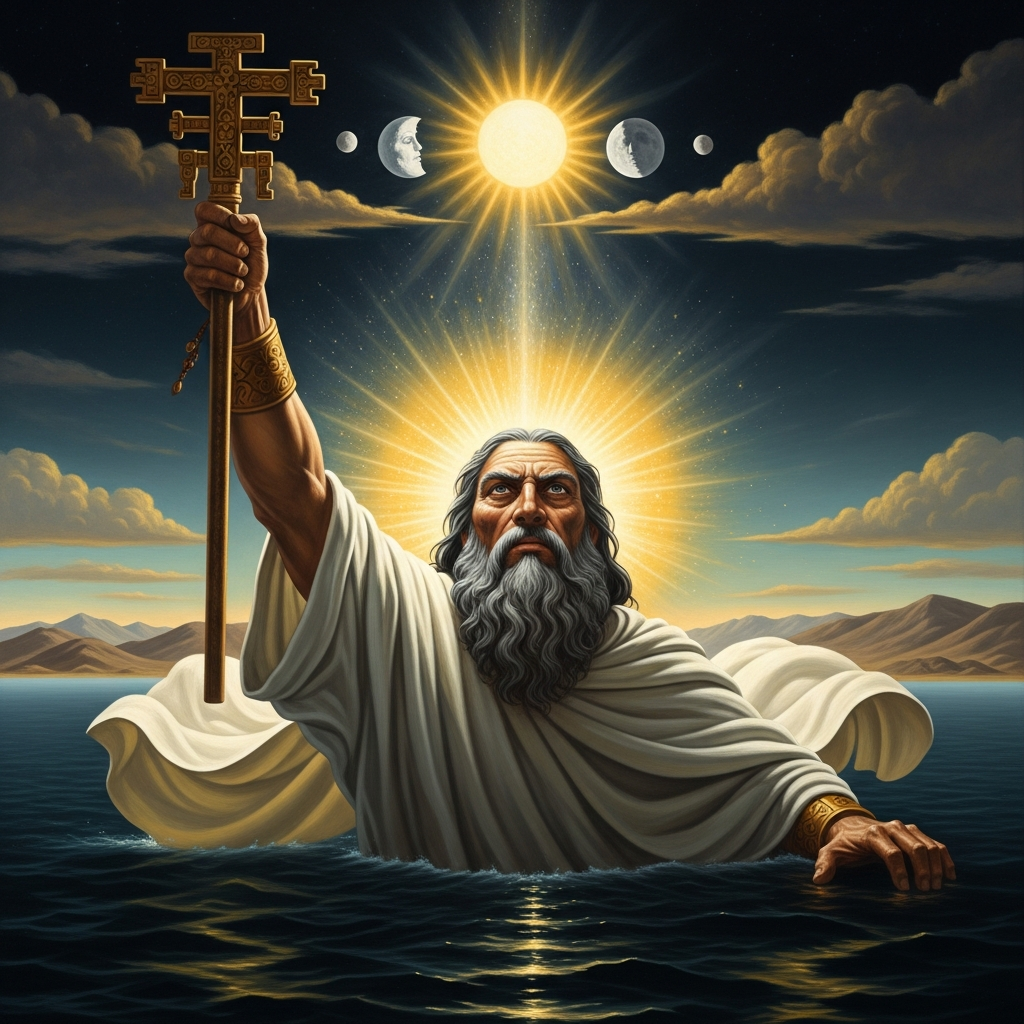
Rival to Viracocha in theological precedence; his idol was captured and his inner sanctuary violated by the Spanish in 1533, though his underground presence was never destroyed
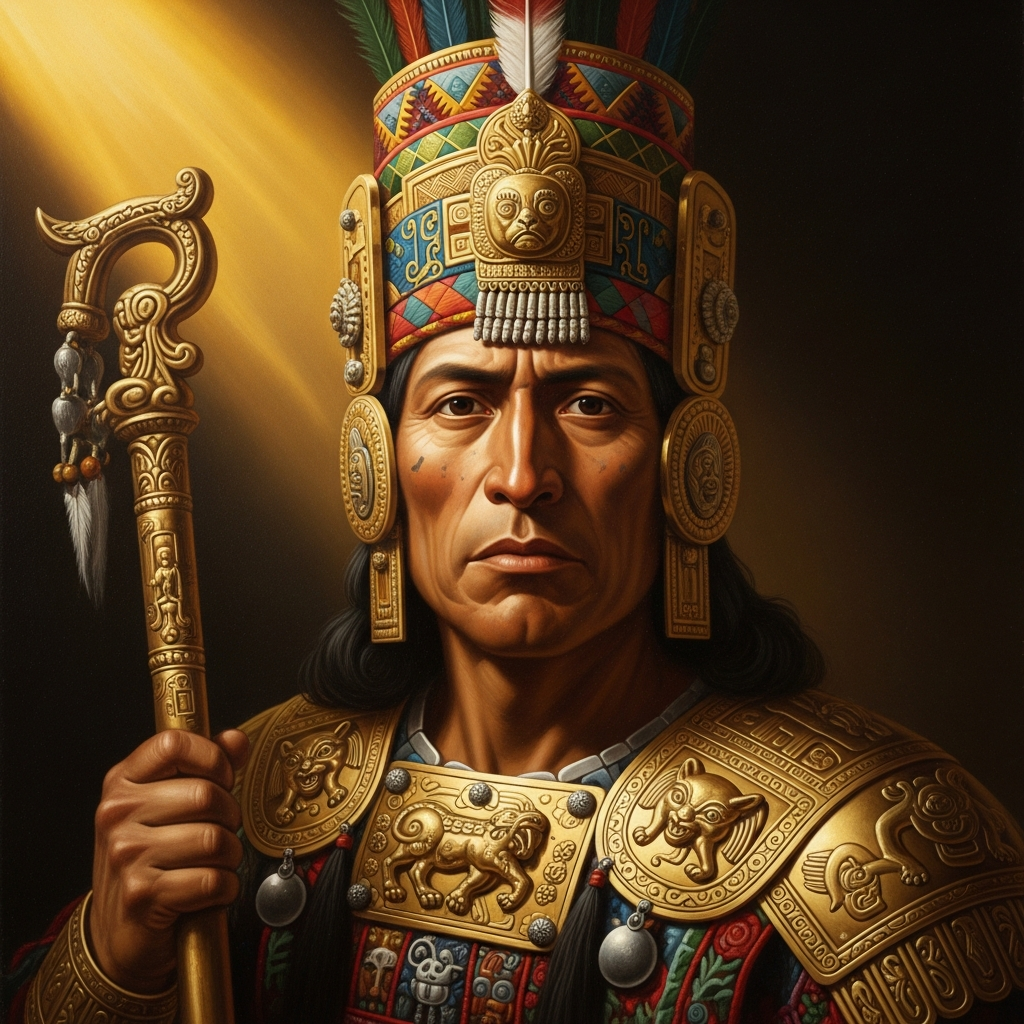
Lore: Pachacamac is the most politically powerful non-Inca deity in the Andean world — powerful enough that the Inca, who conquered his coastal territory, chose to incorporate his cult rather than abolish it, building new temples alongside the old ones and sending tribute to his sanctuary while maintaining the oracle’s independence. His name (Pachakamaq) means something like “animator of the world” or “he who gives life to the earth” — a title so theologically weighty that the Inca emperor Pachacuti, who reshaped the Andean world, borrowed the same root for his own royal name.
His rivalry with Viracocha is recorded in the Huarochiri Manuscript and other coastal traditions: the two creator deities were not at peace. Viracocha created humans; Pachacamac destroyed them by starvation (they did not know how to feed themselves). A survivor from Viracocha’s creation survived by eating raw fish; Pachacamac, discovering this, cut the fish into pieces and threw them into the sea — from this act, the abundance of the ocean was created. Simultaneously, Viracocha’s attempted assault on Pachacamac’s wife Urpay Huachac, the fish goddess, while Pachacamac was absent, caused Pachacamac to release his enclosed garden of fish into the open sea rather than let Viracocha benefit from it.
When Hernando Pizarro arrived at the oracle sanctuary in January 1533 and demanded to see the innermost idol, the priests told him that no one could approach it without dying from the god’s power. Pizarro went in anyway. He found a painted wooden post wrapped in cloth. He tore the wrappings, pulled down the idol, and dragged it out to show the assembled coastal population, demonstrating that their god could not stop a Spanish soldier. The oracle gave no prophecy after that day. The Spanish built a church over the central temple platform.
The sanctuary’s physical site — a great complex of adobe pyramids (huacas) covering 600 acres at the mouth of the Lurin valley — was never abandoned. It is occupied and studied by archaeologists to this day. The memory of the oracle did not entirely die: the site is a pilgrimage destination for modern Andean communities who leave offerings among the ruins.
Parallel: The oracle-god whose sanctuary serves as a politically neutral pilgrimage center is remarkably widespread: Greek Apollo at Delphi is the closest structural parallel — both oracles were consulted by political leaders on questions of war and succession, both required ritual preparation by petitioners, and both lost their function when the political order supporting them was destroyed (Apollo at Delphi faded with the Christianization of Rome; Pachacamac with the Spanish conquest). The earth-shaker aspect parallels Greek Poseidon (who causes earthquakes as well as sea storms), and the inland-coast creator rivalry with Viracocha parallels the Egyptian tension between the highland Theban gods and the lowland Memphite theology.
2 min read
Viracocha (the highland creator who challenged his coastal primacy); the Spanish, who demanded entry to his innermost shrine and desecrated it
Cieza de Leon, *Cronica del Peru* (1553); Estete, account of Hernando Pizarro's visit to the oracle (1533); Cobo, *Historia del Nuevo Mundo* (1653); Rostworowski, *Pachacamac and the Lord of Huarochiri*