Combat Profile
Ragnarok's Maw
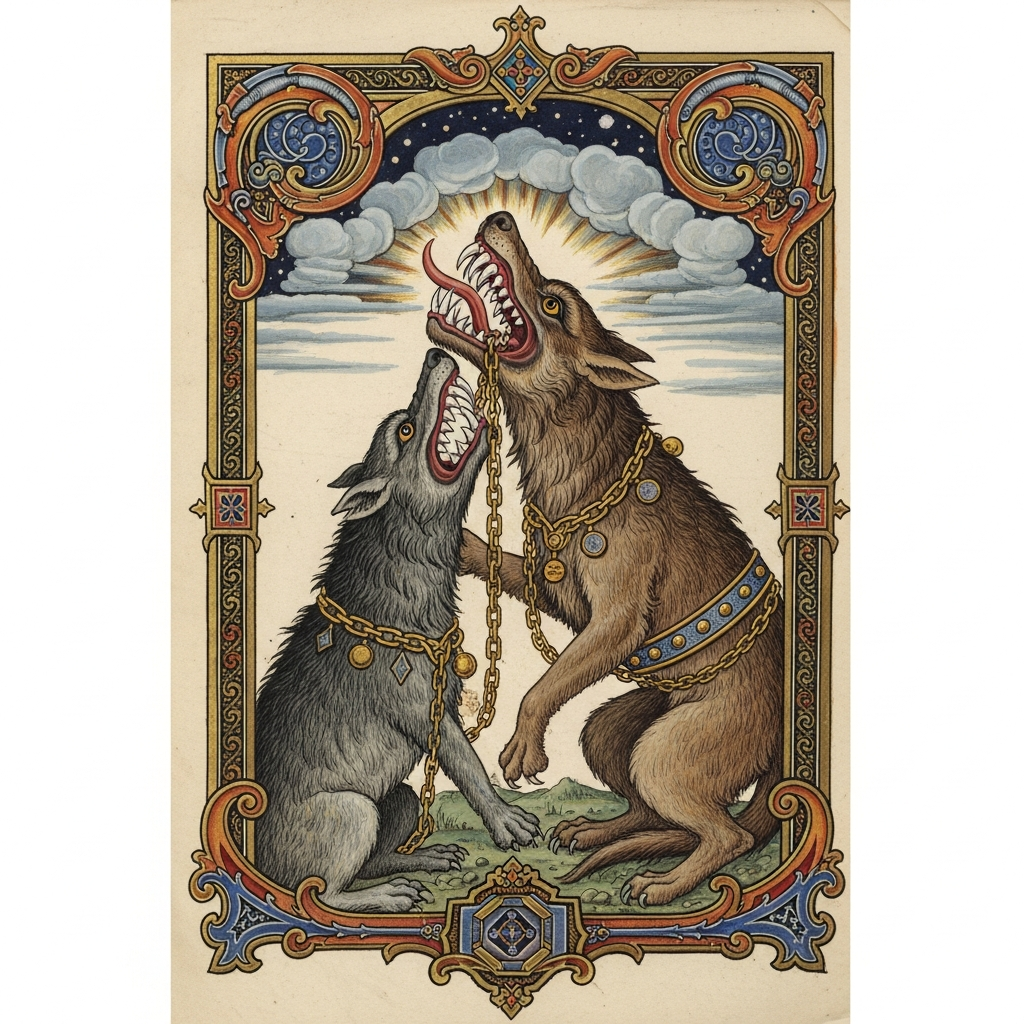
At the end of all things, Fenrir devours the sun and breaks free from all bonds, dealing catastrophic damage to all existence.
Unbreakable Fury
Fenrir grows stronger with each binding attempt and cannot be permanently restrained; all crowd control effects increase his damage instead.
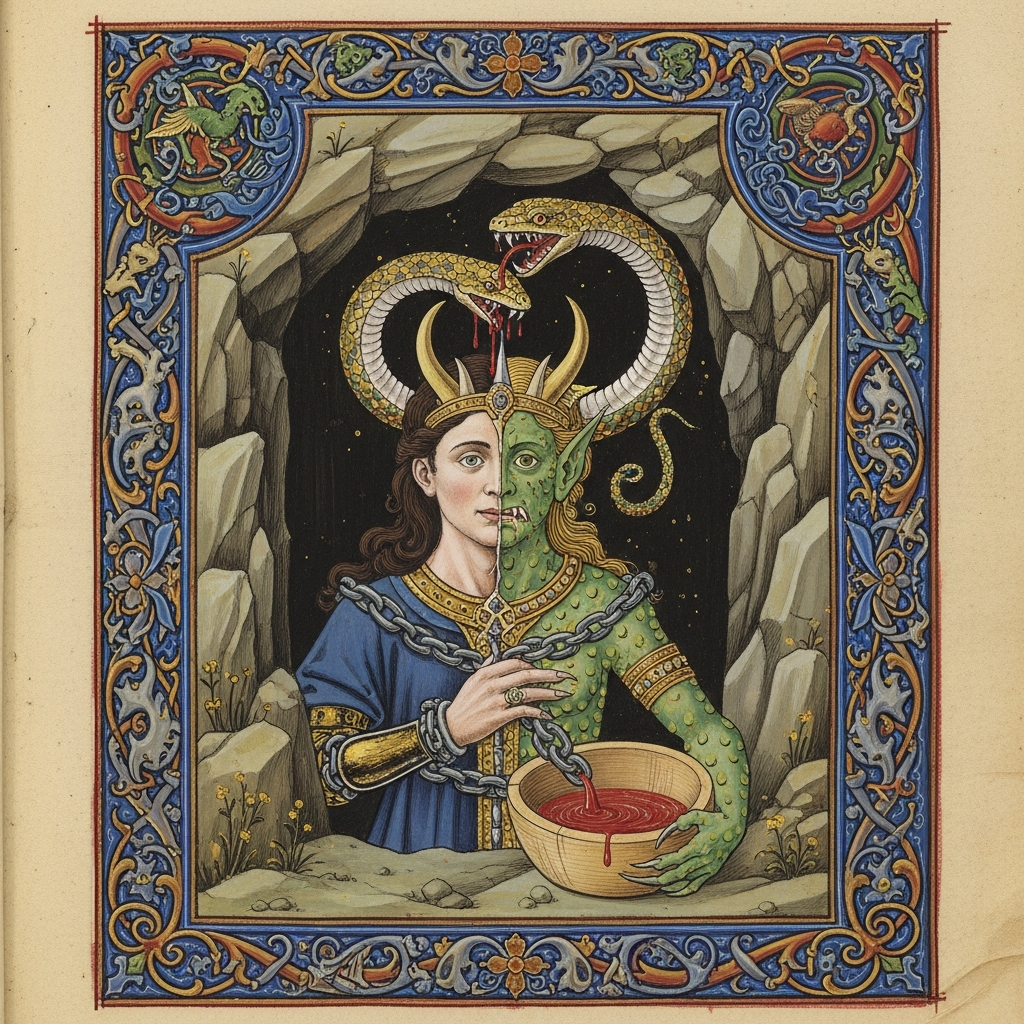
Gleipnir (the magical fetter forged by dwarves from impossible things -- the sound of a cat's footfall, the beard of a woman, the roots of a mountain, the sinews of a bear, the breath of a fish, the spittle of a bird)
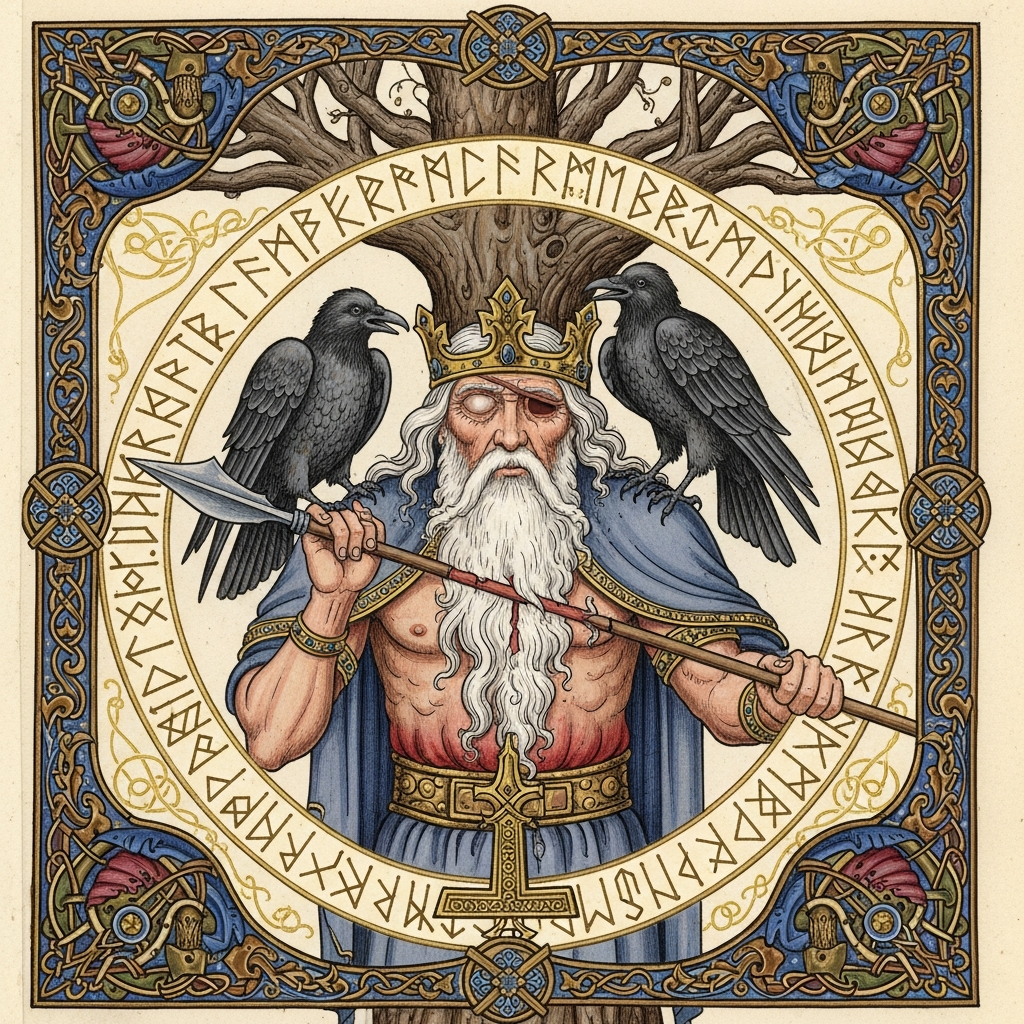
“The wolf shall swallow the Allfather, and that shall be his death.” — Prose Edda, Gylfaginning 51
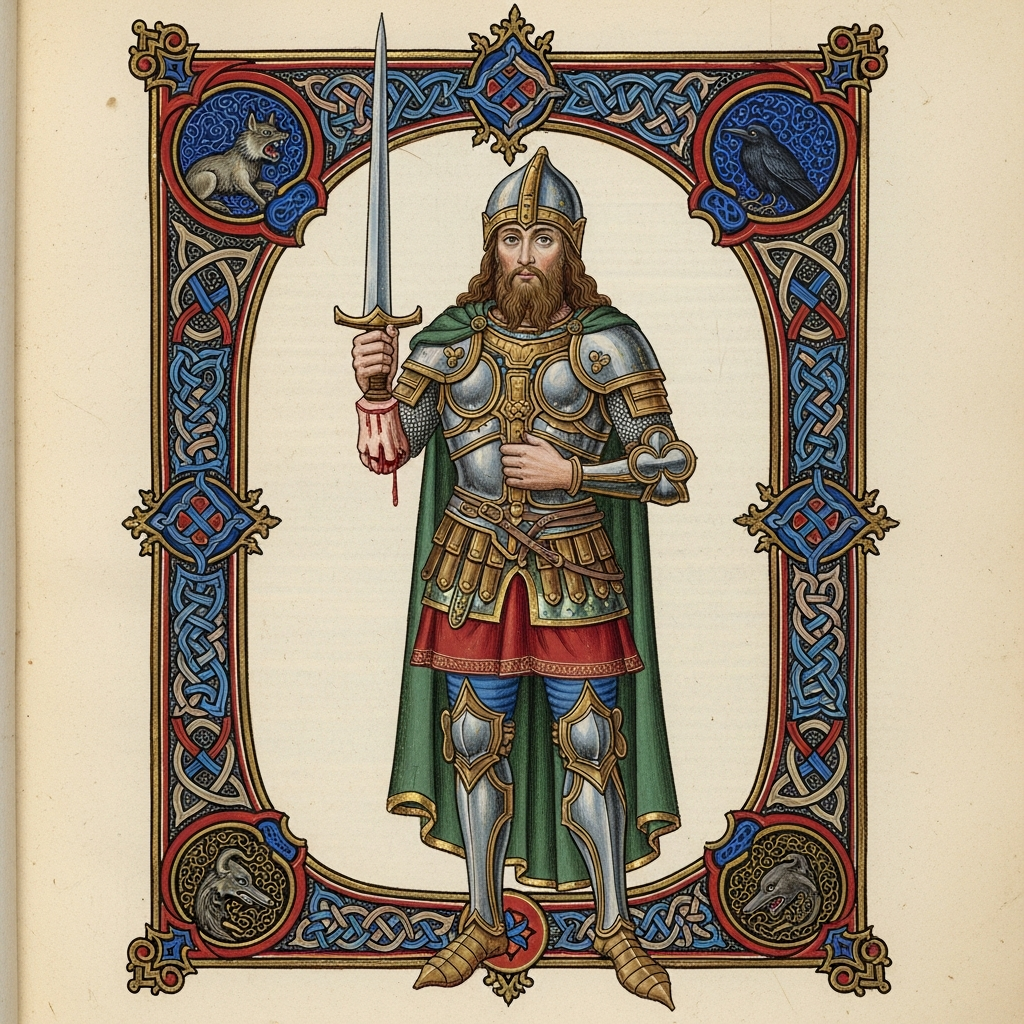
Lore: Fenrir is the firstborn of Loki’s monstrous children, a wolf of such terrifying power that the gods themselves could not contain him by force (Snorri, Gylfaginning 34). He grew so large and so dangerous that the Aesir resolved to bind him (Gylfaginning 34). They tried two ordinary chains, which Fenrir snapped effortlessly (Gylfaginning 34). Then they commissioned the dwarves of Svartalfheim to forge Gleipnir, a magical fetter made from six impossible ingredients, which appeared as a thin silken ribbon (Gylfaginning 34). Fenrir, suspicious, agreed to be bound only if one of the gods placed a hand in his mouth as a pledge of good faith (Gylfaginning 34). Only Tyr volunteered. When Fenrir discovered the chain would hold, he bit off Tyr’s hand — but he was bound (Gylfaginning 34). He will remain bound until Ragnarok, when the chain breaks, and Fenrir runs free (Voluspa 53) with his mouth open so wide that his upper jaw touches the sky and his lower jaw drags the ground (Voluspa 53). He will swallow Odin whole (Voluspa 54). And then Vidar, Odin’s silent son, will step on Fenrir’s lower jaw with his iron-shod foot, grab the upper jaw, and tear the wolf apart (Voluspa 55).
Parallel: Fenrir parallels both the Beast of Revelation (Revelation 13) and Satan himself (Revelation 20). Like Satan, Fenrir is bound by a divine chain, restrained for an appointed time, and then released for the final battle. Like the Beast, he is a creature of pure destructive power that devours the existing order. The motif of the bound monster who breaks free at the end of days is shared between Norse and Christian eschatology with remarkable precision.
1 min read
Vidar (Odin's son, who avenges his father by tearing Fenrir's jaw apart at Ragnarok)
Prose Edda (Gylfaginning 34, 51); *Voluspa* 53-54