Combat Profile
Cosmic Axis
manifests as the fundamental pillar connecting all realms, allowing instantaneous communion with any plane of existence within its sphere of influence
Eternal Roots
passively sustains all life and consciousness through its boundless spiritual network, making it impossible to truly destroy or permanently corrupt
Title: The Cosmic Axis, The Shaman’s Ladder, The Tree That Was Before Words
Tradition: Siberian Sacred | Cosmological Principle
Description:
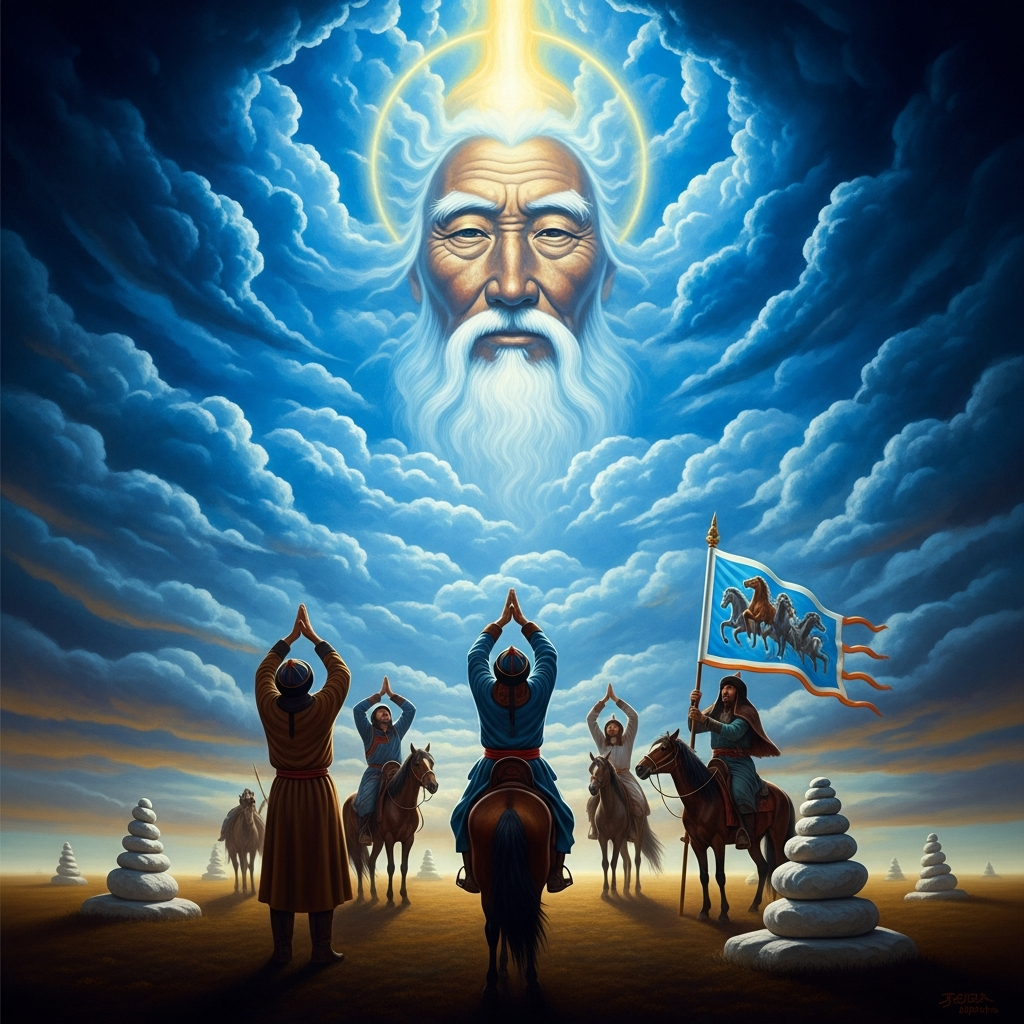
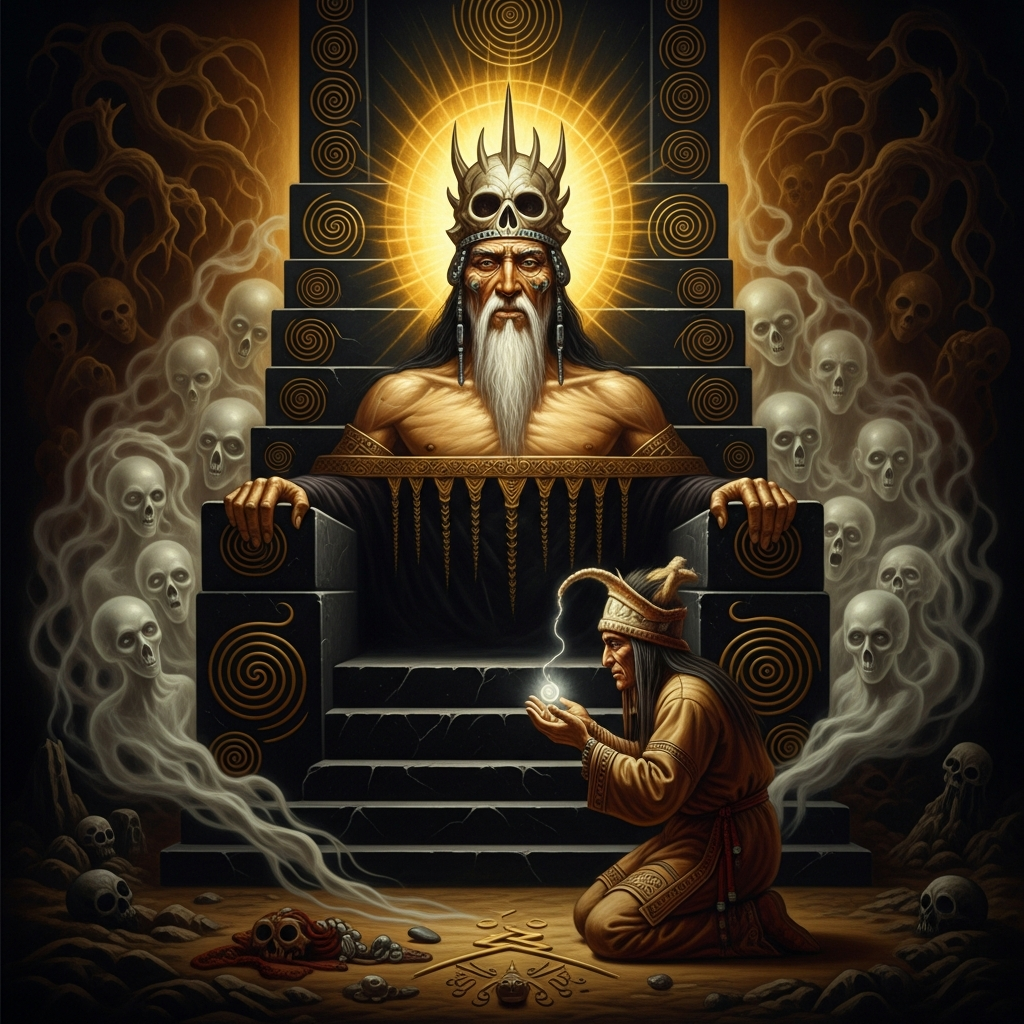
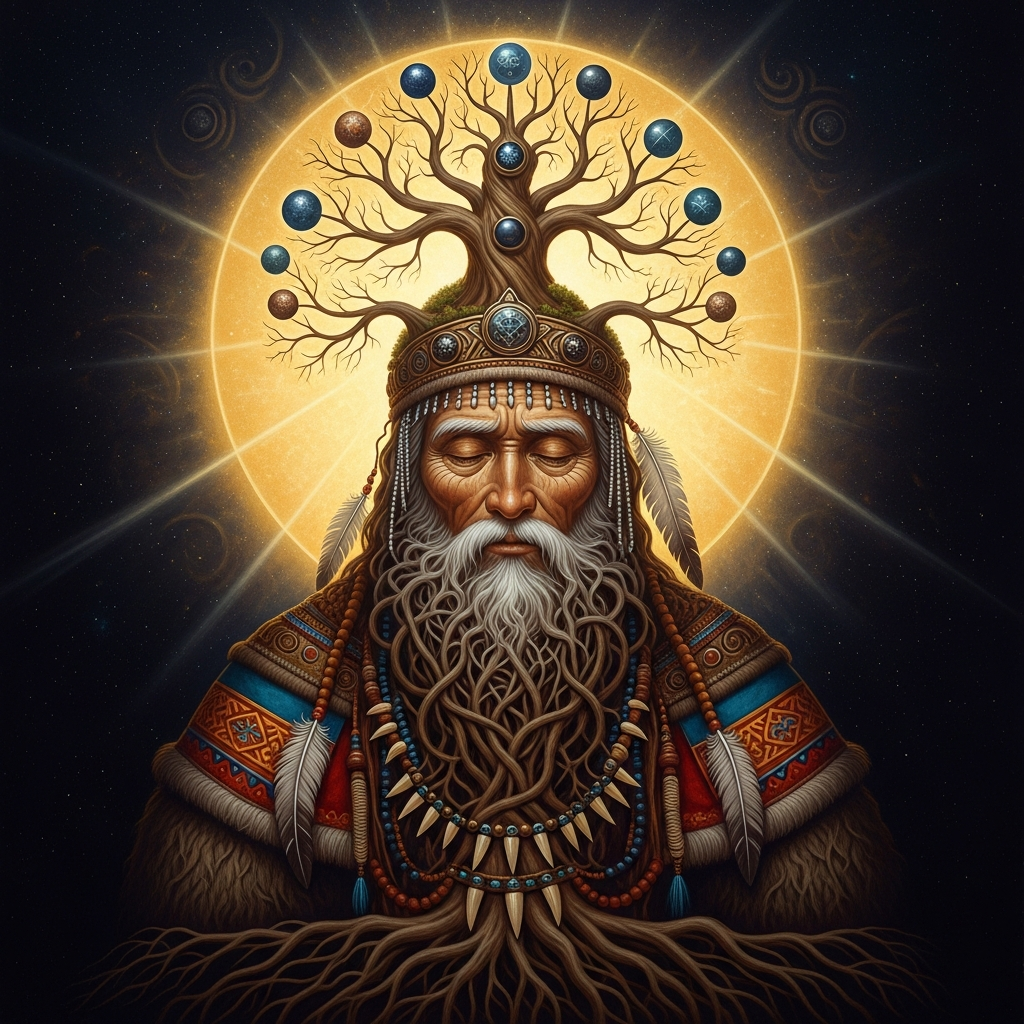
Long before the Norse composed Poetic Edda, the Siberian shamans climbed the World Tree in trance. The roots touch the Lower Realm where Erlik dwells. The trunk runs through the Middle World of humans and animals. The crown reaches Tengri’s eternal blue. Nine branches = nine worlds, though the exact number varies by tradition (Yakut say nine, Altai say seven).
The World Tree is not metaphor. It is a real celestial structure accessible through consciousness alteration. Shamans climb it during initiation, healing, and crisis. The tree has guardians at each level—spirits, demons, and ancestral keepers who test the shaman’s resolve.
Some scholars argue that the Siberian World Tree is the source from which later traditions (Norse Yggdrasil, Kabbalistic Sephiroth, Hindu axis mundi) derived their imagery. The spiritual technology is older than any written mythology.
In RPG Context: The World Tree is a dungeon, a level-by-level ascent/descent. Each realm has different physics, enemies, and rewards. A player could quest to “climb to Tengri’s crown” or “descend to Erlik’s throne.”
STAT BLOCK:
| Stat | Score |
|---|---|
| ATK | 0 |
| DEF | 100 |
| SPR | 97 |
| SPD | 0 |
| INT | 88 |
| CHA | 86 |
| WIS | 97 |
| END | 99 |
| Element | Nature |
| Role | Sovereign |
| Rarity | Mythic |
| Threat | Benign |
| LCK | 95 |
| ARC | 98 |
| Special | Cosmic Axis — manifests as the fundamental pillar connecting all realms, allowing instantaneous communion with any plane of existence within its sphere of influence |
| Passive | Eternal Roots — passively sustains all life and consciousness through its boundless spiritual network, making it impossible to truly destroy or permanently corrupt |
| Epithets | ”Süld” (Yakut: the World Tree / spirit pole), “Tuuru” (Altai/Buryat: sacred tree), “The Birch That Reaches Heaven,” “The Shaman’s Ladder” |
| Sacred Animals | Eagle (nests in the crown — Upper World guardian), serpent or fish (winds around the roots — Lower World guardian), elk or reindeer (the Middle World traveler) |
| Sacred Objects | The shaman’s central tent-pole (a microcosm of the World Tree), the notched birch pole (tuuru) used in Buryat ceremonies, nine notches representing nine heavens |
| Sacred Colors | Green (living world), white (Upper World — Tengri’s realm), black (Lower World — Erlik’s realm) |
| Sacred Number | 9 (nine heavens; nine levels of the World Tree in most traditions); 7 in some Altai variants |
| Consort(s) | N/A — the World Tree is a structural principle, not a personal being |
| Sacred Sites | The World Tree is the cosmos itself; represented physically by the shaman’s central fire pole in the yurt; sacred birch groves across Siberia; the notched ritual pole erected for major ceremonies |
| Festivals | The oboo (ovoo) ceremony involves erecting a symbolic World Tree; shamanic initiation ceremonies always involve the symbolic ascent of the Tree; spring and autumn equinox ceremonies |
| Iconography | A great tree (typically birch) with roots in the lower world, trunk in the middle world, crown in the upper world; sometimes three worlds depicted as three sections of a drum; eagle at the top, serpent at the roots |
| Period | The World Tree as shamanic cosmological structure is attested across all Siberian traditions from at least the 17th century CE in Russian ethnographic records; structural origins in Bronze Age or earlier |
| Region | Pan-Siberian — Evenki (central and eastern Siberia), Yakut/Sakha (northeastern Siberia), Altai peoples (southern Siberia), Buryat (around Lake Baikal), Tuvan (southern Siberia/northern Mongolia) |
Power Tier: S — Cosmic (Does not initiate combat; cannot be destroyed)
Alignment: Neutral Absolute (Cosmic Structure)
Domain: Axis mundi, shamanic ascent/descent, realm-bridge, initiation pathway
Sacred Symbols: Birch tree, spiral staircase, nine branches, upward spiral
Cross-Tradition Parallels: Yggdrasil (Norse), Sephiroth tree (Kabbalah), Brahma’s tree (Hindu), Cosmic Tree (Mesopotamian), Tree of Life (Hebrew mysticism)
Ability: Any being touching the World Tree and speaking its true name gains passage to any realm it connects. Shamanic apprentices use it for training and healing work.
3 min read