Combat Profile
Covenant Seal
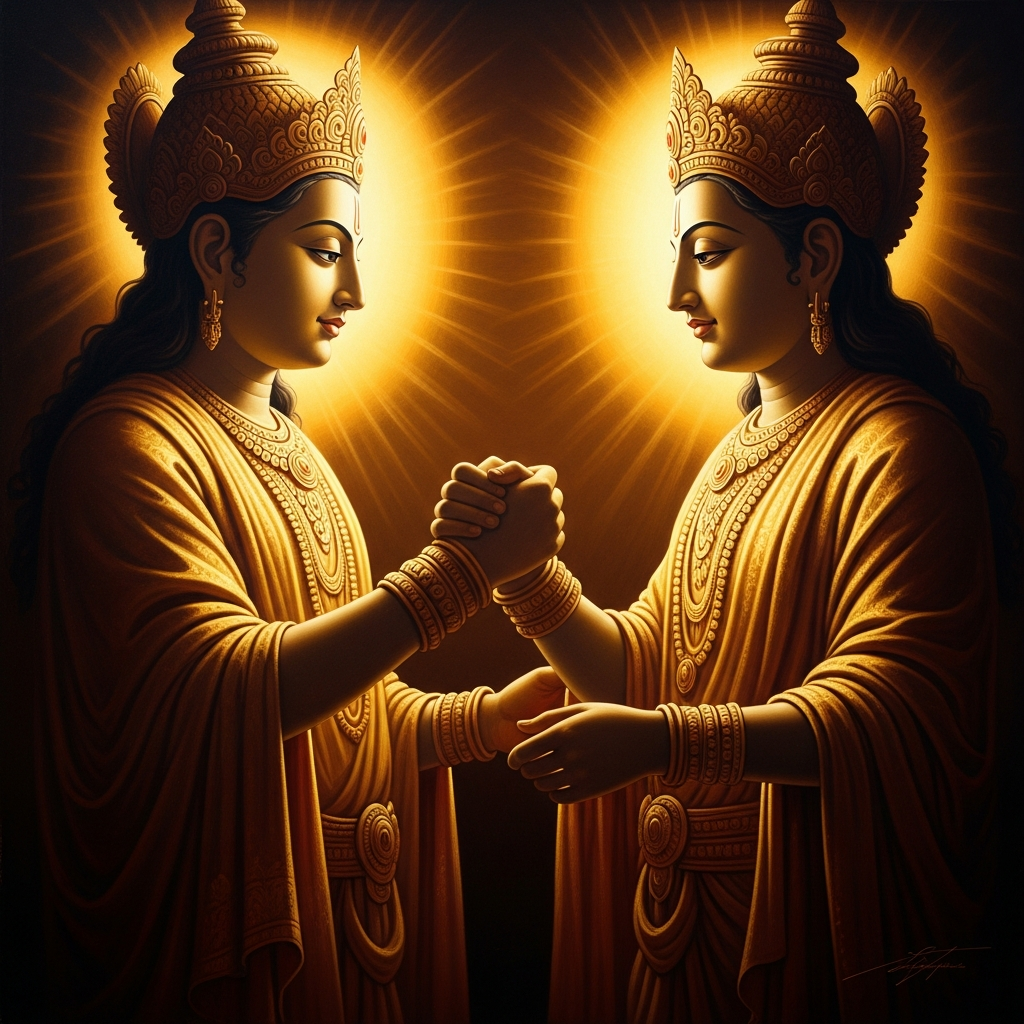
Witnesses and seals any pact between two parties; breaking the sealed covenant inflicts divine retribution on the breaker that scales with the value of what was sworn
Friend of Strangers
Mitra's blessing turns hostility into hospitality; in his presence enemies cannot draw weapons against guests, and the violation of guest-right is supernaturally avenged
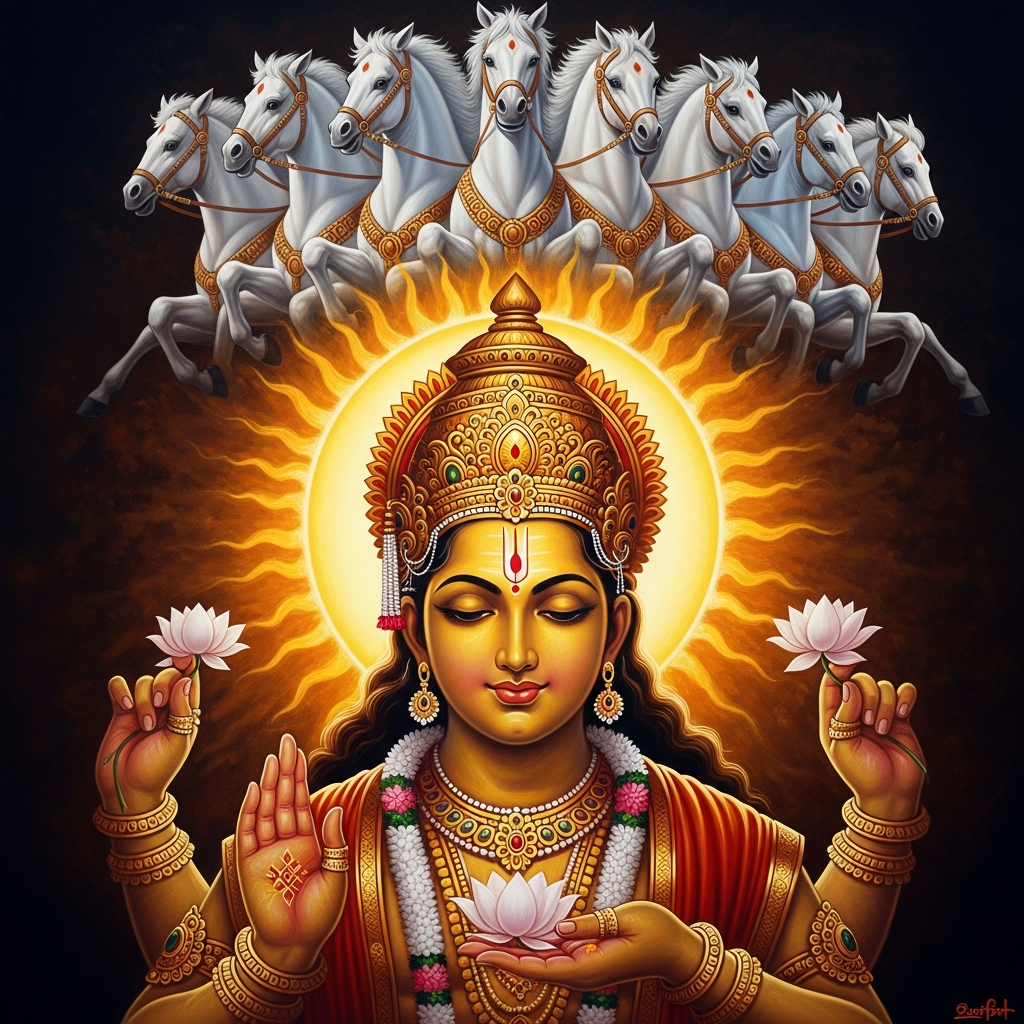
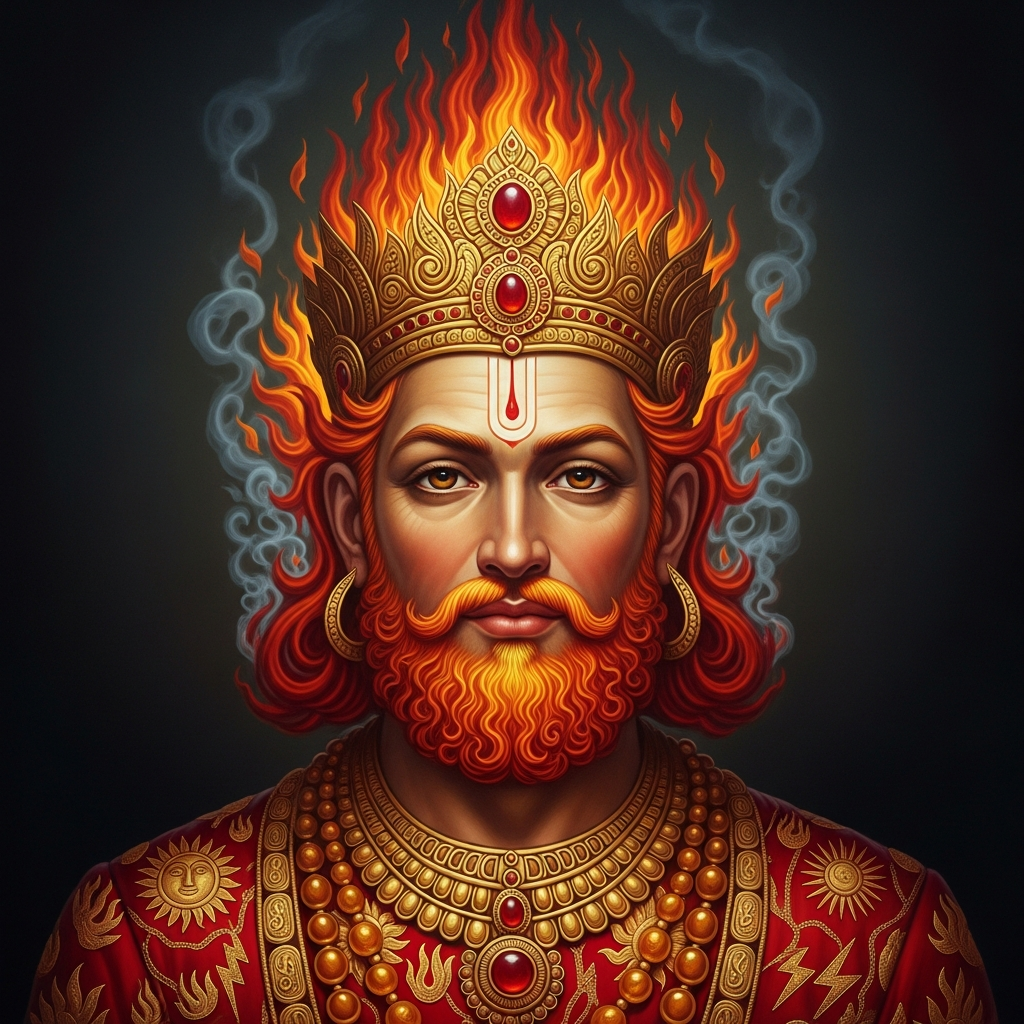
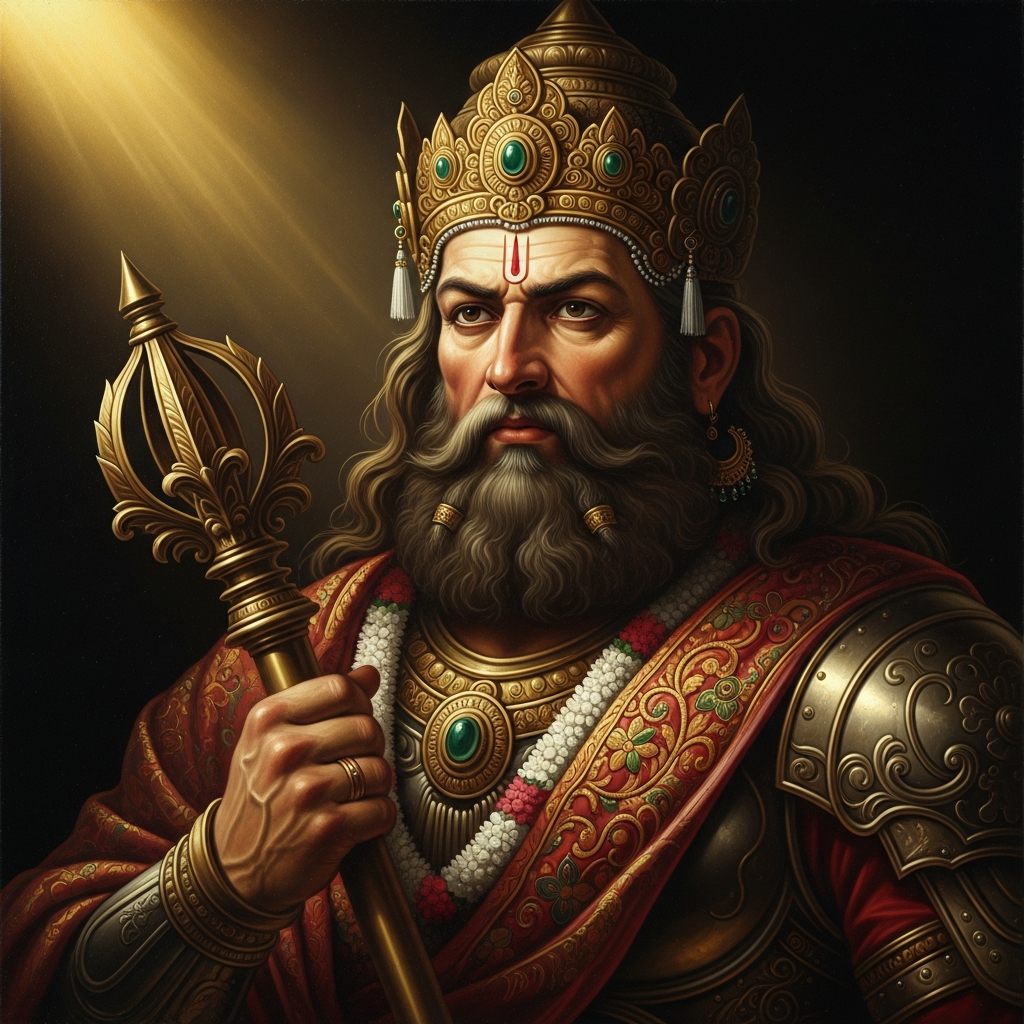
Mitra is the god of covenants — of the sworn word, the contract between strangers, the sacred bond that turns enemies into friends. His name means “friend” or “contract” (the same word in Sanskrit), and his presence is invoked at every treaty, every alliance, every guest-host transaction. Where Varuna is the dread judge, Mitra is the warm guarantor; where Varuna binds the oath-breaker, Mitra rewards the oath-keeper. The two are inseparable — the Rigveda almost always invokes them as a dual pair, Mitra-Varuna, two halves of the cosmic contractual order.
Mitra is also associated with the morning and with the rising sun (he is one of the Adityas), and over the centuries his solar associations would deepen until — under his Iranian cousin Mithra — he became the central deity of a major Roman mystery cult. The Vedic Mitra is older and more legalistic: the god you invoke when you cut the deal, when you make the pact, when you exchange the gifts that bind clans into peace.
Biblical Parallels: Mitra is the deepest Indo-European parallel to the Hebrew theology of covenant (berit) — the legal-ritual bond between Yahweh and Israel that organizes the entire Hebrew Bible. Both are sealed by sacrifice (Genesis 15), both are witnessed by divine power, both invoke catastrophic curses on the breaker. The New Testament’s “new covenant” (Luke 22:20) extends the same theological logic. Mitra’s role at the morning sun-rise prefigures the Christian dawn-prayer tradition.
Cross-Tradition: Direct cognate with Iranian Mithra (Avestan Miθra) — same name, same covenant-function, but elevated in Zoroastrianism to a major deity. Mithra was carried west by Roman soldiers and became the central figure of the Mithraic mysteries (~100-400 CE), a major rival of early Christianity. The Roman Mithras shares many features with both Christ and Indo-European Mitra: birth, slaying of a cosmic beast (the bull), shared sacred meal, ascent to heaven.
1 min read