Elijah at Horeb: The Wind, the Earthquake, the Fire, and the Still Small Voice
c. 860 BCE · The brook Kishon, the wilderness south of Beersheba, the broom tree, Mount Horeb (Sinai)
Contents
A prophet has just won the great public contest against the priests of Baal — fire from heaven, slaughter at the brook Kishon — and now Queen Jezebel has put a price on his head. He runs into the wilderness, asks to die, and walks forty days to the mountain of God. There the LORD passes by — but not in the wind, not in the earthquake, not in the fire.
- When
- c. 860 BCE
- Where
- The brook Kishon, the wilderness south of Beersheba, the broom tree, Mount Horeb (Sinai)
He had won.
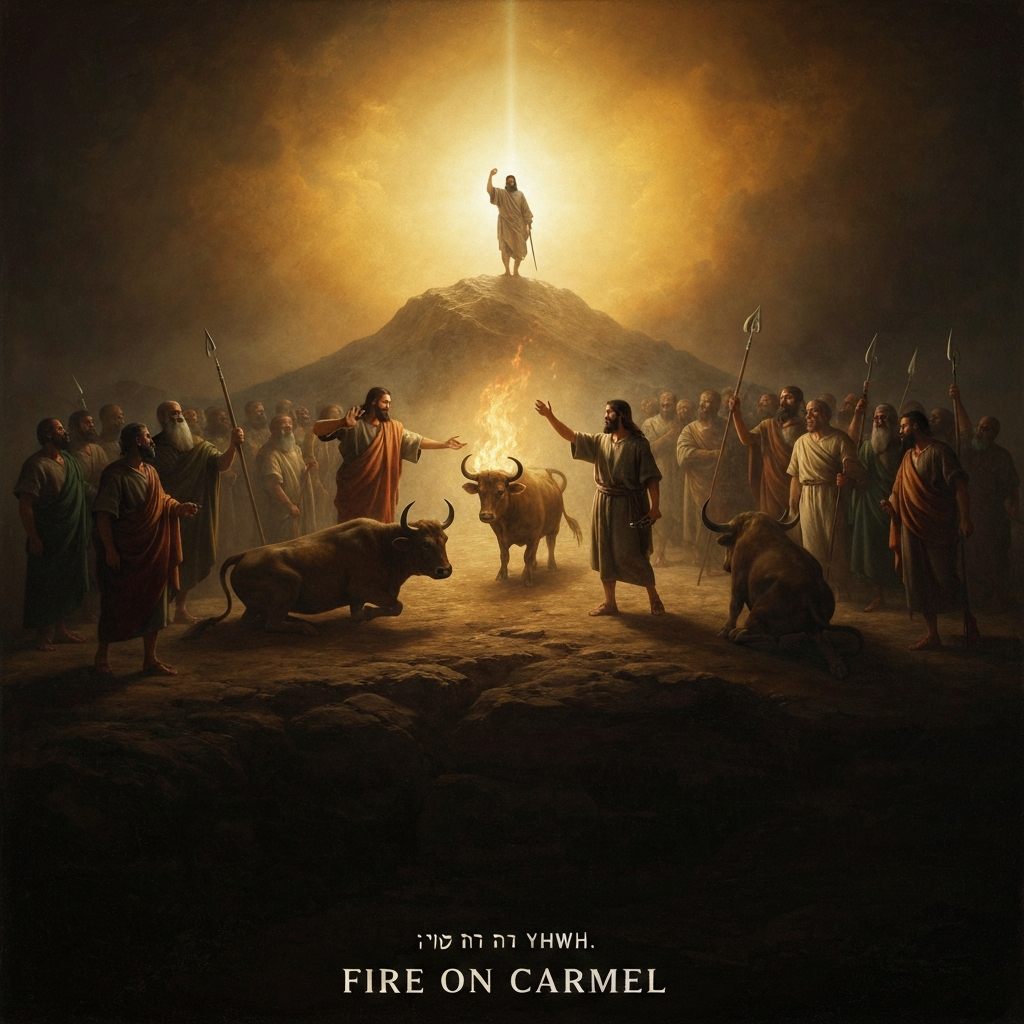
On Mount Carmel, in front of all Israel, he had won. He had challenged the four hundred and fifty prophets of Baal to a contest before the people. Set up two altars, he had said. Lay the wood. Lay the bull. Pray to your god, and I will pray to mine. The god who answers by fire is God.
The Baal prophets had gone first. They had cried to Baal from morning until noon. O Baal, hear us! They had limped around their altar. They had cut themselves with knives and lances until the blood streamed. They had raved into the afternoon. Elijah, watching them, had mocked them. Cry louder. Perhaps your god is meditating. Perhaps he has gone aside. Perhaps he is on a journey. Perhaps he is asleep, and must be awakened.
Nothing had answered them.
When evening came, Elijah had repaired the broken altar of the LORD. He had stacked the wood. He had laid the bull. Then, almost theatrically, he had ordered the bystanders to fill four jars with water from the spring and pour them on the altar — three times, twelve jars in all — until the altar and the wood and the trench around it were drenched. He had stepped forward. He had prayed a single sentence: LORD, the God of Abraham, Isaac, and Israel, let it be known this day that you are God in Israel and that I am your servant.
The fire had fallen.
It had fallen from a clear sky. It had consumed the bull, the wood, the stones of the altar themselves, the water in the trench, the dust around the altar. It had left a crater. The people had fallen on their faces and shouted: The LORD, He is God! The LORD, He is God!
Elijah had pressed the moment. Seize the prophets of Baal. Let none of them escape. The crowd had taken them. He had led them down to the brook Kishon and had killed them there — every one. The brook had run red.
He had told the king Ahab to get into his chariot and go home before the rain stopped him. He had outrun Ahab’s chariot all the way to Jezreel — the spirit of the LORD on him, the rain coming down at last after three years of drought, the prophet running ahead of the royal horses with his cloak gathered up around his belt.
The contest had been a complete victory.
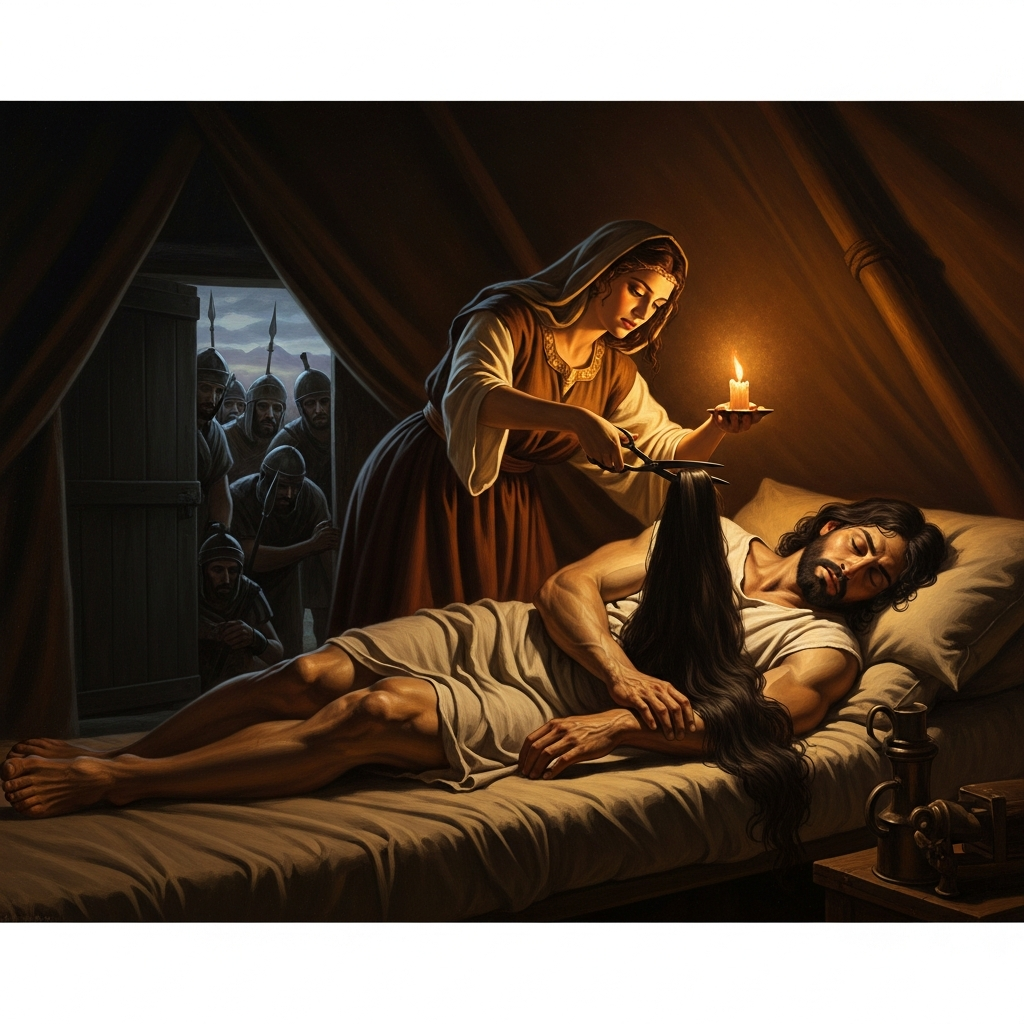
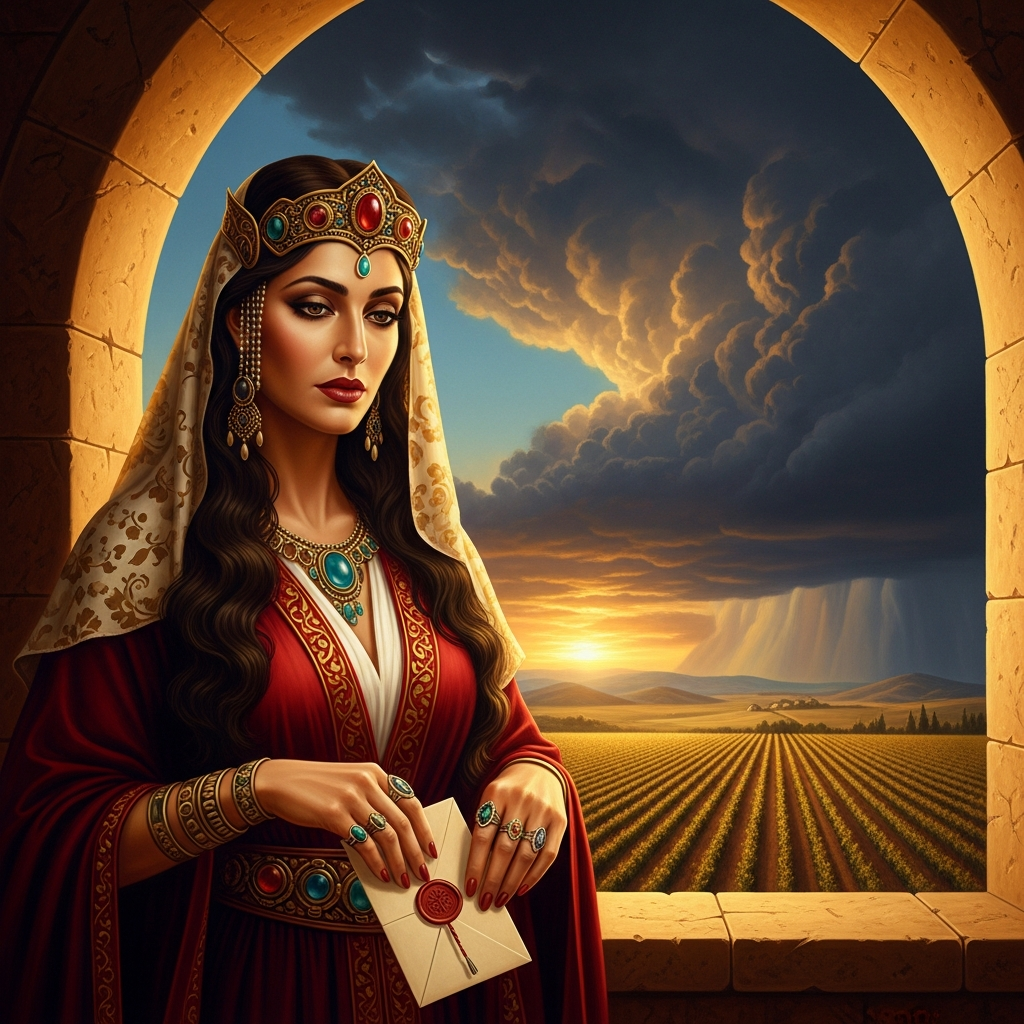
That night, in Jezreel, Queen Jezebel — Ahab’s wife, the Sidonian princess who had brought Baal-worship into Israel as her dowry — sent a messenger to Elijah. The message was short. So may the gods do to me, and more, if I do not make your life like the life of one of those prophets you killed by tomorrow.
He read the message.
Something in him broke.
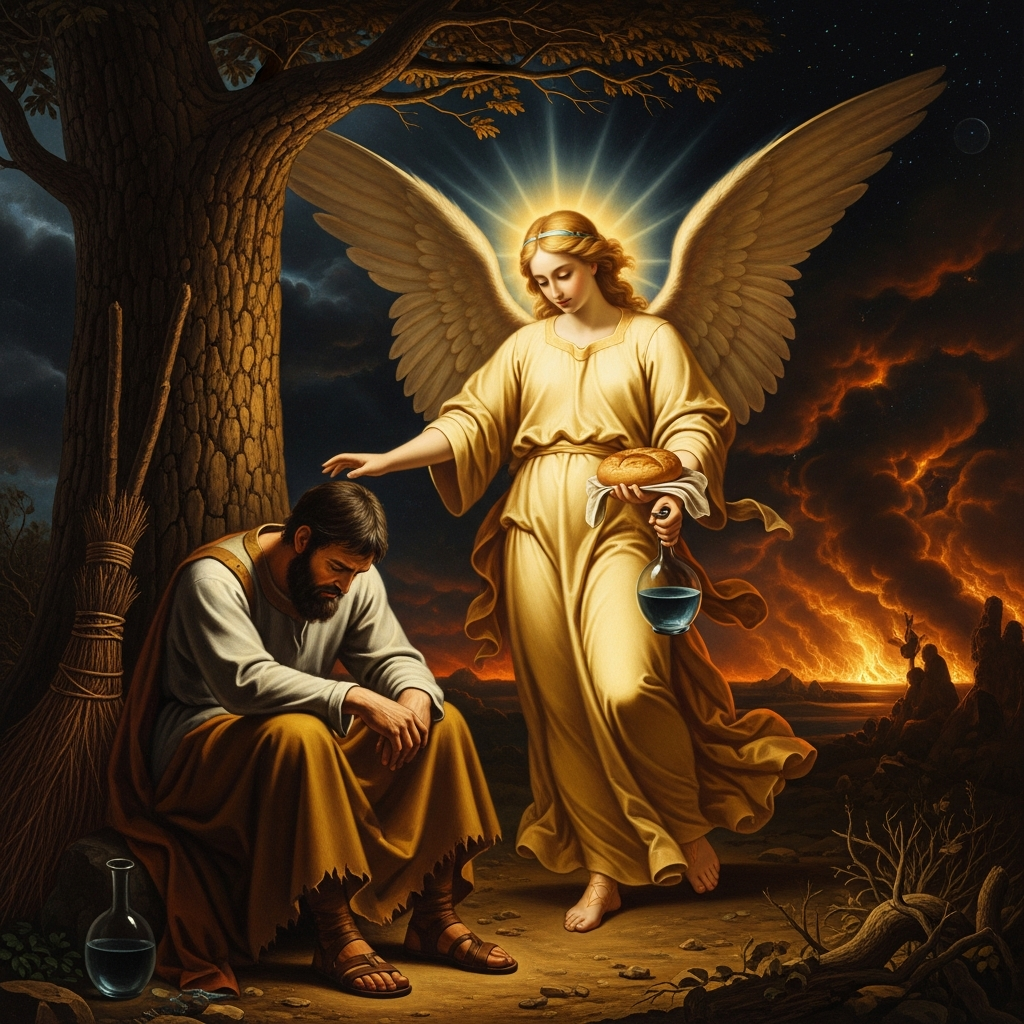
He fled. He fled south. He took his servant as far as Beersheba, and there he left the servant and went on alone into the wilderness — the dry country south of Beersheba where there was no water, no shade, no road. He walked for a day. At the end of the day he came to a single broom tree. He lay down under it. He asked to die.
It is enough now, LORD, he said. Take my life. I am no better than my fathers.
He fell asleep under the tree.
An angel touched him.
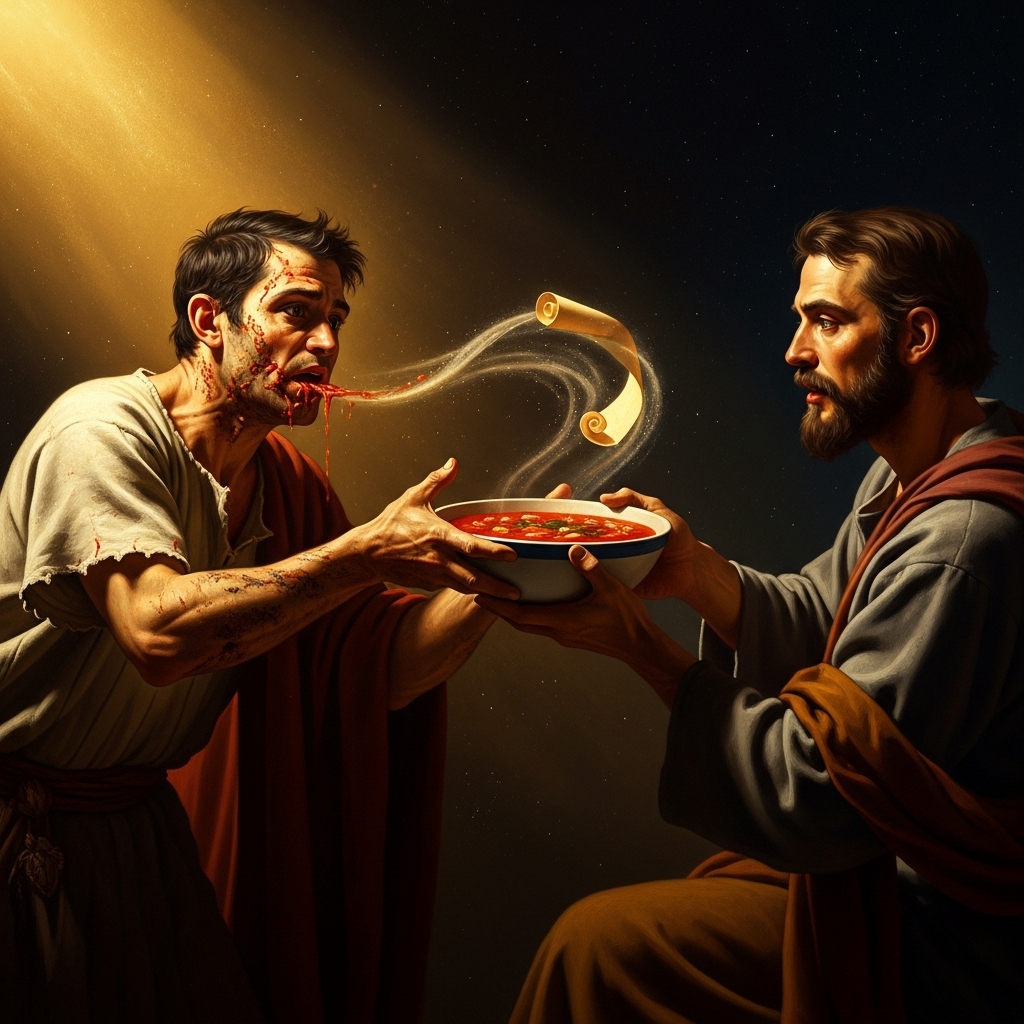
He woke. There was a cake of bread baked on hot stones beside his head, and a jar of water. He ate. He drank. He fell asleep again. The angel touched him a second time. Get up and eat. The journey is long for you.
He ate again. He stood up. He began to walk. He walked, the text says, in the strength of that food forty days and forty nights — across the wilderness of Sinai, retracing in solitude the path Israel had once walked as a multitude — until he came to Horeb, the mountain of God, where Moses had stood.
He came to a cave. He went in. He spent the night.
The word of the LORD came to him: What are you doing here, Elijah?
He answered. The answer was a complaint, the long complaint of an exhausted prophet. I have been very jealous for the LORD God of hosts. The children of Israel have forsaken your covenant, broken down your altars, slain your prophets with the sword. I, only I, am left. And they seek my life to take it away.
The voice said: Go out. Stand on the mountain before the LORD.
He went out and stood at the mouth of the cave.
A great wind came. It was the kind of wind that splits mountains. The rocks of Horeb broke before it. Pieces of the cliff broke off and flew past the mouth of the cave like leaves.
But the LORD was not in the wind.
After the wind, an earthquake. The mountain shook. The cave around him shook. Stones fell from the roof.
But the LORD was not in the earthquake.
After the earthquake, a fire. A great fire passed across the face of the mountain. The wind was hot with it. The rocks glowed.
But the LORD was not in the fire.
After the fire — a sound that the Hebrew calls qol demamah daqqah. The phrase has been translated a still small voice, a sound of sheer silence, a thin whisper, the sound of low quiet. The phrase resists English. It is the sound of silence that has texture. It is the silence after the storm has stopped.
When Elijah heard it, he wrapped his face in his mantle and went out and stood at the mouth of the cave.
He understood. The God who could split the mountain and shake the earth and burn the cliff was choosing — for this conversation, with this prophet, after this collapse — none of those forms. The God who had thundered at Sinai a thousand years ago was choosing, this time, the thin quiet. Elijah had been deploying fire. He had been deploying spectacle. He had won every public contest. And he had broken anyway, because the spectacle does not heal the prophet who deploys it, and because Jezebel’s threat had reached him in the small private voice that all spectacle is incompetent to answer.
The voice spoke again. What are you doing here, Elijah?
He repeated his complaint, word for word. He had not changed his mind by being on the mountain. He was still alone. He still felt finished.
The voice did not lecture him.
It gave him three tasks. Go back. Anoint Hazael as king of Syria. Anoint Jehu as king over Israel. Anoint Elisha to be prophet in your place. Three appointments — political, royal, prophetic — that would, between them, accomplish what the contest on Carmel had not. And know this, the voice added: I have seven thousand in Israel — every knee that has not bowed to Baal, every mouth that has not kissed him. You are not as alone as you think.
He came down from the mountain.
He found Elisha plowing with twelve yoke of oxen. He passed by him and threw his mantle on him in passing. Elisha left his oxen, slaughtered them, fed his people, and followed.
The succession was secured. The kings were anointed in time. The Baal cult would, in a generation, be ended. Elijah himself would not see the political resolution; he would be taken up to heaven in a whirlwind, with a chariot of fire and horses of fire — the spectacle returning, but only at his exit.
The mountain stayed.
The pattern stayed. The pattern is what the contemplative traditions across three religions would extract from this passage and meditate on for two and a half thousand years. The wind, the earthquake, the fire are not nothing — they had been God once, in a different conversation, in a different generation — but they are not always God. The God who tests the prophet at his lowest point chooses the form that the prophet’s spectacle did not contain. The form is silence with weight.
What Elijah heard on Horeb was the voice that the Carmel fire could not produce. He heard it because he had run out of fire. The text does not punish him for running out. The text shows him being fed under a tree, being touched by an angel, being walked across the desert in the strength of one meal. The God of the still small voice is the God who knows that the prophet, after winning, sometimes needs a sandwich and a long walk, and only after that, the conversation that turns him around.
Scenes
On Mount Carmel, Elijah stands alone before four hundred and fifty prophets of Baal as fire from heaven falls and consumes the soaked altar, the wood, the stones, and the water in the trench
In the wilderness south of Beersheba, Elijah lies under a broom tree, exhausted, asking to die
At the cave on Horeb
Echoes Across Traditions
Entities
- Elijah
- Jezebel
- Ahab
- The angel
- Elisha
Sources
- 1 Kings 18-19
- Sirach 48:1-12
- Malachi 4:5-6
- Mishnah, Eduyot 8:7