Combat Profile
Grail Ascension
Galahad achieves ultimate spiritual transcendence, purifying all corruption and granting immortal grace to his cause.
Spotless Soul
Galahad's unwavering purity grants him immunity to deception, corruption, and darkness while inspiring absolute faith in allies.
He has no meaningful weakness in the tradition -- which is itself a theological statement. He is not fully human in the way the other knights are; he is the ideal made flesh
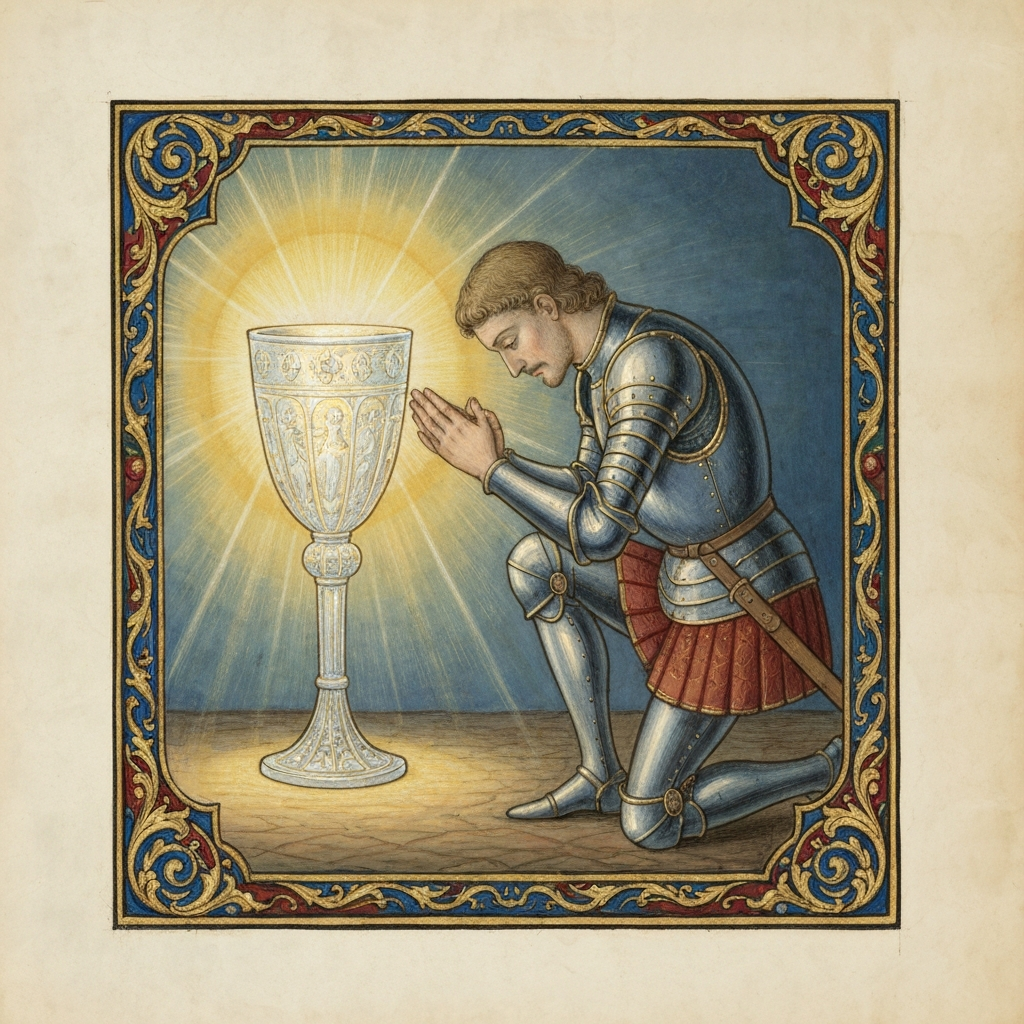
“Now at last I see openly what tongue could not relate nor heart conceive. Here I see the beginning of great daring and the cause of great endeavor; here I see the marvel of all marvels!” — Galahad upon seeing the Grail (Vulgate Queste)
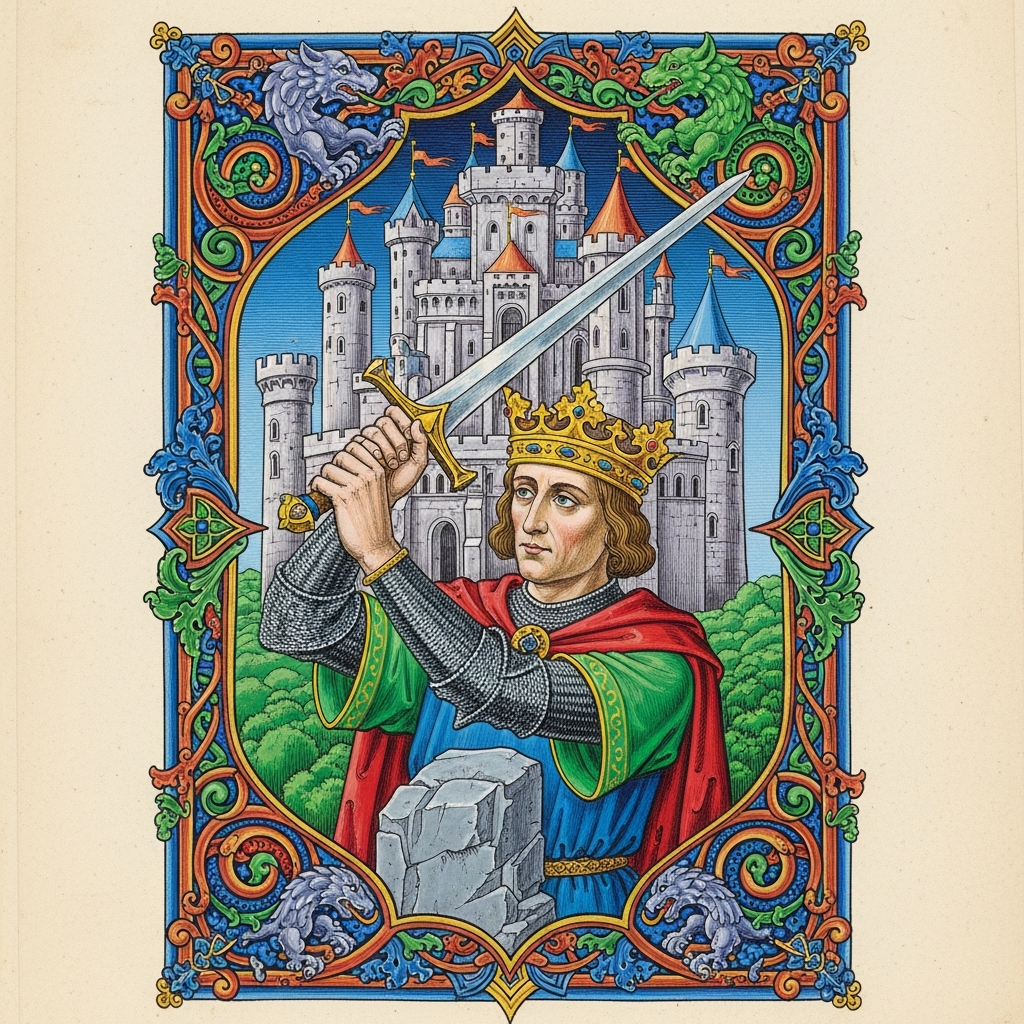
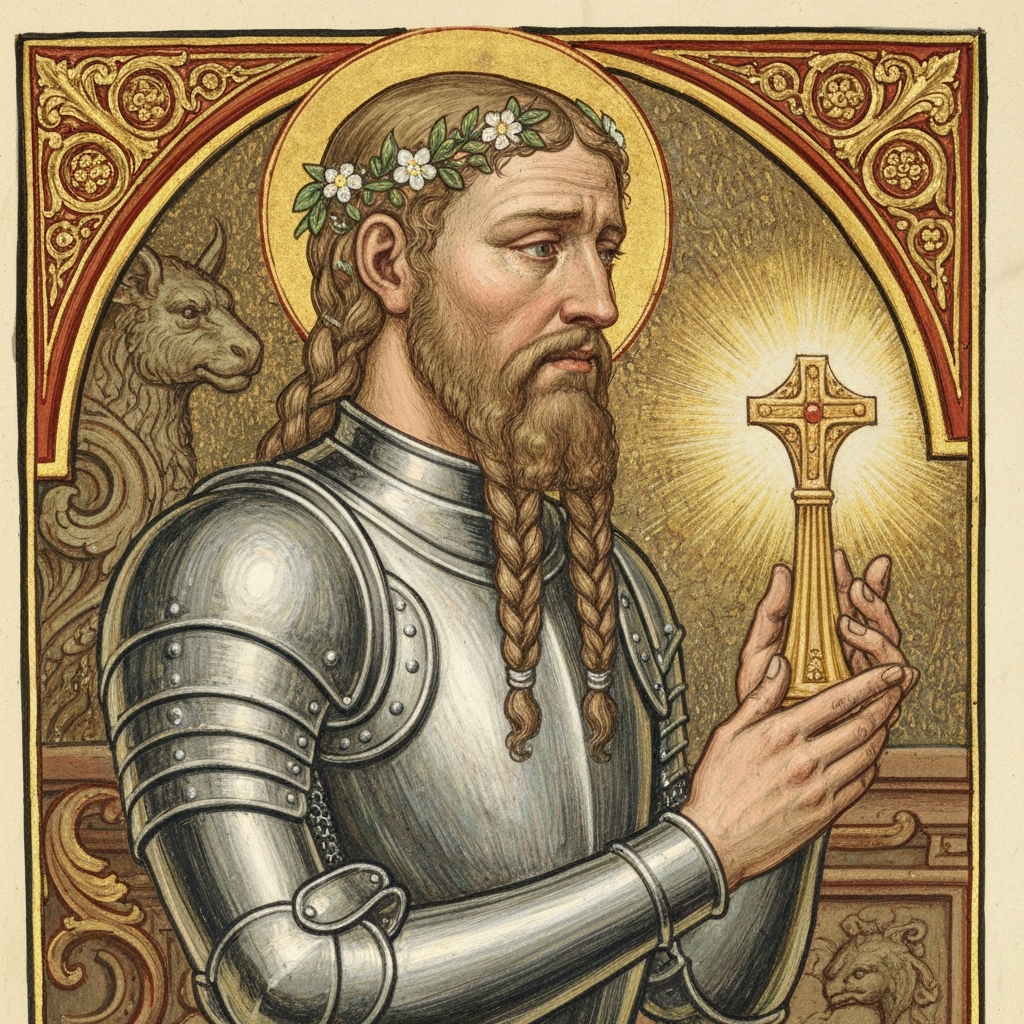
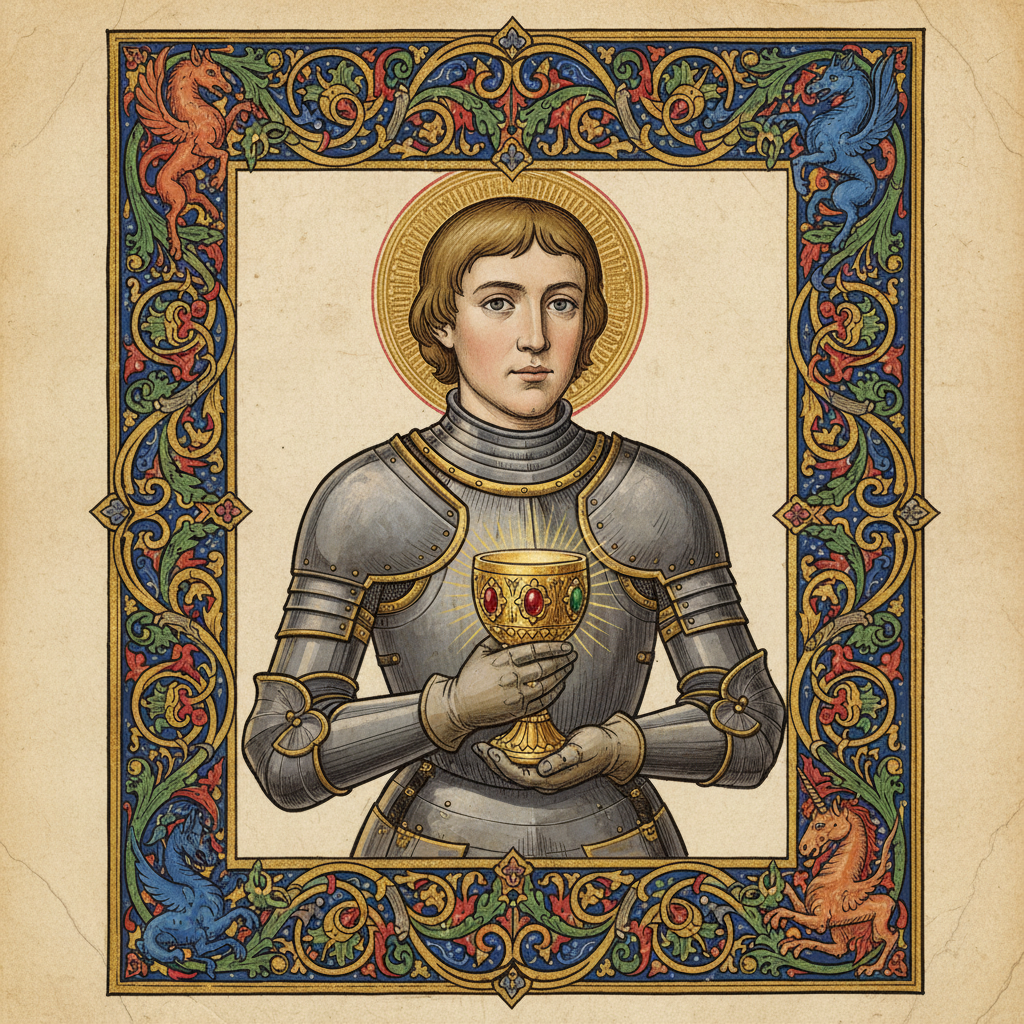
Lore: Galahad is the son of Lancelot and Elaine of Corbenic (conceived through deception — Elaine used enchantment to make Lancelot believe she was Guinevere). He is the knight the entire tradition has been building toward: the one who will sit in the Siege Perilous (the “Perilous Seat” at the Round Table, left empty because it kills anyone unworthy who sits in it), the one who will achieve the Holy Grail. He arrives at Camelot in red armor, with no shield, and an old man presents him as “the knight desired.” He sits in the Siege Perilous and does not die. He draws a sword from a stone floating in the river, as Arthur once drew the sword from the stone. He is Lancelot perfected — he has his father’s martial prowess (he defeats Lancelot in a tournament, the only knight ever to do so) but not his father’s sin. At Corbenic, Galahad looks into the Grail, sees the divine mysteries, and asks God to let him die in that moment of perfect vision. A hand descends from heaven and takes the Grail. Galahad’s soul ascends. The Grail is never seen on earth again.
Parallel: Galahad is the most explicit Christ-figure in medieval literature outside of direct allegory. The Vulgate Queste makes the parallels deliberate: he is descended from the line of David (through Joseph of Arimathea), he is sinless, he sits in the seat reserved for the chosen one (the Siege Perilous / the throne at God’s right hand), he achieves what no other can, and he ascends bodily to heaven. Matthew 5:8 — “Blessed are the pure in heart, for they shall see God” — is the entire plot of Galahad’s story reduced to one verse. He also represents what Lancelot could have been: the same bloodline, the same ability, but without the fatal flaw.
2 min read
None. Nothing in the Arthurian world can defeat Galahad. He leaves it voluntarily by ascending to heaven
Vulgate Cycle, *Queste del Saint Graal* (~1225-1230); Malory, *Le Morte d'Arthur*