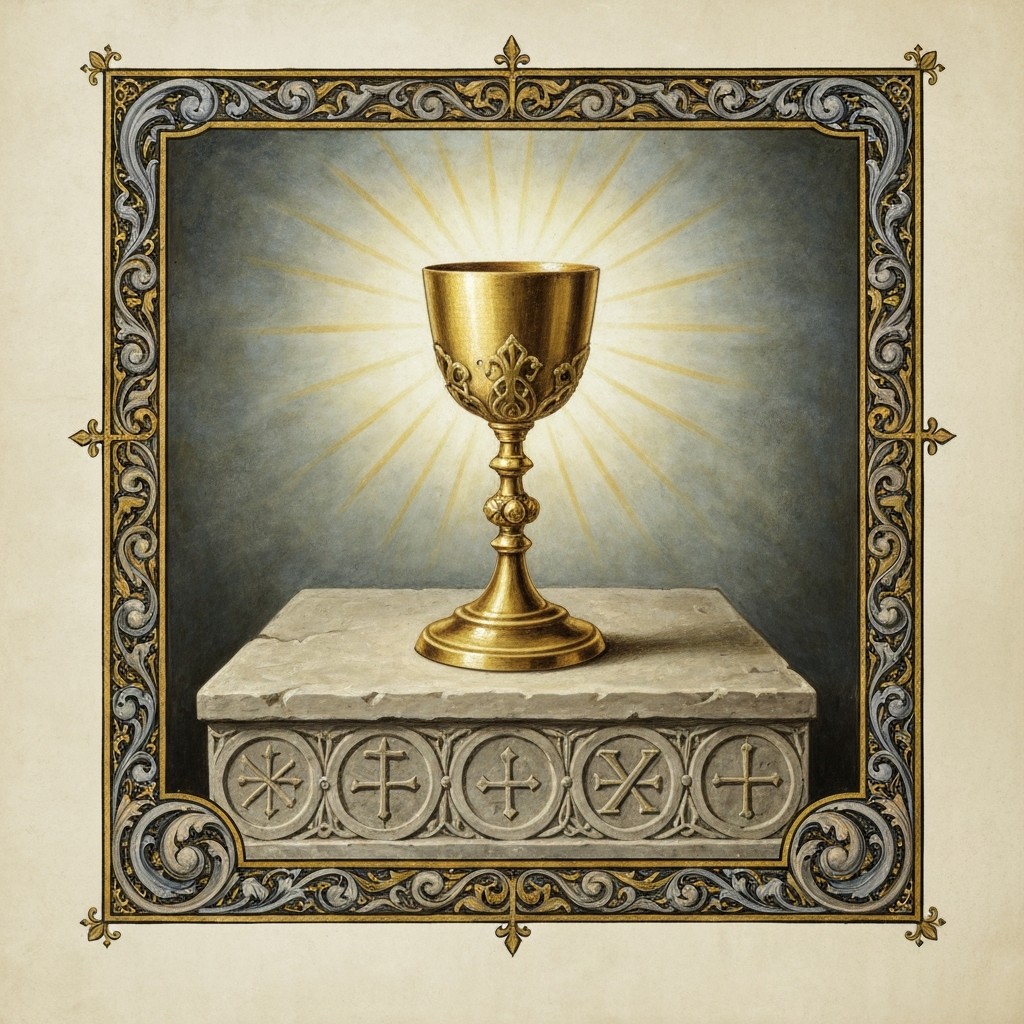
Combat Profile
Divine Revelation
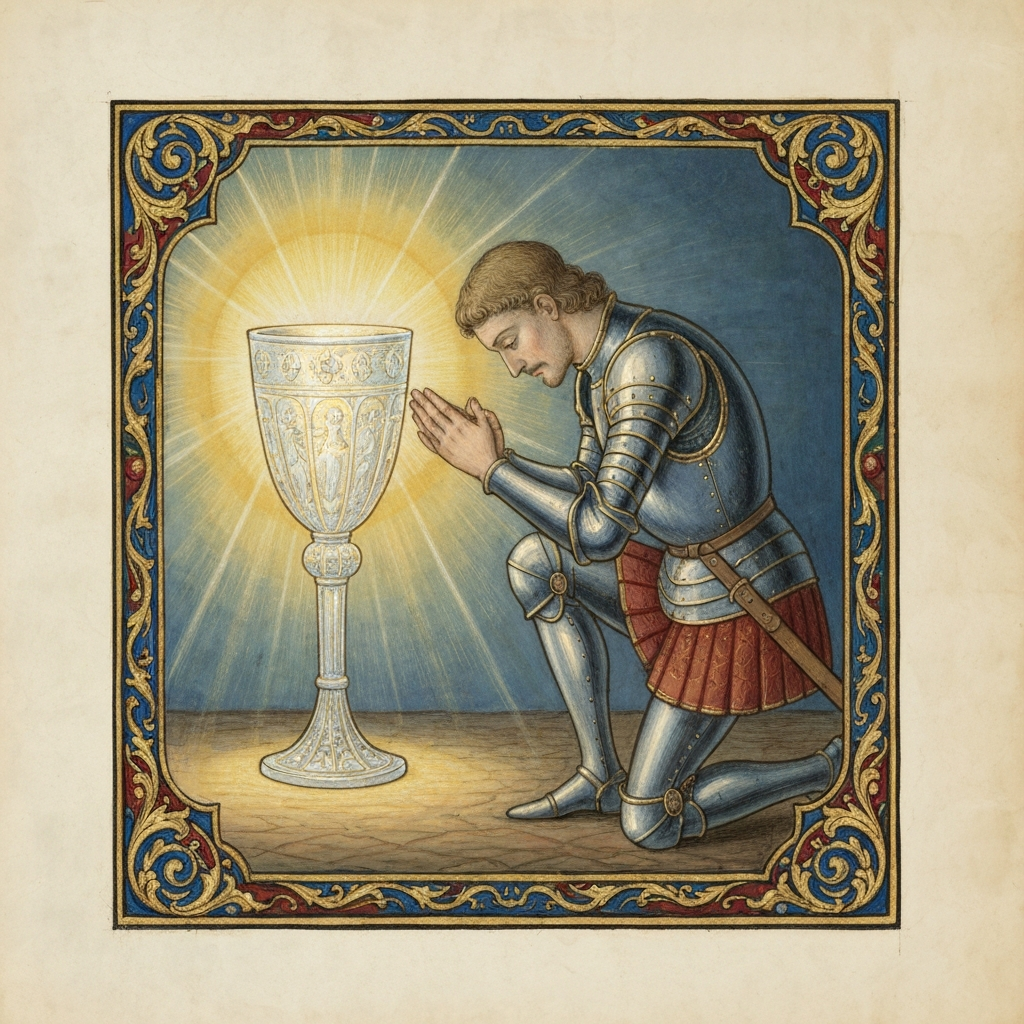
The Grail unveils hidden truths and spiritual perfection to those pure of heart, transcending mortal comprehension.
Eternal Sustenance
The Grail's mere presence grants spiritual nourishment and sanctifies all who approach it with genuine intent.
None. The Grail is perfect. The weakness belongs entirely to those who seek it
“Then there entered into the hall the Holy Grail covered with white samite, but there was none might see it nor who bare it. And there was all the hall fulfilled with good odours, and every knight had such meats and drinks as he best loved in this world.” — Malory, Le Morte d’Arthur
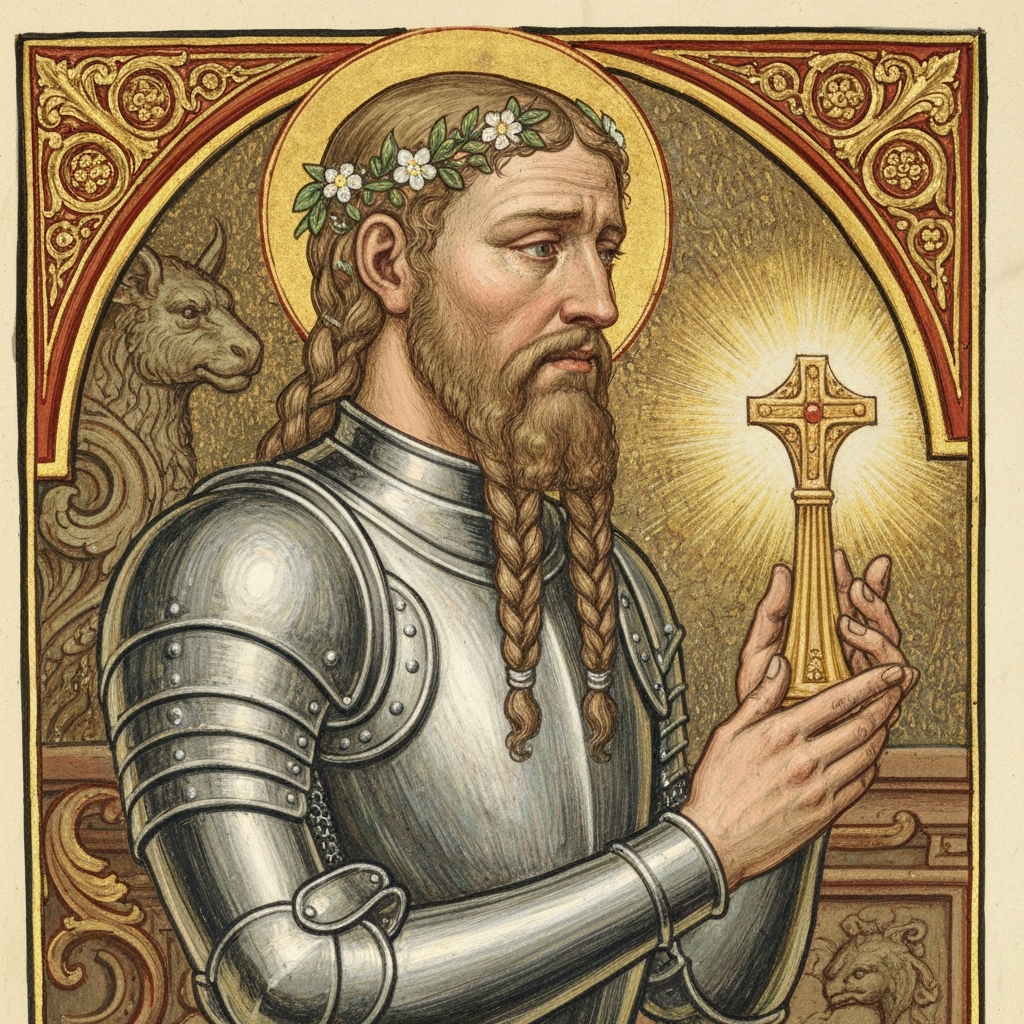
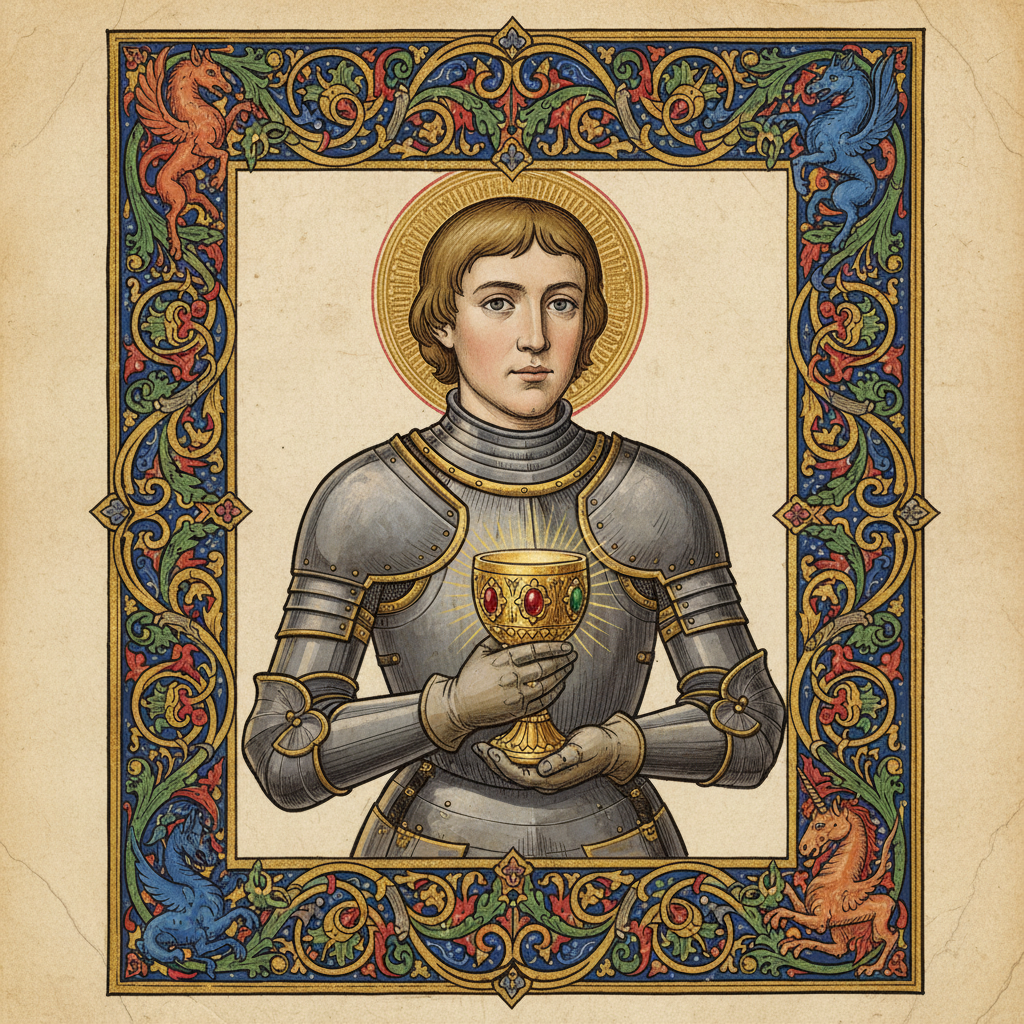
Lore: The Holy Grail is the central mystery of Arthurian legend and the most elaborate Christian symbol in medieval literature. Its identity shifts across the tradition: in Robert de Boron, it is the cup of the Last Supper, later used by Joseph of Arimathea to catch Christ’s blood at the crucifixion. In Wolfram von Eschenbach, it is a stone (lapis exillis) with miraculous properties. In Chretien de Troyes (the earliest Grail text), it is simply “a grail” (un graal), a serving dish, though it carries the Eucharistic host to the Fisher King’s father. In the Vulgate Cycle and Malory, it is explicitly the cup of Christ, the physical vessel of divine grace. What remains constant: it provides infinite sustenance, it can only be achieved by the pure of heart, and the quest for it costs everything. When the Grail appears at Camelot, every knight swears to find it. This is the beginning of the end — the quest scatters the fellowship, sends the knights into the wilderness, and most of them die. The greatest knight (Lancelot) fails. The best-known knights (Gawain) fail. Only the sinless (Galahad), the innocent (Percival), and the faithful (Bors) succeed. Then the Grail is taken to heaven, and it never returns.
Parallel: The Grail IS the Eucharist (Matthew 26:27-28 — “Drink from it, all of you. This is my blood of the covenant”). It is also the Ark of the Covenant (Exodus 25:10-22) — the physical object containing divine presence, dangerous to the unworthy (Uzzah dies for touching the Ark in 2 Samuel 6:6-7; unworthy knights die seeking the Grail). The quest for the Grail mirrors the spiritual life as understood by medieval Christianity: the search for God costs everything, most people fail, and even the attempt may destroy you — but the alternative is to never seek at all. The connection to the Templar treasure legends (Conspiracies: Templar Treasure / Holy Grail) reflects the persistent belief that the Grail was a real physical object, hidden or guarded by the Knights Templar after the Crusades.
2 min read
Sin (which prevents anyone from approaching it); the human condition itself
Chretien de Troyes, *Perceval* (~1190); Robert de Boron, *Joseph d'Arimathie* (~1200); Vulgate *Queste del Saint Graal*; Wolfram von Eschenbach, *Parzival*; Malory. See also [Conspiracies: Templar Treasure / Holy Grail](../Conspiracies.md#4-templar-treasure--holy-grail)