Combat Profile
Glory of the Seven Keshvars
Jamshid radiates divine sovereignty over all earthly realms, granting temporary invulnerability and amplifying allies' power by his majesty alone.
Fall of the Prideful
Each use of power increases Jamshid's vulnerability; his former divine favor wanes as his arrogance grows, reflecting his mythological descent from grace.
Pride; claim to be God; loss of divine favor
“I have ruled for 700 years and created all the good things of the world. I am myself a god. I need no other god.” — Jamshid, before his fall
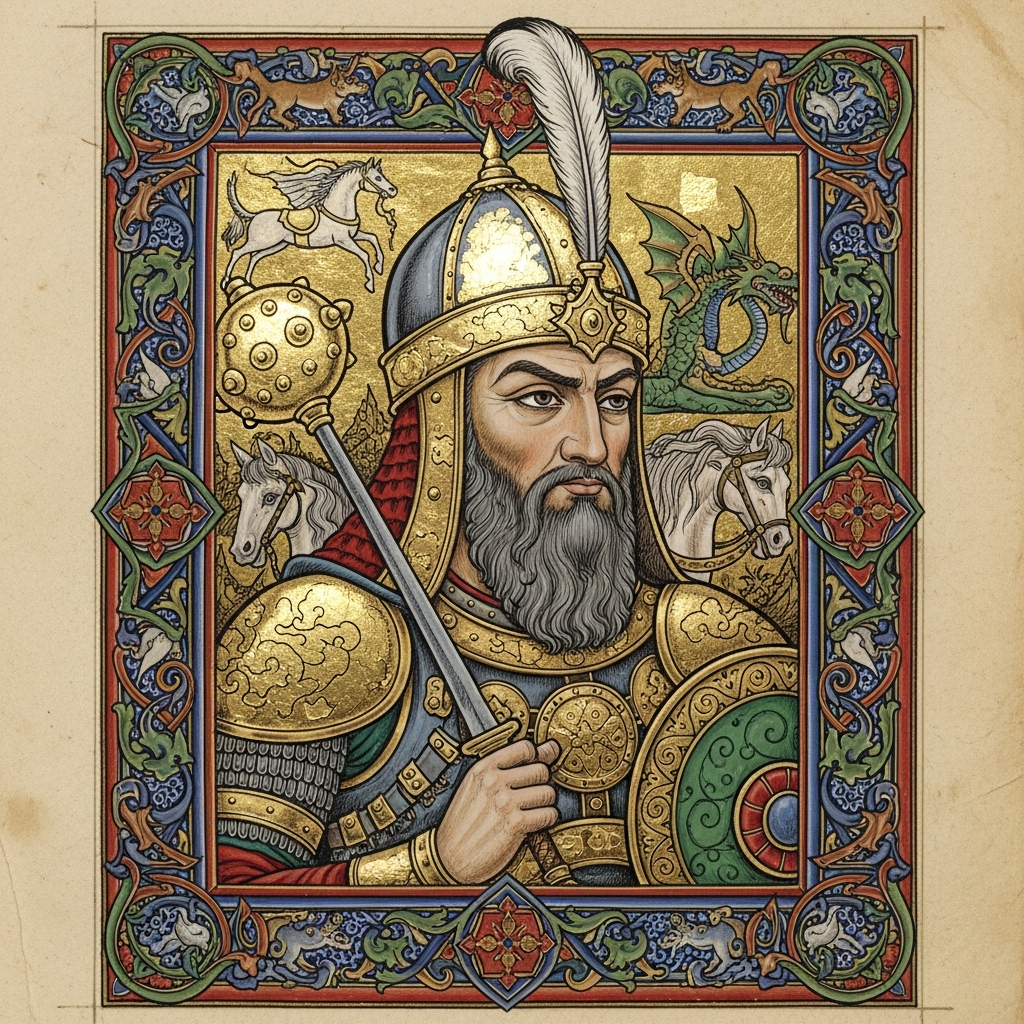
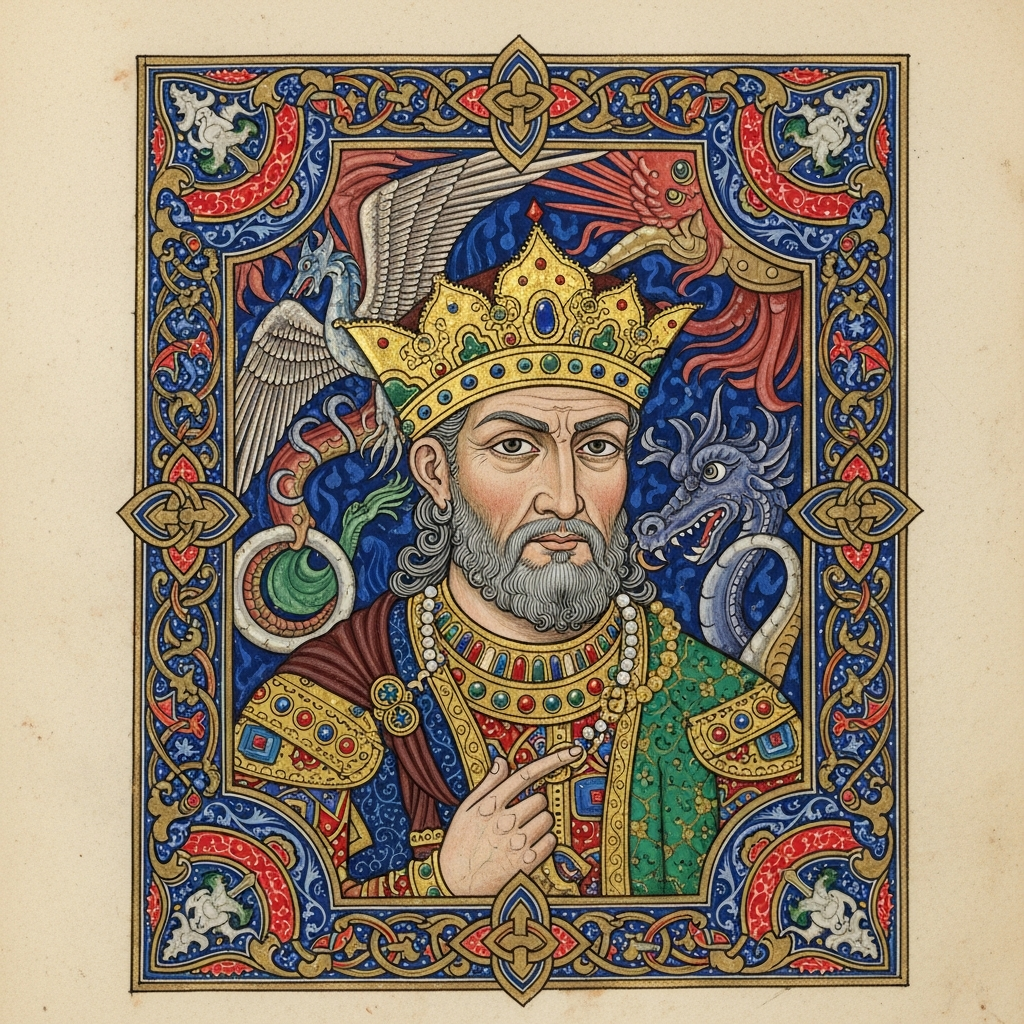
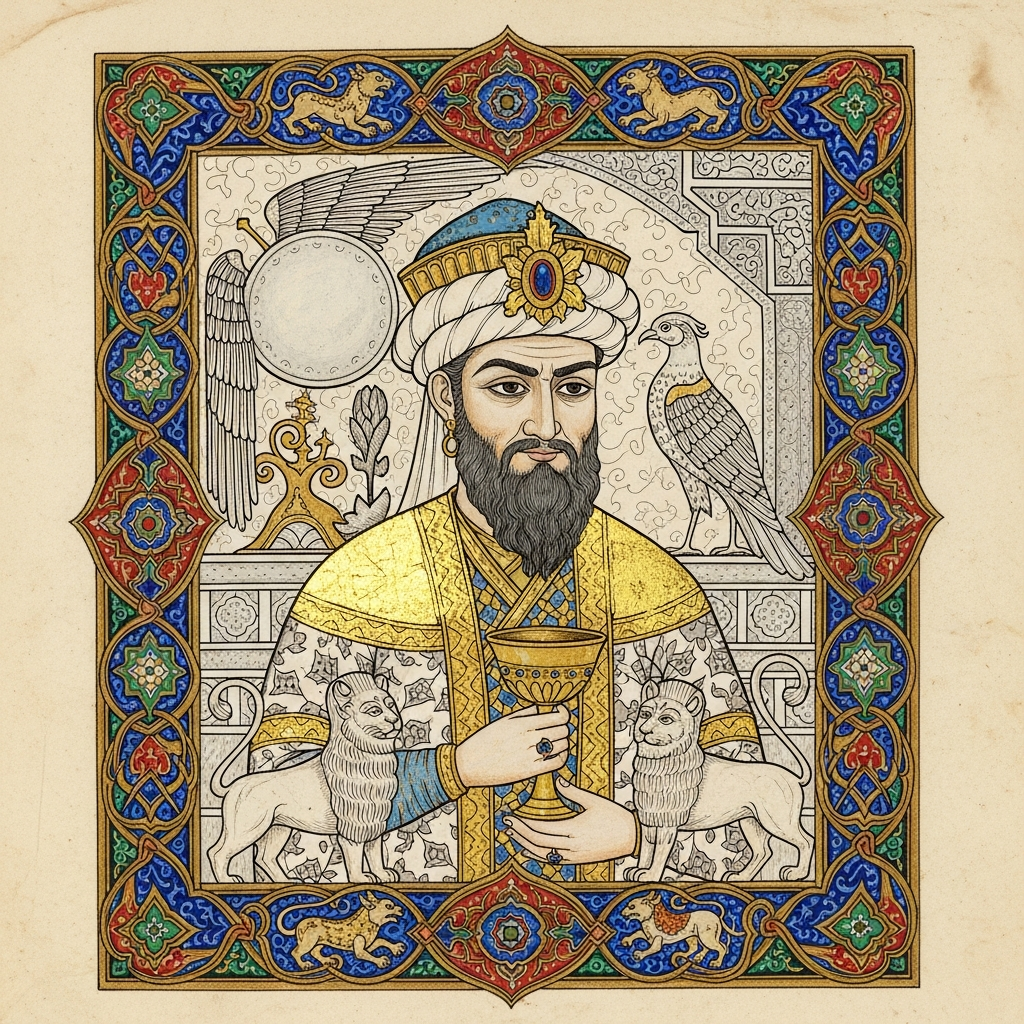
Jamshid is the greatest king of the ancient world, ruling wisely for 700 years (Shahnameh). Under his reign, the arts flourish: metalworking, weaving, medicine, astronomy all advance (Shahnameh). He is beloved by his people and sees himself as a benefactor of humanity. Yet pride — the same hubris that fells Prometheus, Oedipus, and Icarus — corrupts him. Jamshid declares himself a god, claiming that he alone created all the good things the people enjoy (Shahnameh). He abandons the worship of Ahura Mazda, the supreme deity of Zoroastrianism.
The moment Jamshid claims divinity, his fortune reverses. His divine favor is withdrawn (Shahnameh). Zahhak, the tyrant with serpents on his shoulders, defeats him, and Jamshid is eventually cut in half by a saw (in some versions, he flees and is hunted down and killed) (Shahnameh). His long reign and his wisdom count for nothing against the consequence of his pride.
Jamshid’s stats reflect his trajectory: initially, his SPR is 85, reflecting his spiritual authority and divine favor. But after his prideful declaration, his SPR drops to 20, indicating his complete loss of spiritual standing. His INT (90) remains high — he is still intelligent, still capable — but intelligence without wisdom, without humility, leads only to destruction.
The parallel to the Fall in Genesis is unmistakable: Jamshid’s claim to be God echoes the Serpent’s temptation to “become like God, knowing good and evil” (Genesis 3:5). His fall is the fall of pride that comes before destruction.
Biblical Parallel: Adam (claiming divine knowledge); Lucifer/Satan (the angel who declared himself equal to God and was cast down); Nebuchadnezzar (the king who declared himself a god and was driven mad); Herod (who accepted being called a god and was immediately struck by an angel).
Cross-Tradition Connections: Ozymandias (the king whose power crumbles); Icarus (flying too close to the sun); every tragic king who believed himself untouchable.
2 min read
Zahhak (who eventually defeats him); the gods themselves
Ferdowsi, *Shahnameh*; Zoroastrian texts