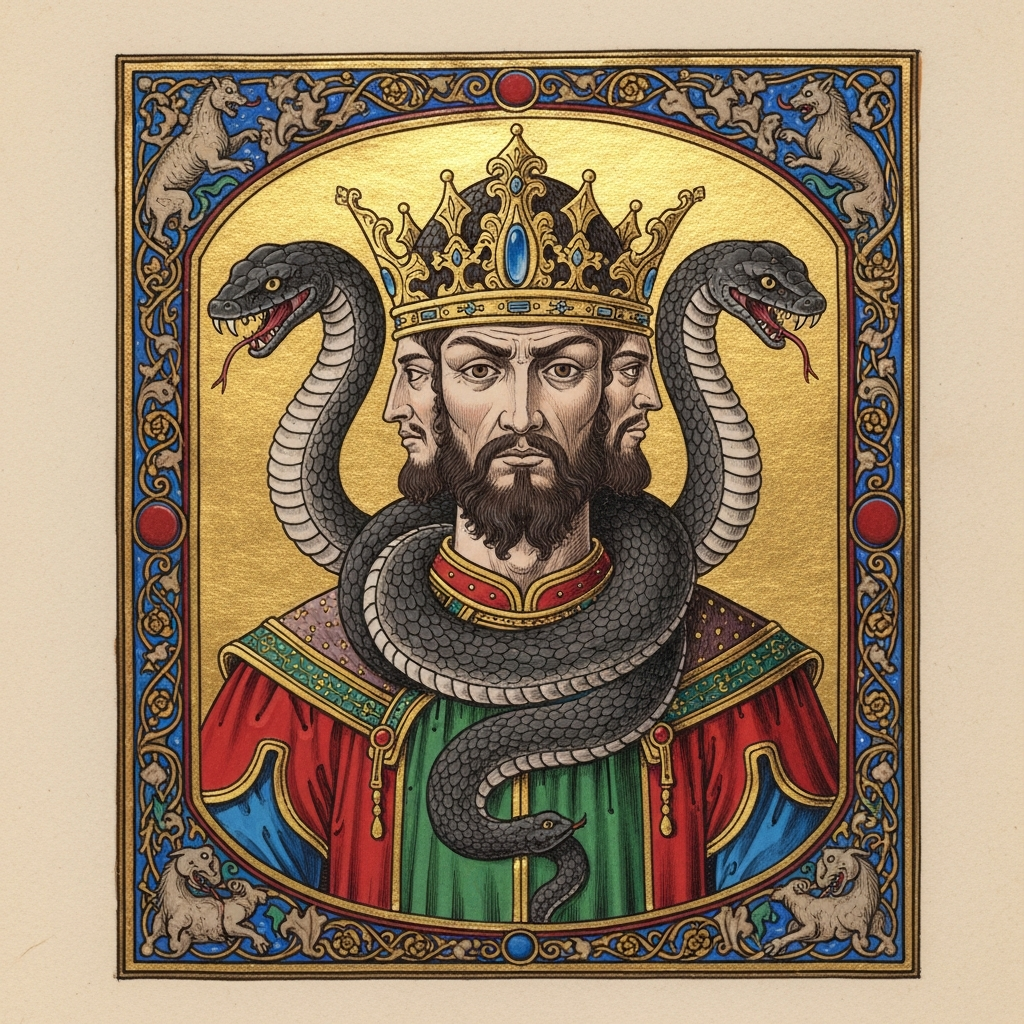
Combat Profile
Devouring Serpents
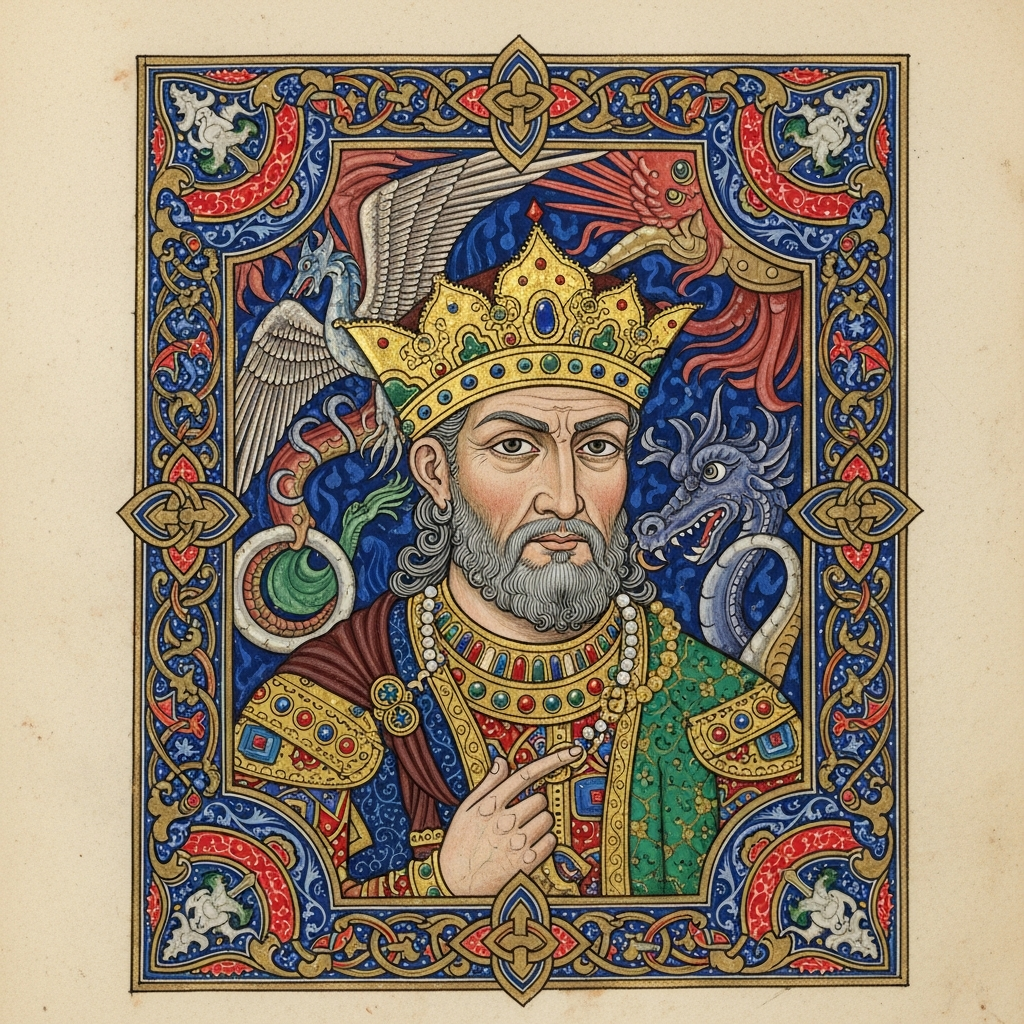
Zahhak's two serpentine heads strike with insatiable hunger, draining the life force of all they consume and spreading plague throughout the land.
Tyrannical Corruption
Zahhak's very presence warps reality around him, causing crops to wither, animals to sicken, and mortal kingdoms to crumble under his despotic rule.
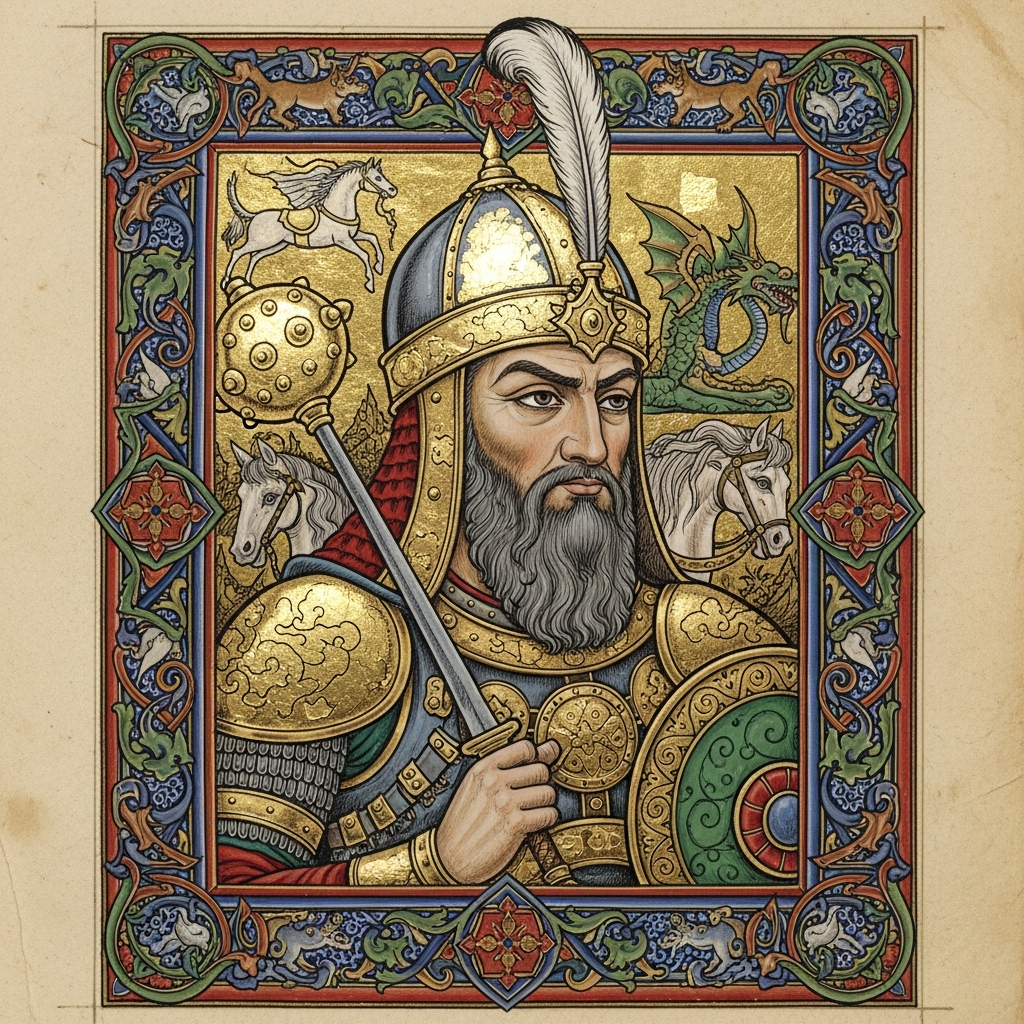
Spiritual corruption (low SPR indicates moral degradation); the iron mace of Fereydun; the spear of Kaveh
“Two serpents grew from my shoulders, and they demanded human brains to eat. I fed them, and fed them again, until the screams of the dying became the music of my reign.” — Zahhak
Zahhak begins as a human king but falls under a curse (or demonic seduction, depending on the version) (Shahnameh) and is transformed into a tyrant. Two serpents grow from his shoulders, demanding human flesh — specifically the brains of men — for sustenance (Shahnameh). To keep the serpents fed and avoid their torment, Zahhak enslaves his kingdom and orders the daily sacrifice of two men, whose brains are offered to the serpents (Shahnameh). He rules for 1,000 years in the darkness of his own corruption, a reign of unbroken tyranny (Shahnameh).
What makes Zahhak distinct among tyrants is the physical manifestation of his corruption: the serpents are both his curse and his nature. They are the external embodiment of the predatory evil that has consumed his soul. His low SPR (15) reflects his complete spiritual degradation — he is no longer merely a wicked king but something demonic, a vessel for cruelty.
Zahhak’s defeat comes not from a great hero like Rostam but from Kaveh the Blacksmith, a common man whose courage sparks a popular revolt, and from Fereydun, who chains Zahhak inside Mount Damavand, where he remains imprisoned for all eternity (or until the end of the world, depending on the eschatological reading). The message is clear: tyranny, no matter how powerful or long-enduring, will eventually be overthrown.
Biblical Parallel: The Pharaoh of the Exodus (tyrant, hardened heart, enslaves people, eventually defeated); Satan in Revelation (dragon with multiple heads, demands worship and sacrifice); Moloch (devouring god fed human lives).
Cross-Tradition Connections: Kronos (devouring tyrant); Medusa (corruption made visible in the body); Tiamat (chaos-serpent); the dragons of Mesopotamian mythology (Tiamat, Azi Dahaka in Zoroastrianism — which is closely related to Zahhak).
1 min read
Kaveh the Blacksmith; Fereydun; collective human resistance
Ferdowsi, *Shahnameh*; Zoroastrian demonology