Hitchhiker's Guide to Religion
Roman

Dis Pater

Roman Roman Republican — his *Ludi Saeculares* are attested from 249 BCE; his identification as an ancestor of the Gauls (Caesar) extended his significance to Celtic Europe; his cult was suppressed with all underworld rites by Theodosius I in 391 CE Rome (the *mundus* and Tarentum as his urban cult sites); the Roman underworld as a concept; his name was used by Caesar to describe the Gaulish supreme deity, making him briefly pan-European in Roman religious interpretation
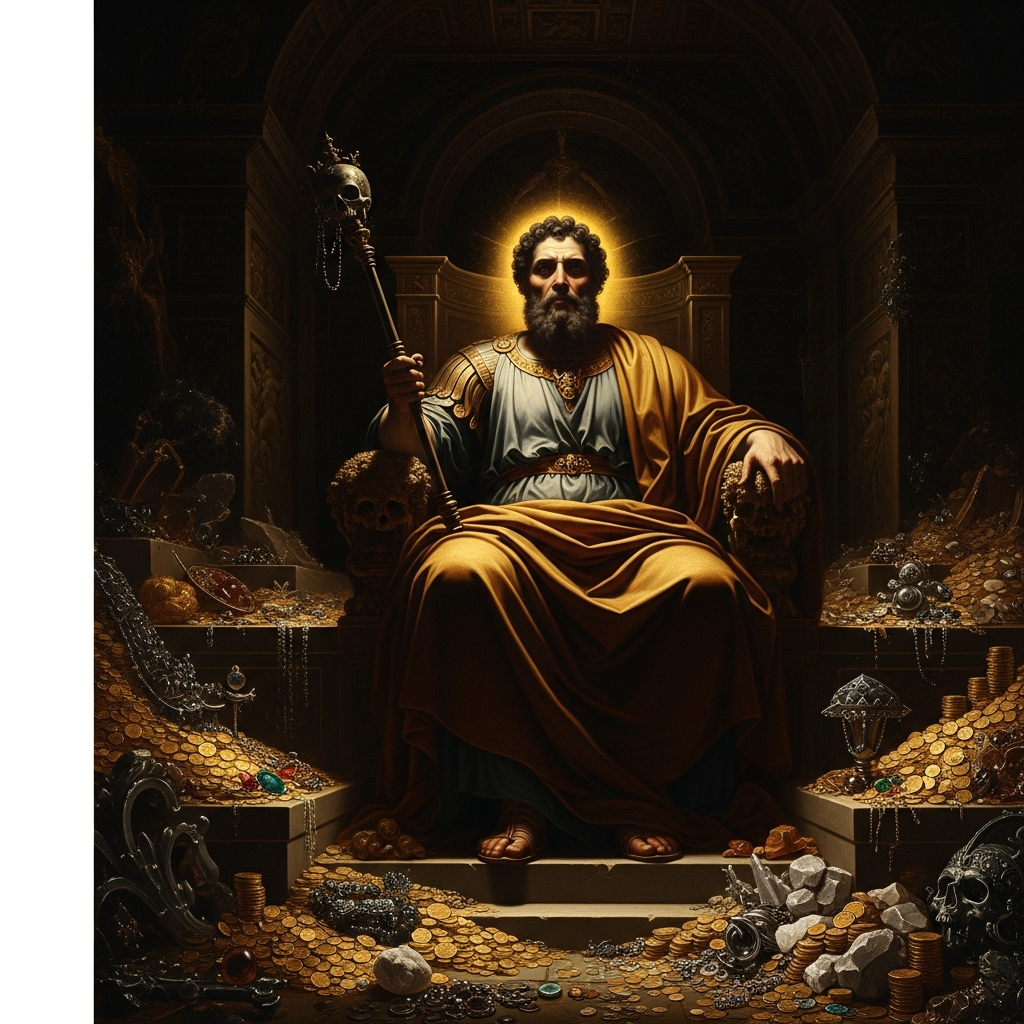
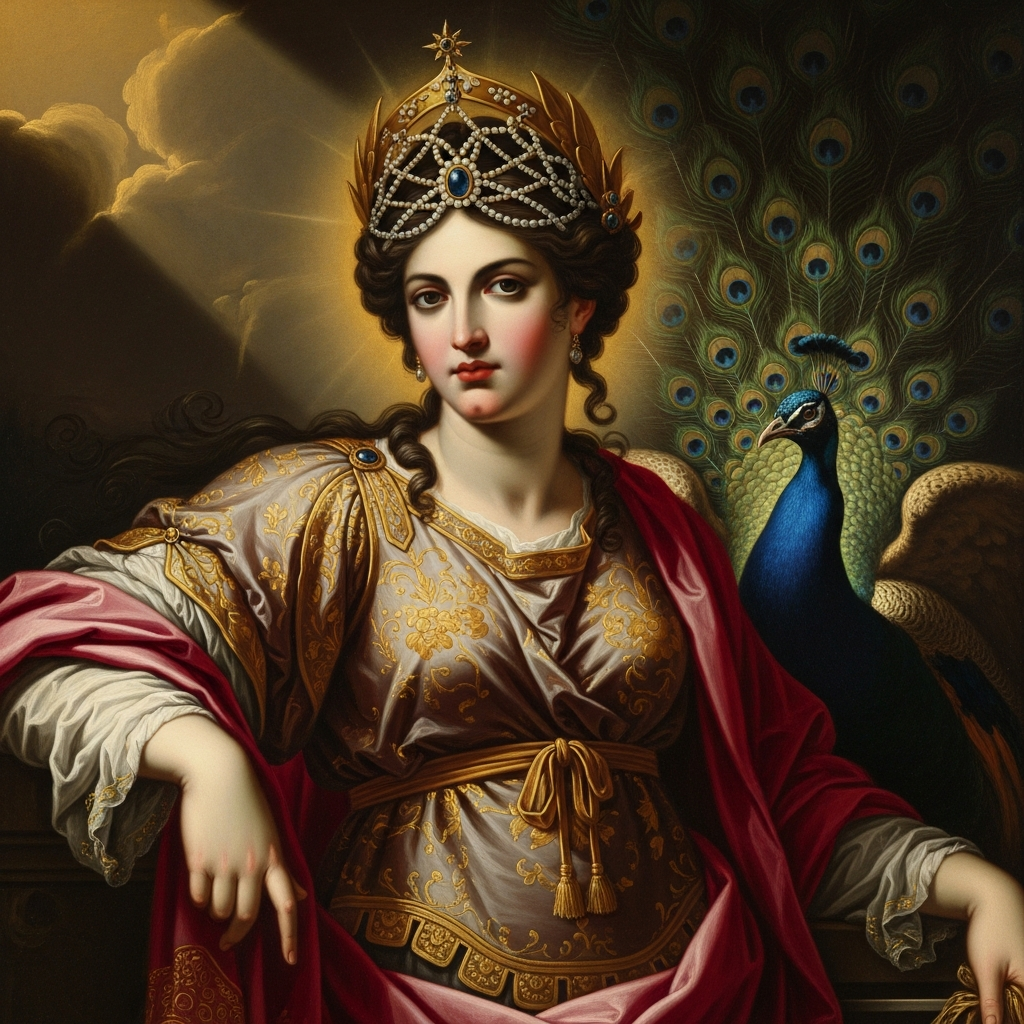
Portrait of Dis Pater
Combat
ATK 7
DEF 10
SPR 9
SPD 5
INT 9
Element Earth
Role Sovereign
Rarity Legendary
Threat Cosmic
LCK 8
ARC 9
Special Subterranean Wealth — Dis Pater grants access to the buried treasures of the earth — minerals, precious metals, fertile soil — to those who properly honor him with secular games and underground sacrifice
Passive Cycle of Plenty — While Dis Pater is properly honored, the cycles of decomposition-and-fertility, death-and-renewal, function as they should; agricultural failure and ecological collapse become more likely when his rites are neglected
Epithets "Dis Pater" (*dives* = rich + *pater* = father — "the Rich Father"), "Pluto" (the Latin use of the Greek epithet *Plouton*, "the Wealthy One"), "Summanus" (the pre-Hellenic underworld deity he absorbed)
Sacred Animals Serpent (the earthbound, chthonic creature that goes underground and returns — symbol of underworld fertility); Black Ram (the appropriate sacrifice for underworld deities — black animals for the dead)
Sacred Objects His helm of invisibility (shared imagery with Greek Hades); the underground mineral wealth (gold, silver, precious stones) of which he is the source and owner
Sacred Colors Black, Deep Gold (underground mineral wealth), Dark Earth-Brown
Sacred Number 100 (the *saeculum* — the hundred-year cycle that his great games the *Ludi Saeculares* mark)
Consort(s) Proserpina (*Proserpina* — Latinized Persephone, abducted to the underworld; her six months underground with Dis Pater and six months above explain the seasons)
Sacred Sites The *mundus* (the ritual pit in the Forum Boarium, opened three times yearly to allow communication with the underworld); the Tarentum (the underground altar in the Campus Martius where *Ludi Saeculares* sacrifices were made to Dis Pater and Proserpina)
Festivals *Ludi Saeculares* (Secular Games — celebrated every 100 or 110 years to mark the end of one saeculum; sacrifices to Dis Pater and Proserpina made at night at the Tarentum); *Parentalia* (February 13-21) — the festival of the dead, when families honored their deceased ancestors at the tombs
Iconography Enthroned subterranean king in dark robes; holding a cornucopia overflowing with underground wealth; with Proserpina at his side; attended by the shades of the dead
Period Roman Republican — his *Ludi Saeculares* are attested from 249 BCE; his identification as an ancestor of the Gauls (Caesar) extended his significance to Celtic Europe; his cult was suppressed with all underworld rites by Theodosius I in 391 CE
Region Rome (the *mundus* and Tarentum as his urban cult sites); the Roman underworld as a concept; his name was used by Caesar to describe the Gaulish supreme deity, making him briefly pan-European in Roman religious interpretation

Dis Pater (“Father Dis,” from dives = “rich”) is the Roman lord of the underworld — but he is not a dark Hades-clone. The Romans associated him with the underground wealth — the buried minerals, the agricultural fertility derived from decomposed matter, the seed sown beneath the soil that rises as grain. His name means “the Rich Father,” and he was conceived as a giver as much as a taker: the deity who returns the dead to fertile earth and from whom all underground prosperity ultimately comes.

Dis Pater had a wife, Proserpina (Latinized Persephone), but his cult was distinctly Roman: he was specifically associated with the Ludi Tarentini and later the Ludi Saeculares — the great century-games celebrated every hundred or hundred-ten years to mark the end of one saeculum and the beginning of the next, with sacrifices to Dis Pater and Proserpina alongside the upper-world gods. The implication was profound: the cosmic renewal of each new century required the participation of the underworld and the dead as much as of the living.

In the imperial period Dis Pater was sometimes identified with the Gaulish supreme god (Caesar, De Bello Gallico 6.18, says the Gauls claimed descent from “Dis Pater,” meaning their own underworld ancestor-god), and through this identification became a figure of European late-antique religion broadly conceived.

Biblical Parallels: Dis Pater parallels the biblical conception of Sheol not as punishment but as the place where all the dead go — the neutral, gathering underworld of Genesis 25:8 (“Abraham was gathered to his people”). The “rich father” aspect is biblically unusual, but Christ’s parable of the buried treasure (Matthew 13:44) and the agricultural metaphor of the seed dying to bear fruit (John 12:24) engage with the same theological logic: the underground is not death but transformation.

Cross-Tradition: Cousin to Greek Pluto/Plouton (“the Rich One” — same etymology as Dis), Pluto being a Greek epithet for Hades that emphasized the “wealth” aspect specifically because Greek religion also recognized the underground-as-source-of-fertility. Parallels Norse Hel as a source of underground knowledge and treasure, Hindu Kubera (god of underground wealth, attendant of Yama), and the African underground-god traditions.


2 min read
Combat Radar

ATK DEF SPR SPD INT
← Back to Roman