The Story
Roman religion is often dismissed as Greek mythology with the names changed — Zeus becomes Jupiter, Aphrodite becomes Venus, Hermes becomes Mercury — but this caricature collapses on close inspection. The Romans had their own old religion, distinct in ethos, practice, and theology from the Greek model, and they retained its core long after they’d stitched on the Hellenic family-romance vocabulary. The Italic substrate — the religion the Romans inherited from their Latin, Sabine, Etruscan, and Umbrian neighbors before Greek contact — was conservative, contractual, ritualistic, and obsessed with boundaries: the boundaries of the field, the household, the city walls, the calendar, the contract with the gods.
Where Greek religion produced theology — Hesiod, the Pre-Socratics, Plato — Roman religion produced law. The pontifices kept the calendar; the augurs read the birds before any public act; the haruspices examined the entrails of sacrificial animals; the flamines tended specific deities according to specific procedures from which they could not deviate without invalidating the rite. The relationship with the gods was do ut des, “I give that you may give” — a transactional contract that required scrupulous performance from both sides. The gods were not friends; they were powerful neighbors whose support could be purchased with the correct ritual and lost through the wrong one.
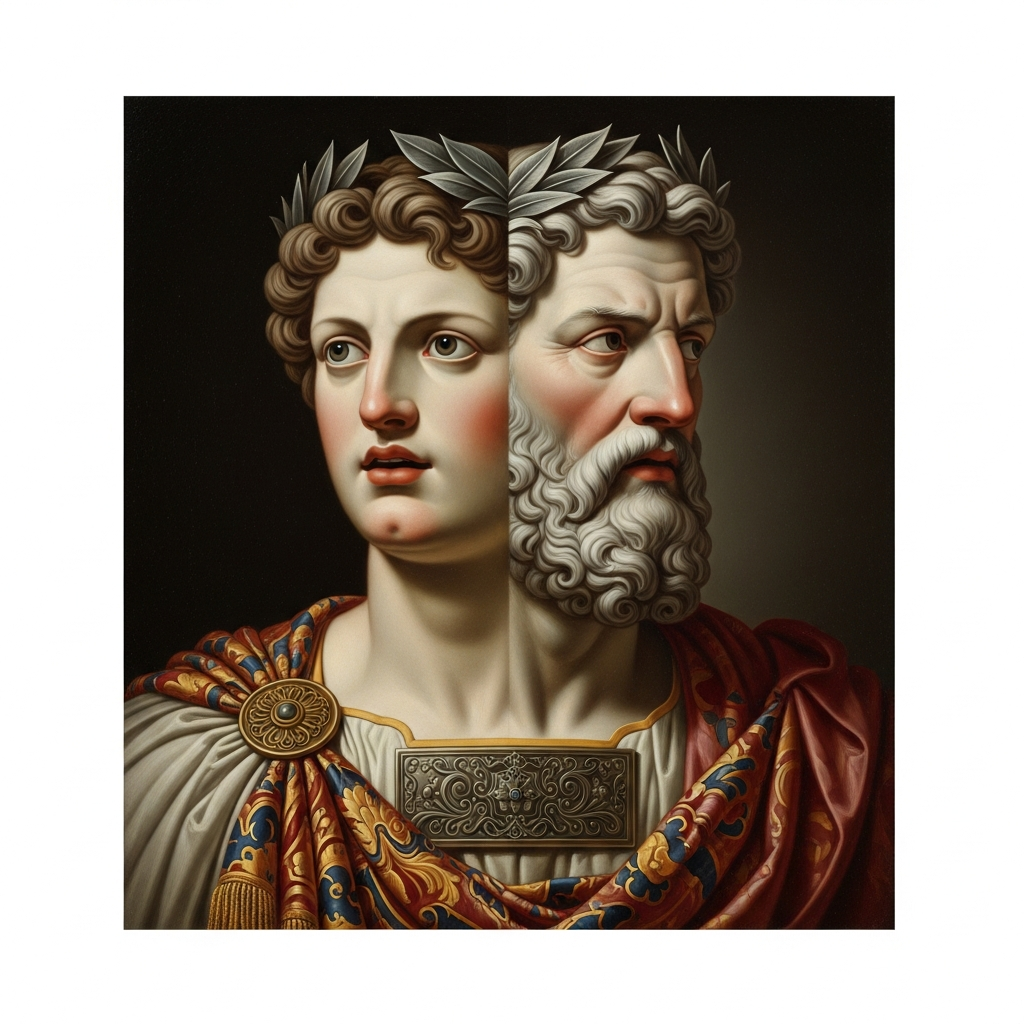
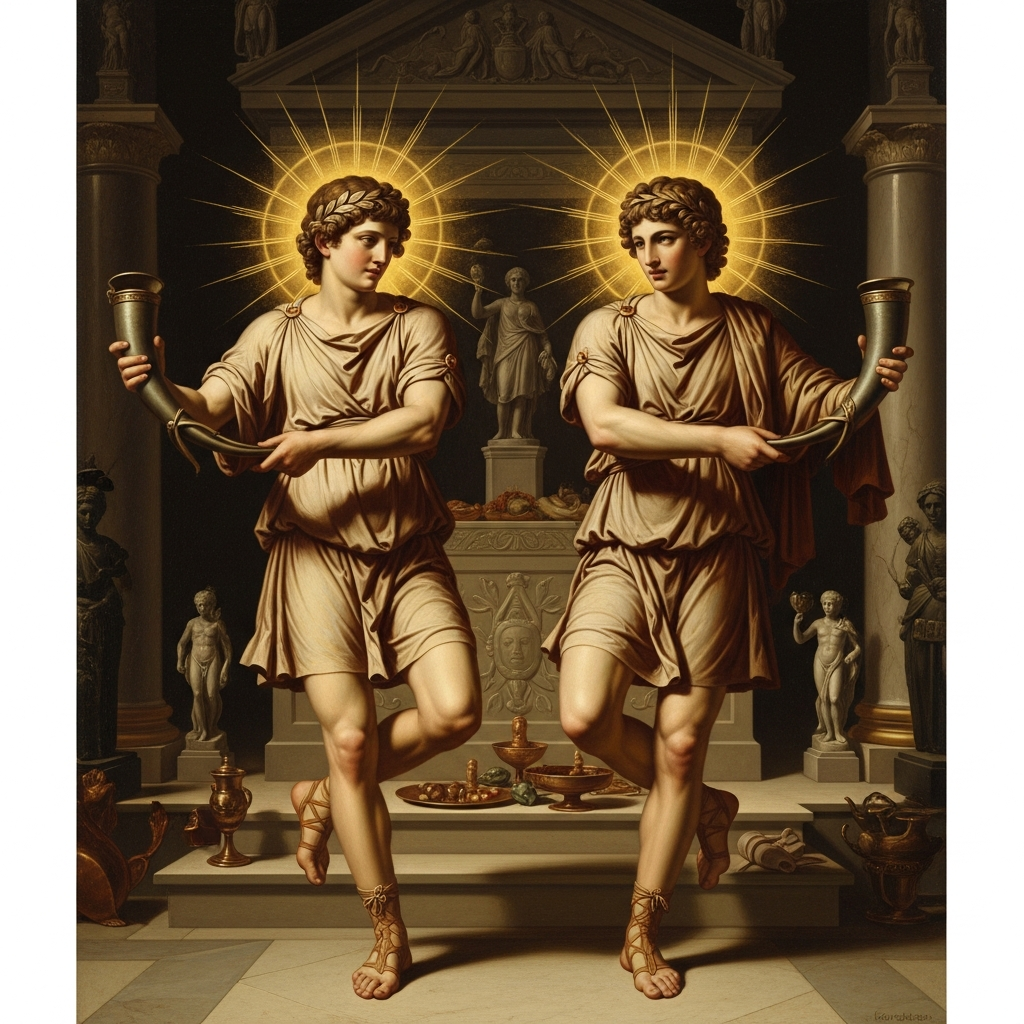
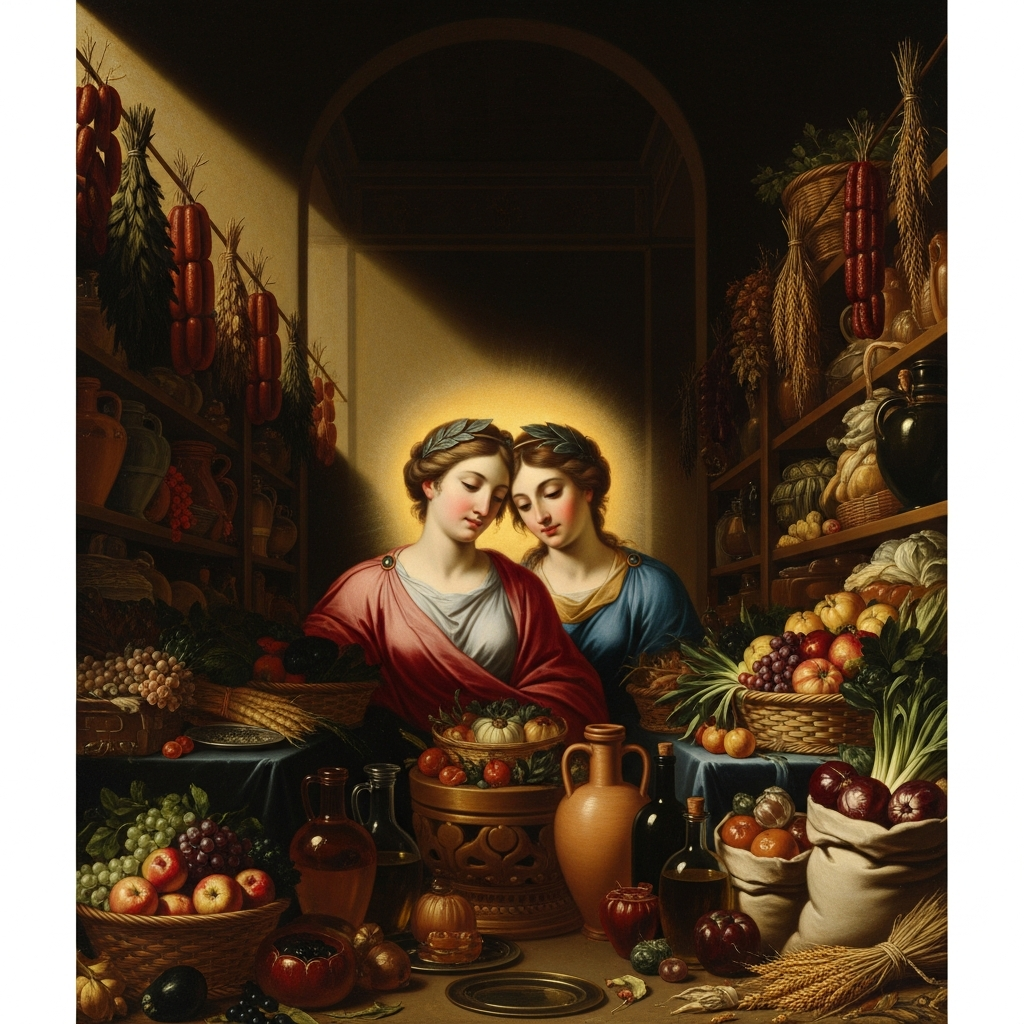
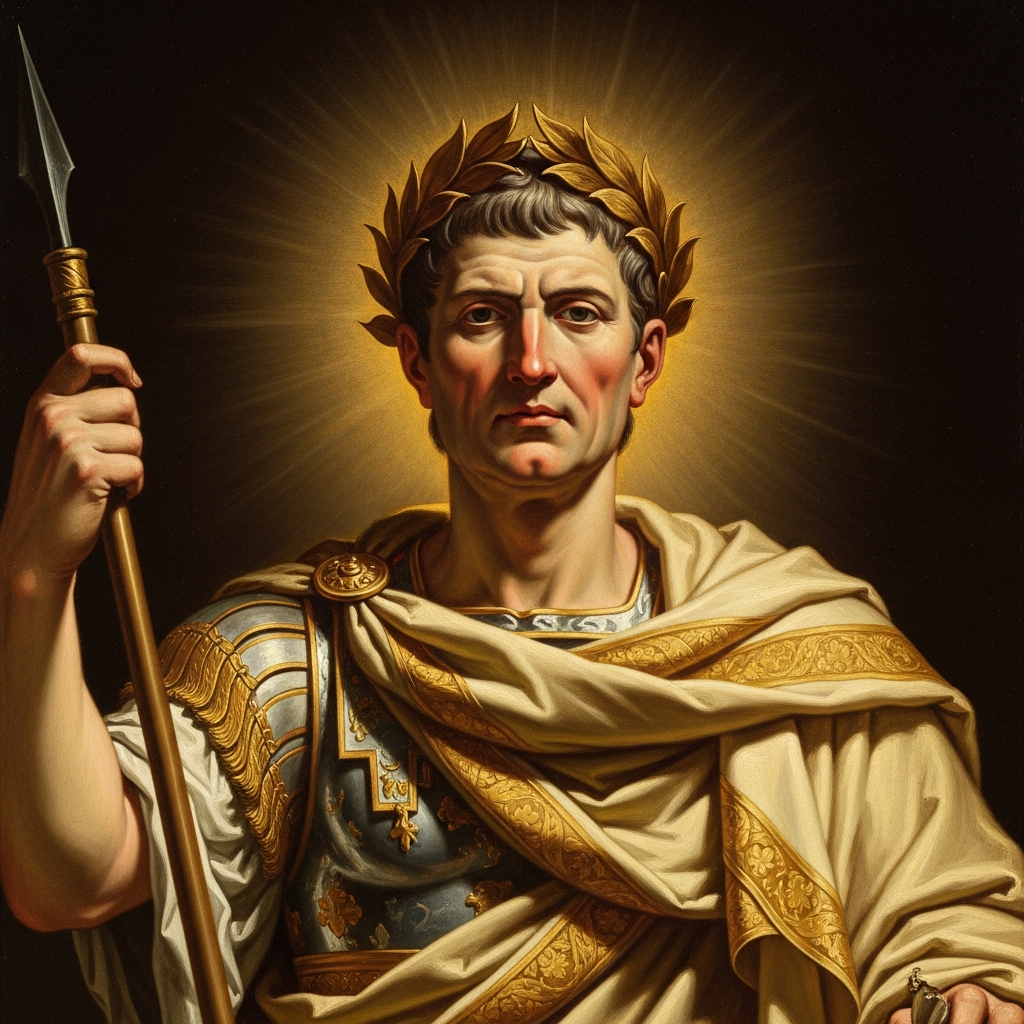
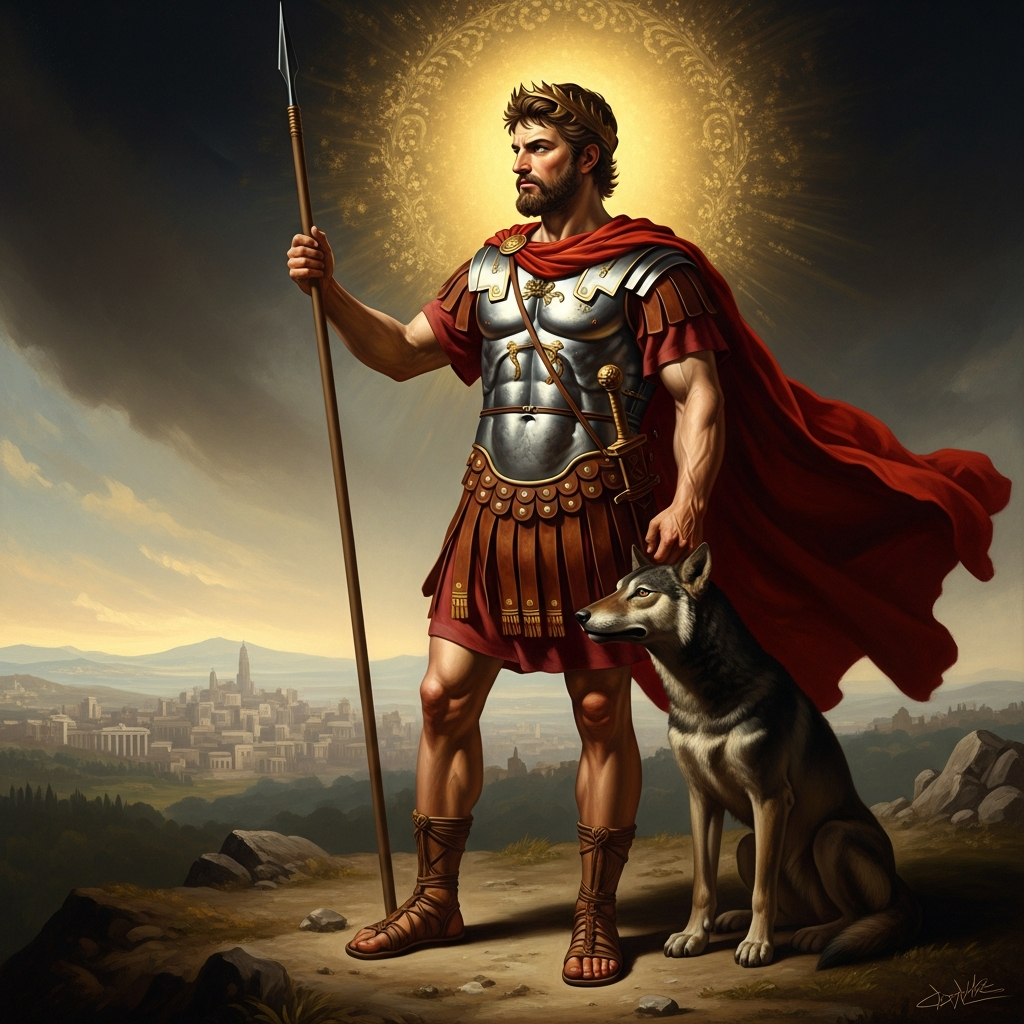
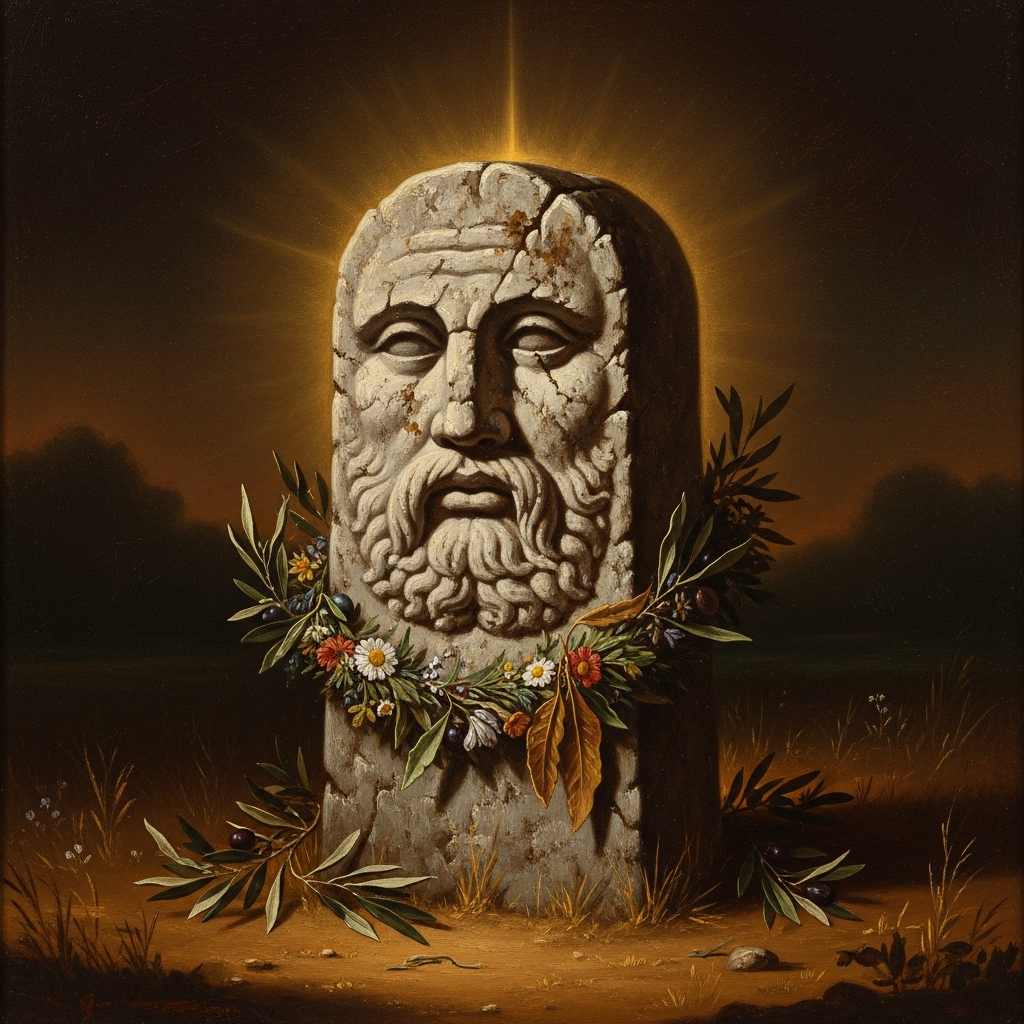
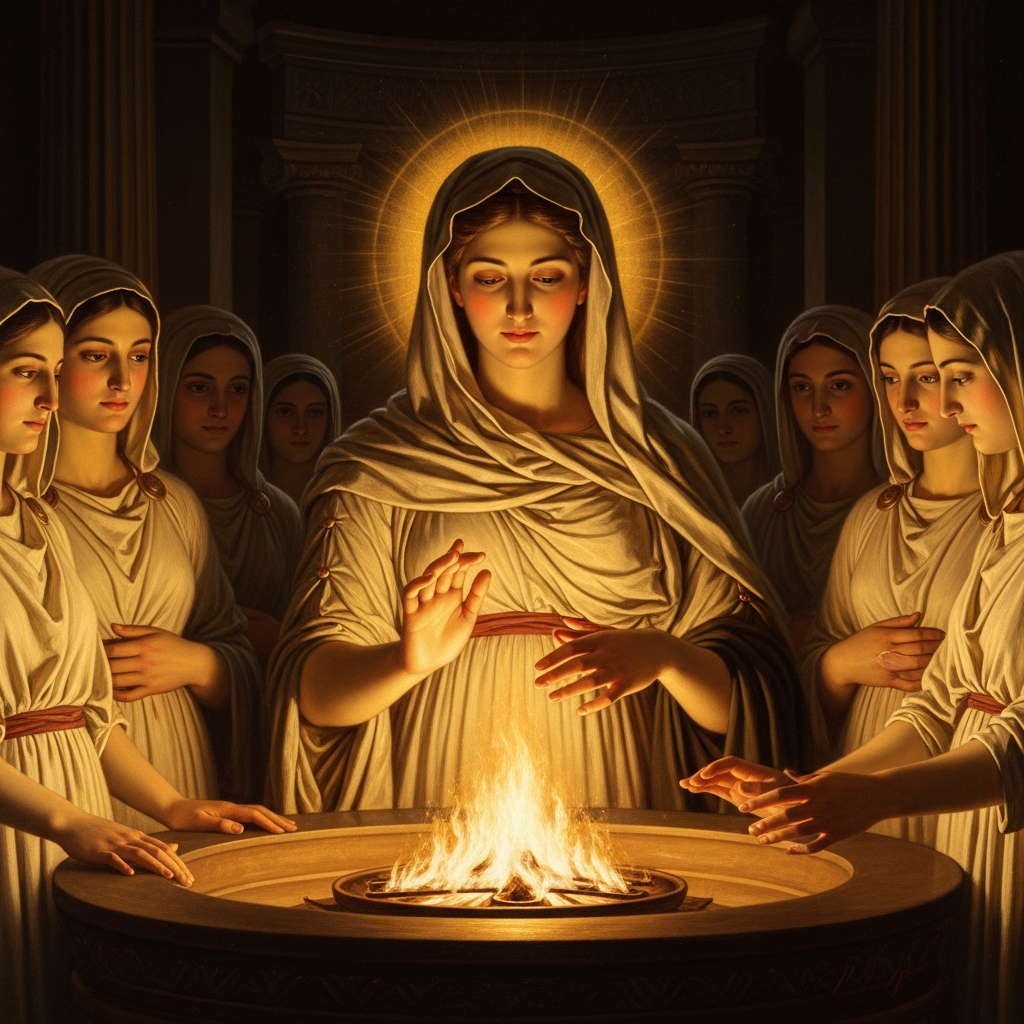
The Romans absorbed Greek religion piecemeal beginning in the third century BCE — first through southern Italian colonies (Magna Graecia), then through cultural diffusion, finally through the conscious literary syncretism of Vergil and Ovid in the Augustan age. The result was interpretatio Romana: every foreign god was assigned a Roman equivalent, and the equivalences became canonical. But the older Roman gods — Janus, Quirinus, Terminus, Vesta, the Lares and Penates — had no Greek originals because they had no Greek equivalents. They embodied specifically Roman concerns: the doorway, the boundary stone, the household hearth, the deified founder, the ancestral spirits that lived in the larder. When Augustus rebuilt Roman religion after the civil wars (29 BCE - 14 CE), he restored these older cults more carefully than the Hellenized ones, because they were the bones of Roman identity.
Christianity arrived in this world as one mystery cult among many — Mithraism, the Isis-cult, the Magna Mater, the Eleusinian Mysteries, Stoicism’s spiritualized civic religion all competed for the same Roman souls. By the early fourth century the contest was being won; Constantine’s legalization (313 CE) and Theodosius’s prohibition of pagan sacrifice (391 CE) ended the civic worship that had sustained Rome for a thousand years. But Roman religion’s structures — the basilica, the priestly hierarchy, the calendar of feasts, the legal vocabulary of covenant and obligation — became the bones of medieval Christianity, especially Roman Catholicism, which carries the DNA of the older religion in its name and its institutions.
Cosmology & Structure
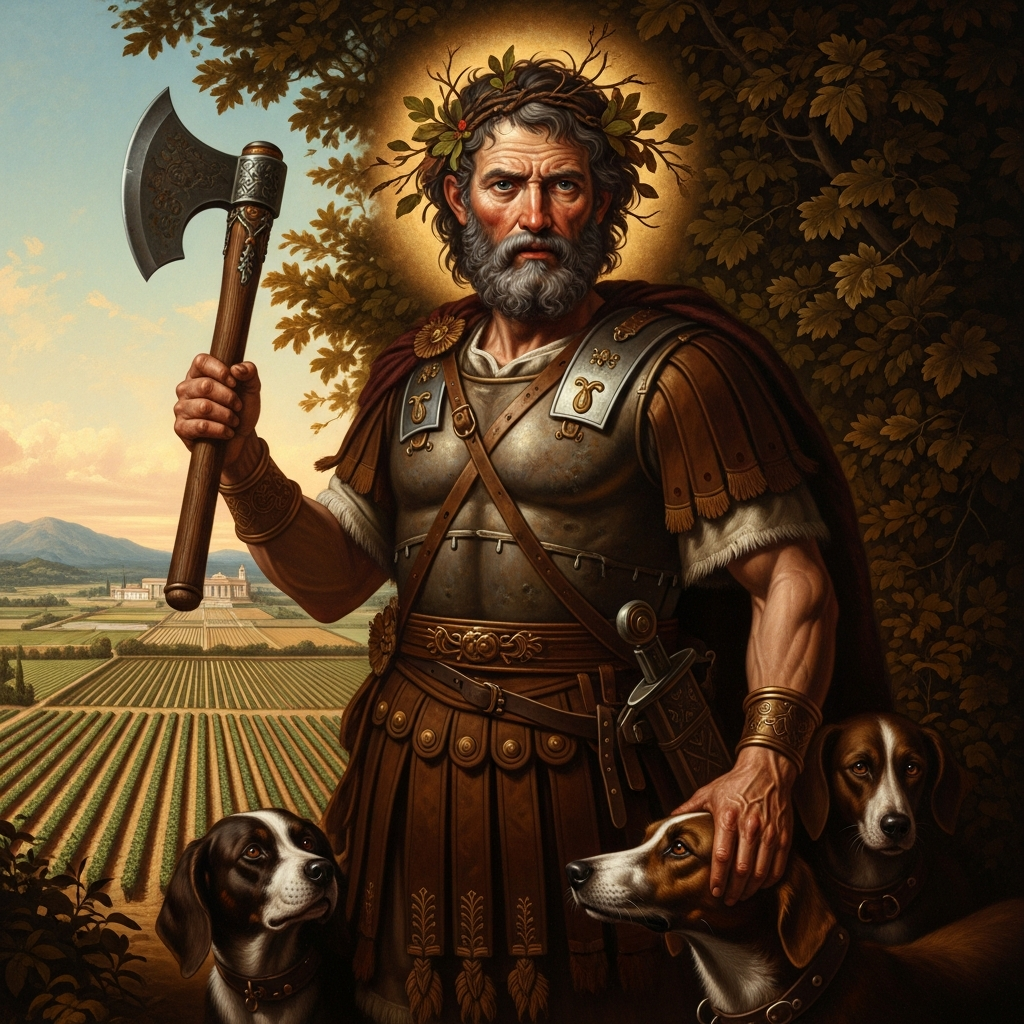
Roman religion was less interested in cosmology than in administration. The cosmos was not narrated into existence (no Hesiodic Theogony); it was simply assumed, populated by a vast number of numina — divine powers — each presiding over a specific domain, often very narrow. There were gods of the threshold (Forculus), the door-hinge (Cardea), the door-leaves (Limentinus), and the door itself (Janus, the most senior of these). There were gods of the moments of agricultural work — Vervactor for the first ploughing, Reparator for the second, Imporcitor for the furrowing, Insitor for the sowing, Obarator for the top-ploughing, Occator for the harrowing, Sarritor for the weeding, Subruncinator for the second weeding, Messor for the reaping, Convector for the carting, Conditor for the storing, Promitor for the distribution. Roman religion had a god for everything, and you needed to invoke each one by exactly the right name.
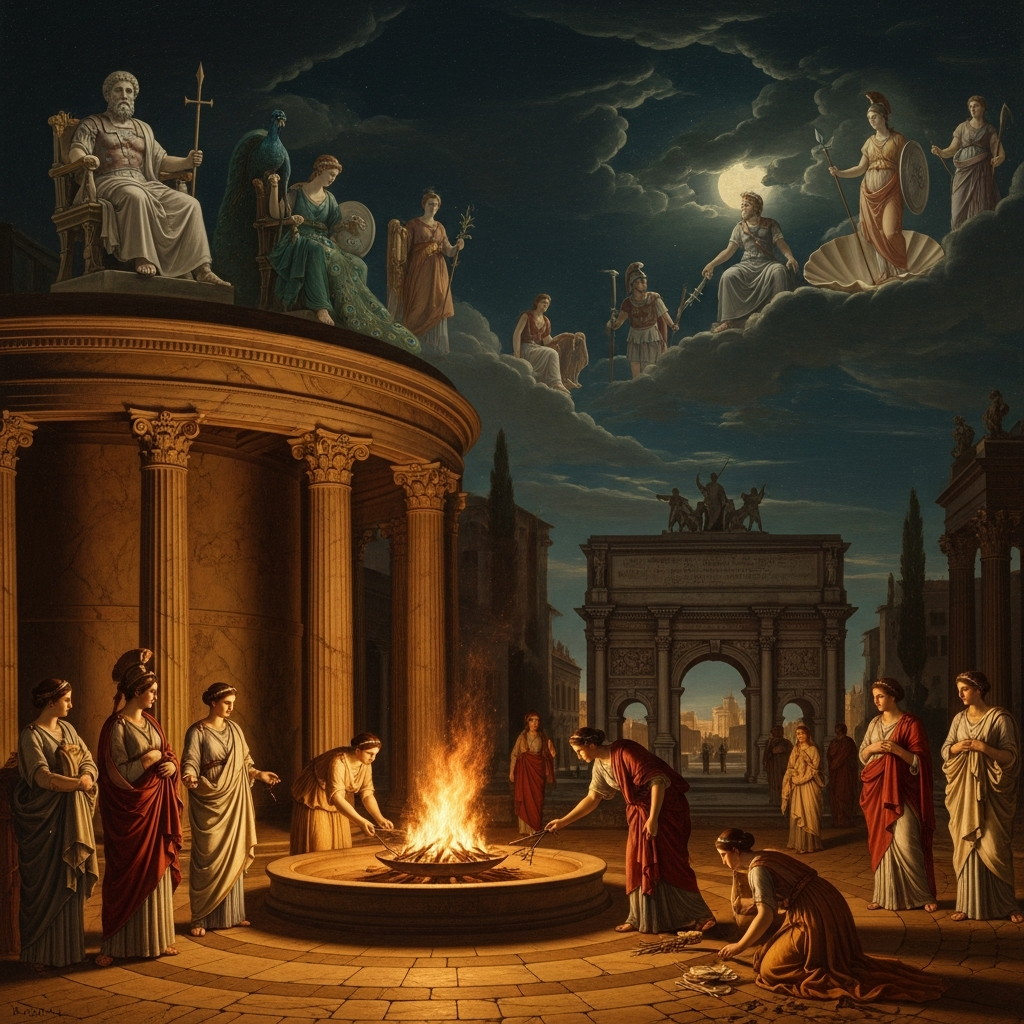
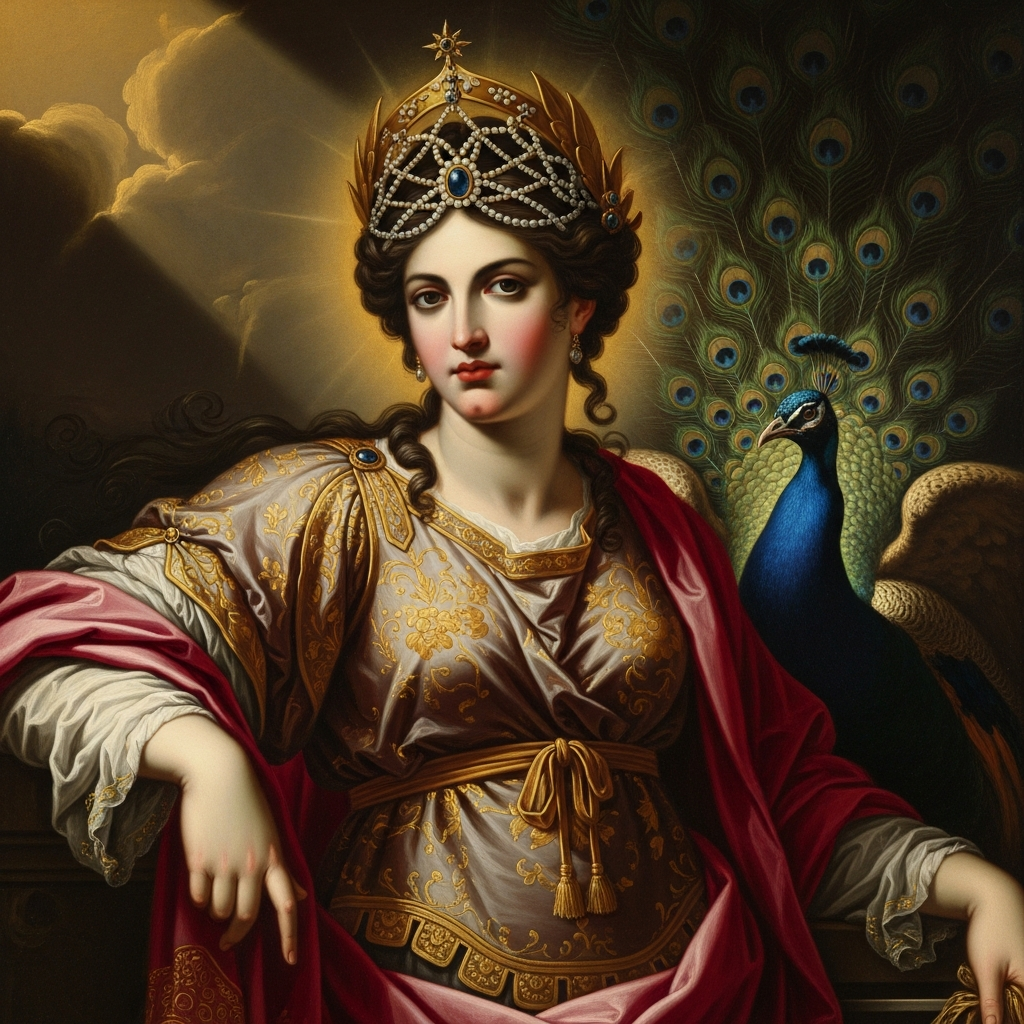
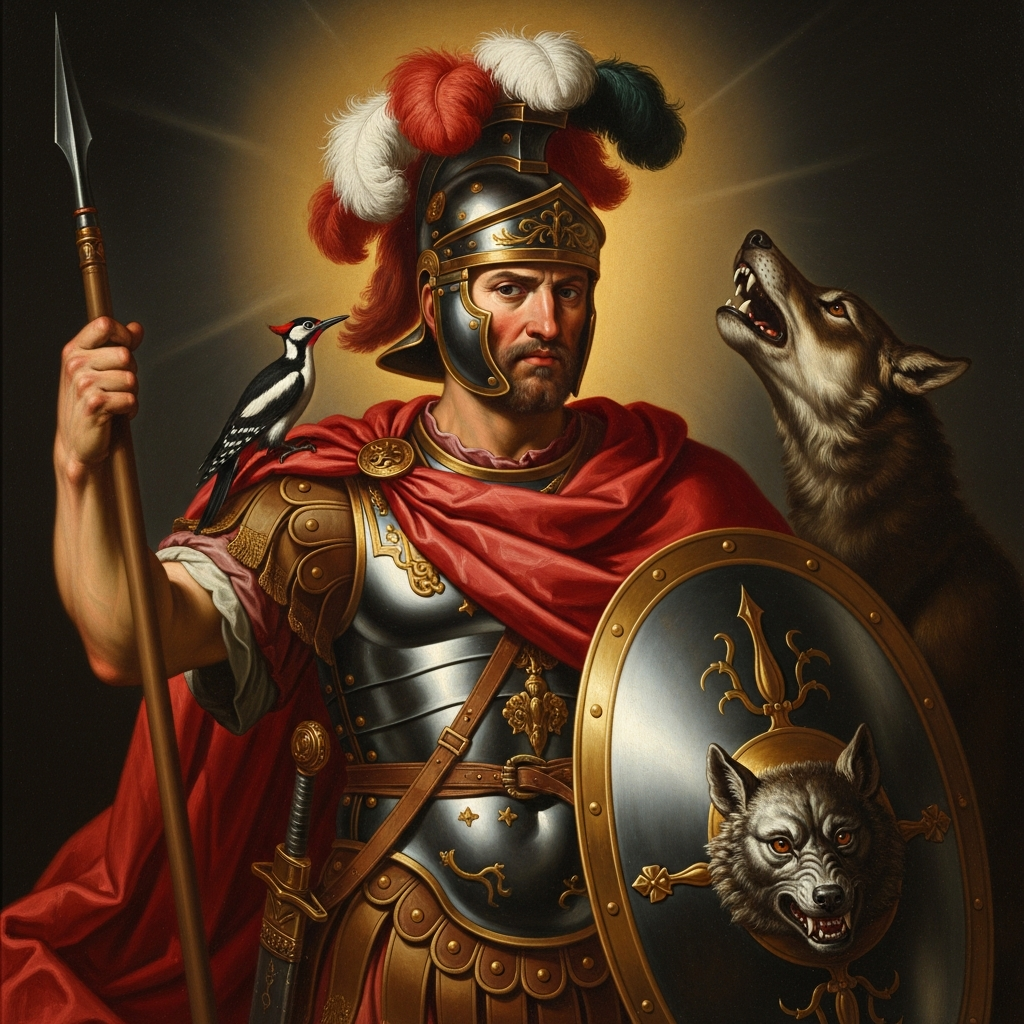
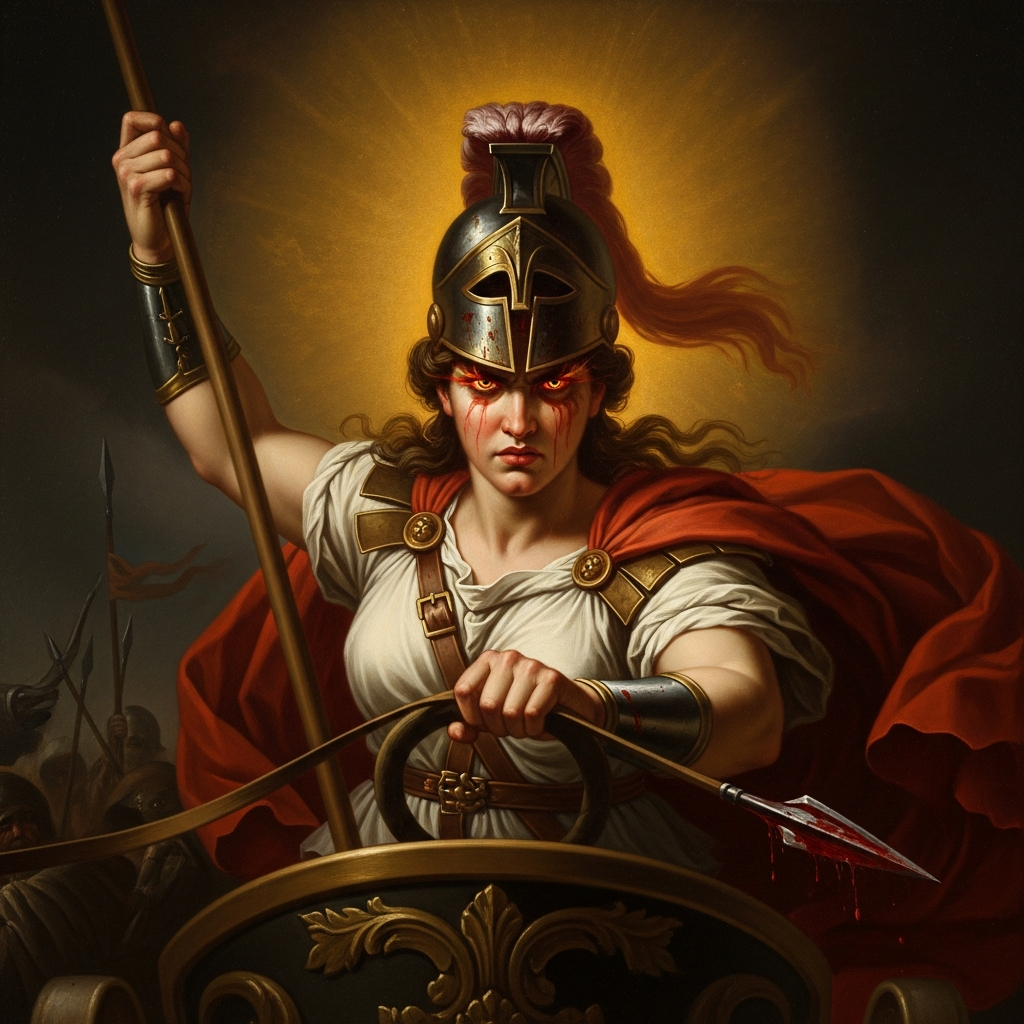
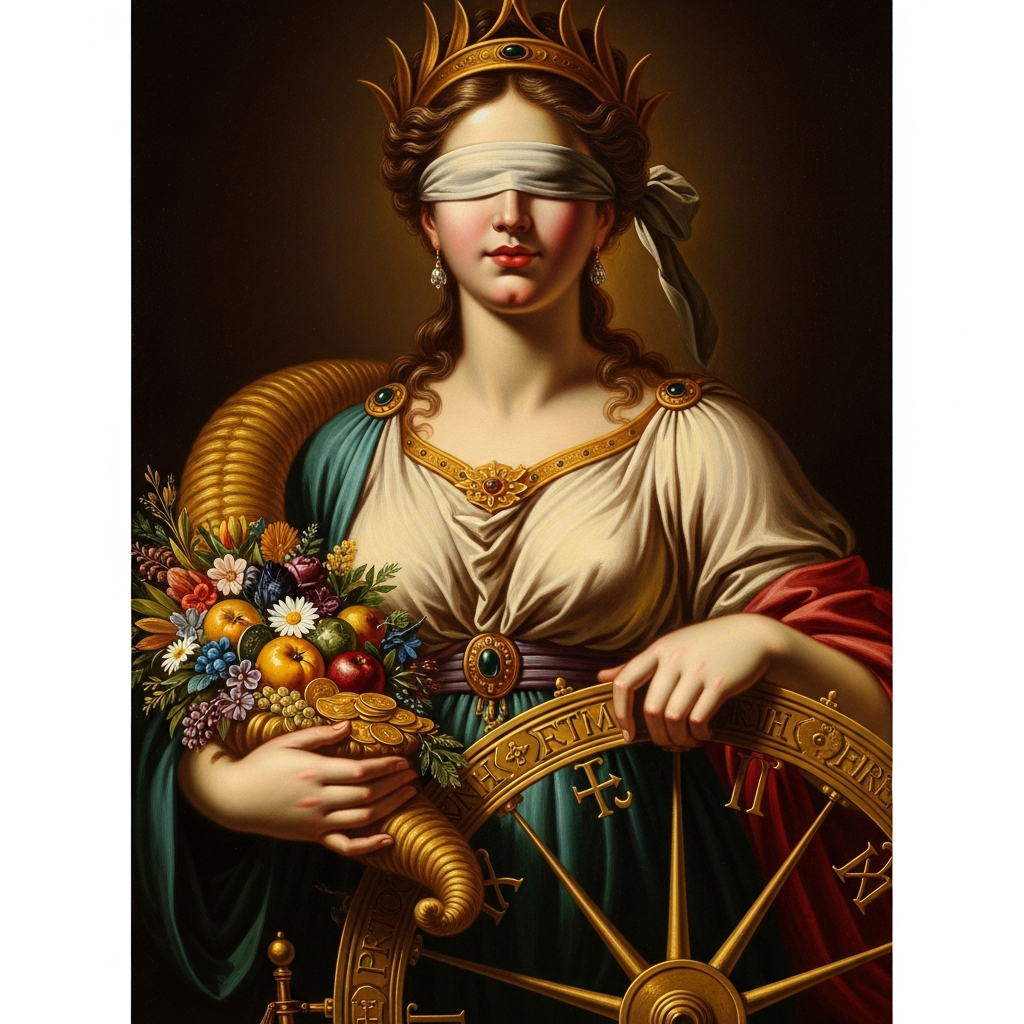
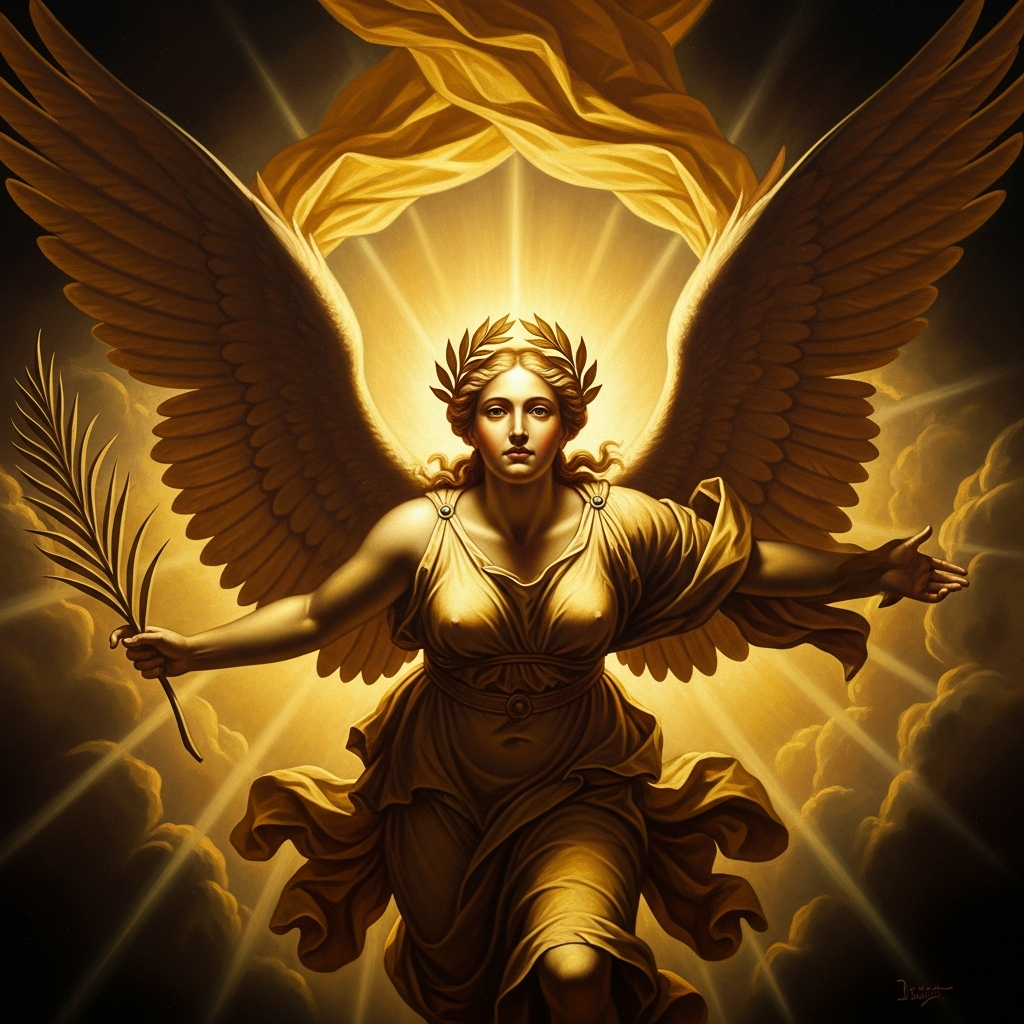
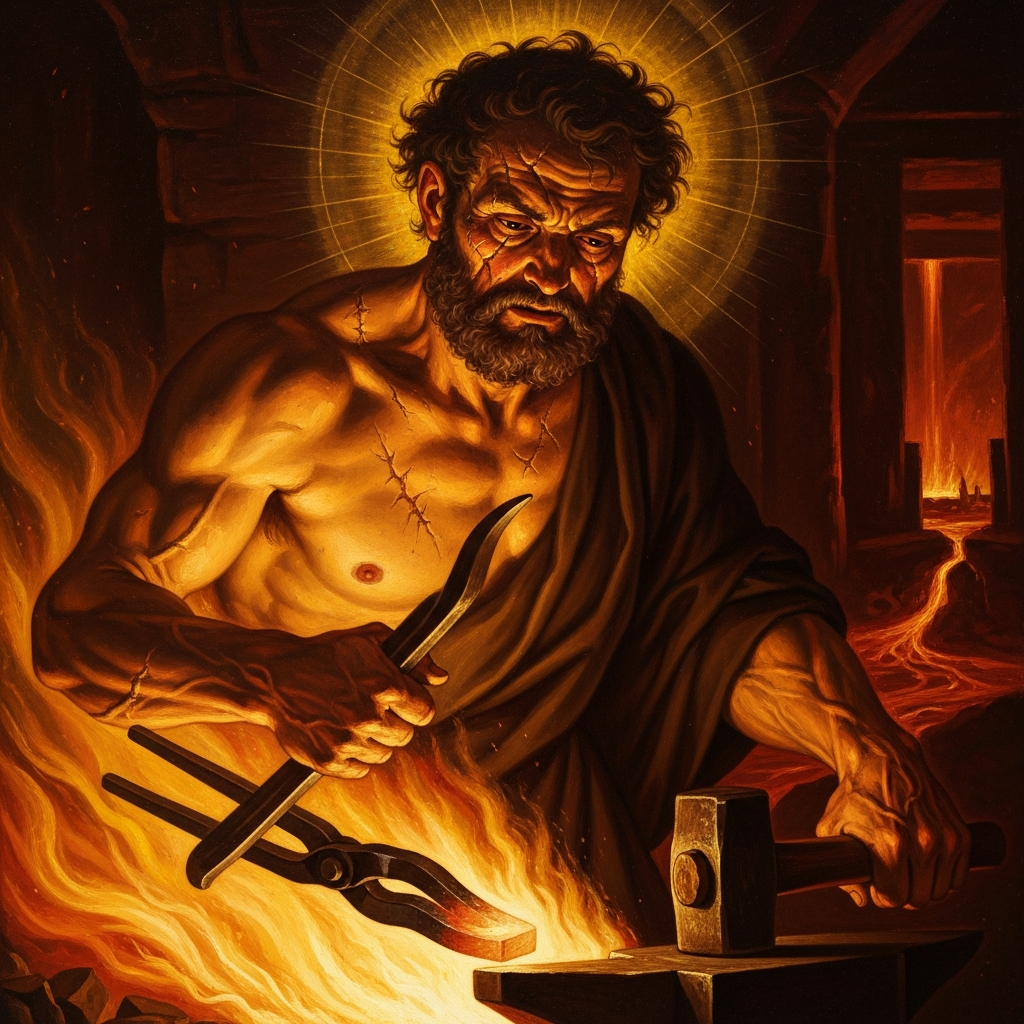
The pantheon was organized in three concentric circles. Innermost: the Capitoline Triad — Jupiter, Juno, and Minerva — whose temple on the Capitoline Hill was the religious center of the state. Middle: the Dii Consentes, the twelve council-gods (Jupiter, Juno, Minerva, Apollo, Mars, Venus, Vulcan, Mercury, Vesta, Diana, Ceres, Neptune), who were the publicly worshipped Olympians. Outer: the countless numina of the household, field, road, and trade, plus the deified abstractions (Fortuna, Victoria, Concordia, Pietas) that personified Roman civic virtues.