Combat Profile
Civic Embrace
Quirinus's blessing extends to every member of the Roman citizen-body; under his protection a city's people gain unity of purpose, and internal strife is supernaturally calmed for the duration of his festival
Third-Function Patron
Quirinus protects the productive labor of the citizen-people; agriculture, trade, and craft within his city's walls receive his blessing, and economic disaster cannot strike the city while his rites are properly maintained
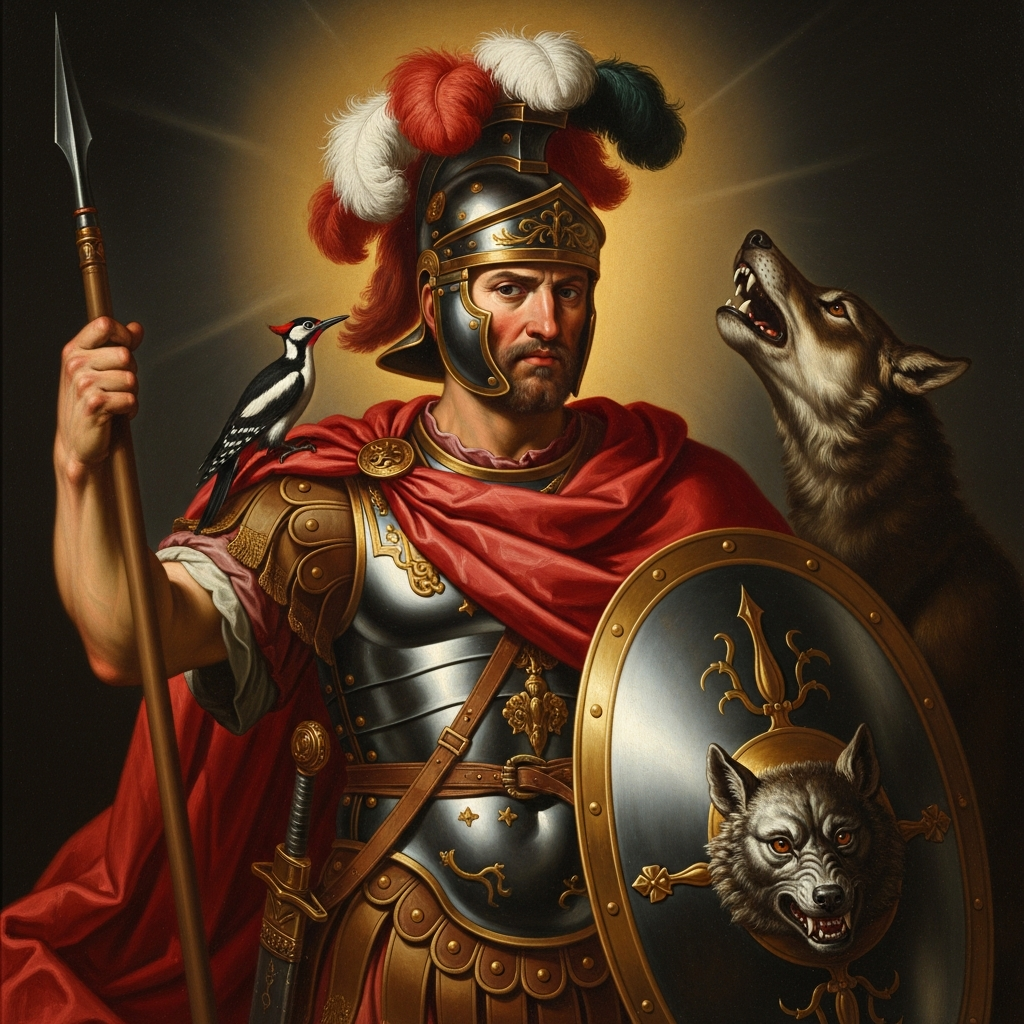
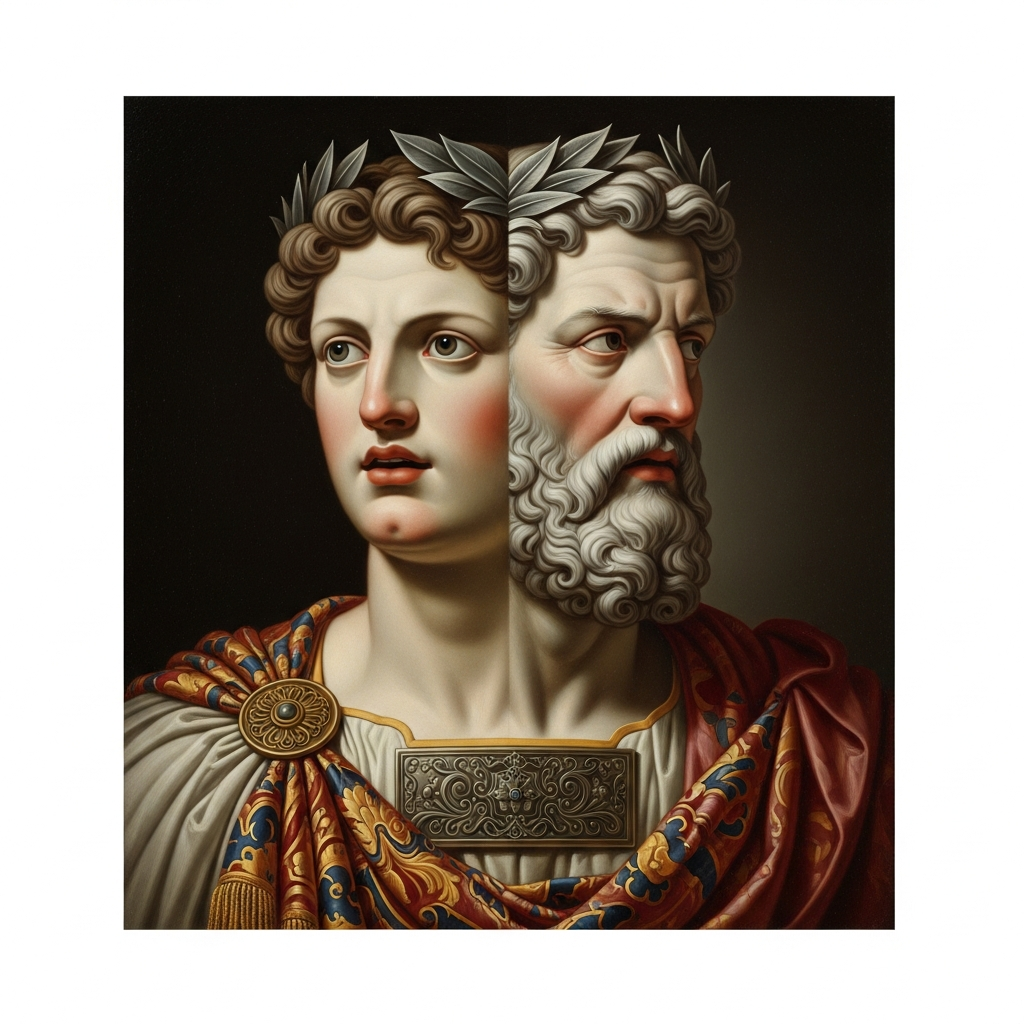
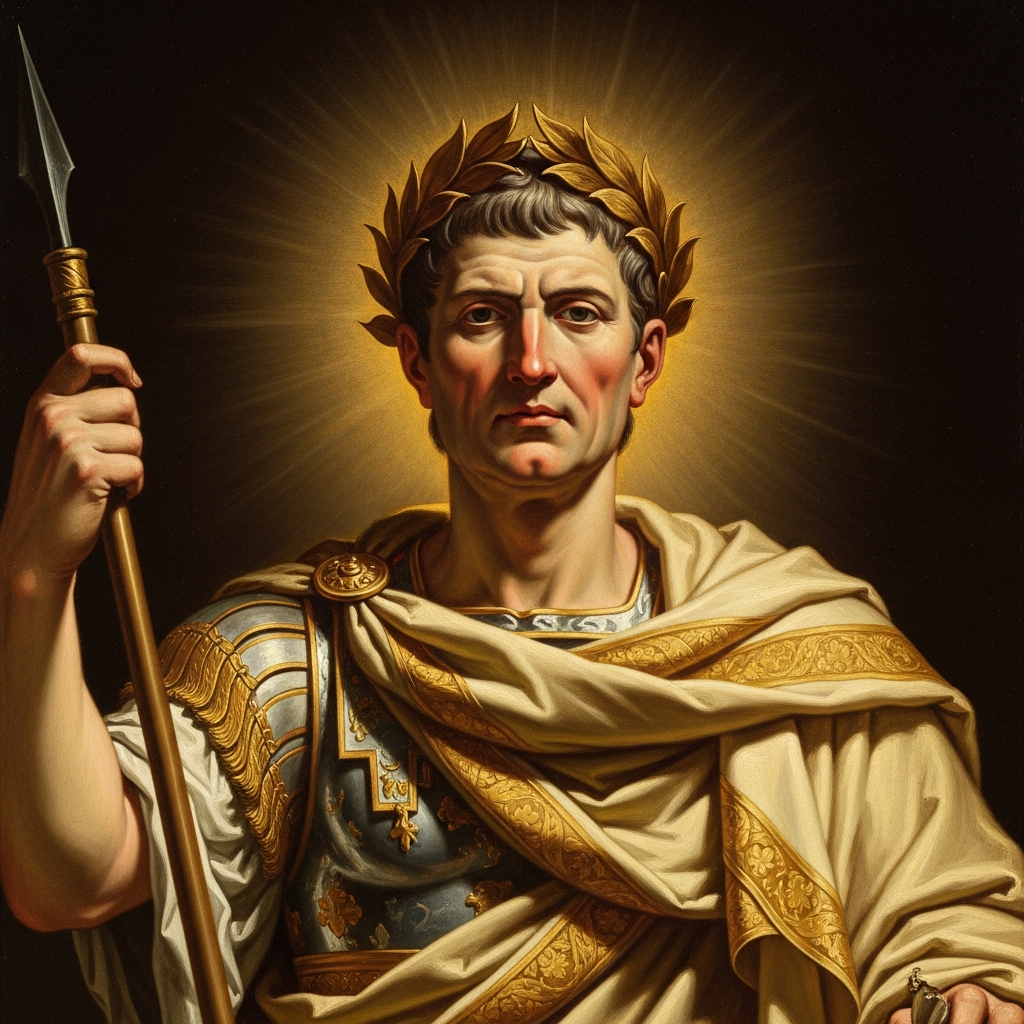
Quirinus is Romulus deified — but he is also, in older Italic religion, an independent god who was identified with Romulus only secondarily. Originally Quirinus may have been a Sabine war-god of the Quirinal Hill (one of Rome’s seven), who was syncretized with Mars and then identified with the deified Romulus. The result is a complex deity who is simultaneously a war-god, a civic patron, and the apotheosed founder.
Quirinus completed Rome’s Archaic Triad — the three oldest state gods of Rome: Jupiter (sovereign), Mars (warrior), and Quirinus (civic-protector). This triad organized the religious imagination of the early Roman state along the same tripartite lines (sovereign / warrior / producer) that Indo-European specialist Georges Dumézil identified across the entire Indo-European religious family. Quirinus represents the third function — the people, the producers, the citizen-body — as Mars represents the warriors and Jupiter represents the sovereign.
Biblical Parallels: Quirinus parallels the protective function of Yahweh as the god of Israel-as-a-people (rather than as army or sovereign): the Yahweh of Deuteronomy 7:6 who chose Israel as “his treasured possession.” The deification-of-the-founder pattern is biblically resisted: David is not deified, Moses is not deified, even though both are functionally analogous to Romulus in founding the people-of-the-Lord.
Cross-Tradition: Parallels the third-function deities of the Dumézilian Indo-European reconstruction: Vedic Aryaman (god of the aryas, the people), Norse Freyr (third-function god of fertility and prosperity), Iranian Mithra in his civic-protector aspect. The triad Jupiter-Mars-Quirinus = Vedic Mitra/Varuna-Indra-Aryaman/the Ashvins is one of Dumézil’s clearest cross-tradition findings.
1 min read