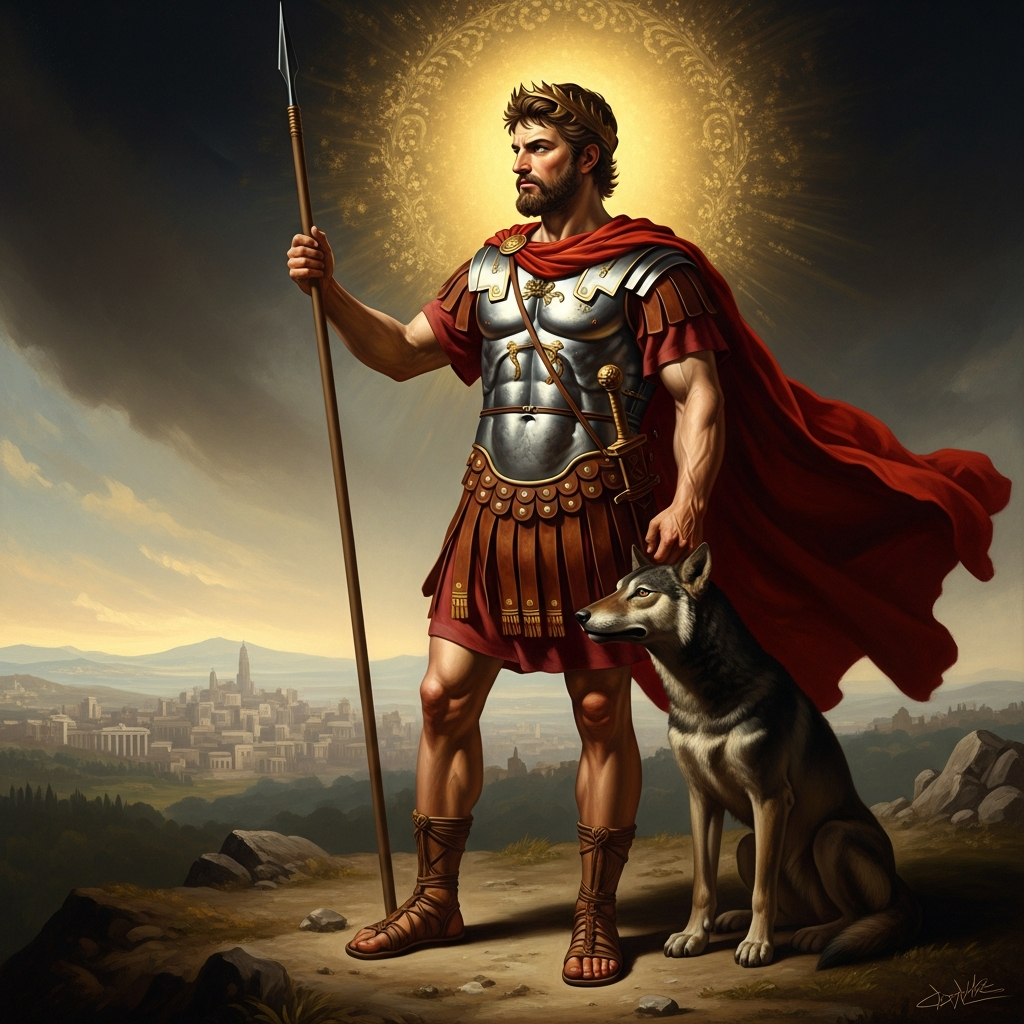
Combat Profile
Founder's Charge
Romulus's leadership in battle inspires his army to fight beyond mortal limits; troops under his command gain immunity to fear and rout, and the boundaries of his city expand permanently with each victory
Apotheosed Founder
Romulus has been deified as Quirinus; he cannot be permanently killed and watches over Rome eternally, granting protection to the city's walls and accelerating recovery after disaster
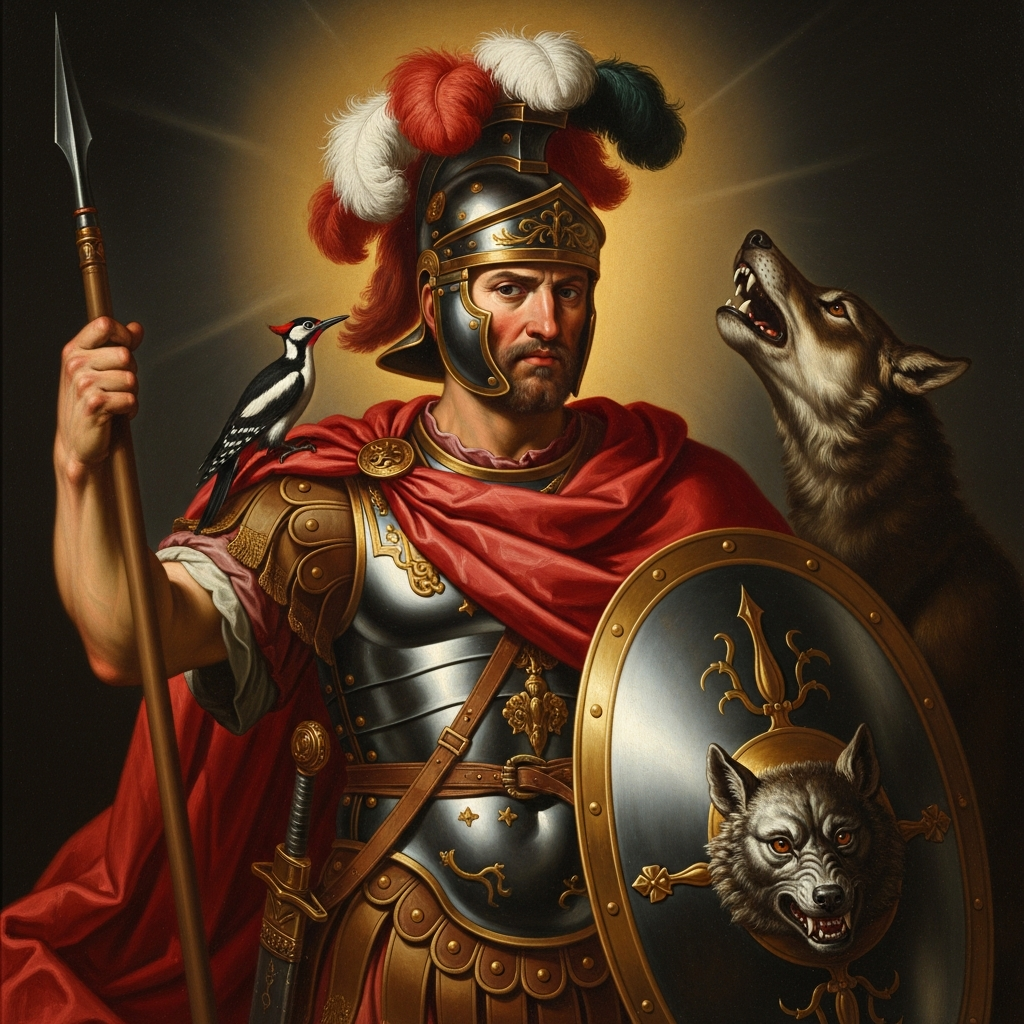
Romulus is Rome’s founder and first king — a demigod son of Mars and Rhea Silvia (a Vestal Virgin), suckled along with his twin Remus by a she-wolf, raised by the shepherd Faustulus, and ultimately the killer of his own brother in a quarrel over the founding of the city. He laid out Rome’s first walls in 753 BCE (the traditional date), populated the city by offering asylum to refugees and outlaws, and acquired wives for his men by abducting the women of the neighboring Sabine tribe (the “Rape of the Sabines”). After a long reign — and according to one tradition, a violent assassination by senators frustrated with his autocracy — he was either taken up into heaven during a thunderstorm or torn apart by the senators, who dispersed his body parts under their togas.
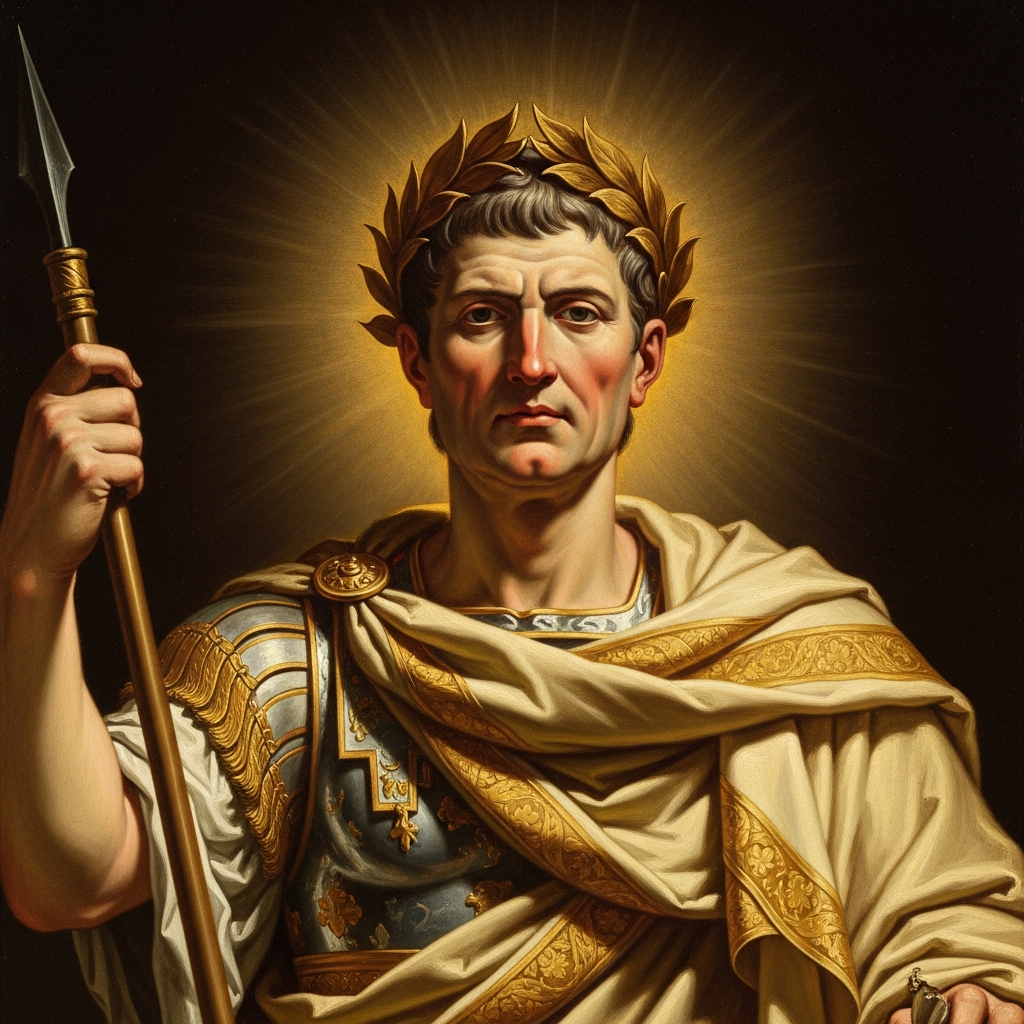
Romulus is then deified as the god Quirinus — a uniquely Roman pattern of apotheosis, the elevation of a heroic mortal to divine status. This pattern would later be applied to Julius Caesar (deified after his assassination), Augustus, and many subsequent emperors. The Romulus-Quirinus complex is the religious heart of Roman civic identity: the founder is the god, the city is sacred because of him, and the imperial cult that grew up around the deified emperors is its lineal continuation.
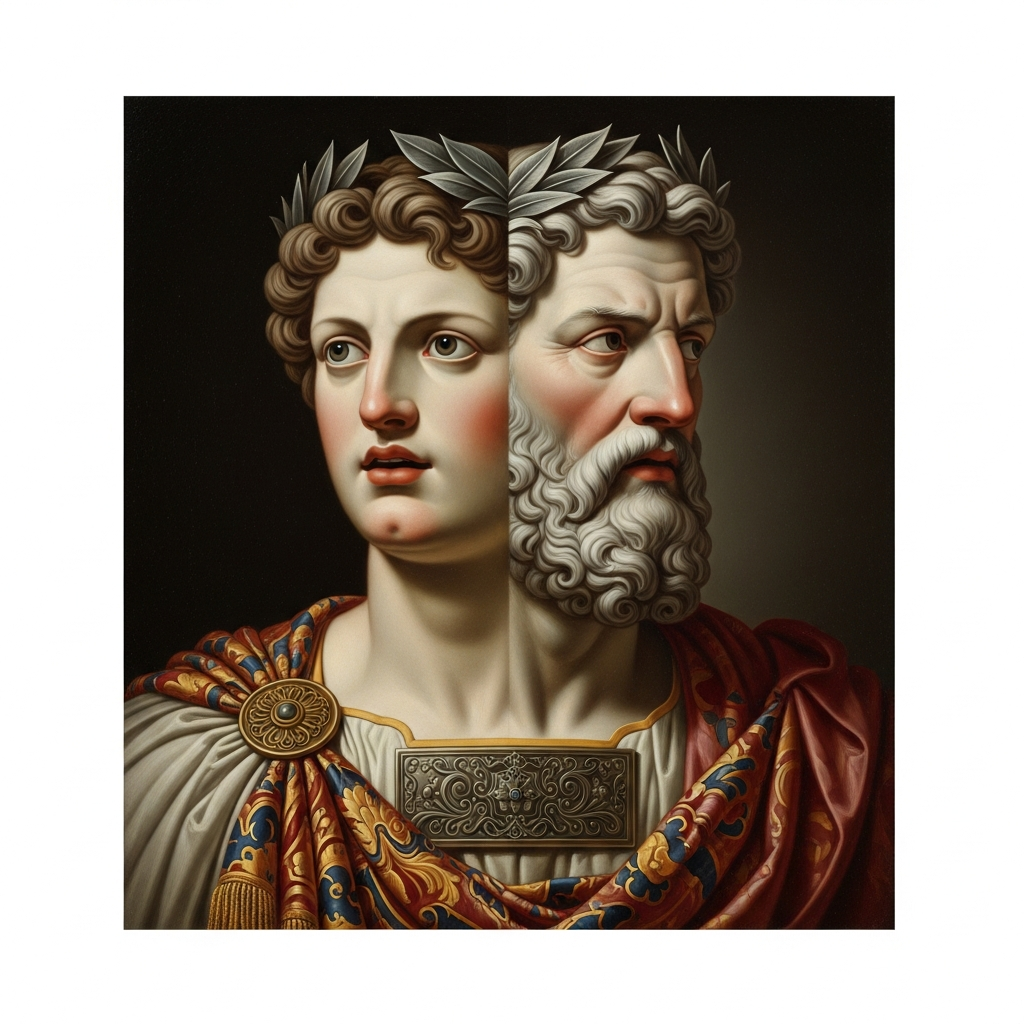
Biblical Parallels: Romulus parallels Cain — a fratricide whose killing of his brother nevertheless founds a civilization (Cain founds the first city in Genesis 4:17). The pattern of “founder kills brother, civilization arises” is unsettlingly common across mythology. He also parallels Moses (raised by foster parents, founder of a people, ascends to a mountain at his death) and David (ambitious warrior-king who founds the eternal city). The deification-of-founder pattern stands in stark contrast to the Hebrew refusal to deify Moses or David — a deliberate theological choice that distinguishes biblical from Roman religion.
Cross-Tradition: Parallels Greek heroes who become gods (Heracles), Egyptian Osiris (the dismembered king who becomes lord of the afterlife), and Norse Ragnar Lodbrok (legendary founder figure venerated after death). The “twin who kills his brother to found the city” is also Cain/Abel and is a recurring Indo-European pattern.
2 min read