Combat Profile
Cosmic Serpent
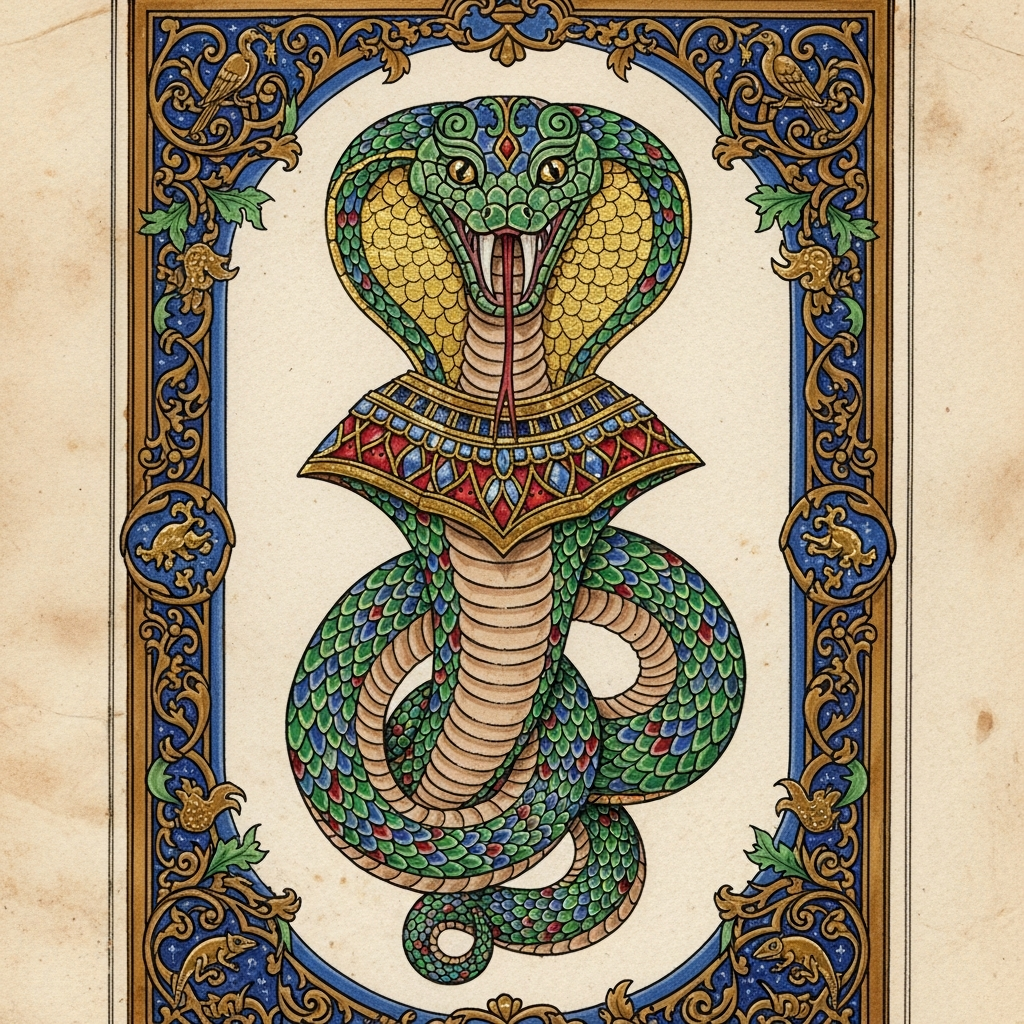
Damballa reshapes reality through serpentine coils of creation, establishing or restoring cosmic order and divine law
Primordial Wisdom
All allies within Damballa's presence gain clarity of purpose and protection from chaos, while the lwa himself cannot be deceived or corrupted
He does not speak. Damballa communicates through hissing, through motion, through the serpentine undulation of the mounted devotee's body. He is beyond human language -- which means his wisdom is often difficult to interpret. His peace can be mistaken for passivity
“Before there were words, there was the serpent. Before there was light, there was the rainbow. Damballa moved, and the world began.” — Vodou tradition
Lore: Damballa Wedo (also Damballah, Dan Bala Wedo) is the eldest Lwa, the primordial serpent who existed before the world. He derives from the Fon/Dahomean deity Dan (the cosmic serpent) and the Yoruba concept of the rainbow-serpent associated with Osumare, but in Haiti he became something grander: the creator of physical reality, the first thing that moved in the void, the serpent whose coils shaped the earth. His 7,000 coils formed the mountains, the valleys, the rivers. His movement through the heavens after the rain creates the rainbow — which is his wife, Ayida Wedo, the rainbow serpent who complements and completes him.
Damballa is the head of the Rada nation — the cool, ancient, African-rooted Lwa as opposed to the hot, New World Petwo spirits. He represents everything the revolution was ultimately fighting to protect: not just freedom from slavery but the deep cosmic order, the original state of grace, the primordial African spiritual reality that slavery had tried to destroy. If Ezili Danto and Ogou Feray are the warriors of the revolution — the fire and the blade — Damballa is the reason for the fight. He is what was being restored.
When Damballa mounts a devotee, the experience is unlike any other Lwa possession. The person does not speak, does not shout, does not drink rum or brandish weapons. They fall to the ground and move like a serpent — undulating, hissing, tongue flickering. They are given an egg, which they hold gently in their mouth without breaking it. They may climb trees or posts, coiling around them. The possession is silent, ancient, and profoundly peaceful — a startling contrast to the fierce possessions of the Petwo Lwa. This is the Lwa who was here before the suffering, who will be here after it ends, who reminds the community that beneath the violence and trauma of slavery, there is an original wholeness that cannot be destroyed.
Parallel: The Nehushtan, the bronze serpent that Moses lifted on a pole to heal the Israelites (Numbers 21:8-9) — the serpent as instrument of divine healing. Shesha/Ananta, the cosmic serpent of Hindu mythology on whose coils Vishnu sleeps between the cycles of creation — the serpent as the foundation of reality itself. The Ouroboros of alchemy (see Alchemical.md) — the serpent eating its own tail, symbolizing the eternal cycle of creation and destruction. Quetzalcoatl, the Mesoamerican feathered serpent deity associated with creation, wind, and wisdom (see Aztec-Maya.md). The serpent in Eden (Genesis 3) — but inverted: where the biblical serpent is associated with the Fall, Damballa is associated with original creation and wholeness. The serpent is the oldest spiritual symbol in human culture, appearing in every tradition in this compendium. In Vodou, Damballa reclaims the serpent as what it originally was: the symbol of cosmic creative power.
2 min read
Nothing opposes Damballa -- he is the cosmic serpent, the first movement, the primordial vibration. He does not have enemies because he precedes the existence of enmity
Maya Deren, *Divine Horsemen: The Living Gods of Haiti* (1953); Alfred Metraux, *Voodoo in Haiti* (1959); Wade Davis, *The Serpent and the Rainbow* (1985)