The World Will End: Ragnarok, Revelation, and the Myth of the Last Day
Mythic future — Norse Eddas compiled c. 1220 CE; Revelation written c. 95 CE; Kali Yuga doctrine in Puranas c. 400-600 CE; all traditions describe events beyond historical time · Vigrid (the Norse battlefield at the end of time), the plain of Megiddo (Christian Armageddon), the cosmic ocean at the end of each world-cycle (Hindu), the entirety of created existence
Contents
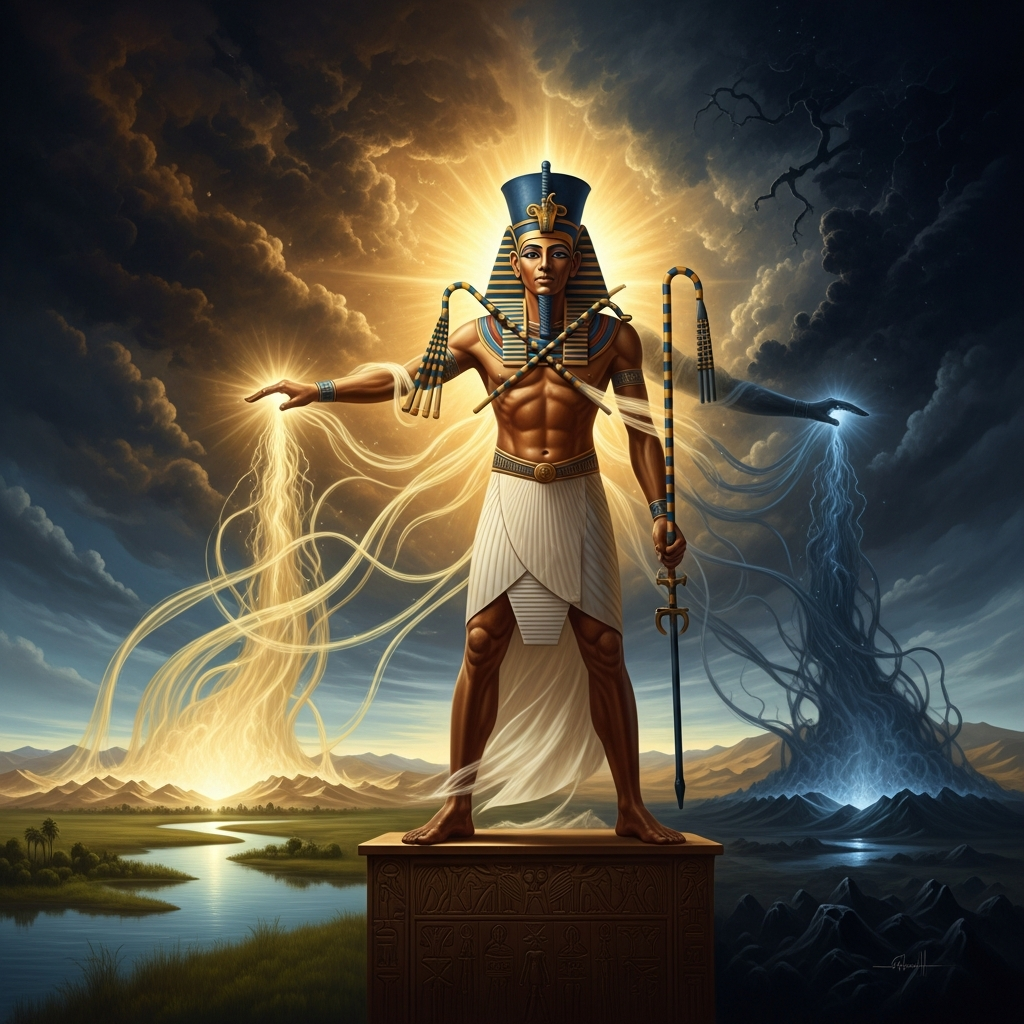
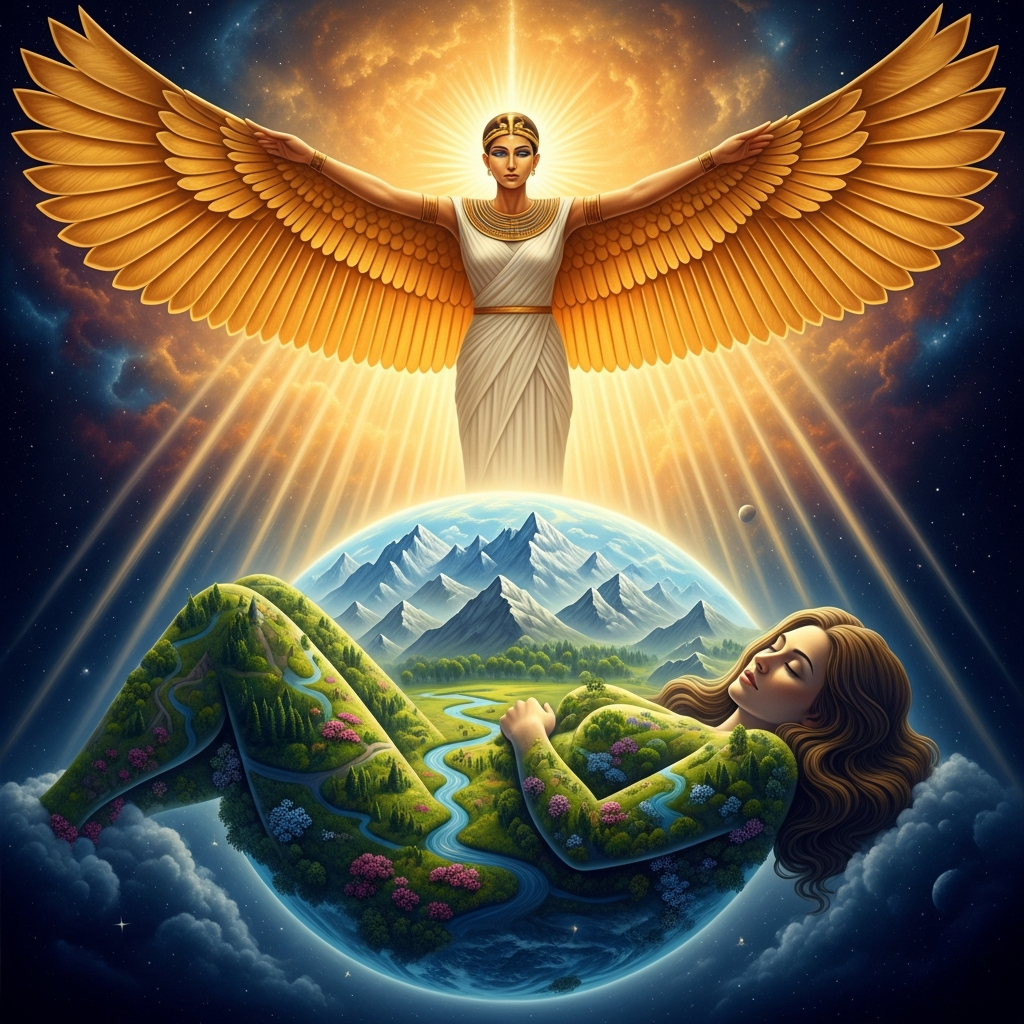
Every civilization has imagined its own destruction. Norse Ragnarok, Christian Revelation, Hindu Kali Yuga: the end-time story tells us what a culture values most.
- When
- Mythic future — Norse Eddas compiled c. 1220 CE; Revelation written c. 95 CE; Kali Yuga doctrine in Puranas c. 400-600 CE; all traditions describe events beyond historical time
- Where
- Vigrid (the Norse battlefield at the end of time), the plain of Megiddo (Christian Armageddon), the cosmic ocean at the end of each world-cycle (Hindu), the entirety of created existence
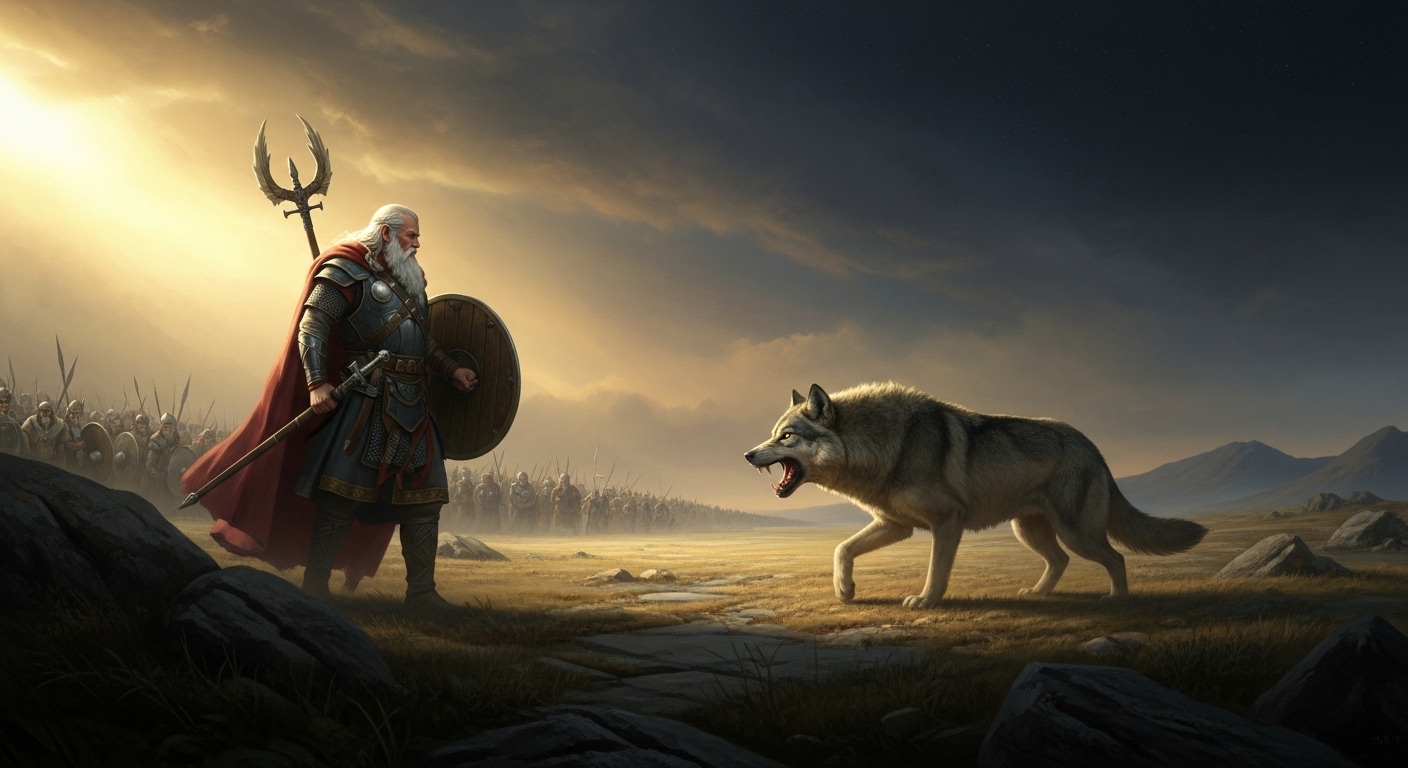
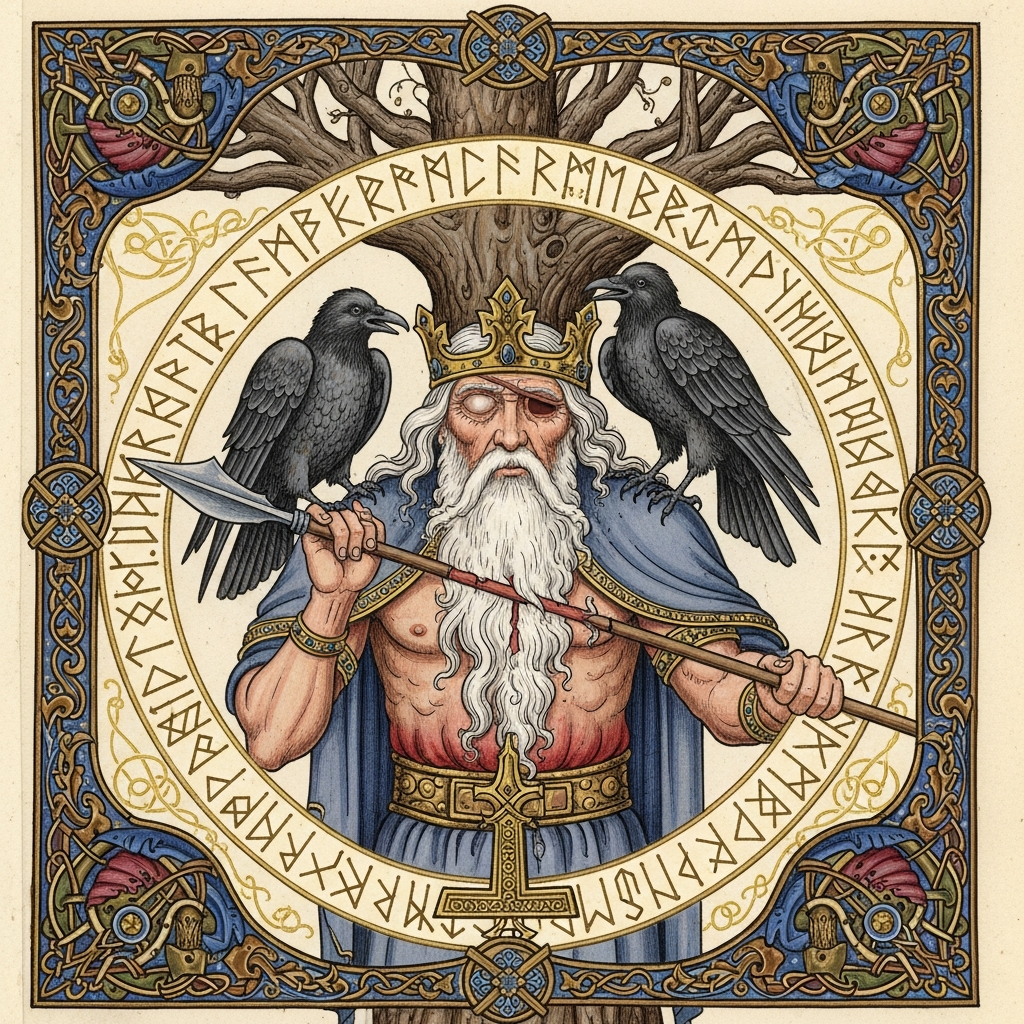
Somewhere on the battlefield of Vigrid — the Norse plain one hundred leagues in every direction that the gods reserved for the last war — Odin the Allfather is walking toward the wolf Fenrir. He knows what is going to happen. He knows it because he hung on Yggdrasil for nine days to acquire the knowledge of runes, because he traded his eye for wisdom at Mimir’s well, because the Völva — the prophetess — recited this entire sequence to him in the poem we still have. Odin knows he will be swallowed. He walks toward the wolf anyway.
This is what distinguishes Ragnarok from every other apocalypse in the mythological record. The Norse end of the world is not a surprise. It is a known appointment.
Two Fundamentally Different Theories of Time
Before any individual apocalypse myth can be understood, the underlying theory of time must be grasped, because the end-time stories of the world divide cleanly into two incompatible models.
In the linear model, time is a road with a destination. History begins at creation and moves in one direction toward a final judgment or transformation. The end is unique, unrepeatable, and ultimate. This is the model of Zoroastrianism (the oldest tradition to hold it explicitly), of Jewish apocalypticism, of Christianity, and of Islam. The New Jerusalem in Revelation is not a recycled version of the old Jerusalem. It is something qualitatively different that has never existed before and will never end. Time itself is abolished.
In the cyclical model, time is a wheel. The world is destroyed and reborn periodically, usually because it has accumulated too much corruption to continue. The Hindu Yugas — Krita, Treta, Dvapara, Kali — are four declining ages within each Mahayuga of 4.32 million years. Twelve thousand divine years of Mahayugas make a Manvantara, seventy-one Manvantaras make a Kalpa (a Day of Brahma), and a thousand such Kalpas complete a full cosmic cycle. The numbers are so large as to be functionally incomprehensible; the point is that destruction and recreation are structural features of reality, not exceptional events.
Ragnarok occupies an interesting position between these two poles. The Norse world ends and is reborn — two humans survive in Yggdrasil, Baldur returns from Hel, the earth rises green from the sea. This looks cyclical. But the Eddic texts do not clearly describe another Ragnarok after the first one. It may be a one-time event followed by a different order of existence. The Norse eschatology sits at the boundary between the two models, and scholars have debated for centuries whether this ambiguity is original or the result of Christian influence on the medieval Icelandic scribes who preserved it.
Ragnarok: The Gods Know and Go Anyway
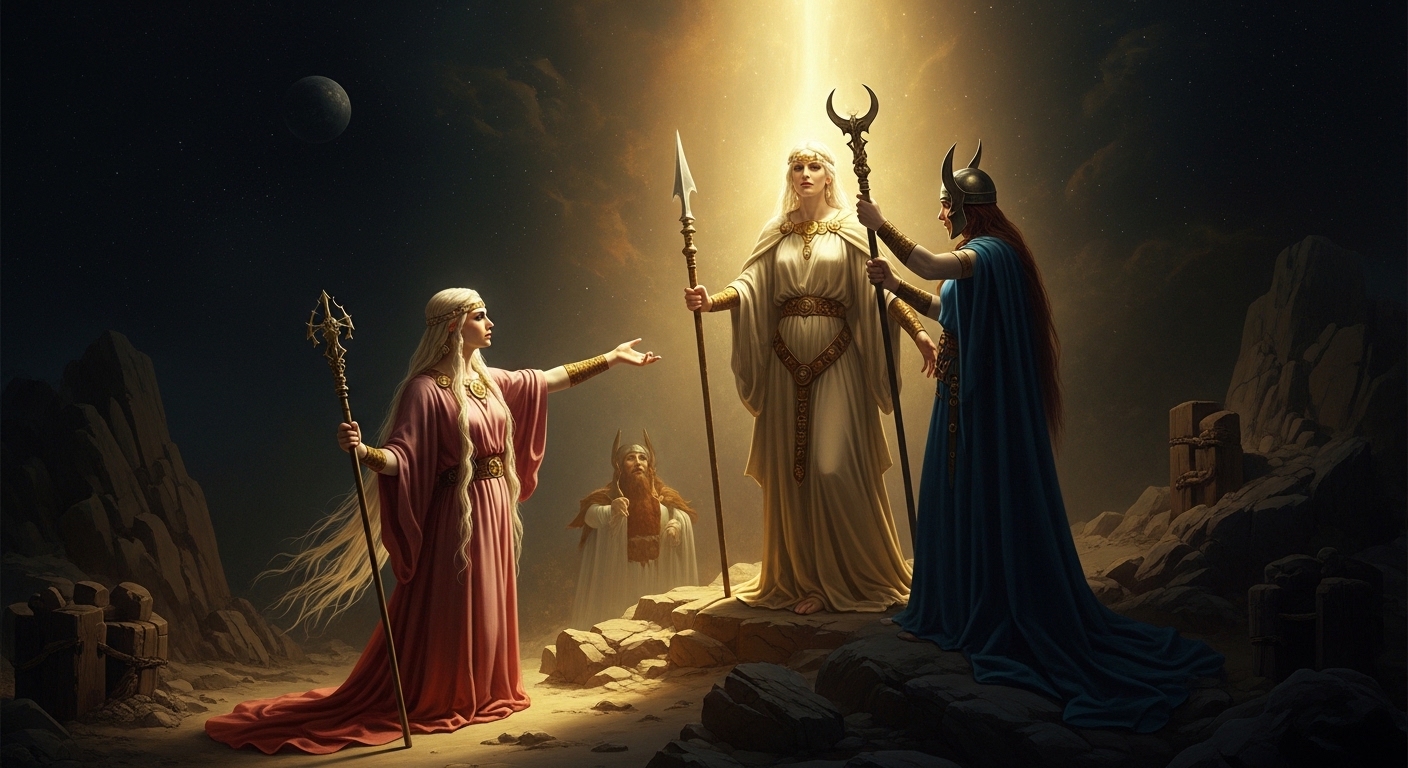
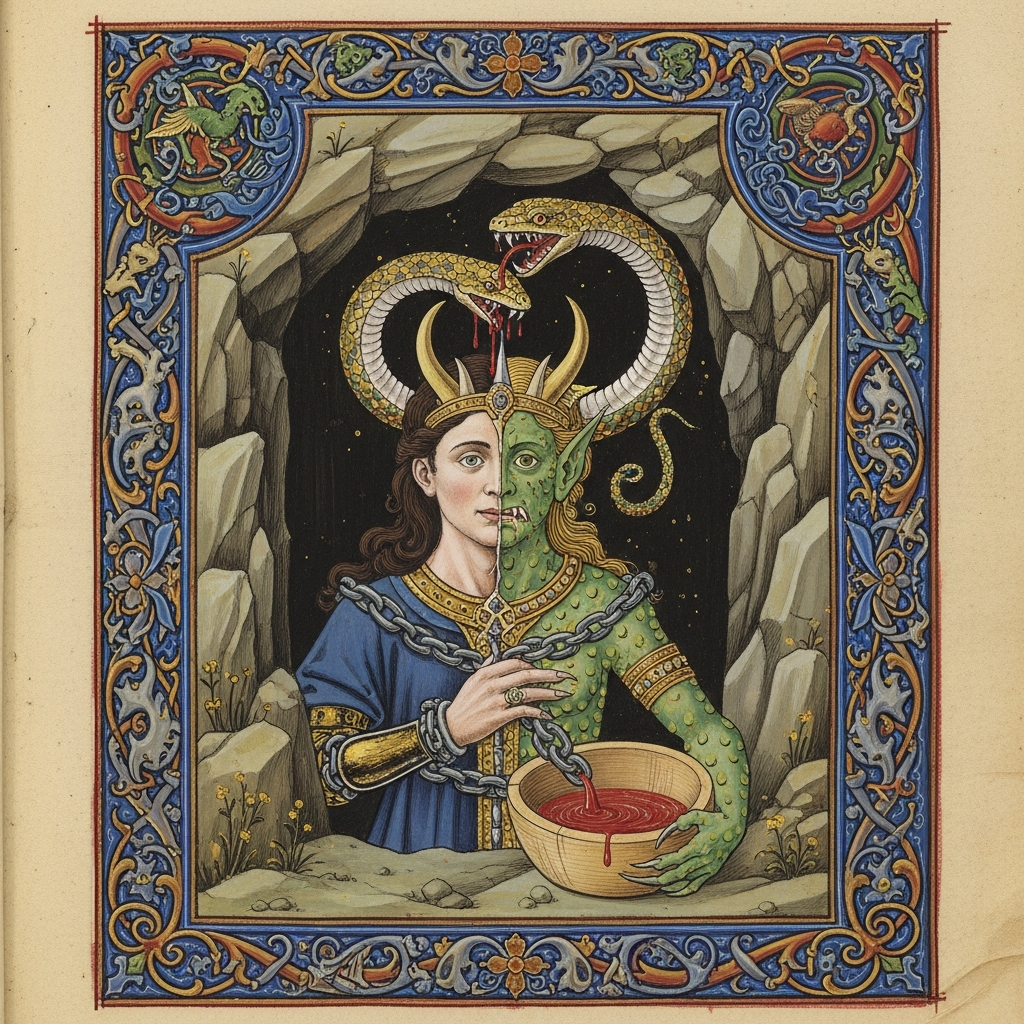
The Voluspa — the Prophecy of the Völva, one of the oldest and most extraordinary poems in the Norse corpus — opens with the prophetess being summoned from the dead to tell Odin what she knows. What she knows is everything: creation, the death of Baldur, the binding of Loki, and the full sequence of Ragnarok.
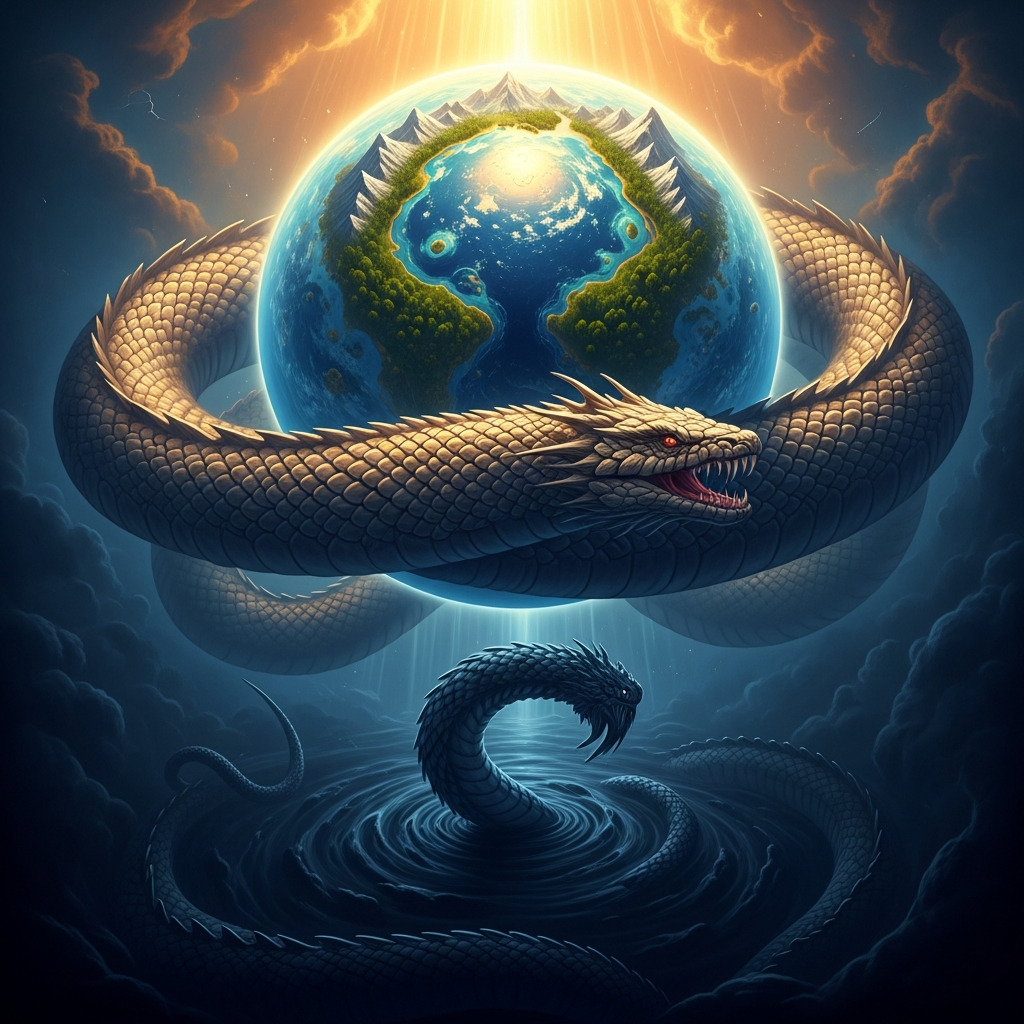
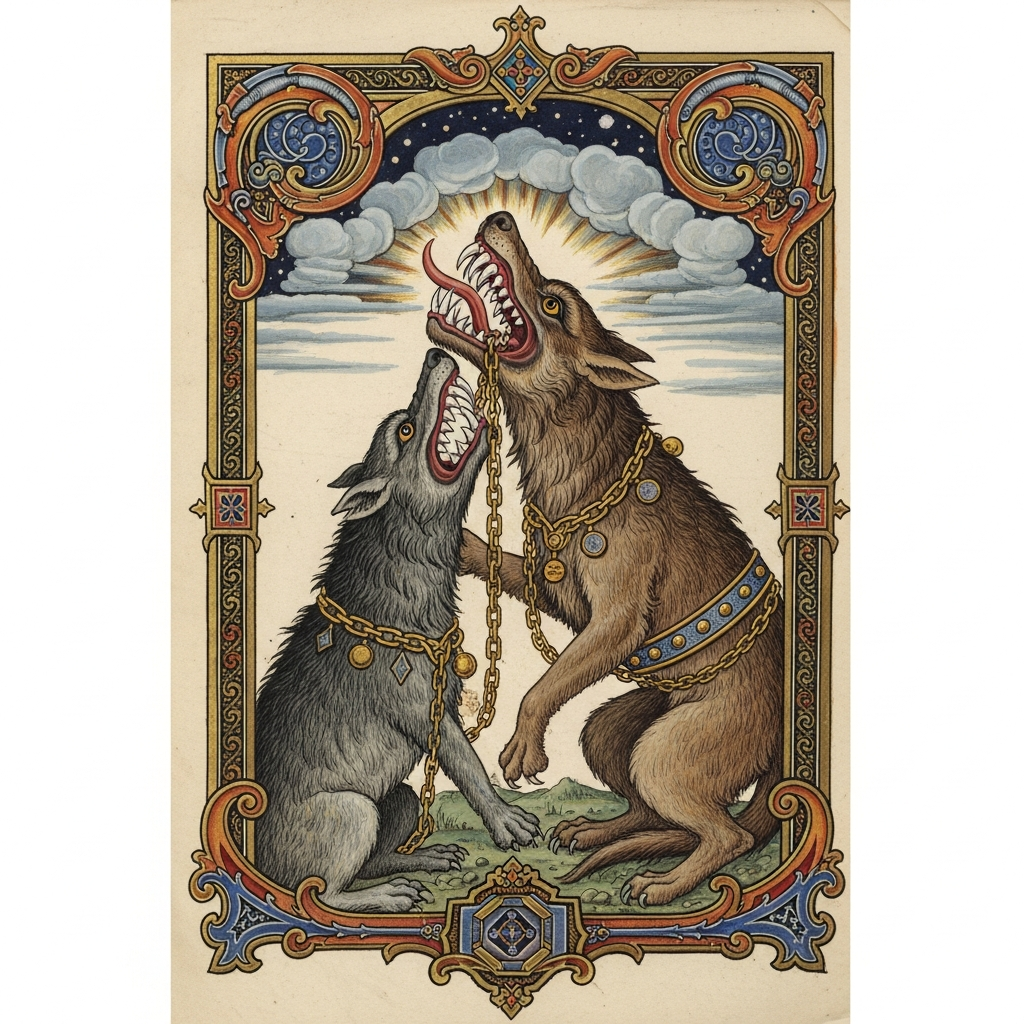
The signs are specific: Fimbulwinter, three consecutive winters without summer, brothers killing brothers, the bonds of kinship dissolving into universal violence. Then Loki’s imprisonment ends. The Midgard Serpent Jormungandr rises from the ocean and makes for shore. Fenrir breaks free, his upper jaw touching the sky, his lower jaw dragging the earth. The ship Naglfar — made from the fingernails and toenails of the dead — sails from the realm of the dead with a crew of the damned.
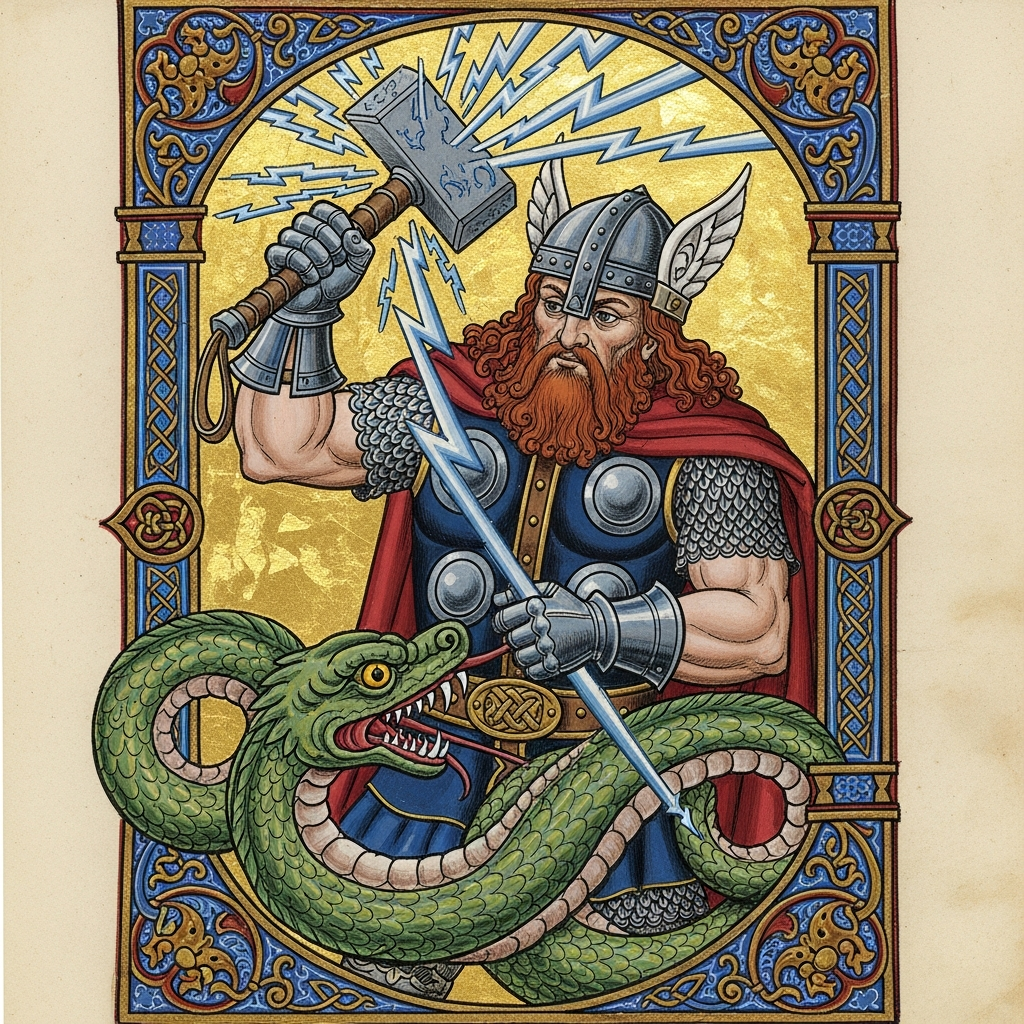
Thor kills Jormungandr and staggers nine steps before dying of its venom. Odin charges Fenrir and is swallowed. Odin’s son Vidar immediately kills Fenrir by tearing its jaws apart — or, in one tradition, by driving his boot into its lower jaw, and the thickness of the sole of that boot is the reason humans were always told to cut the leather scraps from their shoes, to add material to Vidar’s boot for the day he would need it. Every Norse cobbler who cut his scraps was, in a minor and practical sense, preparing for the apocalypse.
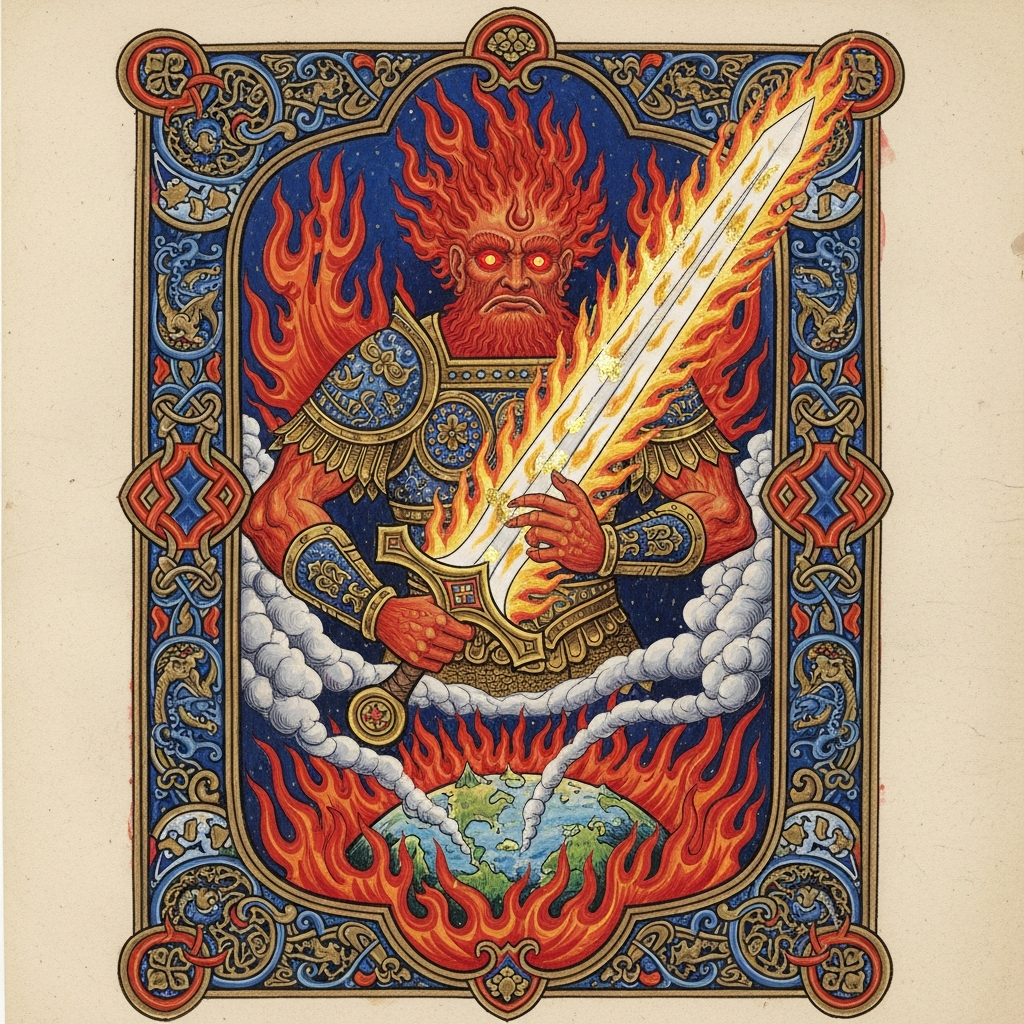
Surtr, the fire-giant from Muspelheim, kills Freyr and then sets the world on fire. The earth sinks into the sea.
Then: the earth rises again. An eagle flies over waterfalls. Two humans, Lif and Lifthrasir, crawl out of Yggdrasil’s trunk — having survived inside the great ash tree — and repopulate the world. The surviving gods find the golden game-pieces in the grass, the ones the old gods used to play with in the beginning. Baldur comes back from Hel.
The detail of the golden game-pieces found in the grass — artifacts of the innocent age recovered after catastrophe — is one of the most quietly devastating images in all of mythology.
Revelation: History as a Story with an Ending
The author of Revelation (almost certainly not the same person as the Gospel of John) wrote on the island of Patmos during the reign of Domitian, in a period of Roman persecution of Christians. He described what he saw in a trance: the seven seals, the four horsemen (Conquest, War, Famine, Death), the opening of the sixth seal and the darkening of the sun, the seven trumpets, the woman clothed with the sun and the dragon with seven heads, the Beast from the sea (Nero, in the allegorical reading most historians now accept), the number 666, the Whore of Babylon (Rome), the Battle of Armageddon, the Millennium — a thousand-year reign of Christ before the final release of Satan — and finally the Last Judgment and the New Jerusalem descending from heaven “like a bride adorned for her husband.”
The New Jerusalem has dimensions: twelve thousand furlongs on each side, walls of jasper, twelve foundations, a city of pure gold like clear glass, no sun because God is its light. It is a specific, architectural vision of what linear time was leading toward all along.
What ends in Christian eschatology is not merely the physical world but the conditions of mortal existence itself: death, grief, pain, night. “He will wipe every tear from their eyes.” The linear model demands this outcome because if time has a destination, the destination must be worth arriving at. For Christianity, eternity is not another cycle but a different mode of being.
Kali Yuga: When Virtue Shrinks to a Quarter
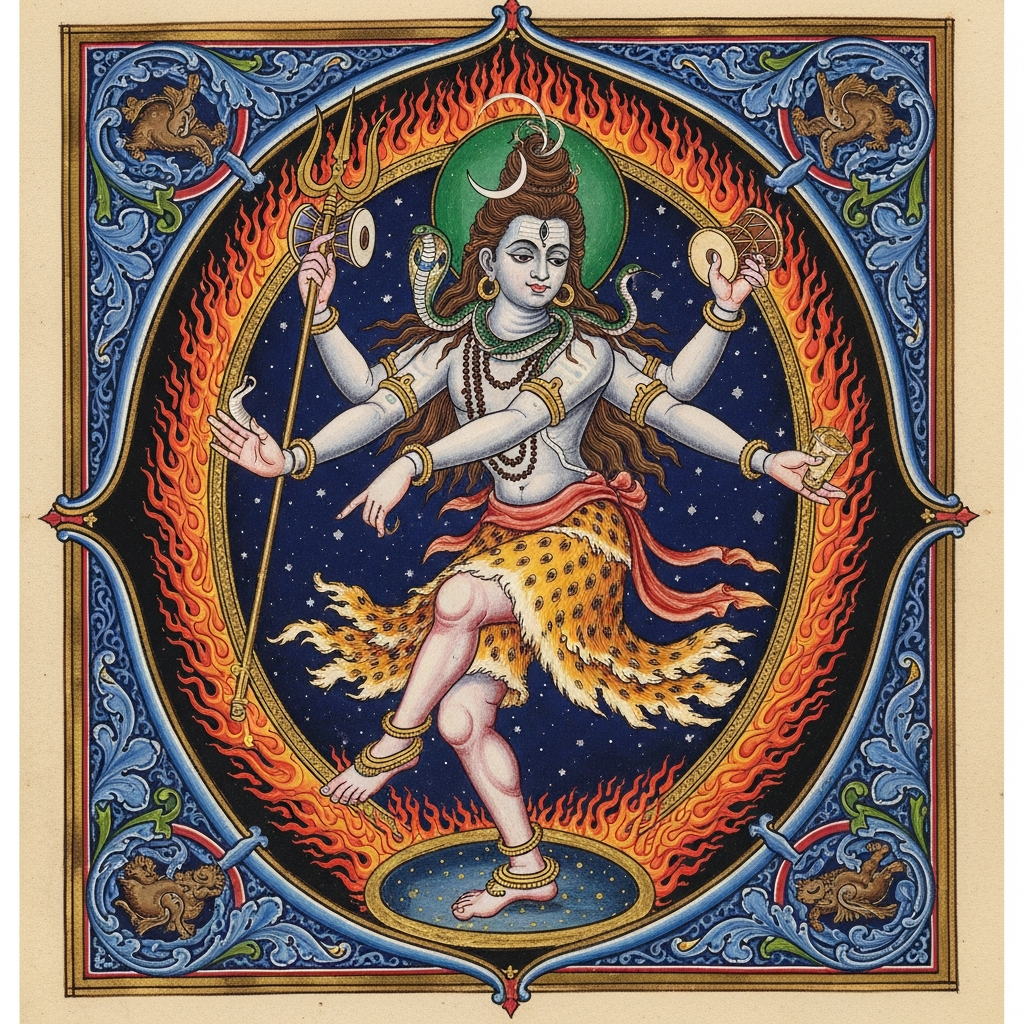
The Hindu model turns the linear model inside out. What Christianity sees as degradation toward an endpoint, Hinduism sees as degradation within a cycle — necessary, structural, and ultimately temporary on the cosmic scale.
The Kali Yuga, the current age, is defined in the Puranas by the progressive loss of virtue. In the first age (Krita or Satya Yuga), humans were virtually gods — full virtue, perfect health, ten-thousand-year lifespans. Each subsequent age loses a quarter of virtue. By the Kali Yuga, only a quarter of the original virtue remains. Human lifespans are measured in decades, not millennia. People are small, quarrelsome, materialistic, and short-lived.
The Puranas list the signs of the Kali Yuga’s worst period with a precision that has made every generation since convinced they were living in it: rulers will be unrighteous; merchants will cheat; priests will sell initiations; the young will not respect their elders; natural disasters will multiply; “those without virtue will be elected to positions of power.”
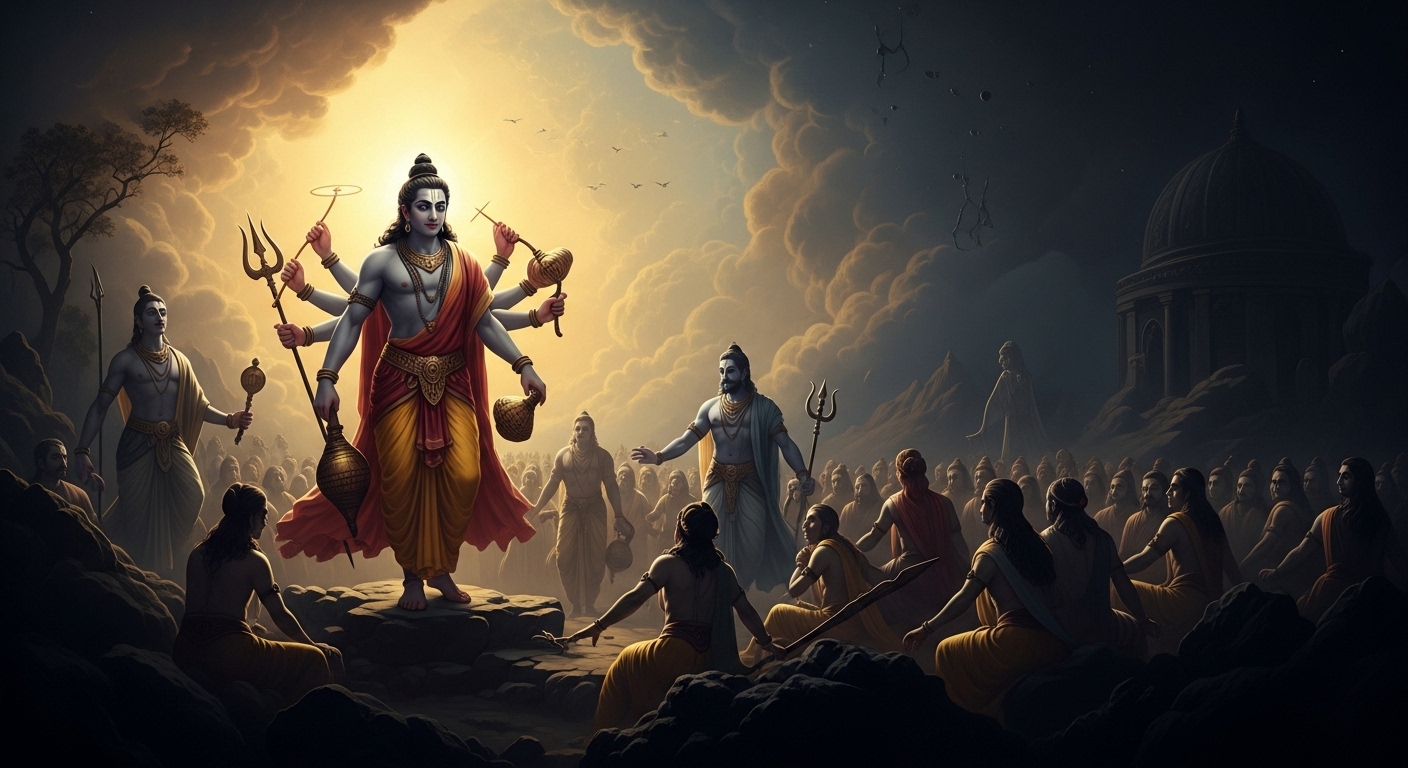
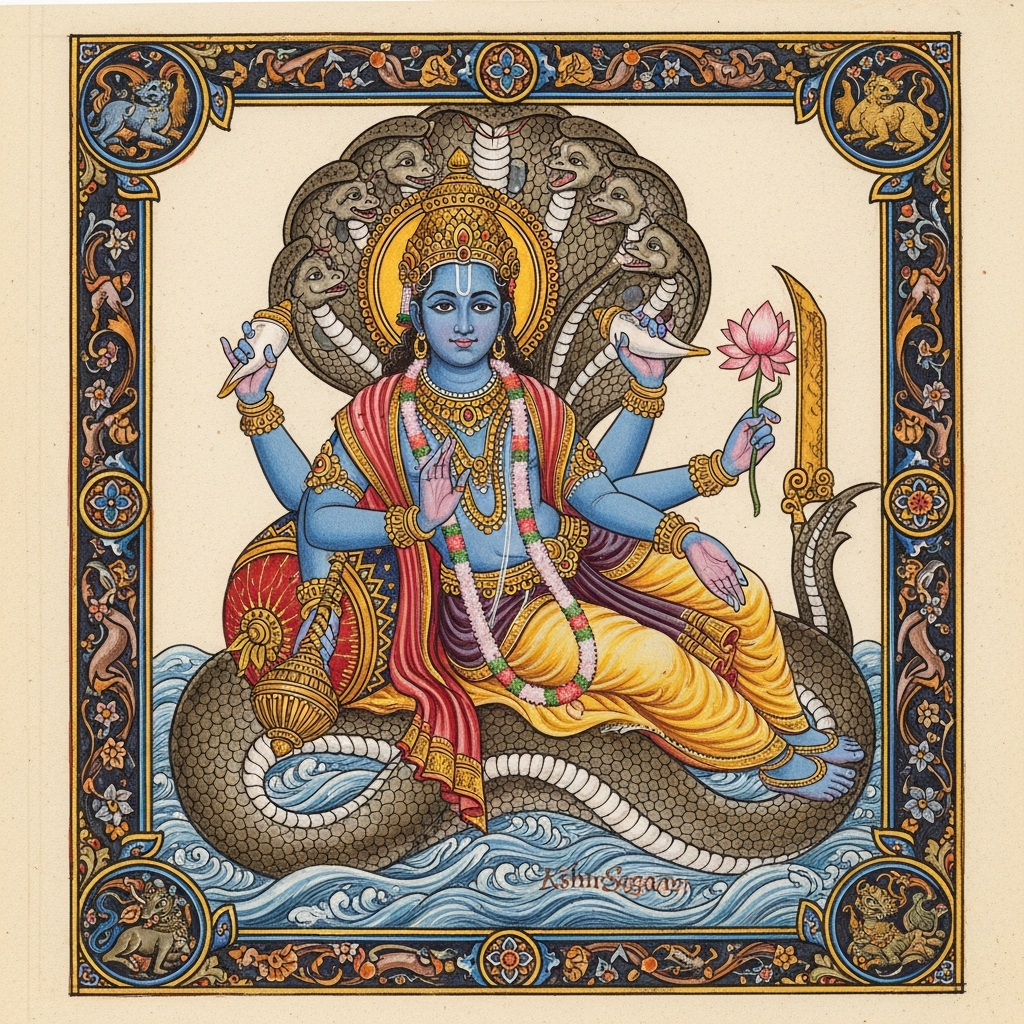
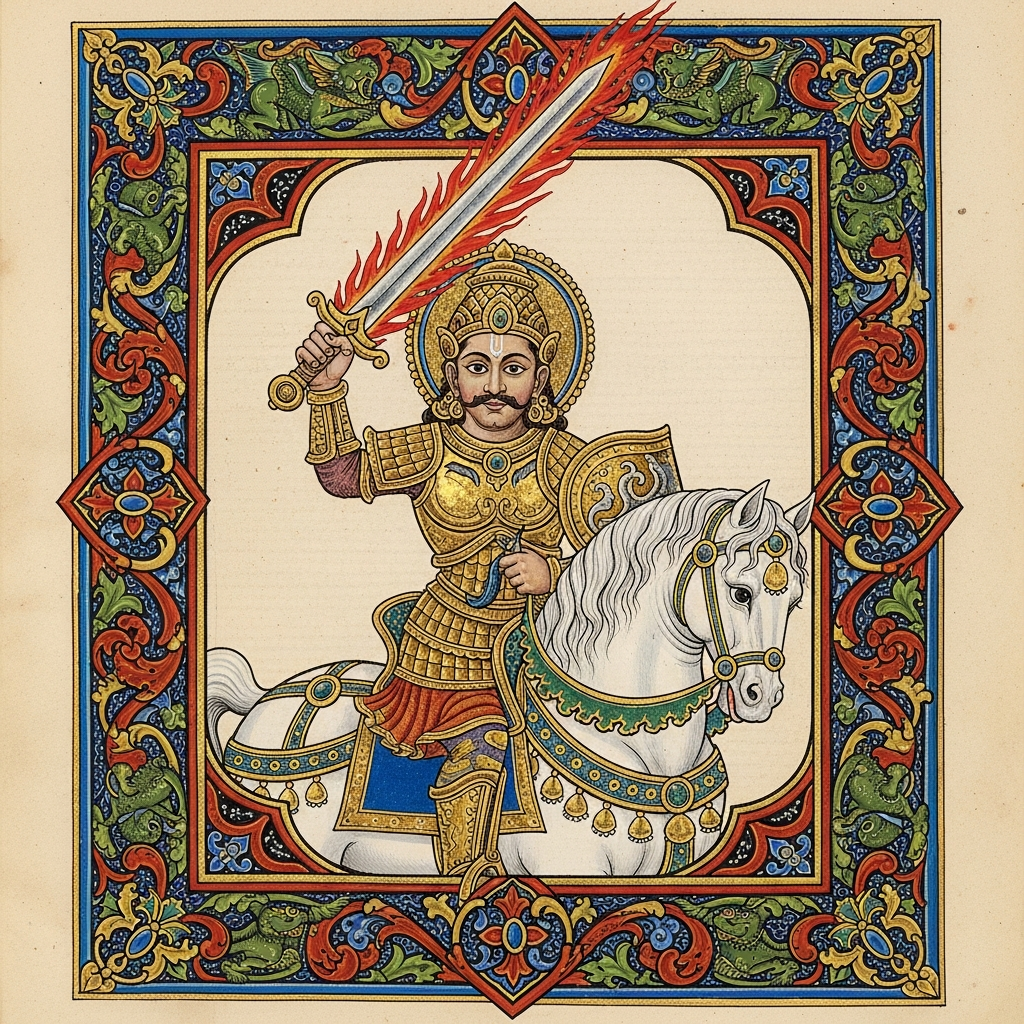
At the very end, Kalki arrives on a white horse carrying a flaming sword, destroys the corrupt remnant of the age, and clears the ground for the Krita Yuga to begin again. Then Pralaya — the Great Dissolution — absorbs even the gods back into undifferentiated Brahman. Then, after an equally vast interval, Brahma wakes and the Krita Yuga begins its long slide downward again.
The comfort this offers is real but strange: the world is not falling apart because something has gone wrong. It is falling apart because that is what worlds do at this point in the cycle. The decay is not a failure. It is the mechanism.
What Survives the End
The three traditions preserve three different things through their apocalypses, and the difference is the point.
In Ragnarok, two humans survive in the body of the world-tree. What is preserved is life — bare, genetic, unarmed life inside the oldest and most enduring structure in the cosmos. The world-tree shelters them. They emerge to find gold game-pieces in the grass.
In Revelation, what is preserved is souls — the dead are resurrected and judged, the righteous receive eternal bodies, the wicked are cast into the lake of fire. The physical world is replaced by something better. Individual identity is the thing that cannot be lost.
In the Hindu dissolution, nothing individual survives. Everything returns to Brahman — the formless ground of being from which everything arose. What is preserved is the pattern, the dharmic template from which the next Krita Yuga will unfold. The individual soul, through countless rebirths, will eventually achieve moksha and escape the cycle entirely. The apocalypse is not personal salvation but cosmic reset.
Civilizations build their eschatologies from the same material they build their values. The Norse valued courage in the face of known doom. Christians valued the soul and its relationship to a personal God. Hindus valued the cosmic order that underlies and outlasts individual existence. The end of the world, in each case, is a mirror held up to what the living could not afford to lose.
The Völva’s last line in the Voluspa, after she has described the rebirth of the world, is: “Now she must sink.” She returns to the underworld. The prophecy is complete.
Whether there will be another Völva to summon for the next cycle, the poem does not say.
Scenes
Echoes Across Traditions
Entities
Sources
- Snorri Sturluson, *Prose Edda*, 'Gylfaginning' (c. 1220 CE)
- *Voluspa* ('Prophecy of the Völva'), *Poetic Edda* (c. 10th-13th century CE)
- Revelation / Apocalypse of John, Greek New Testament (c. 95 CE)
- *Vishnu Purana* (c. 400 CE)
- *Bhagavata Purana* (c. 800-1000 CE)
- Bundahishn (Zoroastrian cosmological text, compiled c. 9th century CE from older sources)
- Rudolf Bultmann, *History and Eschatology* (1957)
- Mircea Eliade, *The Myth of the Eternal Return* (1949)
- John J. Collins, *The Apocalyptic Imagination* (1984)