The Valley of Dry Bones
Ezekiel 37 · c. 593–571 BCE (Babylonian exile) · A valley in the Babylonian exile; the vision-world of the divine chariot
Contents
God sets the prophet Ezekiel in a valley of bleached bones and asks a single question: Can these bones live? Ezekiel prophesies. The bones rattle, connect, flesh, breathe, and rise — a vast army where there was only ruin. The vision promises Israel's return from Babylon. It has never stopped promising more than that.
- When
- Ezekiel 37 · c. 593–571 BCE (Babylonian exile)
- Where
- A valley in the Babylonian exile; the vision-world of the divine chariot
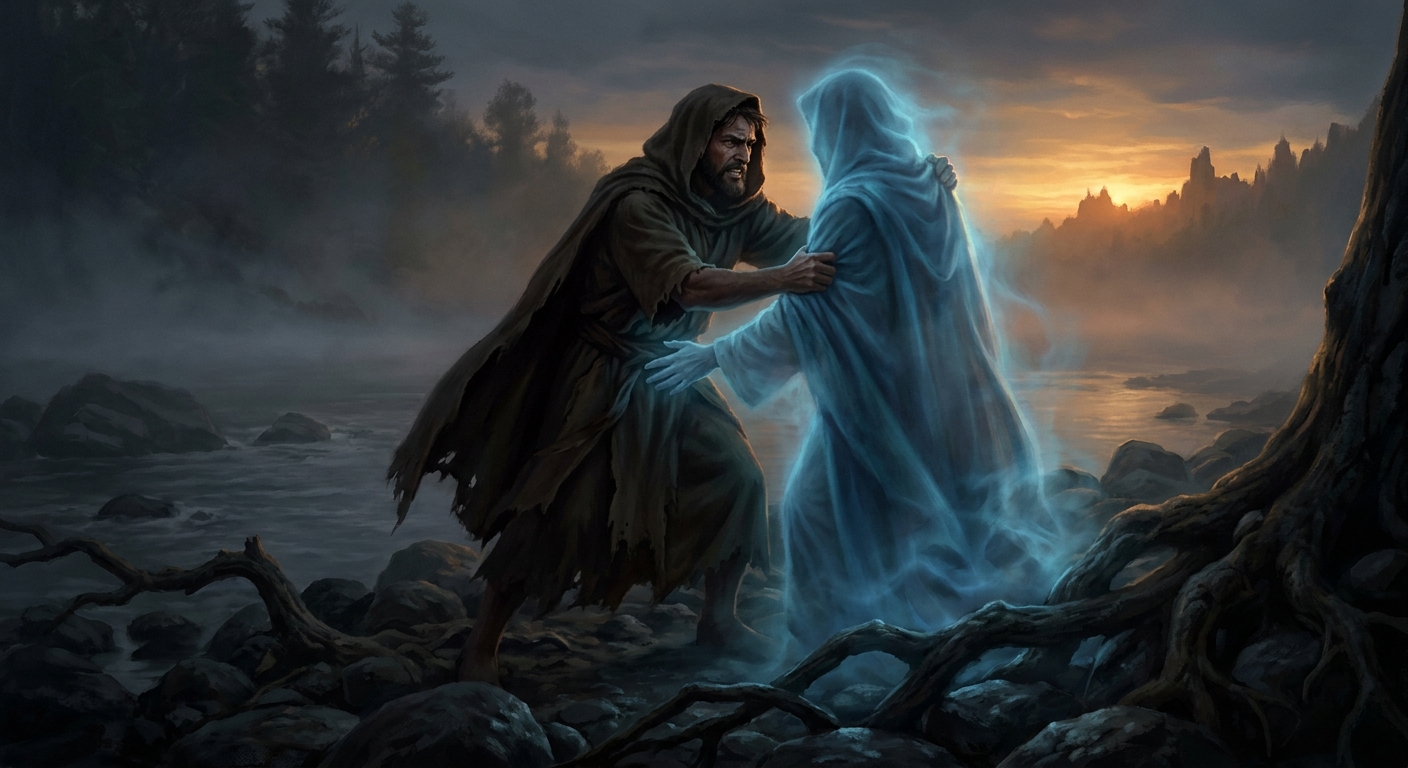
The hand of the Lord is upon him, and he is carried out.
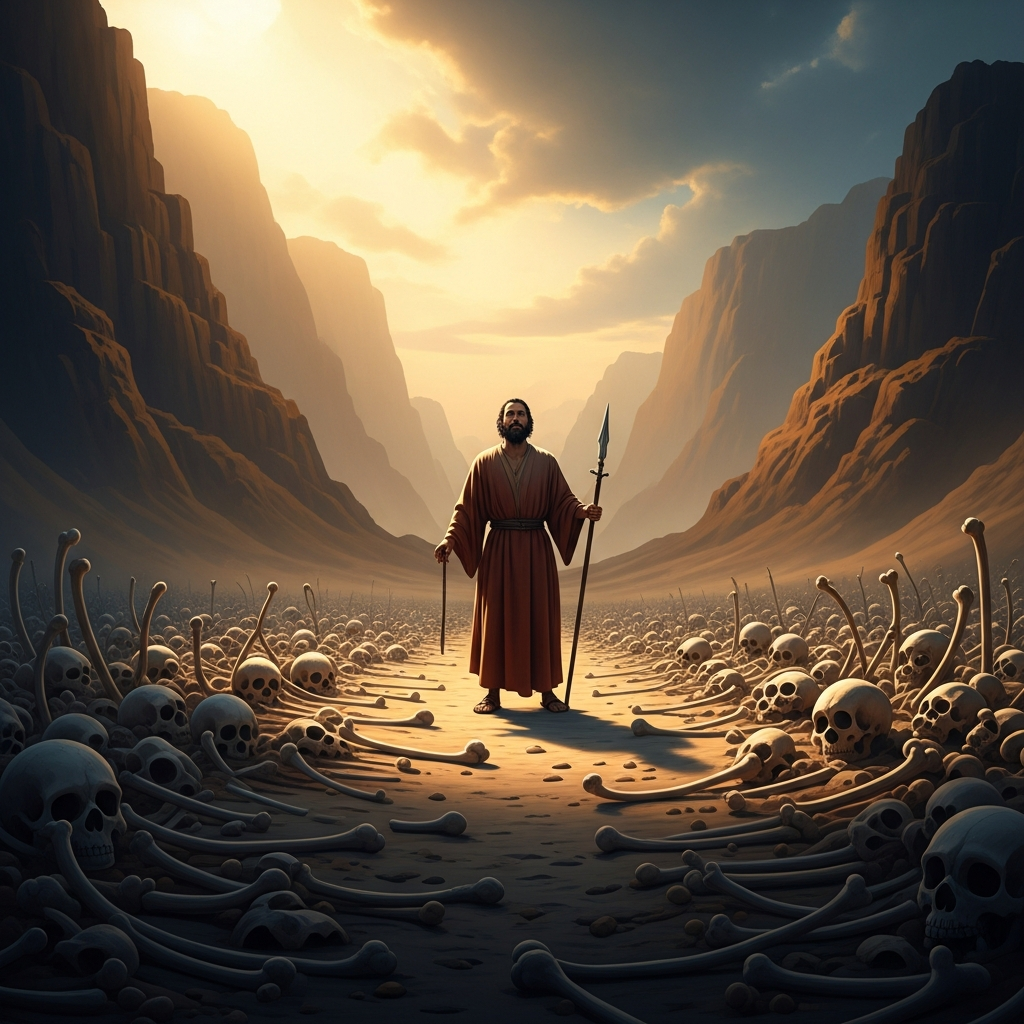
He does not walk to this place. The spirit of God lifts him and sets him down in the middle of the valley, and when the prophet Ezekiel finds his footing and looks around he understands immediately what he is standing in. Bones. Human bones, thousands upon thousands, covering the valley floor in every direction — and not fresh bones, not the remnants of a recent slaughter, but bones that have been here a long time. The sun has done its work. They are very dry.
He walks among them. This is not accidental — God leads him around among them, around and around, so that he sees them from every angle, so that there is no question about what they are or what they mean. An army. Or what was once an army, before time and despair reduced it to scattered calcium on the valley floor. The whole house of Israel, God will explain. The people sitting in Babylon saying: our bones are dried up, our hope is lost, we are clean cut off.
Then the question.
Son of man — can these bones live?
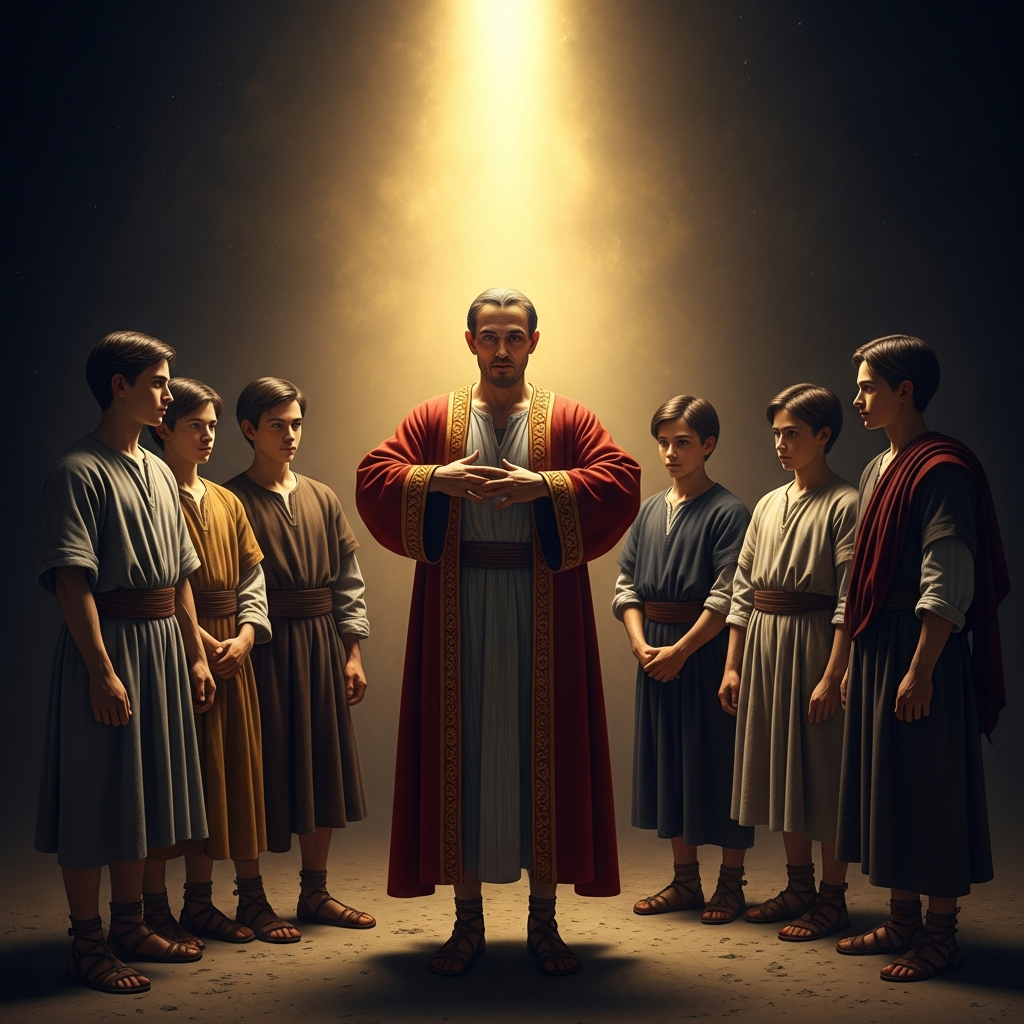
Ezekiel is a priest, a prophet, a man who has already seen the divine chariot blazing in from the north and almost didn’t survive the sight. He has preached siege and destruction to people who covered their ears. He has lain on his side for four hundred and thirty days as a living sign of Israel’s punishment. He is not a man who offers easy answers.
Lord God, you know.
It is the only honest reply. Not yes, because anyone can see these bones are beyond yes. Not no, because you do not say no to the God who just carried you here by the hand. You know is the answer of a man who has learned, at great cost, the difference between what he understands and what God has decided.
The command comes immediately: Prophesy to these bones.
He faces the valley and opens his mouth.
Dry bones, hear the word of the Lord.
He speaks to bones. He delivers a message to objects that cannot receive it, in a valley that has no audience. This is not theater. This is the act of faith itself — the willingness to speak the future into a present that shows no sign of it, to address what does not yet exist as if it already does. The prophetic act is not prediction. It is declaration. Ezekiel speaks and then the thing happens.
There is a noise.
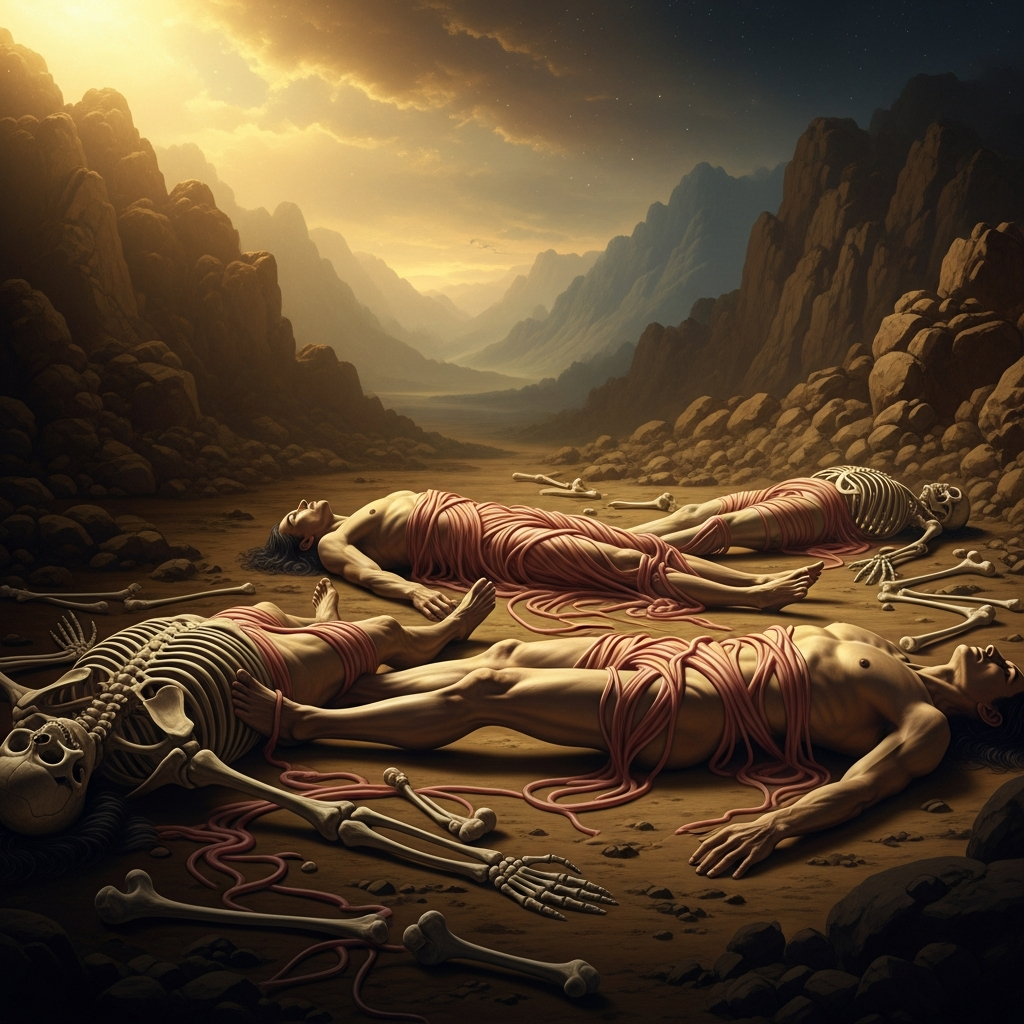
Ra’ash — earthquake, the shaking at the root of things. The bones begin to move. Across the entire valley, across thousands of scattered skeletons, the right bones find the right bones and draw together. Femur to hip. Vertebra to vertebra. The ribs close around the space where lungs will be. Ezekiel watches this happen and the text gives him no reaction, because there are no words adequate to watching a valley reassemble itself. Then the sinews come. Then the flesh rises over the frameworks of bone. Then skin covers everything, sealing it whole.
And then — silence.
The bodies are complete and they are dead. The army is there and it is not there. The physical frame of the people has been restored and the people themselves have not. There is something worse about this moment than the valley of dry bones: a body without breath is not a sleeping person, it is a demonstration of what is missing.
God tells him to prophesy again. This time not to bones but to the wind.
Come from the four winds, O breath, and breathe upon these slain, that they may live.
The Hebrew word is ruach. Wind, breath, spirit — one word in the language of the prophets, carrying all three meanings simultaneously, so that when you ask the ruach to come you are asking for wind and breath and spirit in a single syllable. Ezekiel calls out to the four directions and something answers from all of them at once.
The breath enters the bodies.
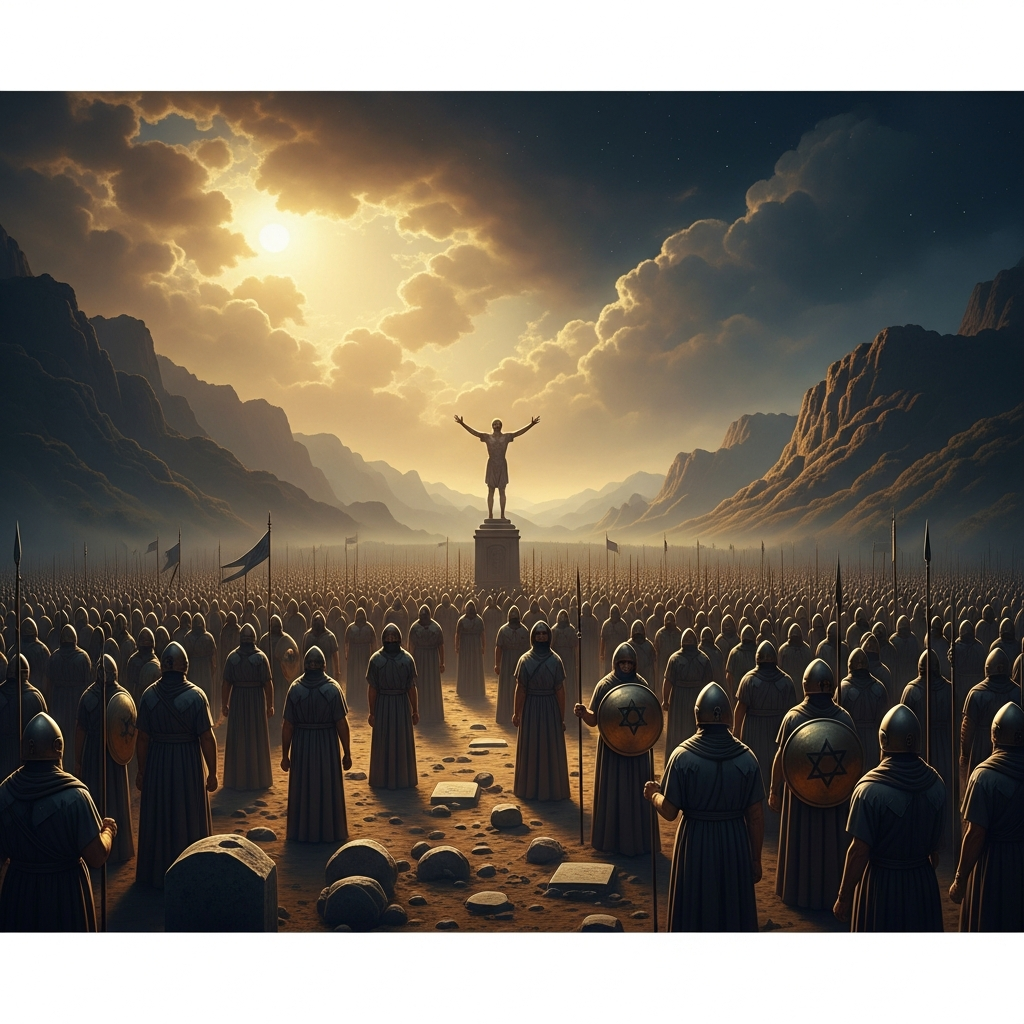
All of them, in the same moment. Not one by one but all at once, the whole vast army inhaling for the first time since Babylon swallowed them, and they stand up. Not gradually, not stumbling, not confused. They stand. An exceedingly great army — the text uses that phrase, exceedingly great, as if the narrator is overwhelmed by the arithmetic of it — and they are alive.
Then God explains.
These bones are the whole house of Israel. They say: our bones are dried, our hope is lost. Therefore prophesy and say: I will open your graves and bring you up out of your graves, O my people, and bring you to the land of Israel.
The vision is not, it turns out, about individual resurrection. It is about a people who have already experienced the one death they believed was permanent — the death of the nation, the death of the covenant, the fall of Jerusalem and the march to Babylon. The bones are not the bones of people who died. They are the people, still alive in exile, who have stopped believing that their story continues.
This is what God is answering. Not the physical question of death but the theological one: is Israel finished? Is the covenant broken beyond repair? Can a nation stripped of land and temple and king still be the house of Israel?
The bones rattle their answer across the valley floor.
Ezekiel carries the vision back to the exiles.
He has seen the bones live. He has stood in the valley and watched the breath enter. He does not know when. He does not know how. He knows the promise: I will put my spirit in you and you will live, and I will settle you on your own soil. He knows the one who made it. And he knows — because he is Ezekiel, because he has earned this knowledge at the cost of everything a prophet pays — that the gap between the promise and its fulfillment is not empty. It is where faith operates.
The valley is behind him. The valley is also still ahead. Both things are true at once, the way Hebrew holds them: the bones already live, and the bones are still dry, and the ruach is blowing in from all four directions whether we can feel it yet or not.
Every tradition that has ever stared into a catastrophe it believed was permanent has found its way to this valley. The bones are a different people each time. The question is always the same. So is the answer.
Scenes
The prophet stands in the center of the valley floor
Generating art… Bone seeks bone across the valley floor
 Generating art…
 The breath enters
 Generating art…
 Echoes Across Traditions
Entities
- Ezekiel
- YHWH
- Ruach
Sources
- Ezekiel 37:1-14 (Robert Alter trans., *The Hebrew Bible: The Prophets*, 2019)
- Walther Zimmerli, *Ezekiel 2: A Commentary* (Hermeneia, 1983)
- Jon D. Levenson, *Resurrection and the Restoration of Israel* (2006)
- Daniel I. Block, *The Book of Ezekiel: Chapters 25-48* (NICOT, 1998)