Gregory Palamas and the Uncreated Light
Mount Athos and Constantinople · 1338-1351 CE · Mount Athos (the Holy Mountain) and the imperial councils of Constantinople
Contents
On Mount Athos, monks repeating a single sentence claim to see the light that shone on Tabor. A Calabrian philosopher calls it madness. Gregory Palamas defends them — and reshapes Orthodox theology forever.
- When
- Mount Athos and Constantinople · 1338-1351 CE
- Where
- Mount Athos (the Holy Mountain) and the imperial councils of Constantinople
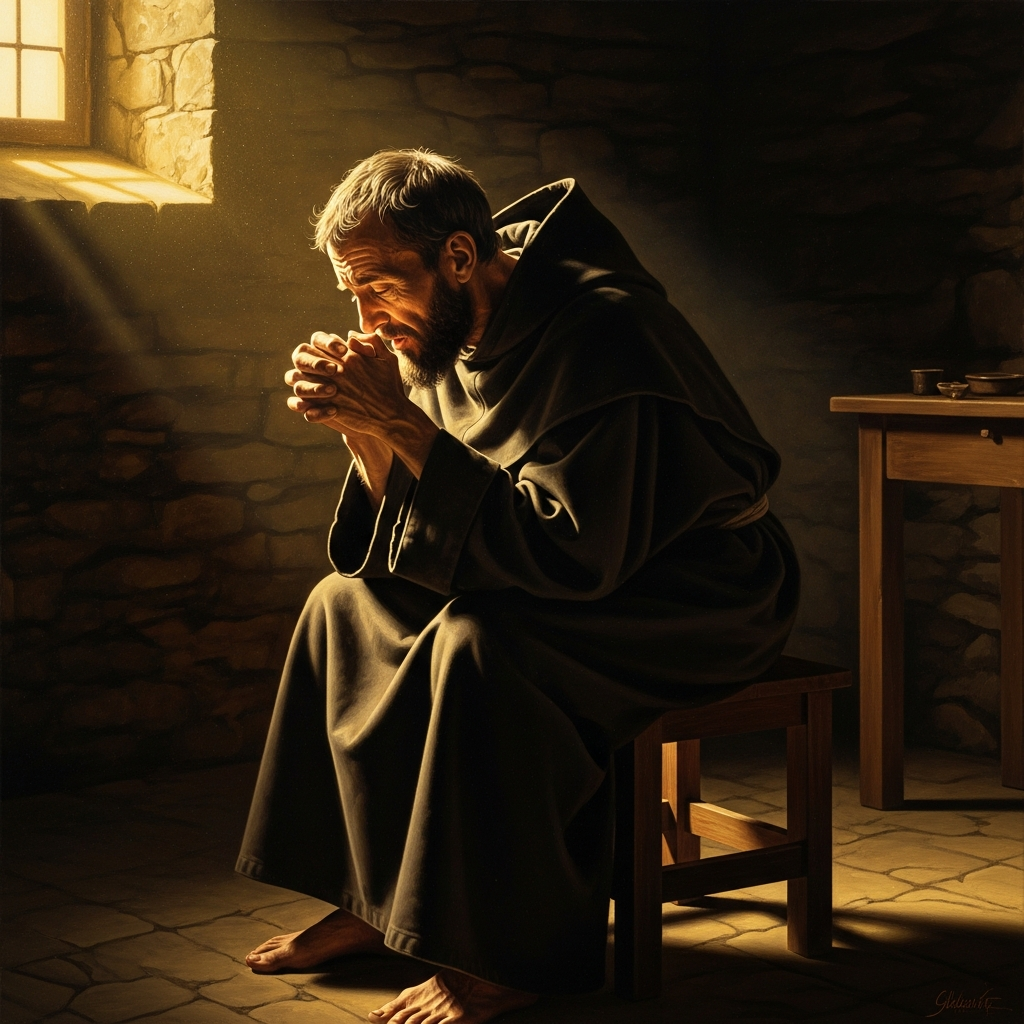
The monk sits on a low stool in his cell on Mount Athos. The window is shuttered against the wind off the Aegean. His chin is tucked against his chest, his eyes turned inward toward the place beneath the breastbone the Fathers call the heart. He breathes in. Lord Jesus Christ. He breathes out. Son of God, have mercy on me, a sinner. He has been doing this for forty years.
He is not waiting for anything. That is the discipline. To wait is already to want, and to want is already to grasp, and to grasp is to lose the thing entirely. He simply repeats the words, and lets them sink lower, and lower, until they are no longer words but a quality of his own pulse.
Tonight, behind his closed eyes, the cell begins to brighten.
In Thessaloniki, Barlaam of Calabria is writing a treatise. He has visited Athos. He has watched the monks press their chins to their chests and breathe. He has heard them claim — and this is what offends him — that they see, with their bodily eyes, the same uncreated light that shone from Christ on Mount Tabor.
Barlaam is a philosopher. He has read his Aristotle and his Pseudo-Dionysius. He knows what God is: utterly transcendent, unknowable in essence, accessible only by the via negativa. To claim to see God’s light is to confuse the creature with the Creator. It is, he writes, the disease of “navel-gazers” — omphalopsychoi — men who have mistaken their own digestion for divinity.
He sends the treatise to Constantinople. He expects applause. He gets a response from Mount Athos instead.
Gregory Palamas is fifty years old. He was born in the imperial palace; he could have been a courtier. He chose the Holy Mountain instead, and has lived there long enough to know what the monks are not claiming.
He writes back in three volumes. The Triads.
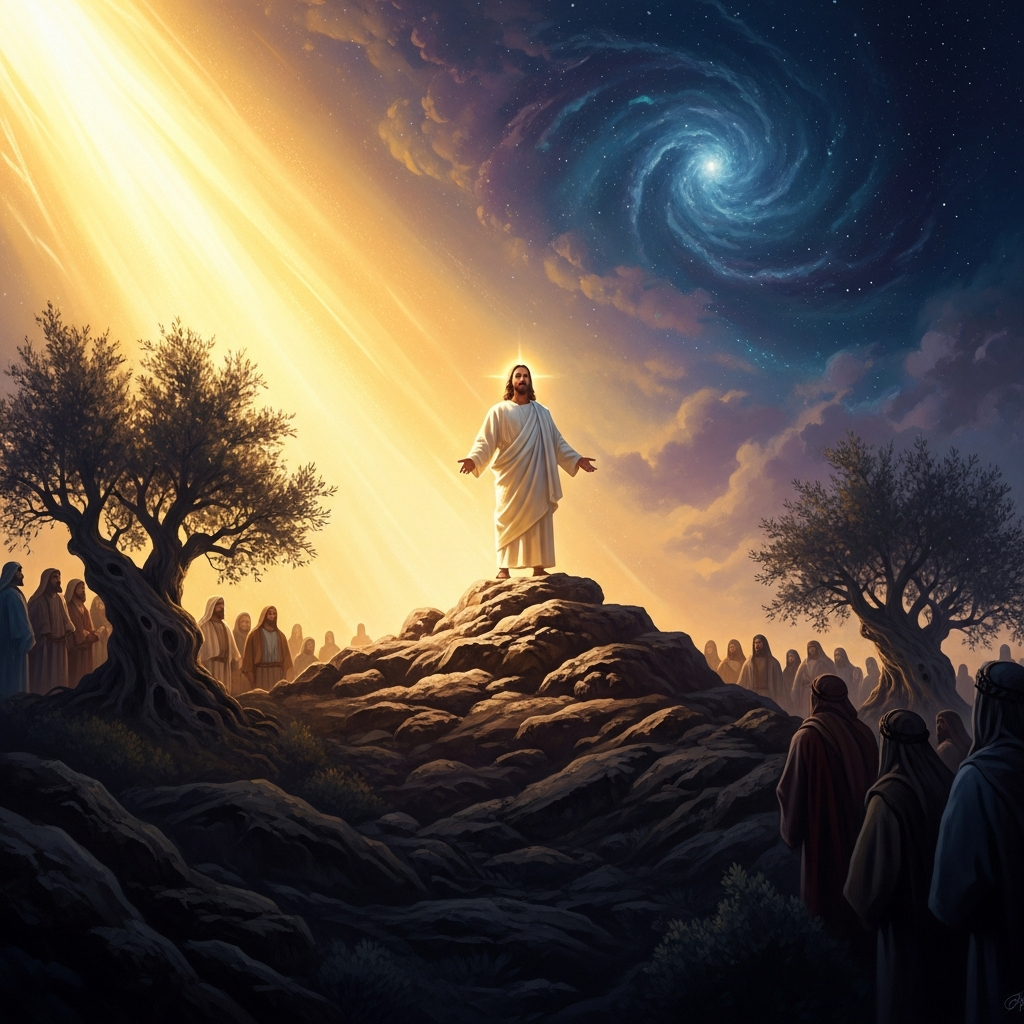
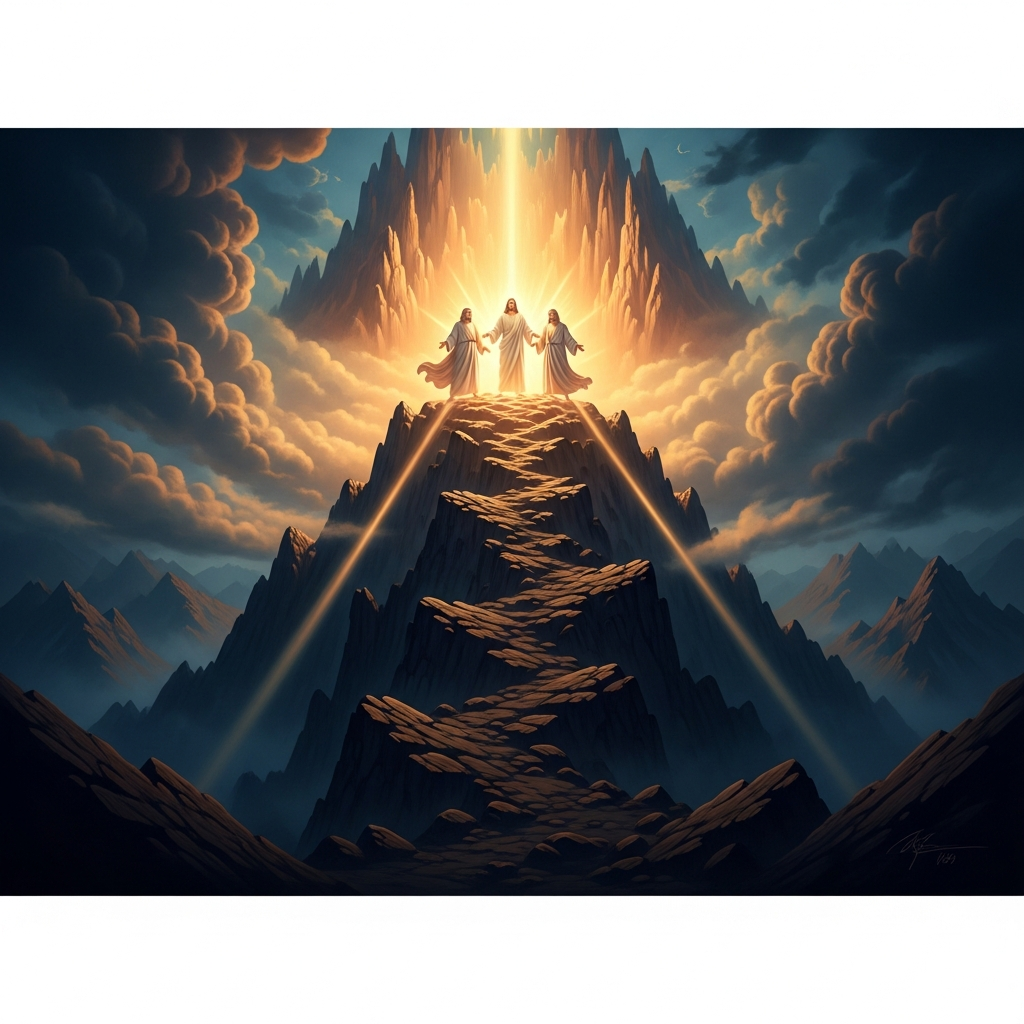
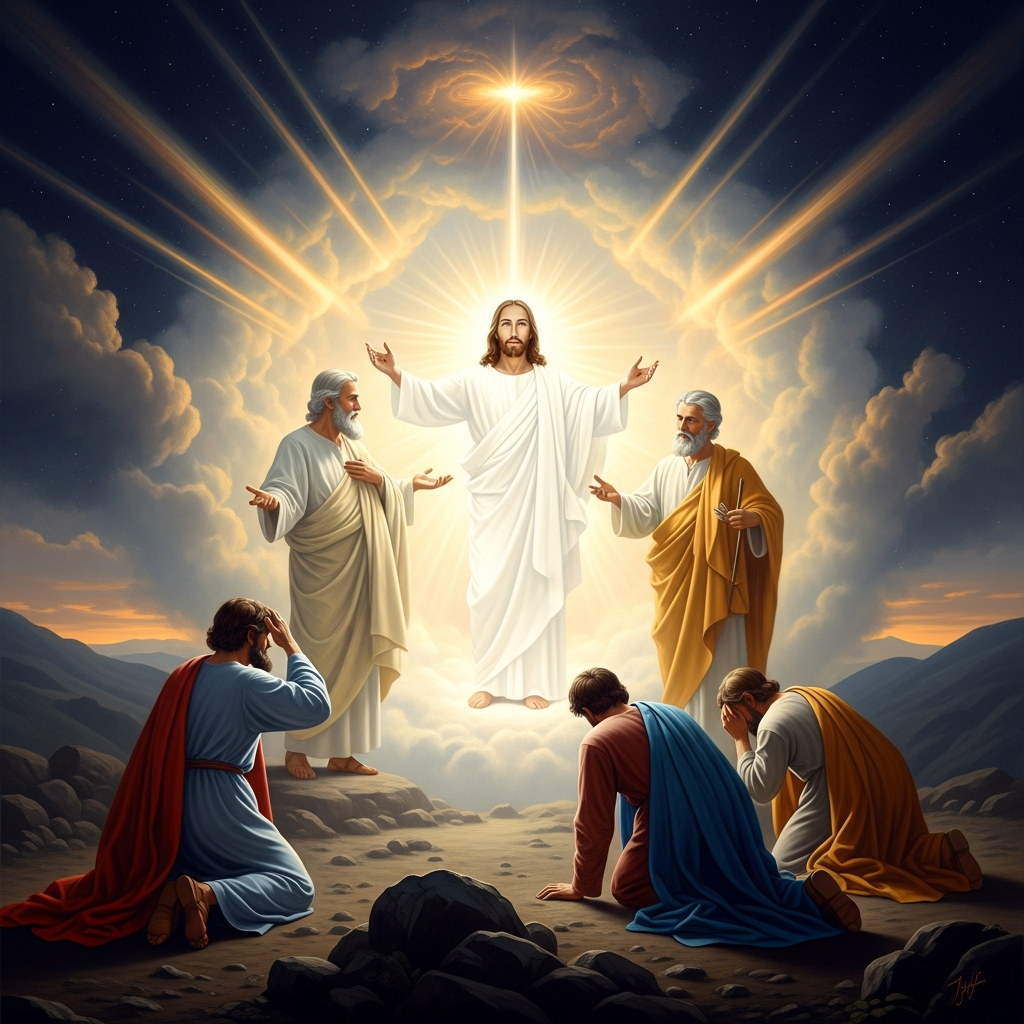
The argument is precise. Yes, God’s essence is unknowable — Barlaam is right about that. But God is not only essence. God acts. God shines. God communicates Himself in energies — uncreated, eternal, fully divine, yet distinct from the unapproachable essence. The light on Tabor was such an energy. The monks who see it are not seeing God’s nature; they are participating in God’s life. The distinction holds the entire tradition together.
Without it, theosis is a metaphor. With it, deification is real.
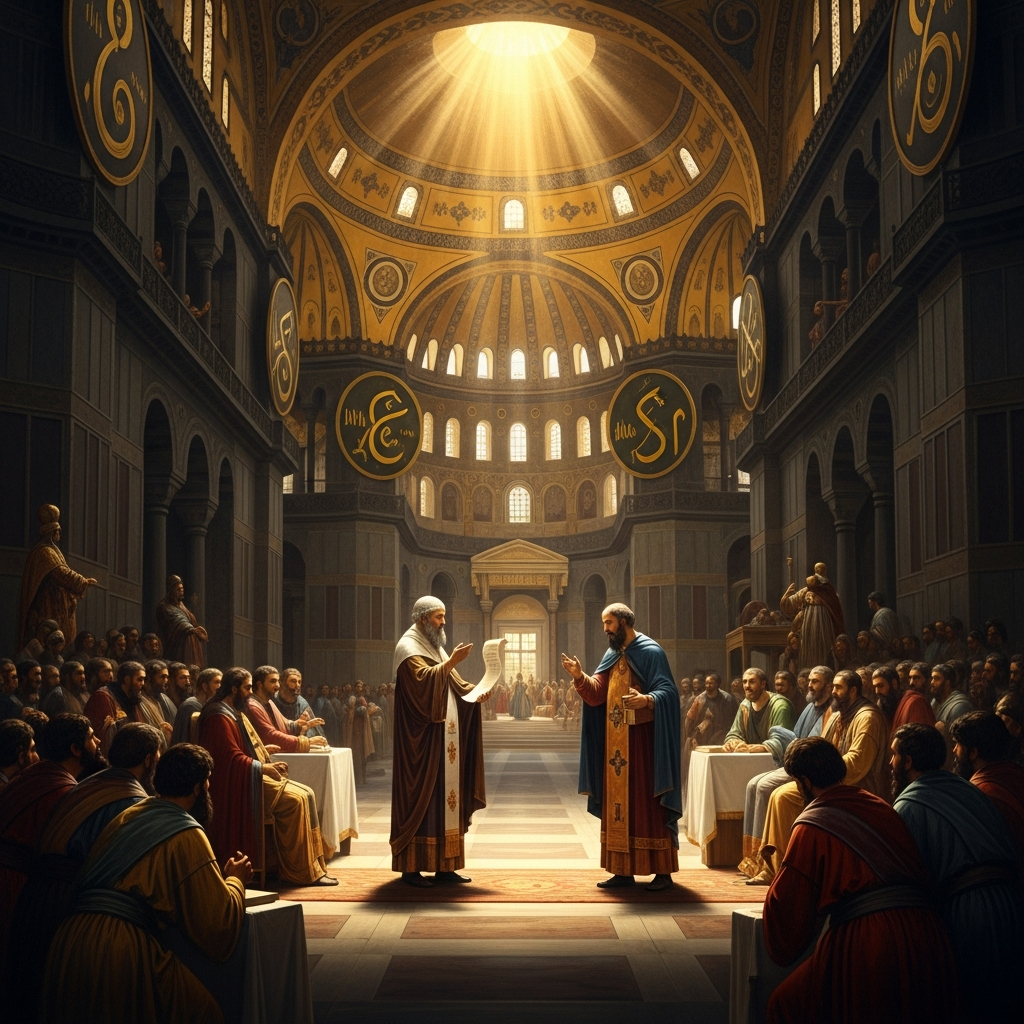
The synod meets in Constantinople in 1341. Then again in 1347. Then again, definitively, in 1351 — the council that produces the Synodal Tome.
Palamas stands in the chamber beneath the mosaics. Barlaam, by then, has fled to Italy and converted to Latin Catholicism. The case is presented by his successors — Akindynos, Gregoras — but the argument has not changed. They call Palamas a polytheist. They say his “energies” smuggle a second God into the godhead.
Palamas answers as he has answered for thirteen years. The energies are not a second God. They are the one God given. The sun’s essence remains in the sun; the sun’s light reaches my face. I am warmed by the sun. I do not become the sun. But the warmth on my face is really the sun’s warmth, not a created substitute.
The synod votes. The Tome is signed. Palamas is vindicated. The Hesychasts are vindicated. The Jesus Prayer is canonized as the heart of Orthodox spiritual practice.
He returns to his diocese — they have made him Archbishop of Thessaloniki by now — and resumes the prayer. Lord Jesus Christ, Son of God, have mercy on me, a sinner. He says it on the road. He says it in the liturgy. He says it as he dies, in 1359, with the words on his lips that he had spent his life defending.
Nine years later, the Church canonizes him. The second Sunday of Lent in every Orthodox parish, every year since, is the Sunday of Saint Gregory Palamas. The faithful sing the troparion. They light a candle. They go home and, some of them, sit on a low stool, tuck their chins to their chests, and begin to breathe.
Palamas’s claim is the boldest in Christian theology: that a human being, while remaining a creature, can really and truly participate in the uncreated life of God. Not allegorically. Not eschatologically only. Now. In this body. By this prayer.
The Western Church never received the Tome. The essence/energies distinction is one of the deepest fault lines between Rome and Byzantium, more consequential, in the long run, than the filioque or the date of Easter.
The monks of Athos still keep the prayer. They keep it in cells the size of Palamas’s cell, on stools the height of his stool, with breath the rhythm of his breath. Whatever else has changed in seven hundred years, that has not.
Scenes
Mount Athos, ~1340 — a Hesychast monk in his cell, head bowed to his chest, lips moving over the Jesus Prayer; faint golden light beginning to outline his hands
 Generating art…
 Constantinople, 1341 — Gregory Palamas standing before the synod, scroll in hand, Barlaam of Calabria opposite him, the Hagia Sophia's mosaics overhead
 Generating art…
 Mount Tabor, transfigured — Christ in white blazing light, Peter and James and John shielding their eyes, the uncreated energies pouring through the cloud
 Generating art…
 Echoes Across Traditions
Entities
- Gregory Palamas
- Barlaam of Calabria
- the Hesychast monks
- Christ Transfigured
Sources
- Gregory Palamas, *The Triads in Defense of the Holy Hesychasts* (1338-41)
- John Meyendorff, *St. Gregory Palamas and Orthodox Spirituality* (1974)
- Vladimir Lossky, *The Mystical Theology of the Eastern Church* (1944)
- Timothy Ware, *The Orthodox Church* (1964)
- The Synodal Tome of 1351 (Constantinople Council)