John of the Ladder
Mount Sinai · ~579-649 CE · St. Catherine's Monastery at the foot of Mount Sinai, Egyptian Sinai Peninsula (then Byzantine territory)
Contents
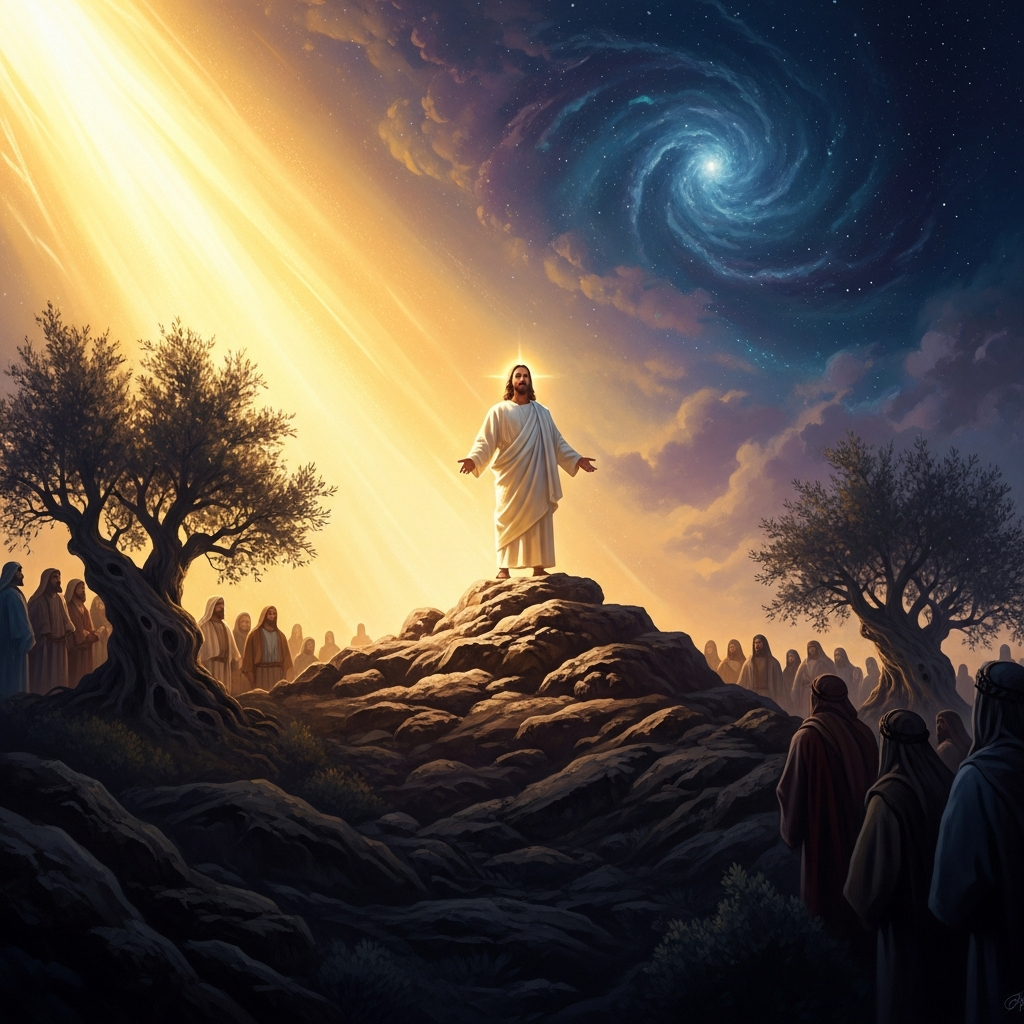
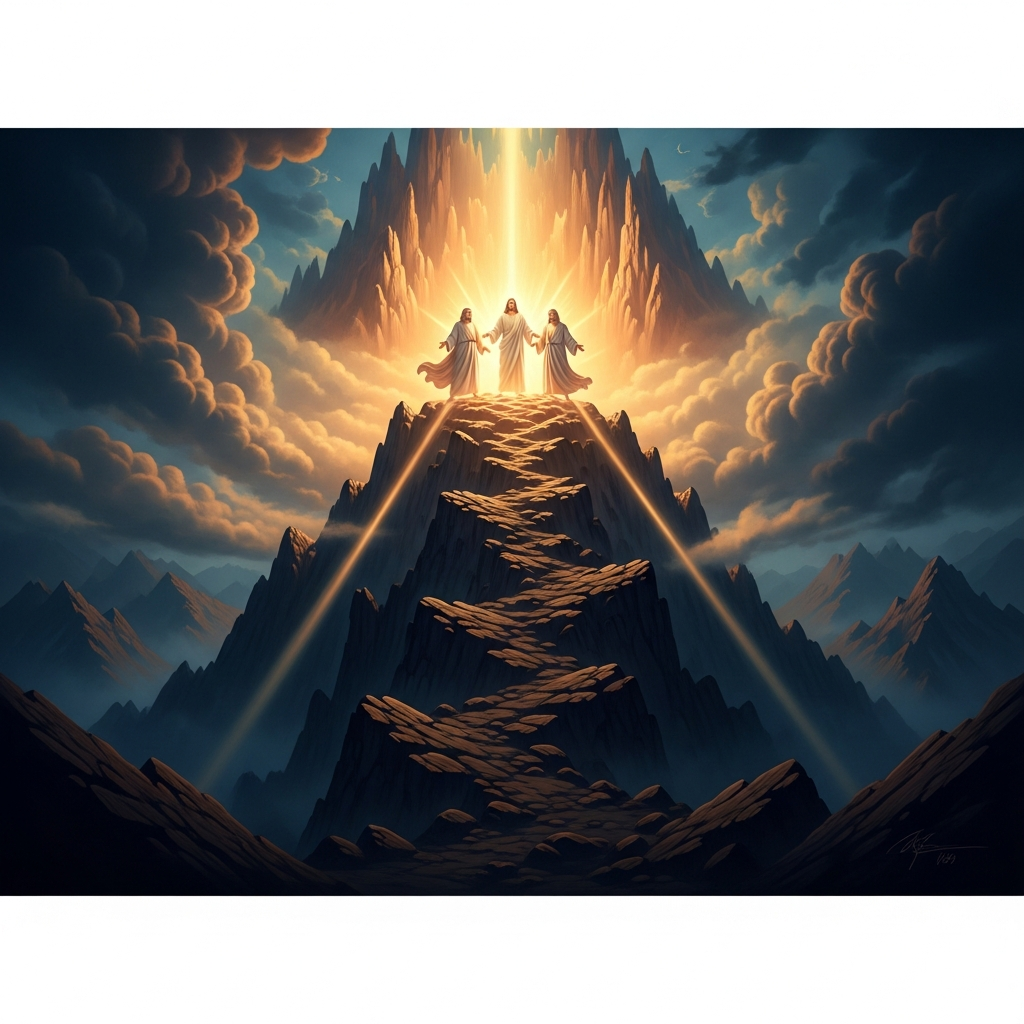
On Mount Sinai, beneath the same peak Moses climbed, an abbot named John writes thirty chapters describing thirty rungs from renunciation to perfect love. The icon shows monks climbing while demons drag them down. The book has been read every Lent for fourteen hundred years.
- When
- Mount Sinai · ~579-649 CE
- Where
- St. Catherine's Monastery at the foot of Mount Sinai, Egyptian Sinai Peninsula (then Byzantine territory)
The mountain rises behind him.
It is the same mountain. There is no other mountain in this story. Moses climbed it; Elijah hid in its caves; the bush that did not burn is still growing in a courtyard ten minutes’ walk down the slope. John has lived here for forty years. He came at sixteen. He is now in his seventies. He is the abbot.
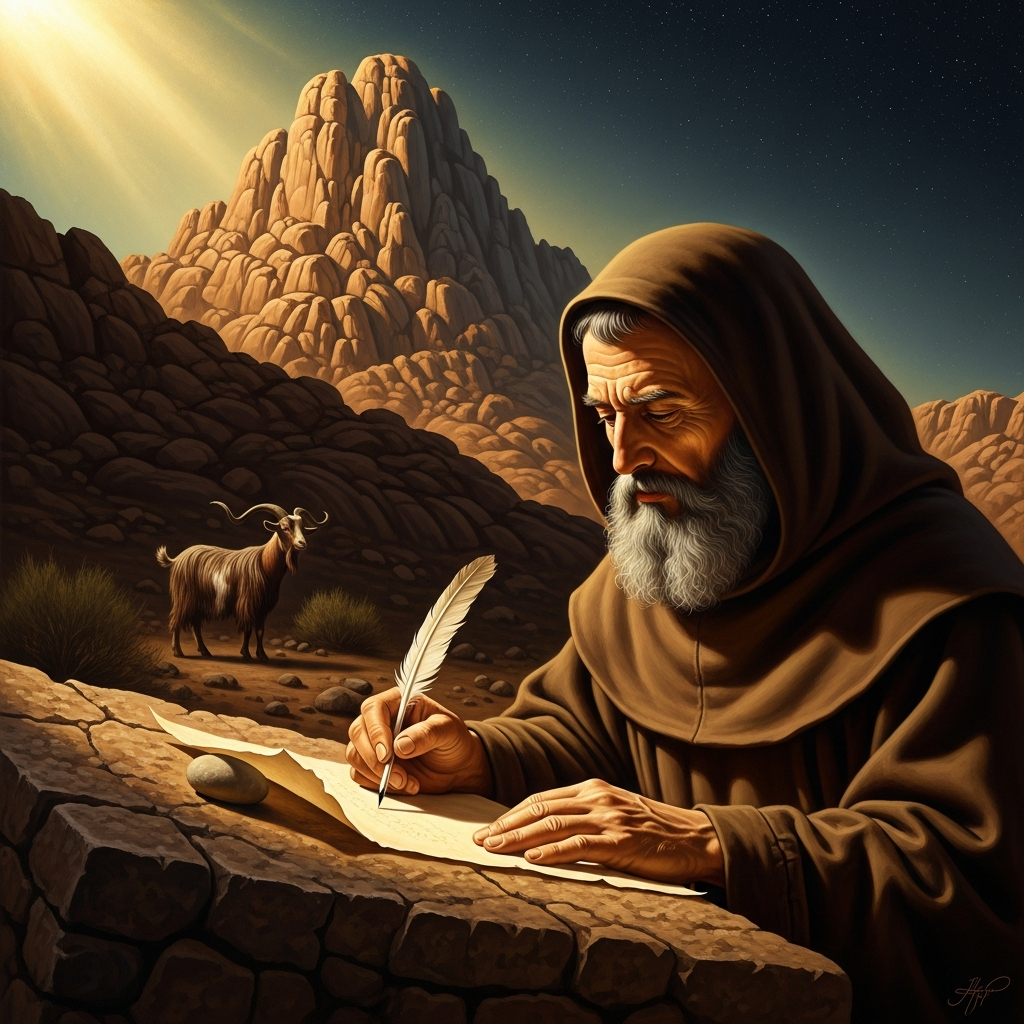
His cell is a hollow in the granite. Outside it, on a flat stone he uses as a writing slope, he has laid a fresh sheet of parchment. The morning sun has not yet cleared the eastern ridge. The wind off the wadi smells of juniper and goat. He sharpens a reed pen.
A delegation of monks from Raithu, on the Red Sea coast, has written to him. Their abbot, also named John, has asked for a manual. Send us a rule, the letter says, that we may climb.
John dips the reed. He thinks of the ladder Jacob saw at Bethel. He writes: Step One. On Renunciation of the World.
He builds it carefully. Thirty rungs, because Christ was thirty when he began to teach. Each rung a chapter. Each chapter a short essay, scattered with sentences sharp enough to bleed.
A Christian is one who imitates Christ in thought, word, and deed, as far as is possible for human beings, and who believes rightly and blamelessly in the Holy Trinity.
That is rung one’s definition. He does not soften it.
He moves up. Detachment. Exile. Obedience. Repentance. Remembrance of death — let the remembrance of death sleep and rise with you. Mourning. Anger and meekness. Malice. Slander. Talkativeness and silence. Lying. Despondency.
He has names for each demon. He learned them from the older monks who learned them from Evagrius who learned them from the desert fathers who learned them from Antony, who learned them, the tradition says, by being thrown bodily across his cell every night for twenty years.
John knows the demons by their footprints. The book is partly a field guide.
He spends a long chapter on the eighteenth rung: On insensibility, that is, deadening of the soul and the death of the mind before the death of the body.
This is the worst, he thinks. Worse than lust, worse than anger, worse than pride. The man who feels nothing while reciting the psalms; the monk who weeps at a friend’s funeral but cannot weep at his own sins; the abbot who teaches contrition and has forgotten what it tastes like — this man, John writes, prays with his lips while his heart asks what is for breakfast.
He has been this man. He admits it on the page. The honesty is what makes monks in Russia and Romania and Greece, fourteen centuries later, recognize him.
The middle rungs are battle. The high rungs are something else.
By rung twenty-seven — On Stillness — the soldier metaphors begin to drop away. He writes about hesychia: the quiet that is not absence of sound but presence of attention. He writes about prayer that no longer needs words. He writes about a heart that has learned, finally, to stay where the body is.
Rung twenty-eight: prayer. Rung twenty-nine: apatheia — not apathy, the English false friend, but the dispassion of a man so unhooked from his own reactions that he can love an enemy without flinching.
Rung thirty is love.
He almost will not write the chapter. Who am I, he says, to speak of love? He writes it anyway. It is short. It quotes Paul. It says love is greater than faith and hope because, in the world to come, faith will be sight and hope will be possession, but love will only deepen.
He puts down the reed. The book is finished.
The icon comes later — much later, painted at Sinai itself in the twelfth century, hanging now in the monastery gallery where pilgrims still photograph it.
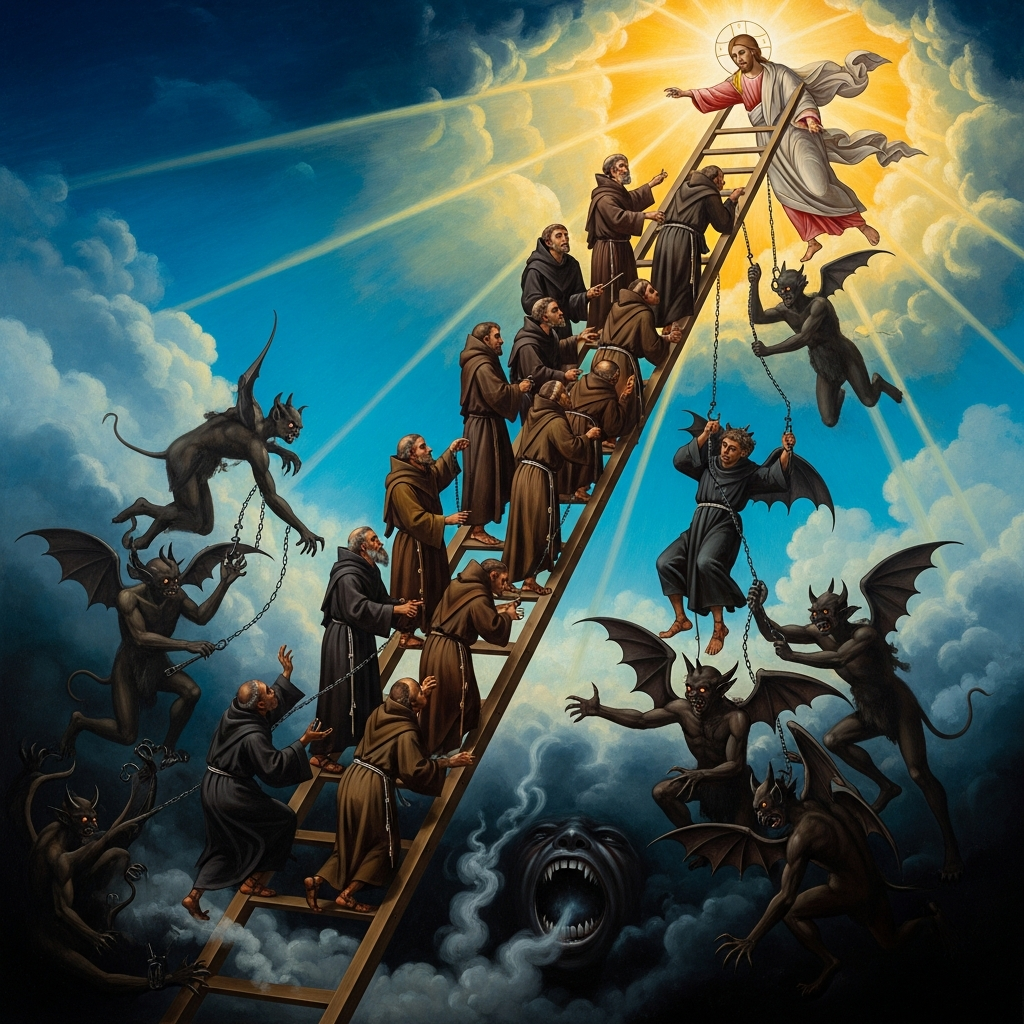
It shows the ladder going up the right side of the panel, against a sky of lapis blue. Thirty wooden rungs. Thirty monks climbing. Christ at the top, leaning out of the heavens, hand extended toward the topmost climber.
Demons crowd the air around the ladder. They are black, winged, armed with grappling hooks and small ropes. They reach for the monks. Some monks are pulled off entirely — you can see one, halfway up, falling head-first toward the cave at the bottom that opens into a darkness no painter has ever made darker. Other monks are still climbing, eyes fixed up.
The icon does not say the high rungs are safe. The icon says exactly the opposite. The higher you climb, the more elaborate the demon, and the longer the fall.
John dies in his cell around 649. The brothers find his copy of his own book on the ledge above his pillow, the margins thick with corrections he was still making.
The monastery copies it. Other monasteries copy the copies. By the eighth century it is in every Greek-speaking house in the empire. By the eleventh it is in Slavonic. By the fourteenth — Palamas’s century — it is the standard Lenten reading from Athos to Kiev.
The Russians take to it the way they take to Seraphim seven hundred years later. Dostoevsky’s Father Zosima reads it. The startsy of Optina read it aloud to their disciples. The Way of a Pilgrim quotes it. Every Greek bishop is expected to have memorized half of it before consecration.
The fourth Sunday of Lent, in every Orthodox parish on earth, is still called the Sunday of John of the Ladder. The faithful sing the troparion. The priest reads a sentence from rung six or rung twelve. The monks at Sinai, beneath the same mountain, read the whole thing again.
The book has lasted because it lies about nothing. It does not promise that the climb is easy. It does not promise it is fast. It does not promise that everyone who starts will finish. It promises only that there is a ladder, and that Christ is at the top of it, and that the rungs are real.
Jacob saw the ladder once, in a dream, with his head on a stone at Bethel. John’s contribution is the patient claim that the dream is also a manual. You can climb it. You can fall. You can climb again. The rungs do not move.
Mount Sinai is still standing. The Burning Bush is still growing. The book is still being read aloud, every Lent, in the language John wrote it in, by men who sleep in cells the size of his cell.
That is a long time for a ladder to hold weight.
Scenes
Mount Sinai, ~600 — John Climacus at a stone writing slope outside his cell, the granite peak of Sinai rising behind him, parchment held flat by a pebble, a single Bedouin goat in the middle distance
 Generating art…
 The icon of the Ladder of Divine Ascent — thirty monks climbing a wooden ladder against blue sky, demons with grappling hooks pulling some down toward a black mouth, Christ at the top reaching out
 Generating art…
 St
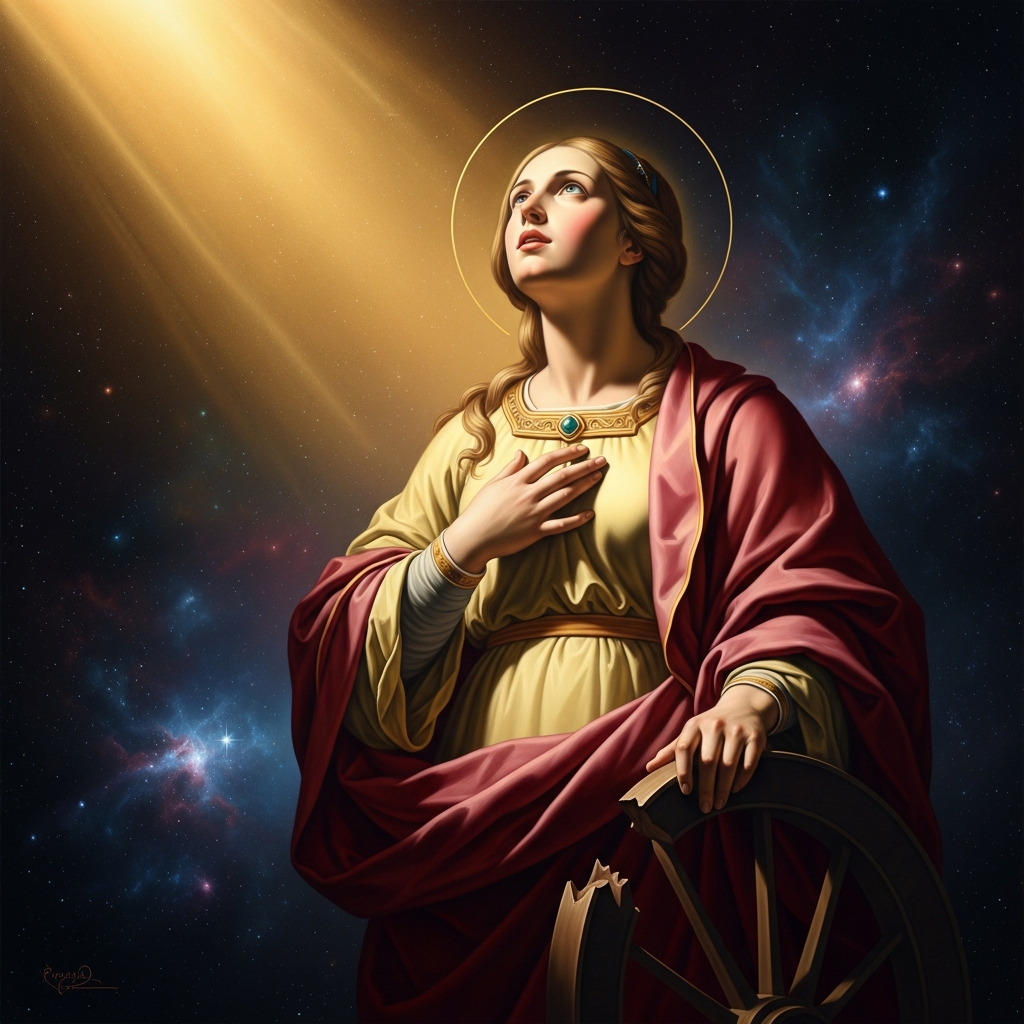 Generating art…
 Echoes Across Traditions
Entities
- John Climacus
- Anastasius the abbot (his predecessor)
- the demons of the eight thoughts
- Christ at the ladder's top
Sources
- John Climacus, *The Ladder of Divine Ascent*, trans. Lazarus Moore (1959)
- John Climacus, *The Ladder of Divine Ascent*, trans. Colm Luibheid & Norman Russell (Paulist Press, 1982)
- Kallistos Ware, Introduction to the Luibheid translation
- Derwas Chitty, *The Desert a City* (1966)
- Vladimir Lossky, *The Mystical Theology of the Eastern Church* (1944)