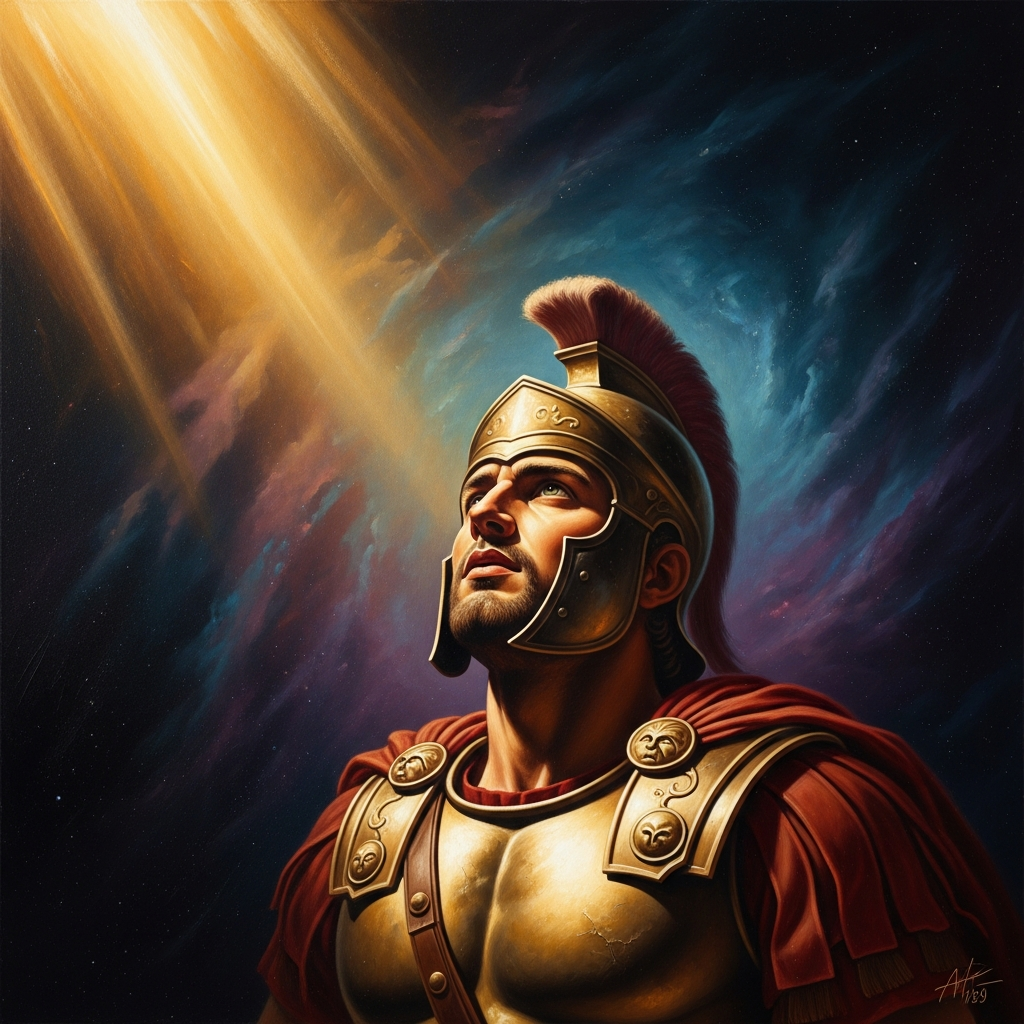
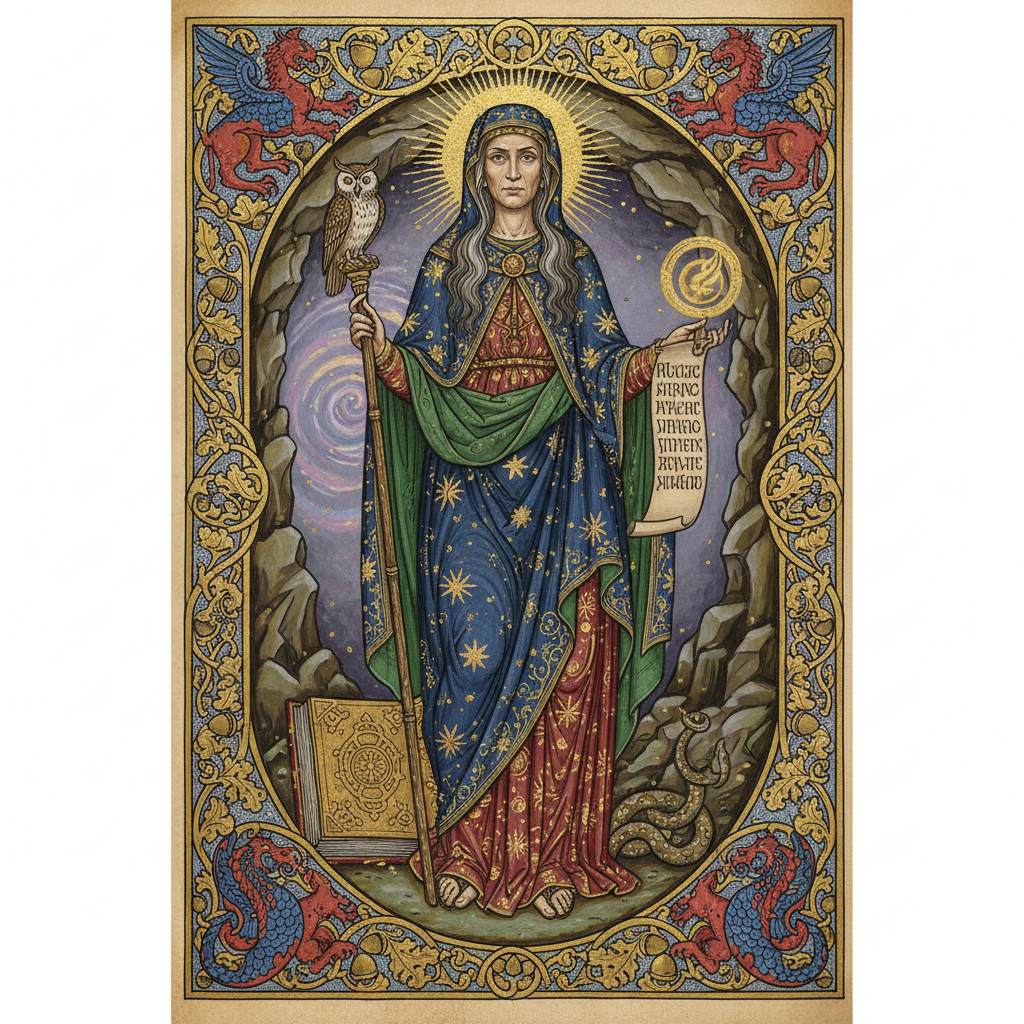
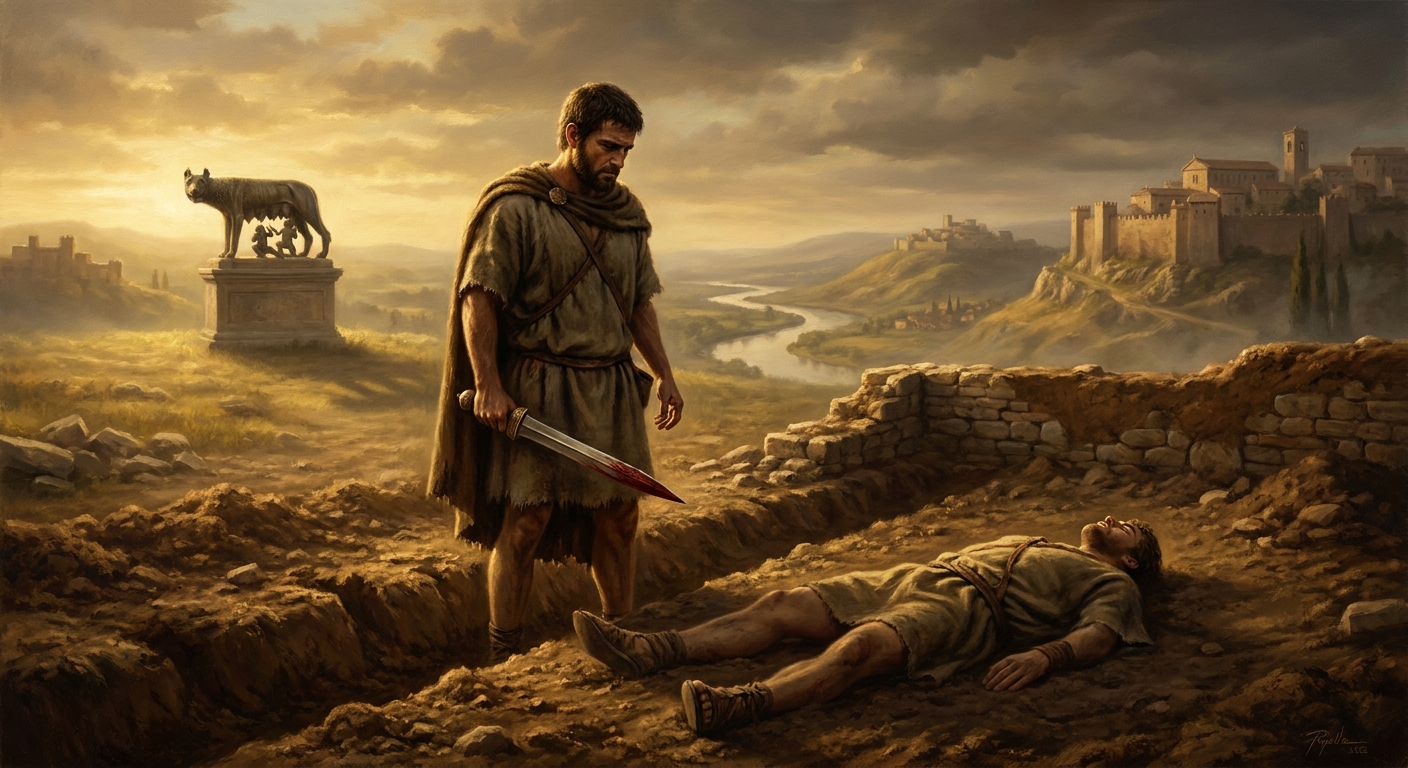
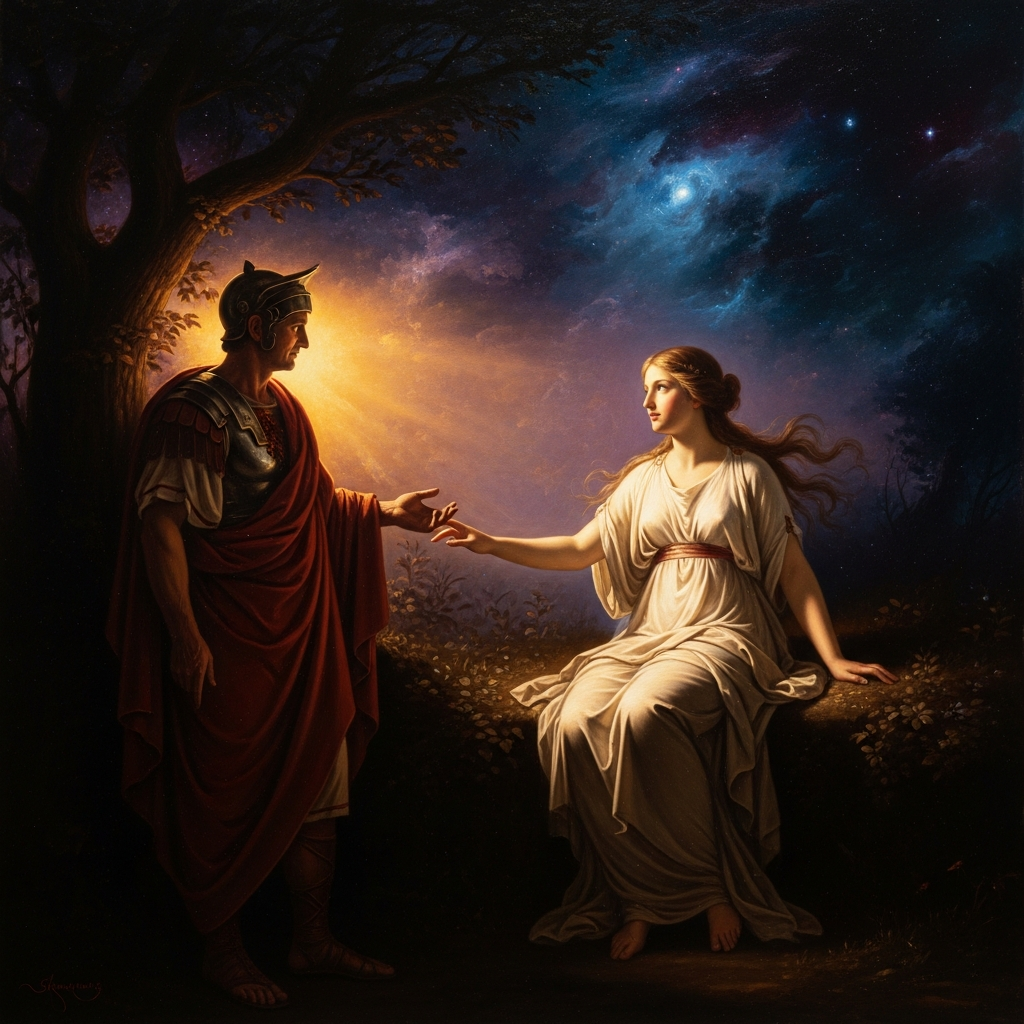
Ovid in Tomis
8 CE · Rome, then Tomis (modern Constanta, Romania) on the Black Sea
Contents
In 8 CE, Emperor Augustus banishes Ovid — Rome's most beloved living poet — to Tomis on the Black Sea, the edge of the known world, for a poem written a decade earlier and a mistake he refuses to name. He spends nine years writing letters to emperors who never answer. He reads his own book about transformation and finds it has transformed him into something he did not choose to be.
- When
- 8 CE
- Where
- Rome, then Tomis (modern Constanta, Romania) on the Black Sea
The news of Augustus’s death arrives in Tomis on a ship from the west, in a pouch of official correspondence addressed to the local magistrates.
Ovid is not a magistrate. He is a poet in exile, which means he is a man with no official standing in a town at the edge of the world, which means he hears the news the way he hears everything in Tomis — late, secondhand, standing in someone else’s threshold while the wind off the Black Sea makes it difficult to hear. He is sixty-one years old. He has been here for nine years.
He goes home and sits down to write to Tiberius.
He has been writing to emperors for nine years, and it has not worked.
The letters he sent Augustus — the Tristia, the Epistulae ex Ponto — are the most formally accomplished set of begging letters in Western literature. He knows this. He knew it while writing them. There is something specifically awful about being a great poet in exile: you are good enough to see exactly what you are doing, which is writing poetry that functions as supplication, and you are proud enough to resent this, and desperate enough to keep doing it anyway, and talented enough that the resentment and the desperation and the pride all end up in the poems themselves, making them more interesting than they would be if they were only begging letters, which does not help with the begging.
Augustus never answered.
Ovid picks up the scroll of the Metamorphoses instead.
He wrote it before the exile, in the years of his maximum literary confidence — the man who had written the Amores and the Ars Amatoria and the Heroides, who had turned Latin elegy into something sleek and knowing and urbane, who wrote about love with the tone of a man who finds it both irresistible and slightly ridiculous. The Metamorphoses was the long poem, the epic attempt, the thing that would last. He finished it in 8 CE. In 8 CE, Augustus exiled him.
He finds the story of Io in the first book.
Io is a young woman, a priestess of Juno, whom Jupiter desires. He covers the earth with a cloud to hide what he is doing, which does not fool Juno, who knows what earth-covering clouds mean and comes down immediately to investigate. Jupiter, caught, transforms Io into a white cow.
Juno knows the cow is Io. She asks for the cow as a gift. Jupiter, who cannot refuse without admitting what he has done, gives her the cow. Juno puts the cow under the guard of Argus, the hundred-eyed guardian who never fully sleeps — some eyes always open, the rest resting in shifts. Ovid describes Argus watching the cow: attentive, implacable, with no possibility of inattention because he has one hundred eyes and rotates them through sleep in pairs.
Jupiter sends Mercury to kill Argus, which Mercury accomplishes by playing music until all one hundred eyes finally close. Argus dies. Juno, furious, sends a gadfly to torment Io. The cow wanders the world stung by the gadfly, unable to stop moving, unable to explain herself because she has no human voice, because she is a cow.
Ovid writes the scene in which Io finds her father Inachus at the river where she used to play as a child. She wants to tell him who she is. She has no words. She tries. She opens her mouth and what comes out is moo. She looks at her own reflection in the water and sees a cow. She lifts her hoof and scratches her name in the sand — IO — two letters, the shortest possible claim to identity.
Her father reads it. He recognizes his daughter in the cow.
Ovid puts the scroll down.
He is a poet in Tomis who has been writing letters for nine years that no one answers. He is a man who cannot say his own name in Rome because his name in Rome now means exile, means the mistake, means the poem about seduction that offended the emperor, means whatever the unnamed error was that he will not name even to save himself. He is, by his own reckoning in the Tristia, a man who has been turned into something that is not quite himself — something raw and wind-scoured and inarticulate in comparison to what he was.
He writes in the Tristia: Believe me, I scarcely recognize myself. I was something else. What I am now the frost has made of me, and the distance, and the absence of the things that made me what I was. The Roman wit, the perfect couplet, the ease — gone or going. What remains is the need to write, which is also the need to say his own name in the sand. IO. I am here. I existed. I existed as someone.
The exile was for a poem and a mistake.
He says this repeatedly and will say nothing more specific. The poem is the Ars Amatoria — a witty, instructional work on the arts of seduction, published ten years before the exile. Augustus’s morality legislation, the laws that tried to restore traditional Roman virtue and penalize adultery, found the Ars Amatoria offensive. This is the poem. The poem is the official reason.
The mistake — error, he calls it, not scelus, not a crime — he refuses to specify. He says it involved his eyes rather than his hands. He says it was foolishness rather than wickedness. He says that what he saw, he should not have seen, and that this was enough. The speculation is ancient and still unresolved: a role in the adultery of Augustus’s granddaughter Julia, who was exiled the same year? Ovid’s presence at some scene that implicated the imperial family? Knowledge of something? He will not say. He takes the secret to Tomis and does not give it up.
This privacy, this single refusal in nine years of supplication, is the most interesting thing about him. He will beg. He will flatter. He will describe his misery in meticulous detail and ask for mercy in every tone available to Latin verse. He will not name the mistake. Something in him holds this back as the last private thing, the one piece of himself that belongs to him and not to the emperor who broke him.
He finds the end of Io’s story in the first book.
Jupiter finally persuades Juno to release Io from the curse. The gadfly stops. The cow finds the banks of the Nile and presses her face into the water and looks up at Jupiter with eyes that still hold the human woman she is. Jupiter swears on the Styx — the unbreakable oath — that he will never touch Io again. Juno is satisfied. The transformation reverses. The cow’s white hide sheds, or rather it does not shed but absorbs back into the woman who was always inside it, and Io stands on the Nile bank, human, returned.
She is afraid to speak at first. She tries carefully, as though the words might come out wrong. They do not come out wrong. She has her voice back. She has her name back.
Ovid reads this and puts the scroll down and picks up his stylus and starts the letter to Tiberius.
He will write to Tiberius for three more years. Tiberius will not answer either. Ovid will die in Tomis in 17 CE, having never returned to Rome, having spent the last decade of his life producing a body of exile poetry that will change what European literature understands about the relationship between autobiography, power, and punishment.
The Metamorphoses — the book he wrote before the exile, the book about all things changing into all other things, humans into animals into plants into stars — will become the most widely read Latin text of the Middle Ages. The Church will allegorize it, the scholastics will annotate it, Shakespeare will steal from it, Botticelli will paint it, Bernini will sculpt it. It will outlast everything Augustus built except the months of the year.
Io will stand at the Nile and scratch her name in the sand for as long as anyone reads Latin.
The last poem in the Tristia ends mid-sentence. The scroll breaks off. Either Ovid stopped writing or the manuscript was damaged in transmission, and no one has ever been sure which. The last word before the gap is nec — and not, not yet, not even.
In the Metamorphoses he wrote, before all of this: whatever I am, I will be read. He was right. He did not know how right he was. He thought he was writing a poem. He was writing his own transformation: the Ovid who went into exile is not the Ovid who writes from it, and the Ovid who writes from it is not the Ovid the Metamorphoses would make of him once the world had time to read it properly.
He scratched his name in every page. IO. He was here. He was something.
Scenes
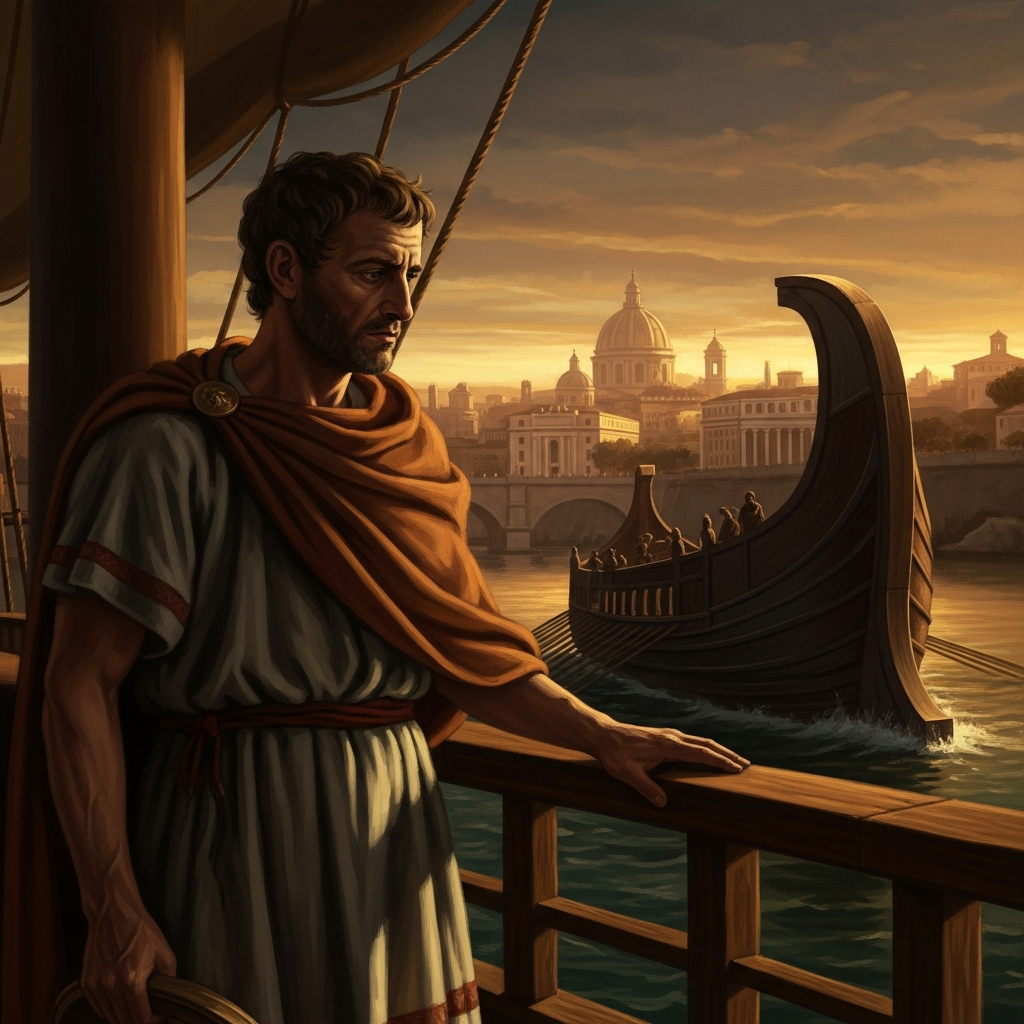
Ovid at the rail of the ship leaving Rome, watching the city disappear behind the Tiber mouth
 Generating art…
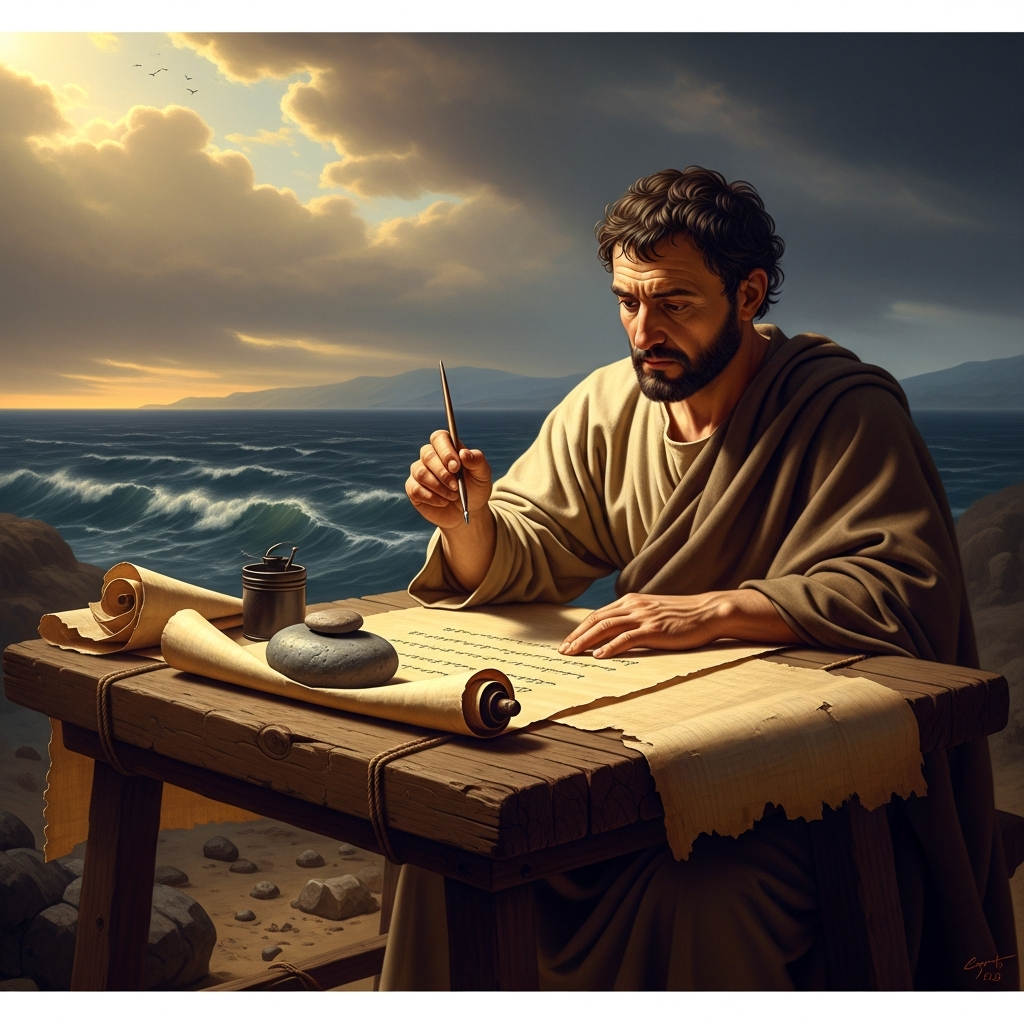
 Ovid at a rough table in Tomis in winter, stylus in hand, papyrus weighed down by a stone against the Black Sea wind
 Generating art…
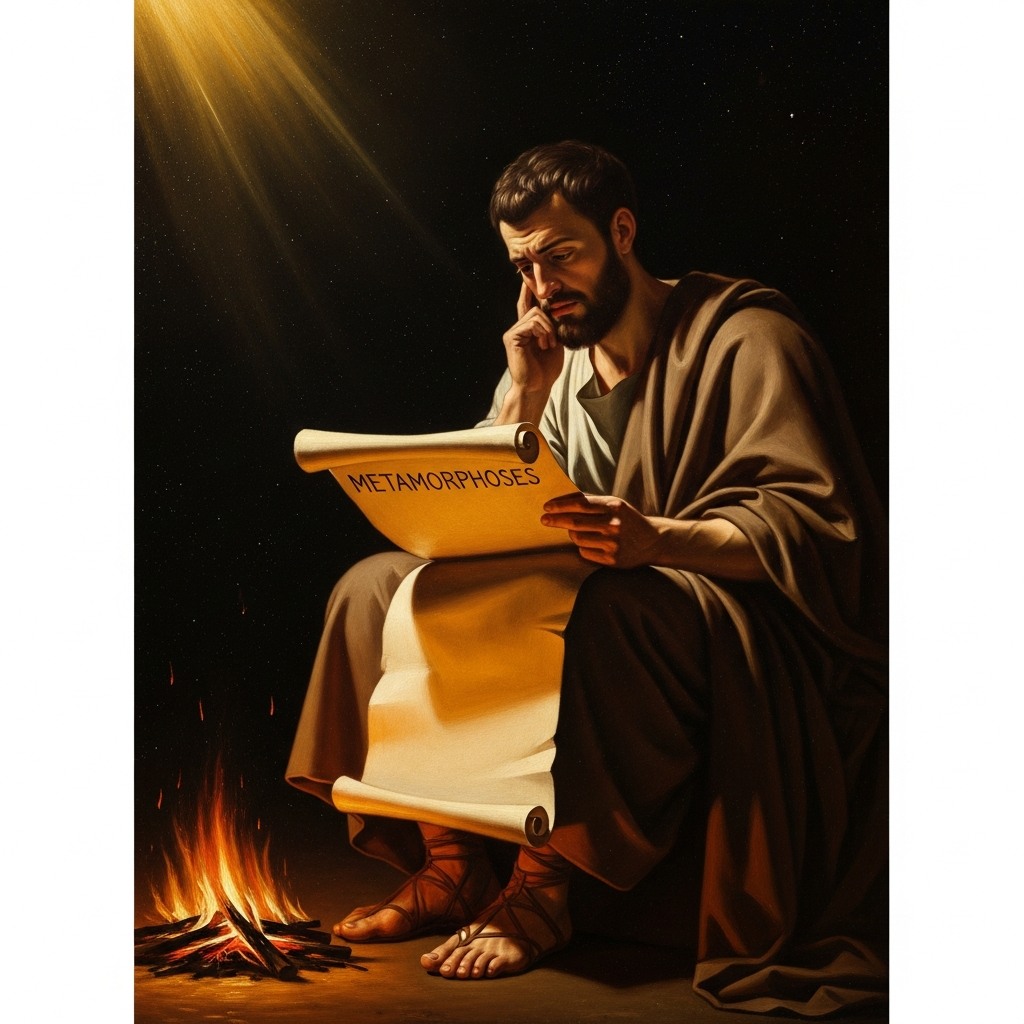
 The poet alone by a small fire, holding the scroll of his own Metamorphoses, reading the story of Io — the woman wandering the world who cannot say her own name
 Generating art…
 Echoes Across Traditions
Entities
- Ovid
- Augustus
- Tiberius
- Io
Sources
- Ovid, *Tristia* (c. 9-12 CE)
- Ovid, *Epistulae ex Ponto* (c. 13-16 CE)
- Ovid, *Metamorphoses* (8 CE)
- Peter Green (trans.), *The Poems of Exile* (2005)
- Alessandro Barchiesi, *The Poet and the Prince: Ovid and Augustan Discourse* (1997)