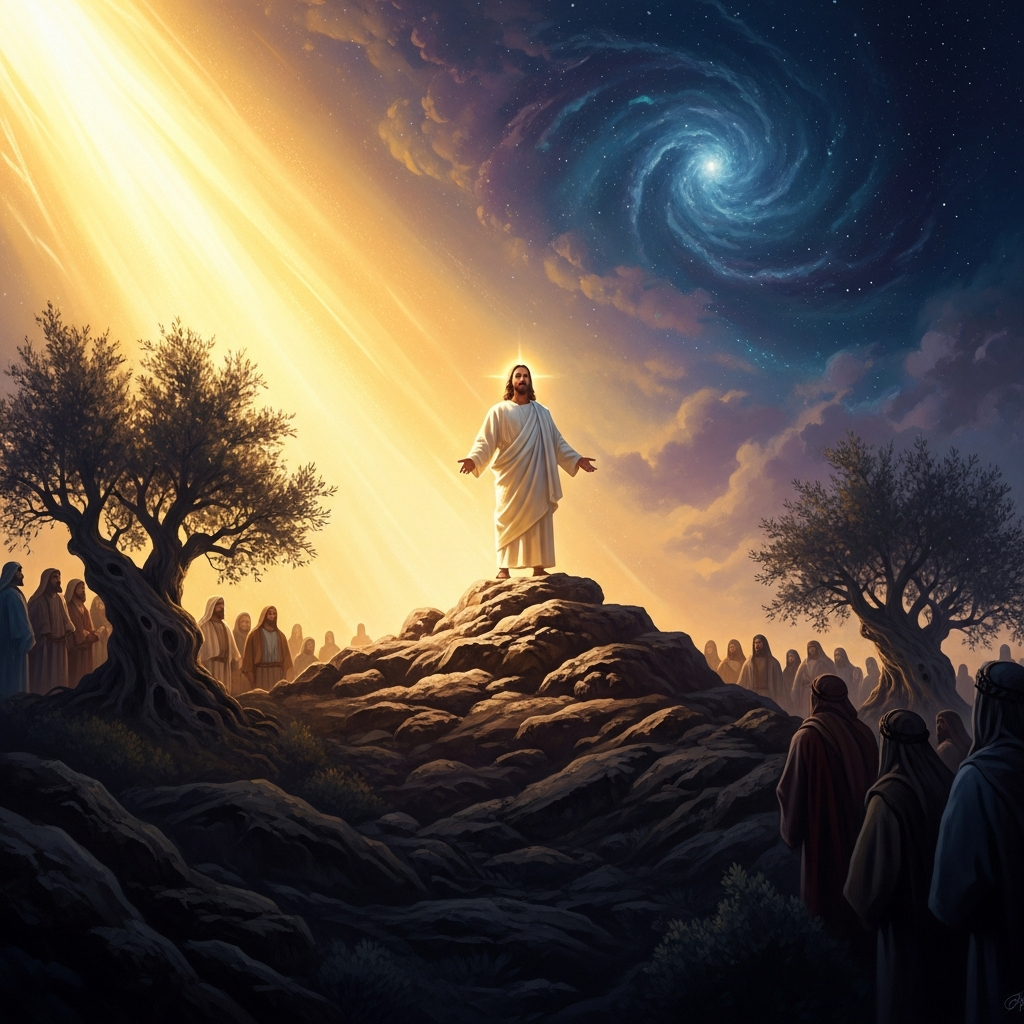
The Interior Castle
June–November 1577, Toledo · Convent of the Encarnación, Toledo, Castile
Contents
Teresa of Ávila is sixty-two, founding convents, fighting the Inquisition, and managing the reform of an entire religious order, when her confessor commands her to write a map of prayer. In five months she produces *The Interior Castle* — seven concentric dwelling places inside the soul, the innermost being the room where God lives. It is the most complete cartography of the Christian interior life ever written.
- When
- June–November 1577, Toledo
- Where
- Convent of the Encarnación, Toledo, Castile
She picks up the pen at her confessor’s command.
This is how Teresa of Ávila does most things in 1577: under obedience, resentfully, and then with more energy than anyone who commanded her had anticipated. Jerónimo Gracián, her confessor and the first provincial of the Discalced Carmelites, has told her to write about prayer. She has already written about prayer — in the Vida, in the Way of Perfection, in a hundred letters. She is sixty-two. Her right hand shakes. Her head aches in the way it always aches when the visions press too close and the work presses from the other direction. She puts the pen to paper and begins.
She is at the Convent of the Encarnación in Toledo. John of the Cross is imprisoned in a Dominican closet six blocks away, being beaten weekly by the Calced friars. The Inquisition holds her Vida in a locked room in Madrid. Three of her new foundations are under threat from the ecclesiastical hierarchy. She is, by any external measure, losing.
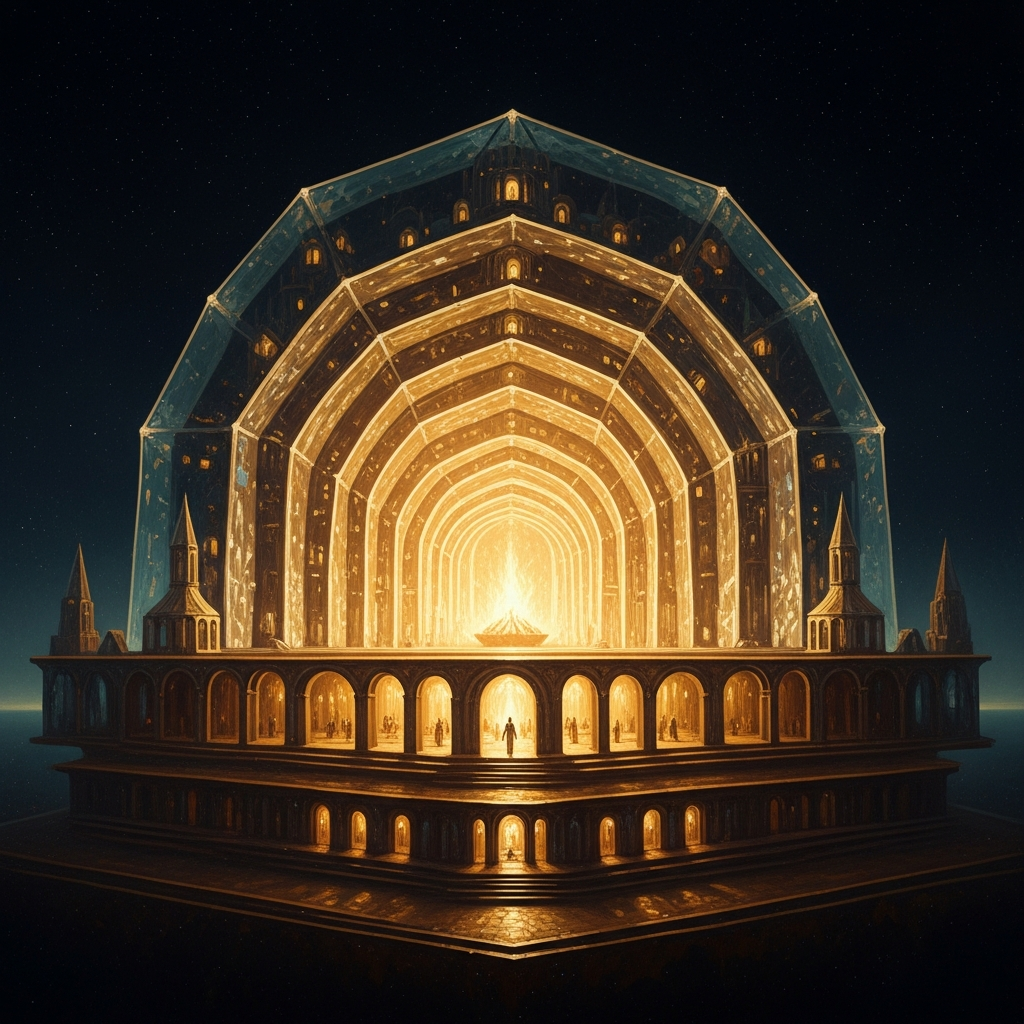
She begins: I thought of the soul as a castle made entirely of diamond or very clear crystal, in which there are many rooms.
The image arrives whole. She does not construct it. It presents itself to her the way her visions have always presented themselves — with the authority of something seen rather than imagined, though she is the first to acknowledge she cannot always tell the difference and has spent thirty years learning not to be deceived by the ones that arrive with false confidence.
Seven dwelling places. The outermost ones are dark — not evil, but unlit, filled with the noise of the world and the reptiles she imagines creeping through the lower rooms. As the soul moves inward, each dwelling place is brighter than the last, quieter, more spacious. The architecture does not shrink toward the center — it expands. The innermost room is larger than all the others combined.
In the innermost room, the King lives.
She writes about what happens in each dwelling place with a practitioner’s specificity that no one else in the Western tradition has managed: the beginning of interior prayer; the confusion of consolations with genuine progress; the aridity that signals the soul is being weaned from sweetness; the prayer of quiet; the prayer of union; the raptures, the locutions, the intellectual visions that arrive without images; the painful purification of the sixth dwelling where the soul is tested until there is nothing left to test; and finally, the seventh — the spiritual marriage, which she distinguishes from every earlier state with the precision of a woman who has experienced all of them and knows the difference.
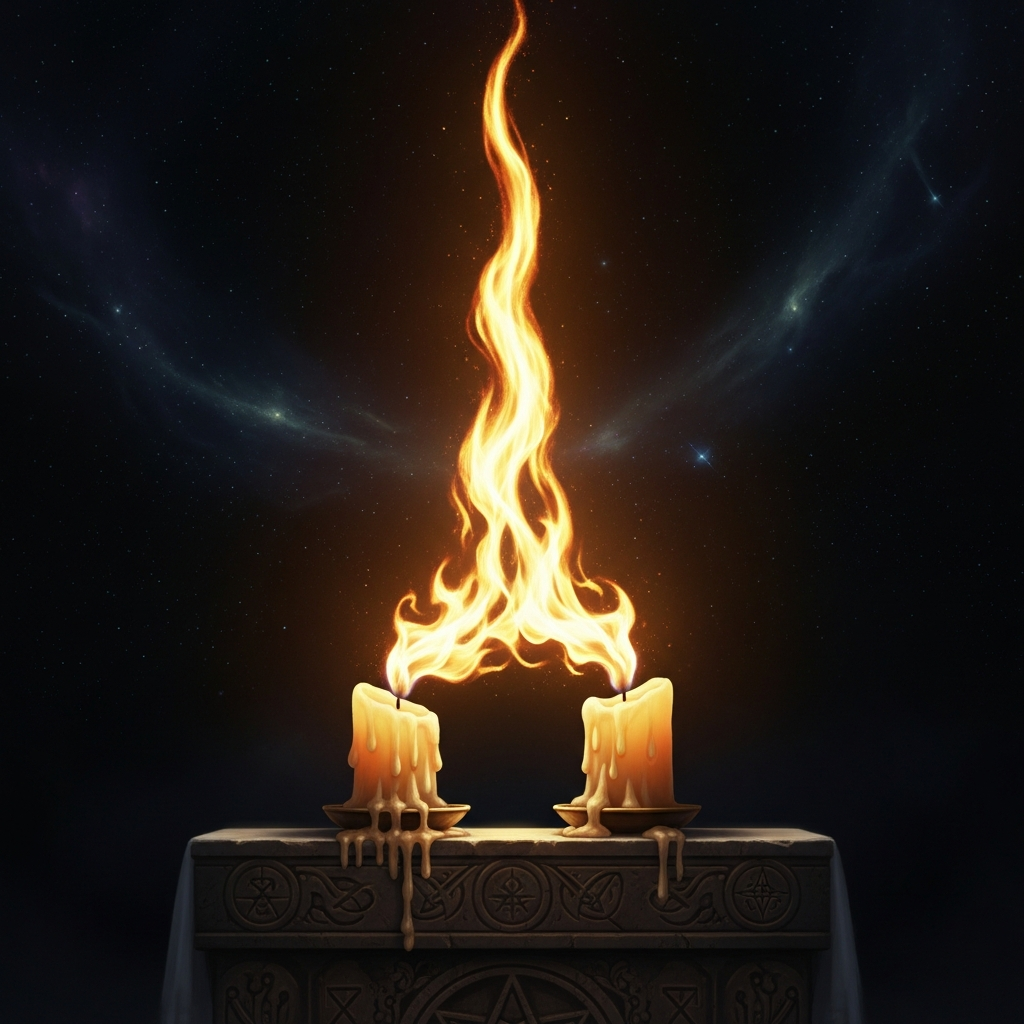
The spiritual marriage is not like the raptures. The raptures are violent and intermittent and leave her exhausted on the floor. The spiritual marriage is quiet. It is the difference, she writes, between two candles brought together so that their flames touch and become one, and two people in the same room who are still two people. In the spiritual marriage, the flames become one. You cannot afterward separate them back into two flames. You would have to extinguish both.
She levitates during this period, which she finds mortifying.
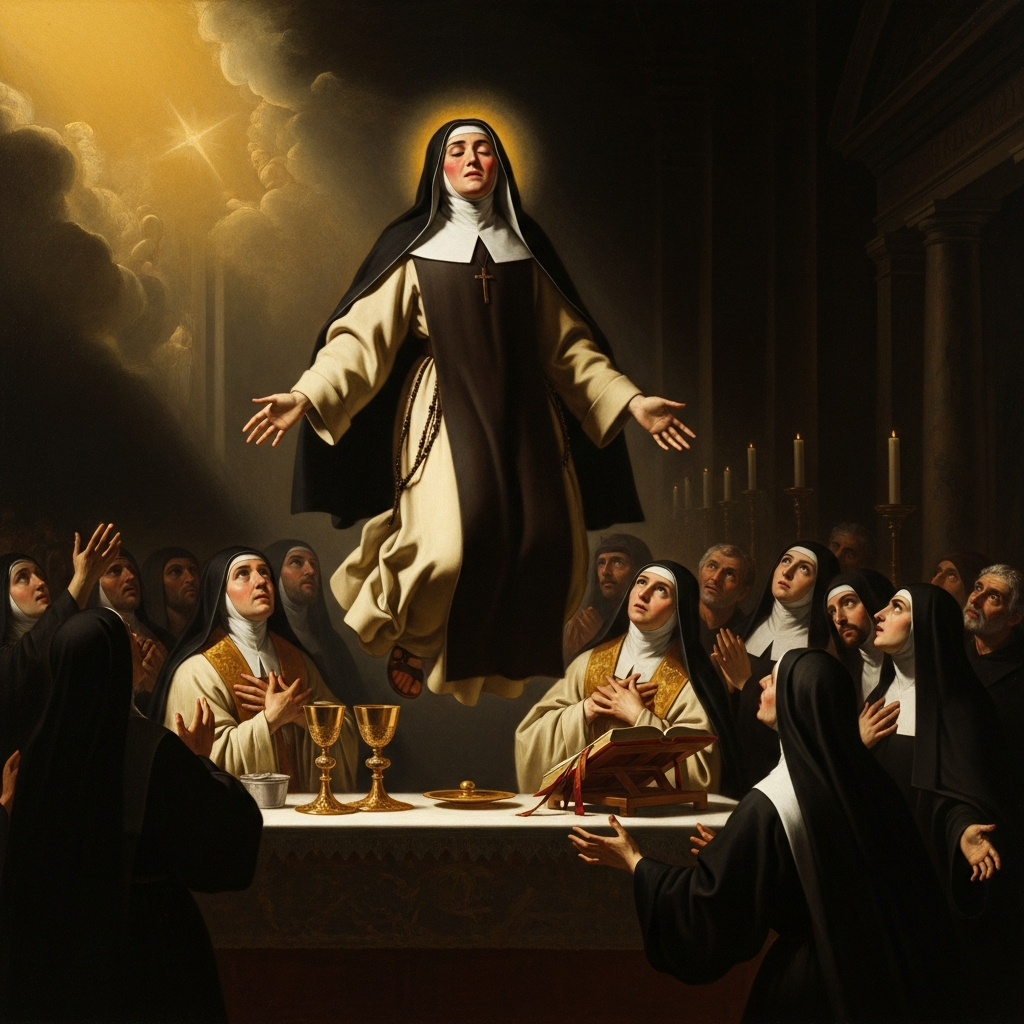
The levitations have been happening for years — the body rising from the floor during prayer, rising during Mass, rising when she is in the choir singing with the other nuns. The other nuns hold her ankles. She asks them to, in writing, formally: please hold my ankles when this happens. She is the abbess. They comply. She is terrified not of the levitation itself but of the attention it draws, the pride it might generate, the way it makes her unusual when what she wants to be is ordinary and dead to the world and unmemorable.
She writes in the Interior Castle that the sixth dwelling place brings the soul a series of experiences that look impressive from the outside and feel, from the inside, like being broken apart and reassembled differently. The raptures. The locutions. The wounds of love. The visions of Christ in his glorified body, present to her not with the eyes of the body but with the eyes she cannot name — the eyes that see things the bodily eye cannot, that remain open in total darkness, that do not require external light because they are somehow the same substance as the light they are seeing.
She is careful. She qualifies every experience. She invents the vocabulary as she goes because no one has mapped this territory in Castilian before.
She finishes in five months.
The Interior Castle is written around the same time her people pull John of the Cross out of his Toledo closet through a window on knotted bedsheets. He arrives at a Discalced convent with his back in ribbons and the Spiritual Canticle in his head. She hears he is alive and writes to him. She does not stop working.
The book she has written is dedicated, in its opening pages, to her sisters in the reform. She addresses them directly: I want you to understand, my daughters, what I mean. She is teaching nuns how to navigate their own interior space in a country run by an Inquisition that has arrested her own book and imprisoned her co-founder. She teaches them because she has been through every dwelling place herself, because the levitations and the visions and the dark nights are her evidence, because she knows the terrain firsthand and the map she is drawing is accurate.
She dies four years later, on October 4, 1582, traveling between foundations, worn through by decades of walking and arguing and praying and writing. Her last recorded words acknowledge the Church that has approved her and the Church that has watched her with suspicion for forty years: At last, Lord, I am a daughter of the Church.
In 1614 she is beatified. In 1622 canonized. In 1970 Pope Paul VI names her Doctor of the Church — the first woman, jointly with Catherine of Siena, to receive the title. The Interior Castle is still in print in thirty languages.
The seventh dwelling place is still there, at the center of the crystal castle, quiet and inhabited, the two flames burned together into one.
Teresa wrote the map while standing inside the territory, which is the only way such maps get made — and the reason they are more reliable than any map drawn from outside, and also far stranger, and also lit from within by a fire that is not metaphor.
Scenes
The crystal palace blazes with inner light — seven concentric dwelling places, the innermost holding a fire that casts no shadow
Generating art… Teresa levitates involuntarily during Mass — the body declaring what the mind cannot contain, to her profound embarrassment
 Generating art…
 The spiritual marriage of the seventh dwelling: two candles whose flames become one — quieter than a wedding, more permanent than joy
 Generating art…
 Echoes Across Traditions
Entities
- Teresa of Ávila
- Gracián de la Madre de Dios
- John of the Cross
- the King in the Innermost Room
Sources
- Teresa of Ávila, *The Interior Castle* (*Las Moradas*, 1577), trans. Mirabai Starr (Riverhead, 2003)
- Rowan Williams, *Teresa of Avila* (Continuum, 1991)
- Diarmaid MacCulloch, *The Reformation: A History* (Viking, 2003)
- Gillian Ahlgren, *Teresa of Avila and the Politics of Sanctity* (Cornell University Press, 1996)
- Cathleen Medwick, *Teresa of Avila: The Progress of a Soul* (Knopf, 1999)