The Fire of Ādur Burzēn-Mihr
From the mythic age through the Sassanid period (224–651 CE) to the present · Mount Reivand in northeastern Iran — and Yazd, Iran, where the flame is maintained today
Contents
The sacred fire of Ādur Burzēn-Mihr — guardian fire of the common people and the farming class, said to have been established on Mount Reivand since the mythic age — burns through conquest and diaspora as the living symbol of a tradition that cannot be extinguished.
- When
- From the mythic age through the Sassanid period (224–651 CE) to the present
- Where
- Mount Reivand in northeastern Iran — and Yazd, Iran, where the flame is maintained today
The fire of the people is the hardest to extinguish.
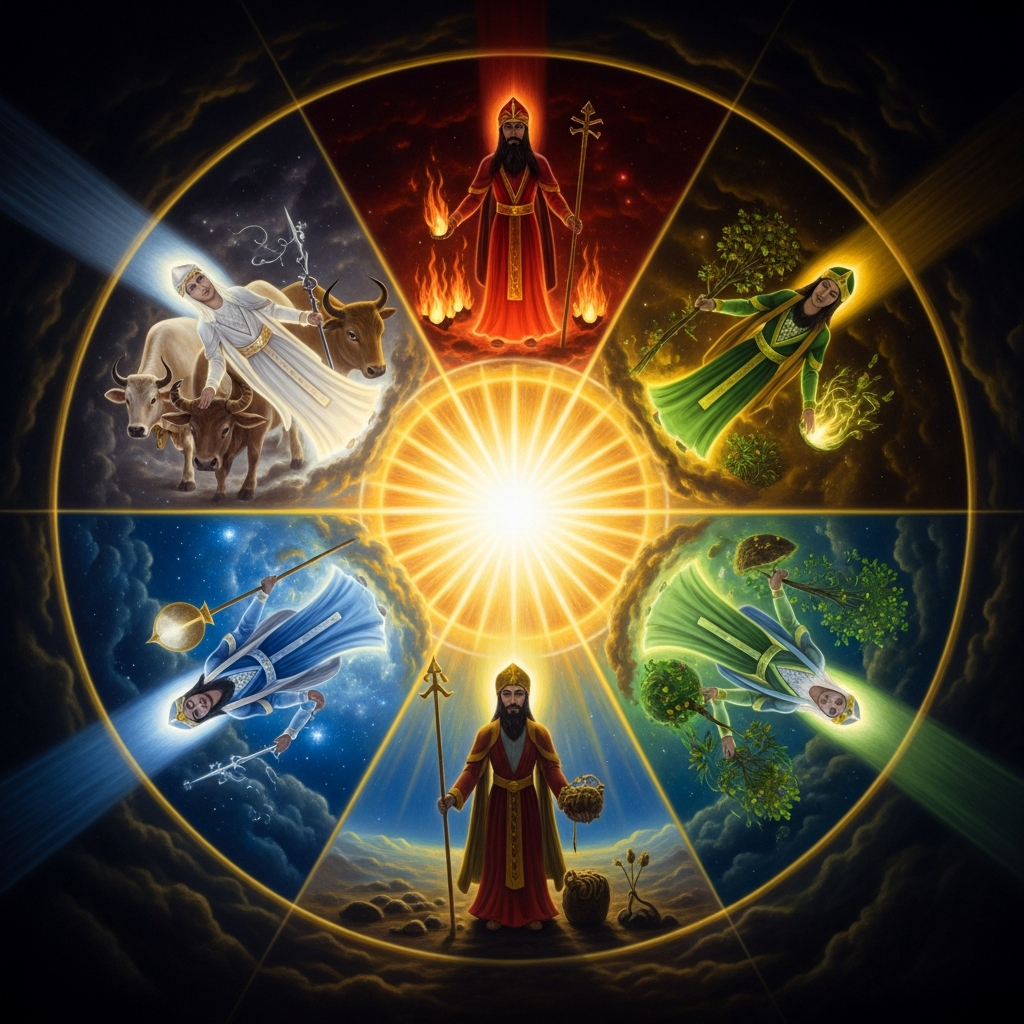
Ādur Farnbag, the fire of the priests, was in the west — in Khorasan or on the Caspian, the sources differ. Ādur Gushnasp, the fire of the warriors and kings, was at Takht-e Suleiman in Azerbaijan, a volcanic crater lake whose natural fires were incorporated into the sacred fire’s setting, and whose waters were said to have healing properties. The Sassanid kings carried it on campaign and returned it afterward, and its prominence was linked to the prominence of the Sassanid military campaigns across the Near East.
But Ādur Burzēn-Mihr burned on Mount Reivand in Khorasan for the farmers. For the herd-keepers and the grain-growers and the water-managers who maintained the qanāt systems that kept the cities alive. For everyone who was not a king and not a priest.
This matters in a way that is both sociological and theological.
The three fires are not ranked by holiness. Each of the three great fires embodies the farr — the divine royal glory — appropriate to its class. The fire of the priests embodies the divine wisdom required for correct ritual. The fire of the warriors embodies the divine power required for just governance. The fire of the farmers embodies Spenta Armaiti — Bounteous Devotion, the divine guardian of the earth, the quality of patient tending of what has been given in trust.
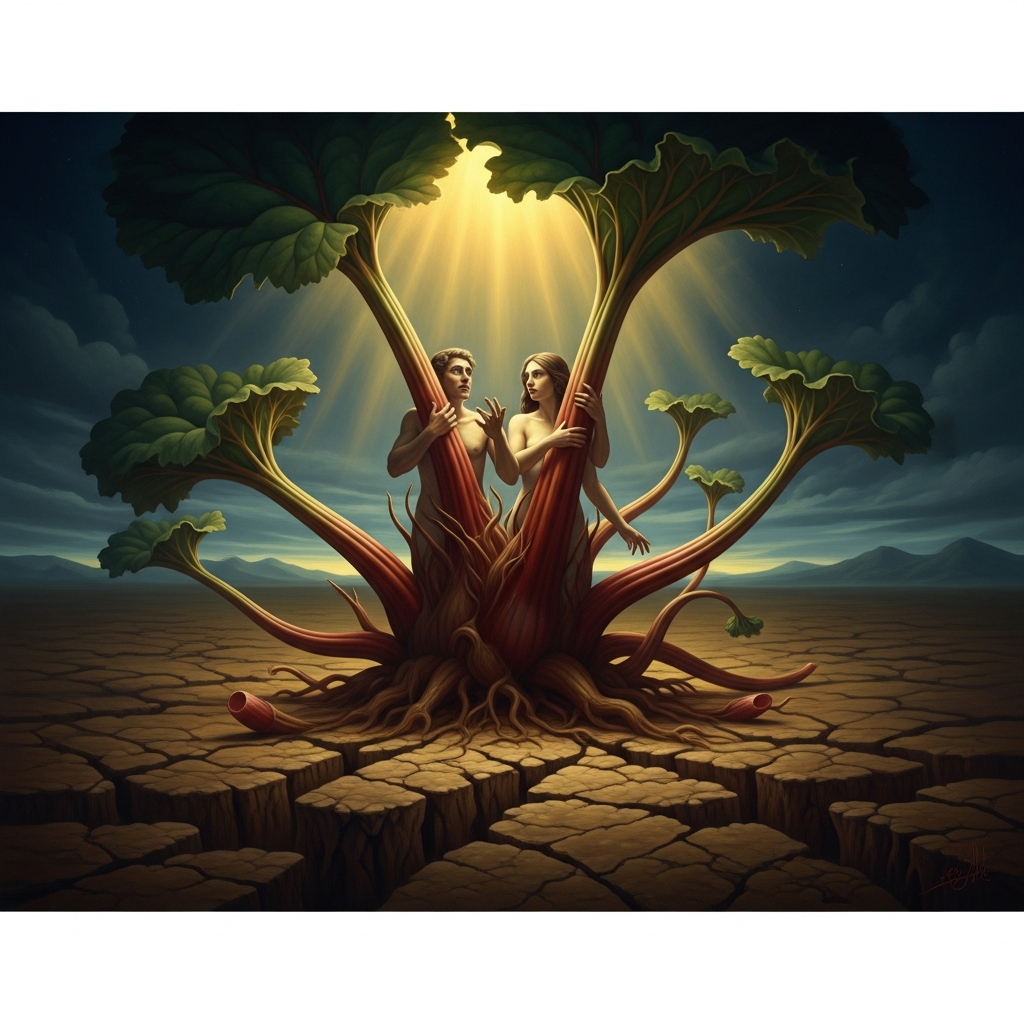
Spenta Armaiti is the most democratic of the Amesha Spentas.
Everyone who grows food participates in her nature. Everyone who tends an animal, digs a field, carries water from the qanāt to the root of the tree participates in the divine quality that sustains biological life. The fire on Mount Reivand was the ritual acknowledgment that this work — this patient, invisible, unglamorous sustaining of life — is sacred, is cosmologically necessary, is protected by a divine guardian whose fire burns at the peak of the mountain as a sign.
When the Arab armies came in 636–651 CE, the fires were carried.
Not all were preserved with certainty. The historical record of what happened to the three great fires during the Islamic conquest is incomplete, and honest Zoroastrian historians acknowledge that the continuous burning claimed for some of the fires may represent intention rather than verified fact — the fire may have been extinguished and relit from another sacred fire rather than burning without interruption from the mythic age.
What matters is what the carrying represents.
The priests who fled east with their fires were not merely preserving ritual objects. They were carrying the material expression of a theological claim: the divine fire that Ahura Mazda lit at the beginning of creation cannot be permanently extinguished by any human action. It can be hidden, moved, dimmed, threatened — but it persists because its nature is persistence.
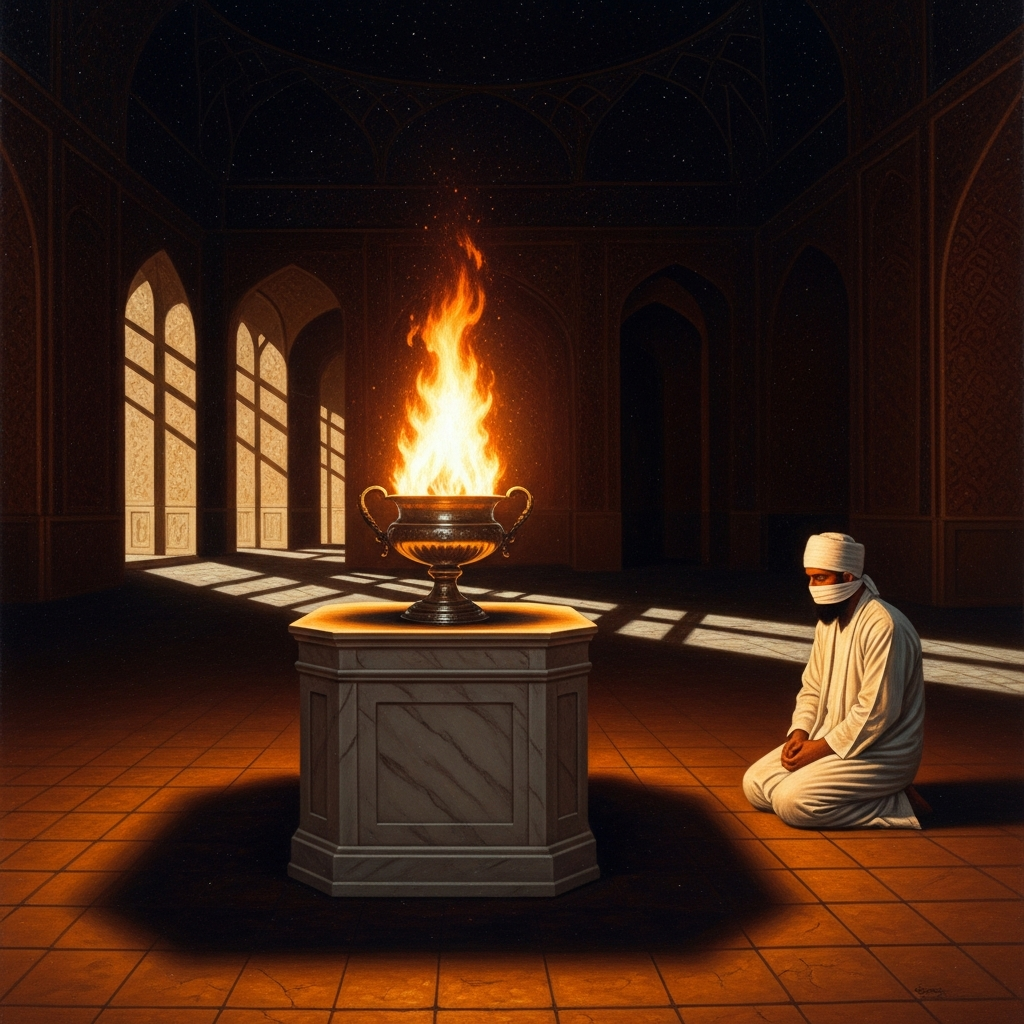
The fire at the Yazd Atash Behram today burns in a silver urn behind glass.
The white-robed priests who tend it cover their mouths with white cloth when they feed it, so that human breath does not contaminate the divine flame. They add sandalwood and other fragrant woods at precise intervals, maintaining the flame at the temperature and quality that the ritual prescribes.
The tourists who visit the fire temple stand at the glass and look at the flame.
Some of them are Zoroastrian. Some are Iranian Muslims who feel, despite everything, that the flame in the urn is theirs too — that it is burning for all the people of the plateau, not only for those who follow the Gathas. Some are international visitors who came to see what a fifteen-hundred-year-old fire looks like.
It looks like fire.
Orange and gold at the center, blue at the base, moving in the still air of the fire temple because fire moves even when the air doesn’t.
It was burning before the building around it was built.
It will be burning, the priests intend, when that building is gone.
Echoes Across Traditions
Entities
- Ādur Burzēn-Mihr
- Ādur Gushnasp
- Ādur Farnbag
- Sassanid Priests
- Yazd Zoroastrian Community
Sources
- Mary Boyce, *A Persian Stronghold of Zoroastrianism* (Oxford, 1977)
- Jamsheed Choksy, *Purity and Pollution in Zoroastrianism* (University of Texas, 1989)
- Mary Boyce, *Zoroastrians: Their Religious Beliefs and Practices* (Routledge, 1979)
- A.Sh. Shahbazi, 'Ādur Burzēn-Mihr,' *Encyclopædia Iranica* (1983)