Siduri at the End of the World
Old Babylonian version, c. 2100–1700 BCE · The shore of the cosmic ocean, at the edge of the world
Contents
Half-mad with grief and terror of his own death, Gilgamesh reaches the edge of the world and finds Siduri the tavern-keeper behind her wall. She gives him the most honest philosophy in ancient literature: savor food, wash your hair, take your wife in your arms. The journey you seek is not possible.
- When
- Old Babylonian version, c. 2100–1700 BCE
- Where
- The shore of the cosmic ocean, at the edge of the world
He arrives at the wall before he sees the wall.
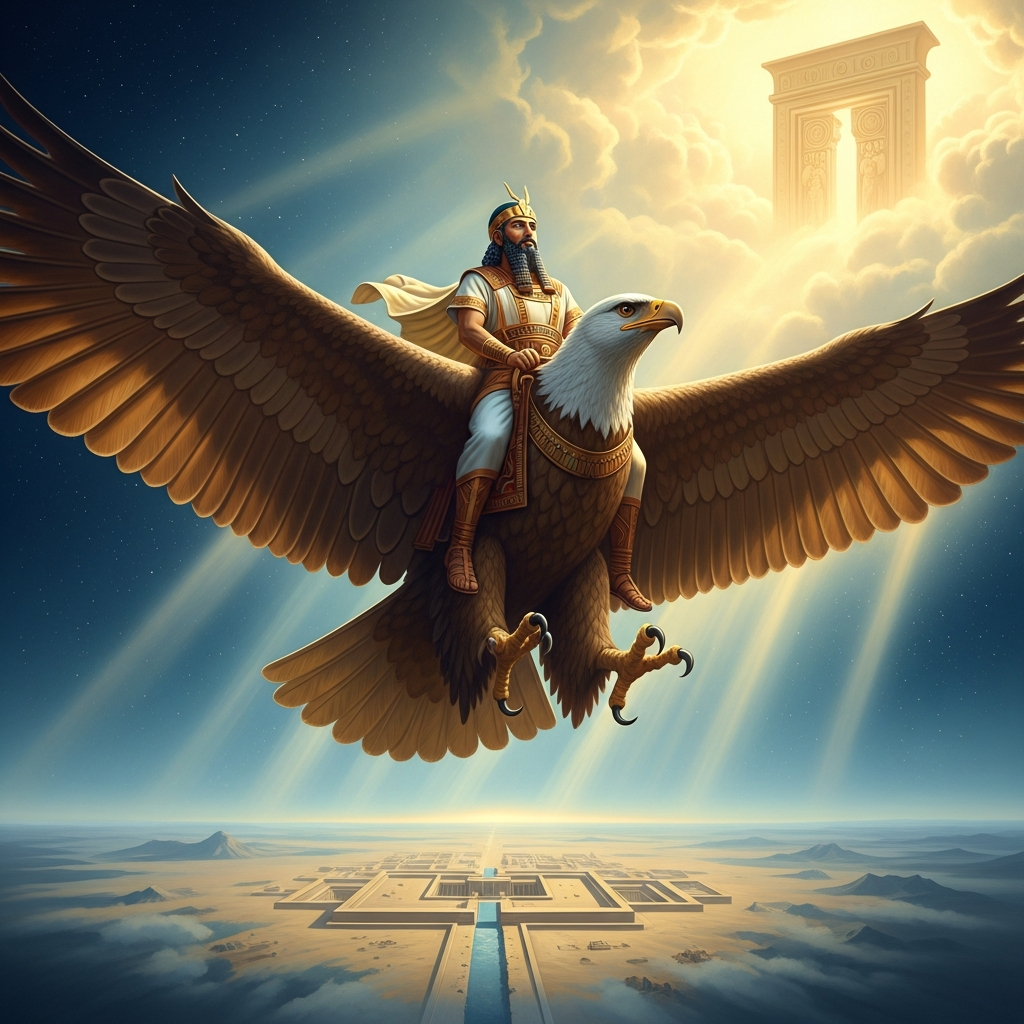
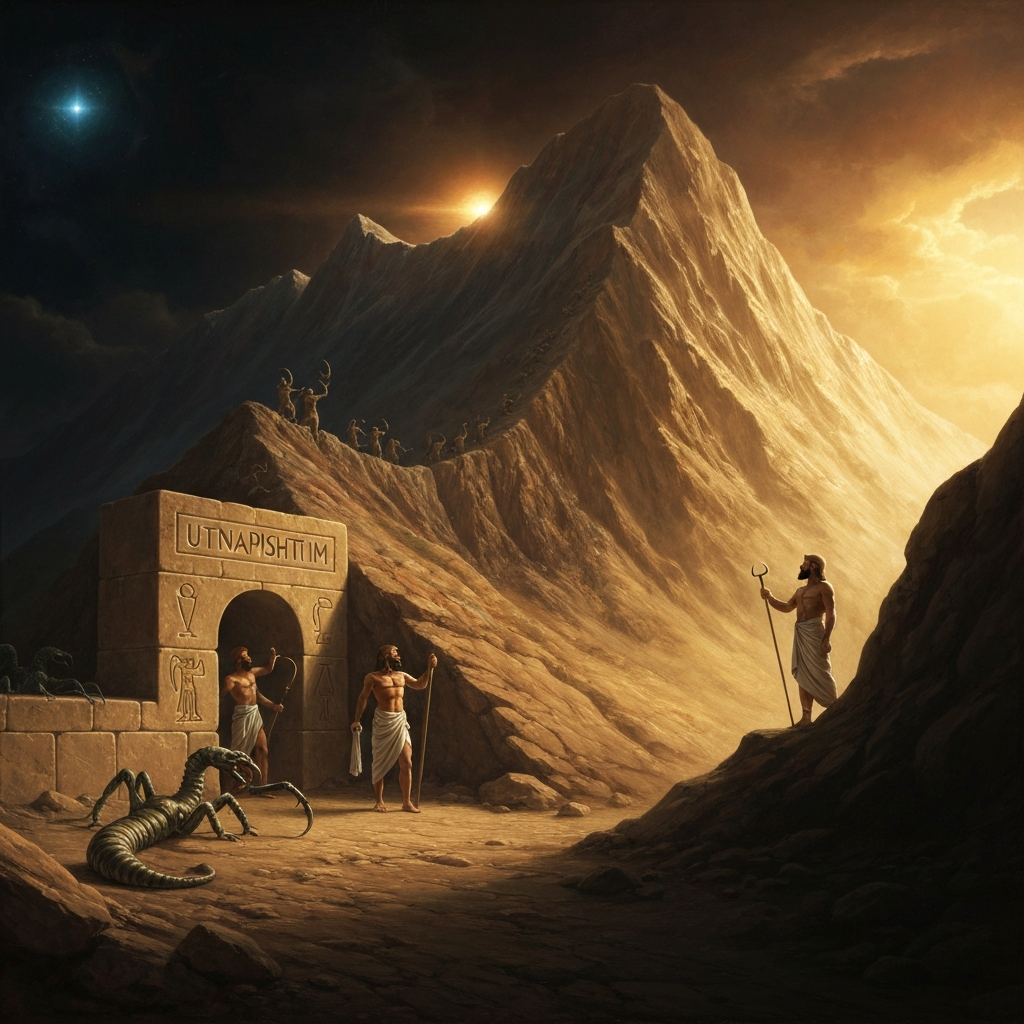
It is at the edge of the world, beyond the mountain pass where the scorpion-people stand watch, beyond the road of the sun where it travels in the dark hours, beyond the names of countries and the reach of any king’s tax collectors. The shore of the cosmic ocean is here. The waters of death lap the gravel. Past those waters, somewhere, is Utnapishtim — the only mortal who survived the flood and was given immortality by the council of the gods, the one man in all of history who knows what Gilgamesh needs to know.
The wall belongs to Siduri.
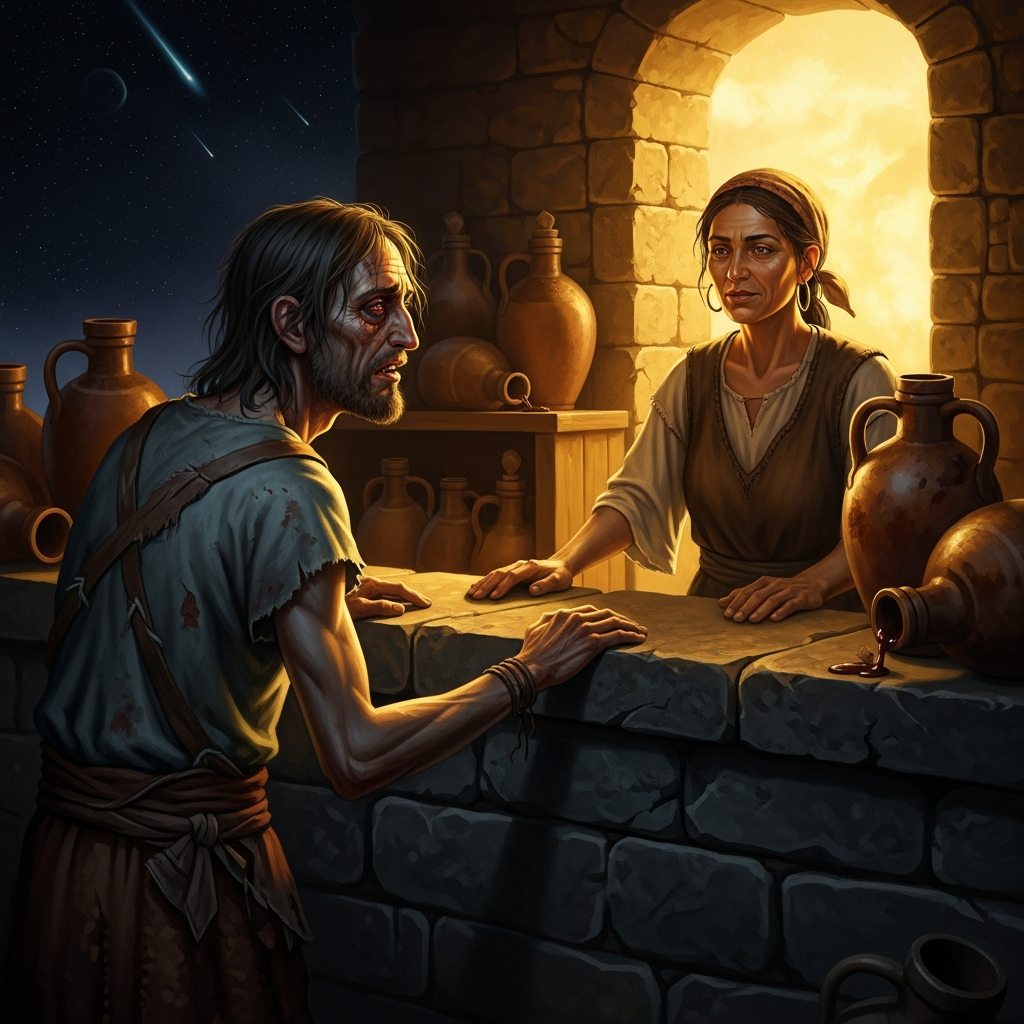
She is the keeper of the tavern at the edge of the world, and the tavern is exactly what taverns have always been: a small room with a fire, a counter, jars of beer, the smell of yeast and woodsmoke, and a woman behind the counter who has seen everything that walks the road. Siduri lives at the place where heroes go when they cannot go any further by their own reasoning. They come down the road with their stories and their swords and their grief, and she gives them beer.
She sees Gilgamesh from a long way off.
What she sees terrifies her. The king of Uruk — the most beautiful man in the world, two-thirds god, builder of the wall the height of which is a wonder of the lower world — is approaching her tavern dressed in the skin of a lion, gaunt to the bone, his hair matted, his beard tangled, his face burned dark by sun and wind and weeping. He carries no proper weapon. He has lost weight no king should lose. He looks like a hunter, then like a beggar, then like a corpse that has been walking for a long time and is not yet aware that it has died.
Siduri does what any sensible tavern-keeper would do. She bolts the door.
Gilgamesh hears the bolt slide and his temper, which is the worst part of him and has never improved, breaks. He shouts at the door. He threatens to break it. He demands to know who locks a door against a king. There is something in the threat — perhaps the volume, perhaps the loneliness in it, perhaps the thing under the loneliness — that tells Siduri this is not a man to lock out. She speaks to him through the door.
Why are your cheeks so wasted? Why is your face cast down? Why is your heart so wretched, your features so worn? Why is there sorrow in your gut? Why does your face look like one who has gone on a long journey, like one whose flesh is scorched by frost and sun? Why do you roam the wilderness, dressed in a skin?
The questions are formulaic — Babylonian poetry asks them at every encounter — but Siduri asks them as a real woman asks a real man at her door. What happened to you? she is asking. I have served kings. I know what kings look like. You do not look like a king. You look like the road has been killing you in pieces.
He tells her.
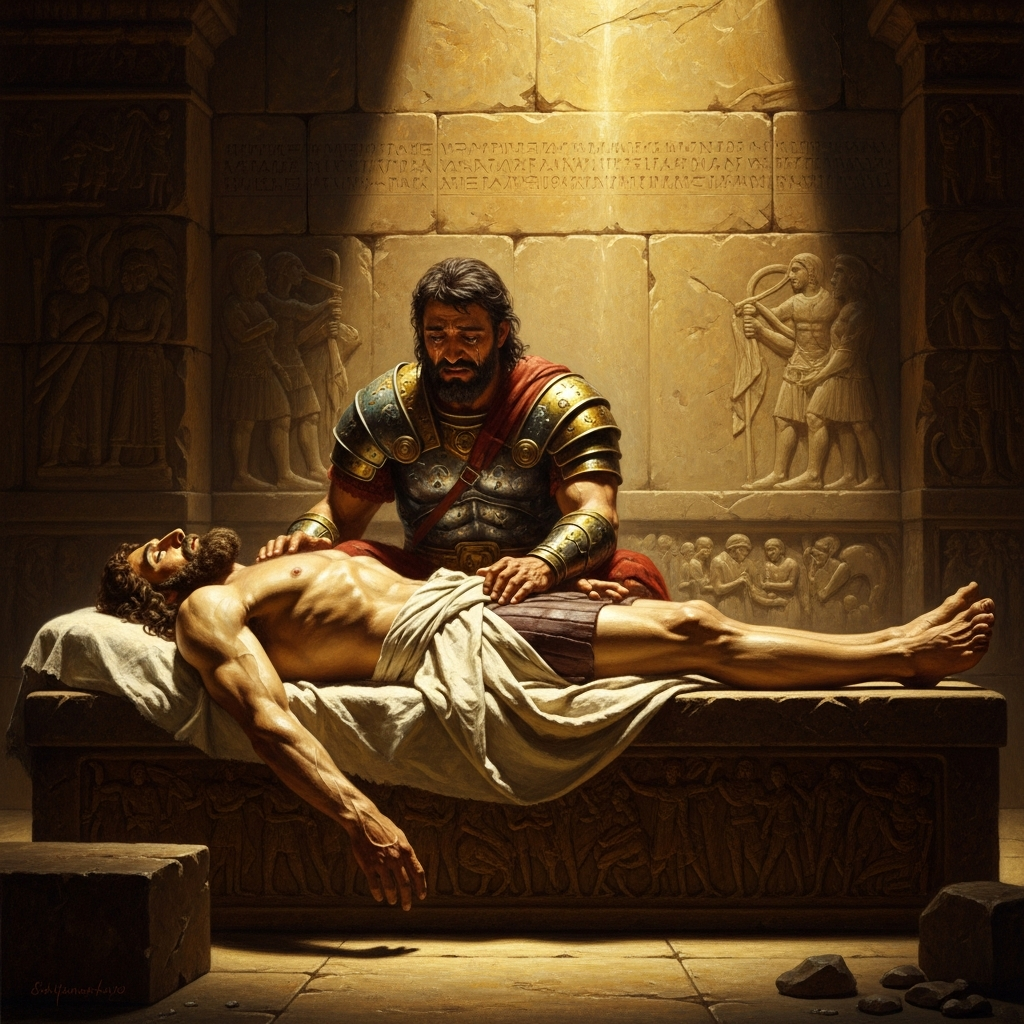
My friend Enkidu, whom I loved like a brother, who hunted lions with me and killed Humbaba in the cedar forest with me, my friend who shared my joy in everything — Enkidu has died. The death that comes for every mortal has come for him. I wept over him for seven days and seven nights. I would not give him up to be buried until a worm fell from his nose. Then I was afraid. I am afraid. Will I die like this too? Will I lie down and never get up? Is that the end?
He tells her about the road. The mountain pass. The scorpion-people. The road of the sun. The garden of jeweled fruit. The boatman, the punting poles, the waters of death she can see lapping at her own beach. He tells her he is going to find Utnapishtim. He is going to ask the only man who beat death how it was done. He cannot live with what he has seen. He will not live with what he has seen.
Siduri unbolts the door.
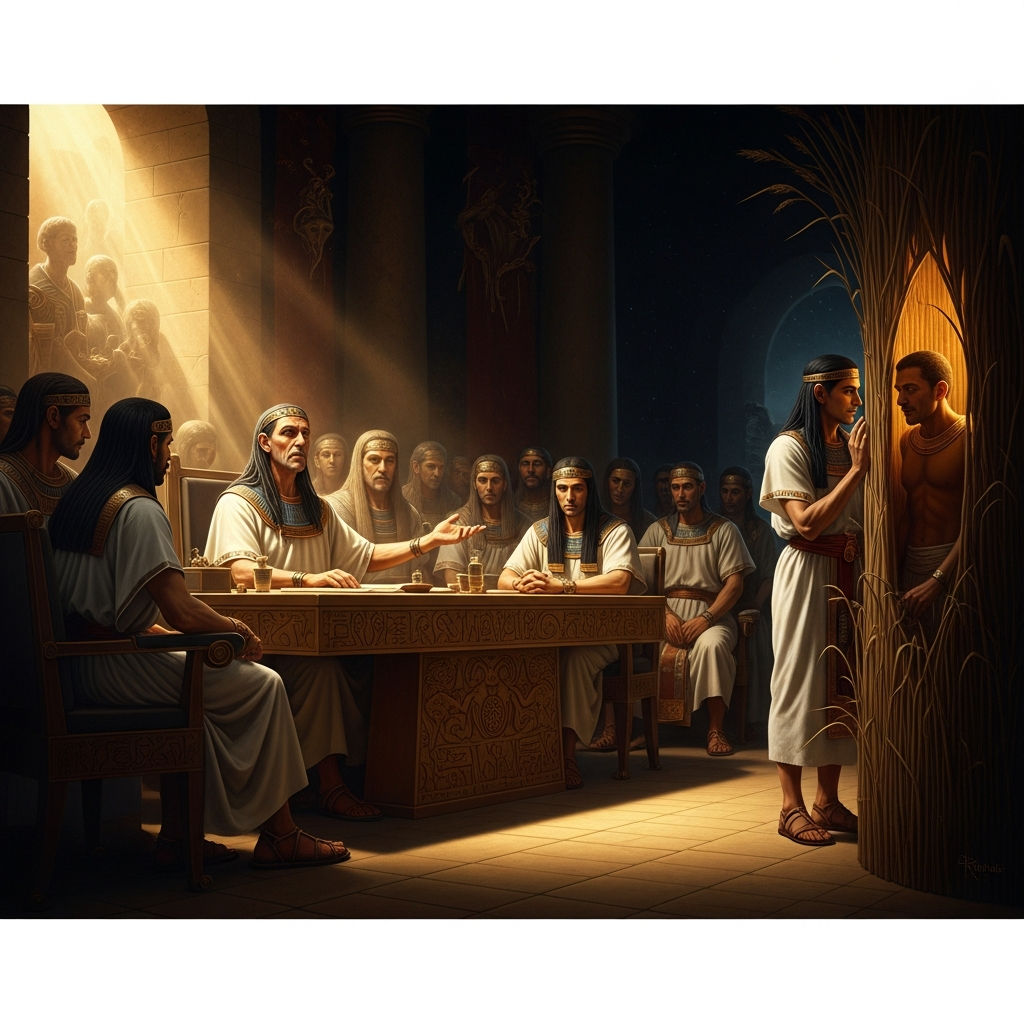
She lets him in, and she does what she has always done with men who arrive at her tavern with terror behind their eyes. She pours him beer. She gives him bread. She lets him sit by the fire. She watches him eat the way a starving man eats — too fast, then stopping, then starting again — and she takes his measure the way only a tavern-keeper can take a man’s measure.
Then she speaks the speech.
It is preserved on the Old Babylonian tablet, the version older than the standard one, written in the older grammar, in language that has the directness of speech rather than the polish of court poetry. The standard version edited it down later — too pessimistic, perhaps, too pagan, perhaps, or perhaps the editors recognized that speech this strong needs to be encountered in its original form to be understood. The Old Babylonian version is the one that survives the editing because it is the one that is true:
Gilgamesh, where are you wandering? You will not find the life you seek. When the gods made humanity, they kept life for themselves and assigned death to humanity. As for you, fill your belly. Day and night, make merry. Let your days be full of joy. Dance and play, day and night. Let your clothes be sparkling fresh. Wash your head. Bathe in water. Look on the child who holds your hand. Let your wife rejoice in your embrace. This — this is the work of humanity.
The room is quiet.
The fire crackles. The waters of death lap the gravel outside the wall. Gilgamesh, two-thirds god, conqueror of Humbaba, slayer of the bull of heaven, builder of the great wall, sits in a tavern at the edge of the world and listens to a woman who has poured beer for fifty years tell him what every Babylonian housewife knows and what no king has been able to hear: that the journey he is on is not the right journey, that the answer is at home, that the bread and the wife and the washed hair are not consolation prizes for the failure to find immortality but the actual contents of a human life.
He does not accept it.
This is the heartbreak of the scene, and the part the standard version preserves: he hears Siduri, he understands her, he respects her, and he goes anyway. He asks her how to cross the waters of death. She tells him. The boatman Urshanabi is somewhere down the shore. The crossing is possible if Urshanabi is willing.
Gilgamesh thanks her and leaves.
He goes to Utnapishtim. He is told the same thing in different words — that immortality was a one-time gift, that the gods will not give it again, that the flood was an emergency that produced an exception which has not since been repeated. He fails the test of staying awake for a week. He is given a plant of rejuvenation as a consolation prize. The plant is stolen by a snake on the way home. He arrives back at Uruk with nothing and stands on the wall he built and looks out at the city he rules, and the epic ends with him pointing at the wall and the canals and the brickwork and saying, in effect: this. This is what I have. This is what I made. This is what survives.
The same conclusion Siduri offered him in three sentences and a cup of beer, hundreds of miles east, weeks earlier, before the boat and the waters of death and the failed week of sleeplessness.
He had to make the journey to learn what the woman behind the wall already knew.
There is a possibility that should be said directly: Siduri may be a goddess. Some readings identify her with Ishtar in disguise, or with a wisdom-goddess of the lower order, or with the kind of liminal divine being that haunts the edges of every cosmology — half divine, half human, found at boundaries, dispensing truths that the high gods cannot say without breaking their own rules. The text does not insist on this. The text presents her as a tavern-keeper. But the line between a tavern-keeper at the edge of the world and a goddess running a tavern at the edge of the world is, in Mesopotamian thought, very thin.
What is not thin, and what every reader of the tablet has felt for thirty-seven hundred years, is that the speech she gives Gilgamesh is the truest speech in the epic. The gods lie. The heroes boast. The cedars fall and the bulls of heaven die and the friend dies anyway. Siduri pours beer, asks the right questions, and tells the king what he needs to hear in plain language.
He does not listen. He goes on anyway, and learns the same thing the hard way. This is what most of us do, with most of the wisdom that is offered to us, most of the time.
The Siduri scene is the oldest surviving statement of an ethic that the Western tradition will spend the next four thousand years trying to say better. Ecclesiastes will say it in Hebrew. Horace will say it in Latin. Khayyam will say it in Persian. Every culture will produce a tavern-keeper, a gardener, a wise old woman who tells a grieving man to wash his hair and hold his wife.
None of them will say it more directly than Siduri. The Old Babylonian tablet is preserved partial, water-damaged, broken at the edges, and even in fragments it is the most adult passage in ancient literature — a passage that does not flinch from the fact of death and does not let the fact of death cancel the fact of life.
Gilgamesh did not listen the first time. He listened, finally, when he came home — when the plant was stolen and the immortality was lost and the wall was the thing that remained. The Siduri scene is what the wall says. The wall and the speech are the same thing in two media. They are what humans build at the edge of the cosmic ocean to keep the waters of death on the other side, knowing the wall will not hold forever and building it anyway.
Wash your head. Bathe in water. Look on the child who holds your hand. Let your wife rejoice in your embrace. This — this is the work of humanity.
Echoes Across Traditions
Entities


Sources
- Andrew George (trans.), *The Epic of Gilgamesh* (Penguin, 2003)
- Stephanie Dalley (trans.), *Myths from Mesopotamia* (Oxford University Press, 1989), Tablet X (Old Babylonian version)
- Benjamin Foster, *Before the Muses: An Anthology of Akkadian Literature* (CDL Press, 2005)
- The Old Babylonian Tablet (Meissner Fragment), c. 1700 BCE, British Museum